H.R. 9112: Creative Rights Ensuring Artists’ Technique and Originality are Reserved Act
This bill, known as the Creative Rights Ensuring Artists’ Technique and Originality are Reserved Act (CREATOR Act), aims to establish specific rights for visual artists regarding the commercial exploitation of their distinctive styles. Below are the key elements of what the bill would do:
Rights Against Stylistic Impersonation
The bill grants visual artists an exclusive right to control the commercial use and distribution of stylistic impersonations based on their work. This right is a federal intellectual property right that is distinct from current copyright and trademark protections. It specifically focuses on:
- Deliberate Stylistic Impersonation: The protection only applies to intentional imitations that are likely to mislead the public about the source or sponsorship of a work.
- Exclusions: The rights do not cover general ideas, artistic styles, or methods that are not specifically associated with a particular artist.
- Licensing: These rights can be licensed or assigned to others in writing, either entirely or partially.
Duration of Rights
- For Living Artists: The rights last for the lifetime of the artist.
- For Deceased Artists: The rights remain in effect for 10 years after an artist's death, with the possibility of renewal for up to 50 years.
Liability for Unauthorized Use
The bill outlines that individuals or entities can be held liable for:
- Commercially exploiting a stylistic impersonation without authorization.
- Creating or marketing products or services intended to generate such impersonations if configured or advertised to do so.
However, protections are also proposed for general-purpose AI systems unless they are specifically designed to produce stylistic impersonations of identified artists.
Exemptions
Certain activities are exempt from violation claims, including:
- Commentary or criticism on the artist's work.
- Parody or satire that critiques the original artist or their style.
- Research or educational uses.
Online Services Protection
Online platforms that host user-generated content are provided with safe harbor protections if they:
- React swiftly to remove content upon receiving valid notifications of infringement.
- Have designated agents to handle such notifications.
Civil Actions and Remedies
The bill allows a visual artist or right holder to bring civil actions for violations, with possible remedies including:
- Injunctive relief to prevent future violations.
- Actual damages incurred or statutory damages ranging from $10,000 to $150,000, depending on the nature of the infringement.
Definitions and Effective Date
Important definitions within the bill include "stylistic impersonation," "visual work," "artist," and "artificial intelligence system." The bill will take effect 180 days after enactment.
Relevant Companies
- GOOGL - Google: Potentially affected due to its involvement in AI systems that may inadvertently create stylistic impersonations of visual artists.
- ADBE - Adobe: As a company that provides tools for content creation, it may be impacted by the bill's implications around software that could enable stylistic impersonations.
- TTWO - Take-Two Interactive: May be impacted if video games developed by them unintentionally replicate the distinctive styles of visual artists without permission.
This is an AI-generated summary of the bill text. There may be mistakes.
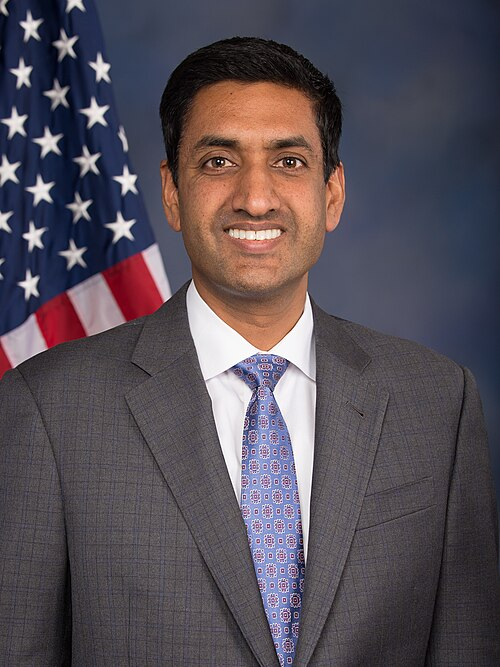
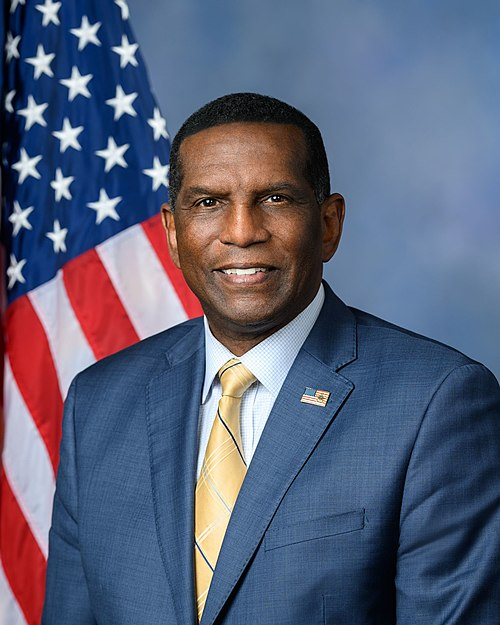
Sponsors
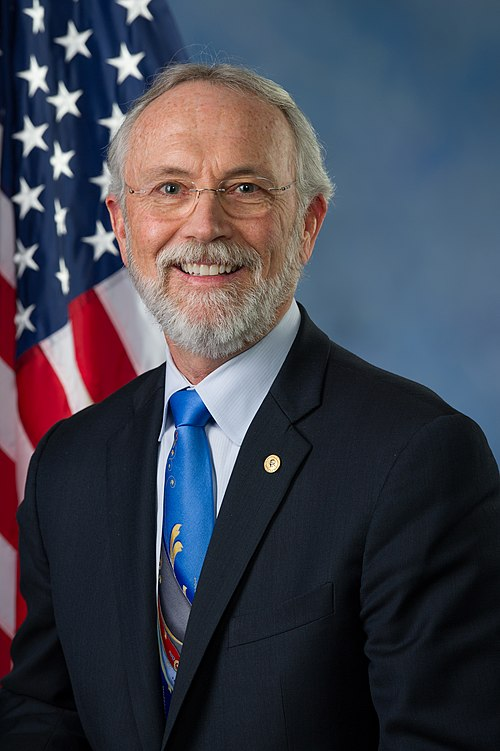
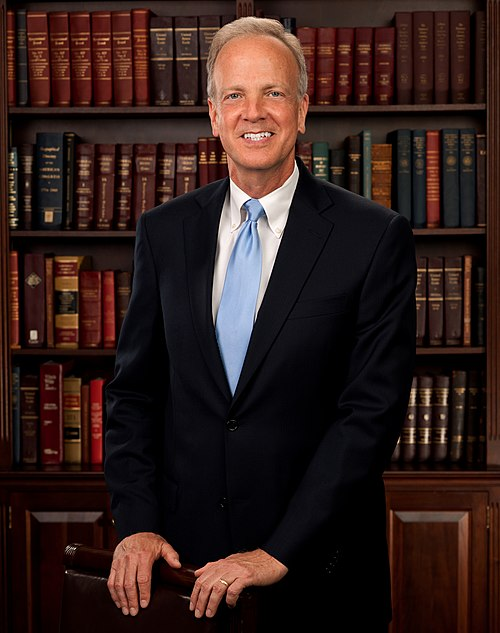
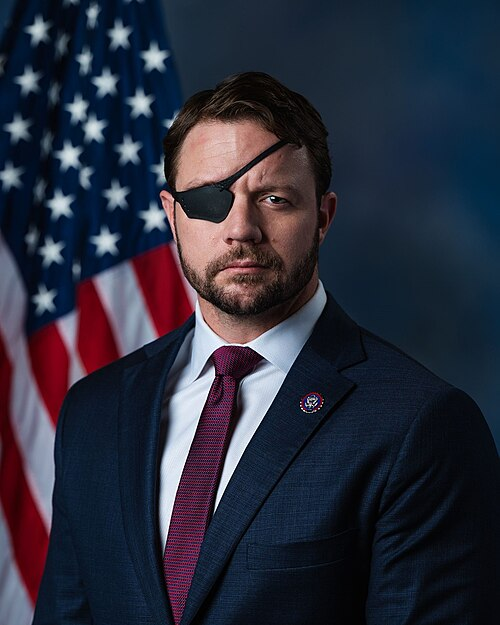
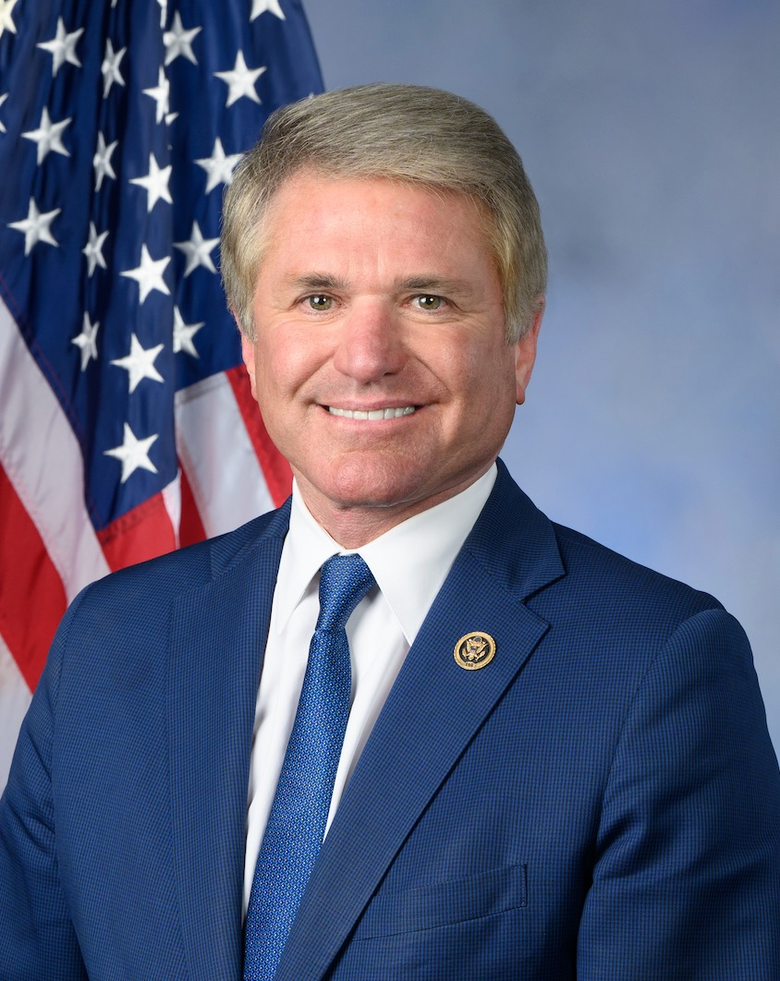
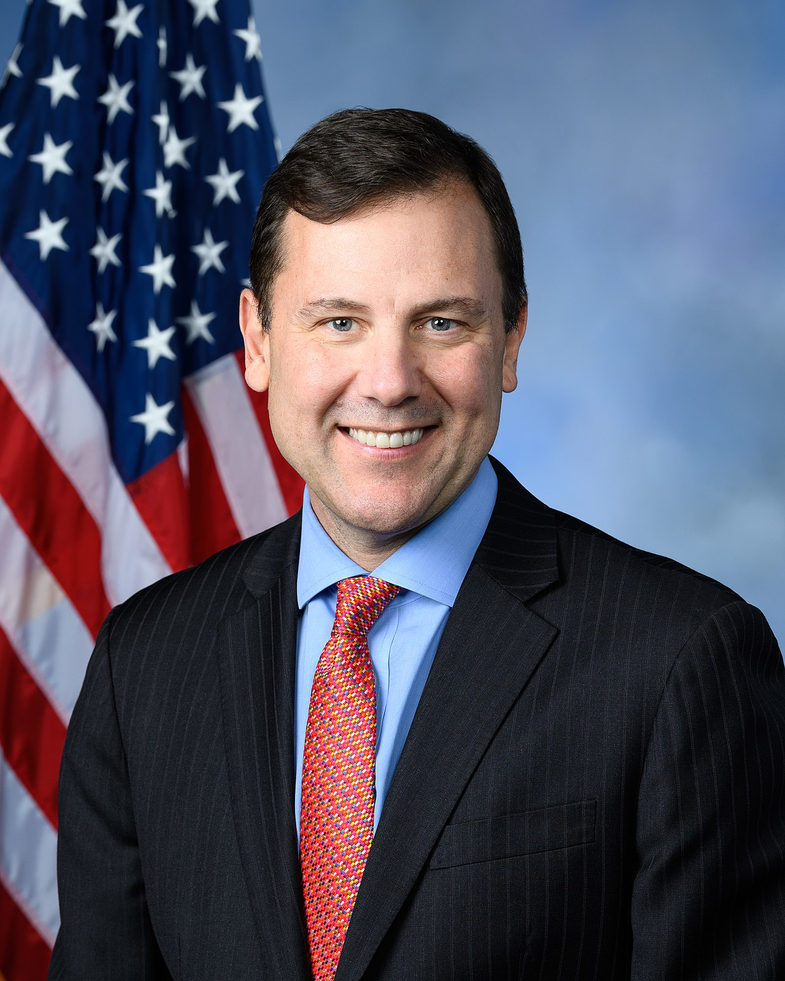
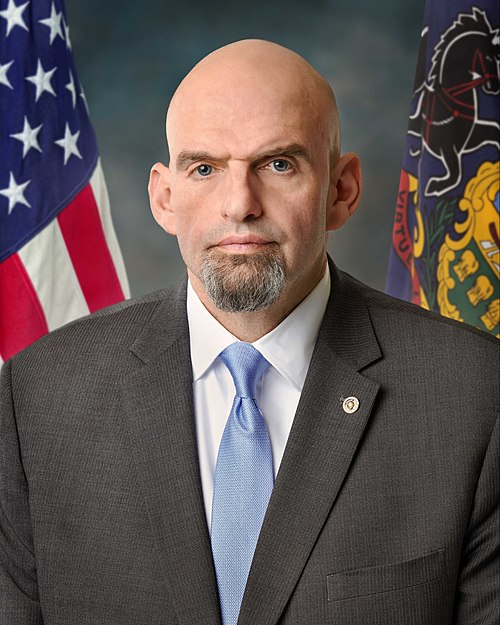
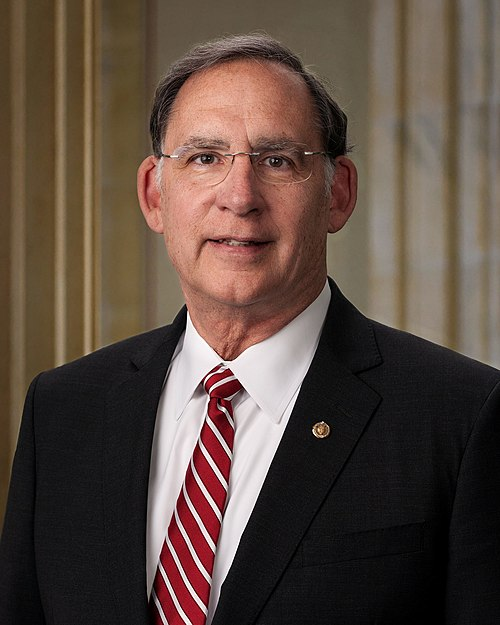
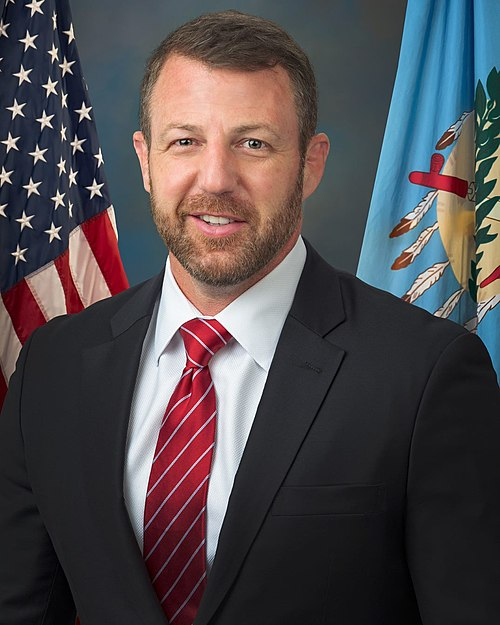
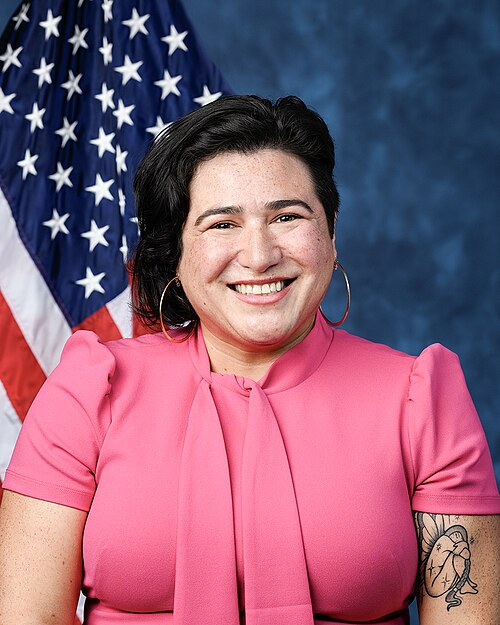
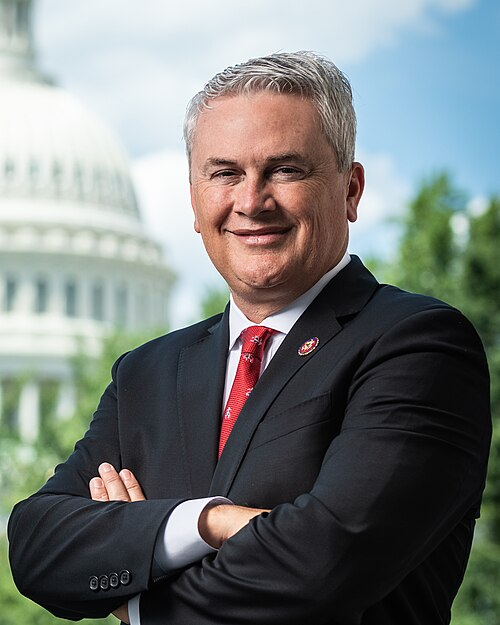
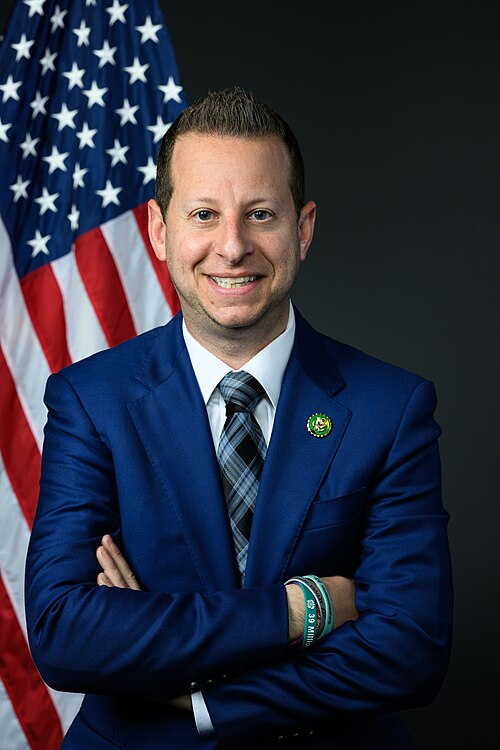
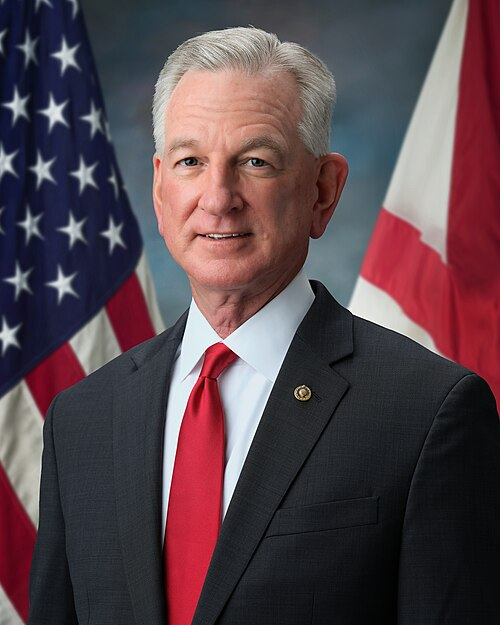
6 bill sponsors
Actions
2 actions
| Date | Action |
|---|---|
| Jun. 02, 2026 | Introduced in House |
| Jun. 02, 2026 | Referred to the House Committee on the Judiciary. |
Corporate Lobbying
0 companies lobbying
None found.
* Note that there can be significant delays in lobbying disclosures, and our data may be incomplete.