
H.R. 9069: Keeping Immigrants and Destinations Safe Act
This bill, titled the "Keeping Immigrants and Destinations Safe Act" (or KIDS Act), introduces several key provisions aimed at reforming how the Department of Homeland Security (DHS) handles the detention of certain vulnerable individuals, specifically children and people with cognitive disabilities, as well as placing limitations on immigration enforcement actions.
Key Provisions
Detention Limitations
The bill prohibits the DHS from detaining:
- Children, defined as individuals in accordance with the Immigration and Nationality Act.
- Individuals with a cognitive disability, which refers to mental impairments that substantially limit important life activities.
- Primary caregivers of children or individuals with cognitive disabilities.
Any detention that does occur under specific exceptions must involve timely notification of a parent or legal guardian, and the DHS must report it to Congress within 24 hours.
Child and Caregiver Release Protocols
If a minor or an individual with a cognitive disability is improperly detained, the DHS is required to prioritize their prompt release to:
- A parent or legal guardian.
- A designated caregiver named by the parent or guardian.
- Child protective services or appropriate authorities.
The bill also emphasizes the importance of considering the best interests of the child in all release decisions.
Sensitive Locations
The bill prohibits immigration enforcement actions from occurring within 1,000 feet of specific “sensitive locations,” which include:
- Healthcare facilities (e.g., hospitals, clinics).
- Schools and educational institutions (e.g., public and private schools, universities).
- Childcare facilities and recreational places for children.
- Emergency assistance sites (e.g., disaster relief locations).
- Places of worship.
- Public assistance offices (e.g., unemployment offices).
- Courthouses and government buildings.
- Polling places during elections.
This section aims to protect individuals from immigration actions in areas where sensitive services are being provided.
Exceptions to Restrictions
The bill includes exceptions for enforcement actions conducted under valid criminal warrants, so DHS can still act when there is a court-issued warrant for criminal activity.
Remedies for Violations
- Information gathered during illegal enforcement actions cannot be used in removal proceedings.
- Individuals subjected to wrongful enforcement can file motions for relief from any removal proceedings.
- Individuals wrongfully detained must be released.
- Those wrongfully detained are entitled to protections in line with section 240 of the immigration law.
Overall Implications
The bill aims to ensure the protection of vulnerable populations and restricts the authority of the DHS in situations where the well-being of children and individuals with cognitive disabilities is at risk. By establishing clear definitions and protocols, it seeks to create a more compassionate approach to immigration enforcement.
Relevant Companies
None found.
This is an AI-generated summary of the bill text. There may be mistakes.
Sponsors
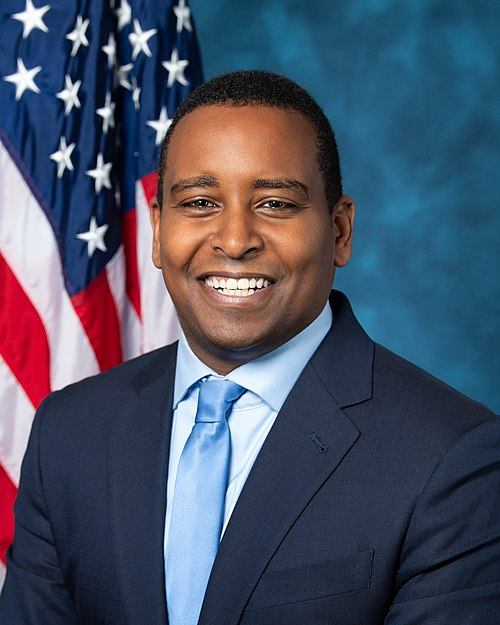
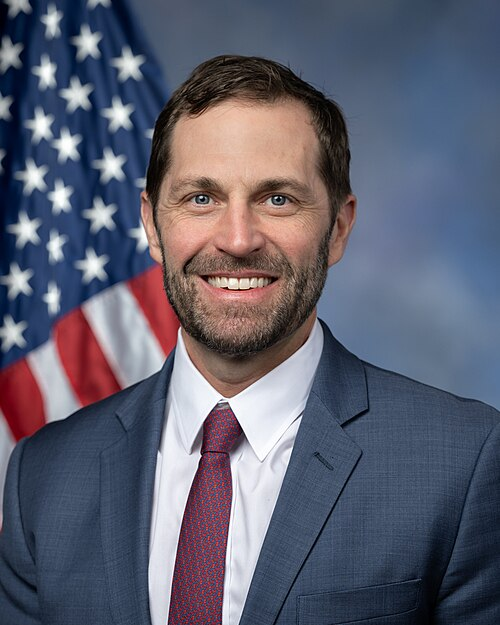
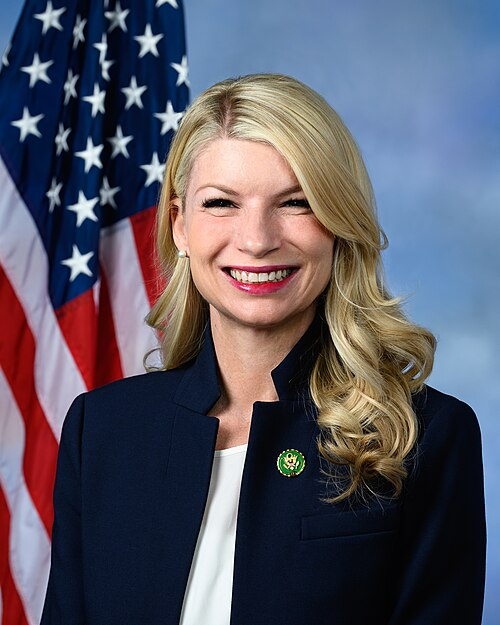
4 bill sponsors

Actions
2 actions
| Date | Action |
|---|---|
| May. 29, 2026 | Introduced in House |
| May. 29, 2026 | Referred to the House Committee on the Judiciary. |
Corporate Lobbying
0 companies lobbying
None found.
* Note that there can be significant delays in lobbying disclosures, and our data may be incomplete.
Potentially Relevant Congressional Stock Trades
No relevant congressional stock trades found.