
H.R. 9068: Training, Responsibility, Uniforms, and Standards for Transparency Act
This bill, known as the Training, Responsibility, Uniforms, and Standards for Transparency Act (or TRUST Act), aims to enhance the standards and practices concerning immigration enforcement officers and agents in the United States. Here is a breakdown of the key provisions of the bill:
Strengthened Hiring and Screening Standards
The Secretary of Homeland Security is tasked with improving the hiring and screening processes for immigration enforcement officers. This would involve:
- Setting minimum eligibility requirements, such as:
- Applicants must be at least 20 years old at the time of application and at least 21 by the start of training.
- Possession of a high school diploma or an equivalent credential.
- Authorization to live and work in the U.S.
- Undergoing comprehensive background checks that include criminal history, prior service records, checks for history of violence, drug use screenings, and reviews of social media for evidence of bias or extremism.
Uniform and Identification Regulations
The bill stipulates strict requirements for uniforms and identification for Department of Homeland Security personnel, including:
- All uniformed personnel must maintain a serviceable uniform and necessary equipment.
- Uniforms must be clean, neat, and professionally pressed, with inspections by supervisors to ensure compliance.
- Civilian clothing cannot be worn in combination with any part of the uniform.
- Officers must have and display an official identification card while on duty.
Body-Worn Cameras
Each immigration enforcement officer must wear a body camera when interacting with the public. Key requirements include:
- Body cameras must be activated during specific law enforcement activities.
- There are provisions for privacy notifications when recording individuals.
- Failure to activate the camera properly could imply misconduct in legal proceedings.
- All recordings must be retained for specified periods, especially those involving use of force or complaints.
- Unedited recordings must be publicly released following incidents of misconduct or serious injury within specified time frames.
Specialized Training Requirements
All immigration enforcement officers are required to complete specialized training with an emphasis on:
- Identity verification procedures to prevent wrongful detentions.
- De-escalation techniques to ensure public safety during enforcement operations.
- Access language training to assist individuals with limited English proficiency.
- Recognizing and responding to medical emergencies and disabilities.
- Understanding constitutional protections related to immigration enforcement activities.
Consequences for Misconduct
The bill establishes penalties for officers who fail to activate their cameras or tamper with recordings. These consequences may include:
- Disciplinary action up to termination for failing to comply with recording requirements.
- Suspension or revocation of authority for officers found to have intentionally concealed unlawful actions.
Relevant Companies
None found.
This is an AI-generated summary of the bill text. There may be mistakes.
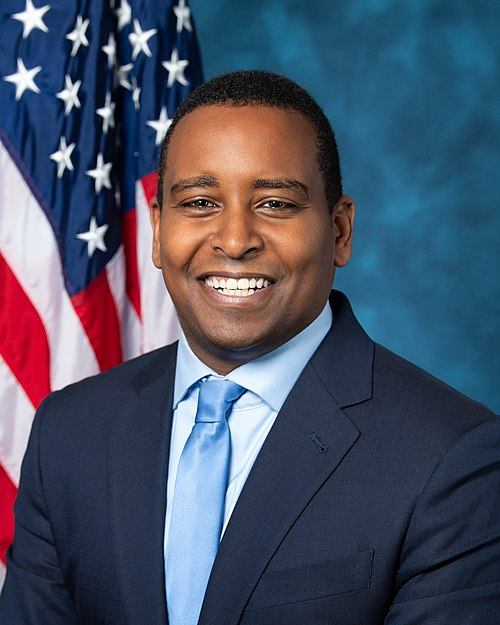
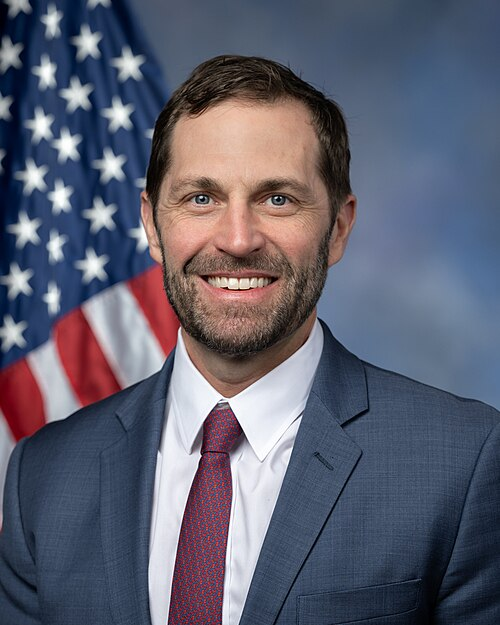
Sponsors
4 bill sponsors


Actions
3 actions
| Date | Action |
|---|---|
| Jul. 07, 2026 | Referred to the Subcommittee on Border Security and Enforcement. |
| May. 29, 2026 | Introduced in House |
| May. 29, 2026 | Referred to the Committee on the Judiciary, and in addition to the Committees on Homeland Security, and Ways and Means, for a period to be subsequently determined by the Speaker, in each case for consideration of such provisions as fall within the jurisdiction of the committee concerned. |
Corporate Lobbying
0 companies lobbying
None found.
* Note that there can be significant delays in lobbying disclosures, and our data may be incomplete.
Potentially Relevant Congressional Stock Trades
No relevant congressional stock trades found.