H.R. 9058: Residential AED and CPR Preparedness Act of 2026
The Residential AED and CPR Preparedness Act of 2026 aims to enhance the availability of automated external defibrillators (AEDs) and cardiopulmonary resuscitation (CPR) training in federally assisted multifamily housing. Here’s a breakdown of the key components of the bill:
Grant Program
The bill establishes a grant program under the Public Health Service Act that allows the Secretary of Health and Human Services to provide funding to certain eligible entities. These entities can develop and implement programs designed to improve access to AEDs and CPR in multifamily housing units that receive federal assistance.
Activities Funded by Grants
Entities receiving these grants may use the funds for the following activities:
- Comprehensive Program Development: Creating educational materials and strategies to establish AED and CPR programs.
- Training Support: Offering training programs for residents, property managers, maintenance staff, and relevant individuals.
- Emergency Response Plans: Developing specific cardiac emergency response plans for each residential complex.
- AED Purchases: Buying AEDs that meet federal safety standards.
- Maintenance of AEDs: Covering costs for battery replacements and maintenance in compliance with AED guidelines.
- Replacement of Outdated Equipment: Updating older AEDs, CPR supplies, and educational resources.
Eligibility Criteria
To qualify for grants, entities must:
- Be the owner or operator of federally assisted multifamily housing.
- Collaborate with a qualified healthcare entity that assists in developing and providing the necessary programs.
Application Process
Eligible entities must submit an application to the Secretary, following guidelines that the Secretary establishes.
Consultation Requirements
The Secretary is required to consult with a range of stakeholders, including:
- Secretary of Housing and Urban Development
- Heads of health service agencies
- Emergency medical services organizations
- Public health and medical professional associations
- Organizations focused on cardiovascular health and AED training
- State, tribal, and local public health and housing agencies
- Other relevant stakeholders
Reporting Obligations
Within two years of the first grant being awarded, the Secretary must report to Congress on the program's implementation. This report will include:
- A list of all eligible entities that received grants
- Actions taken by each entity to improve AED and CPR readiness
Definitions
The bill defines key terms such as:
- Eligible federally assisted multifamily housing: Residential buildings with at least five units that receive federal assistance through various housing programs.
- Qualified healthcare entity: An entity that is either a public organization or a non-profit that can demonstrate the ability to conduct training and program implementation for AEDs and CPR.
Funding Authorization
The bill authorizes $25 million each year from fiscal years 2027 to 2031 to carry out the grant program. The funds will remain available until utilized.
Relevant Companies
- PH - This company manufactures AEDs and may see increased demand for its products as more housing facilities aim to comply with the new grant provisions.
- BSX - Boston Scientific produces cardiac devices and may engage in partnerships or training programs for CPR and AED deployment.
This is an AI-generated summary of the bill text. There may be mistakes.
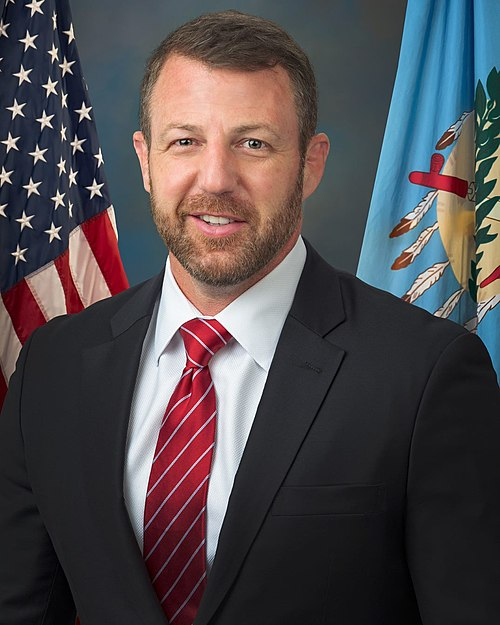
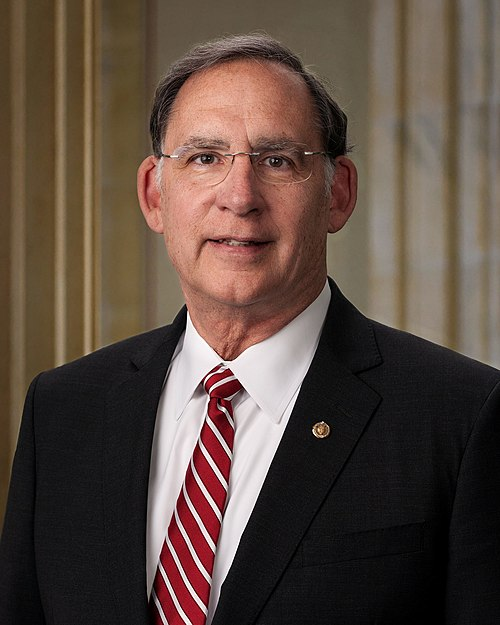
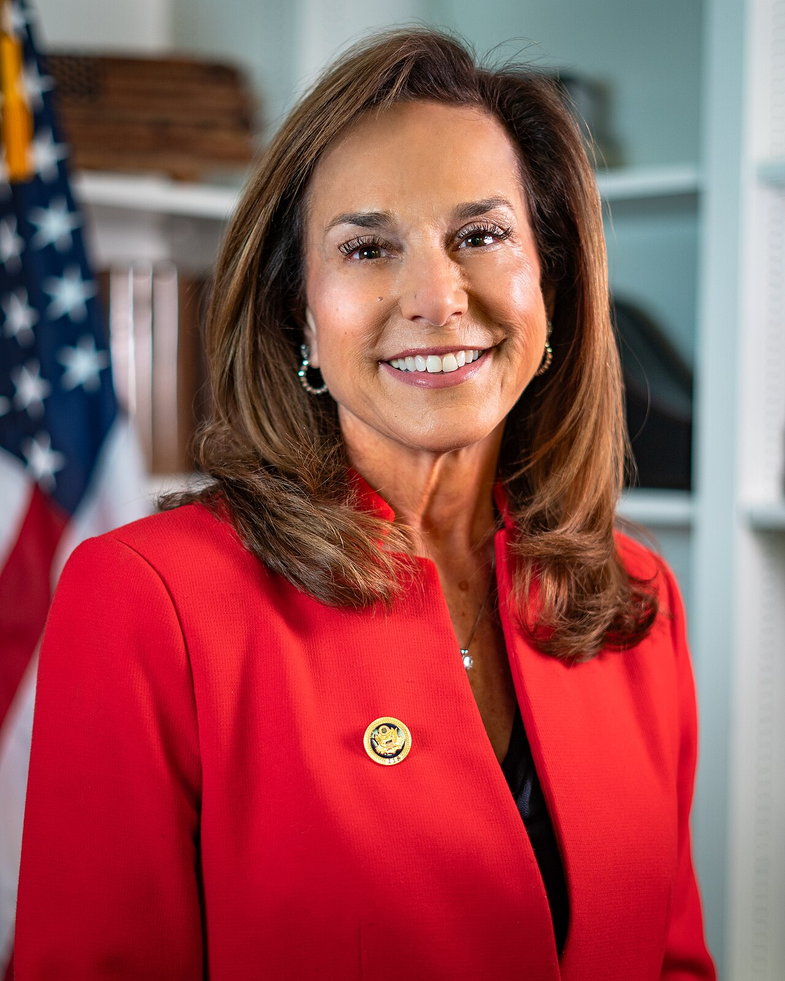
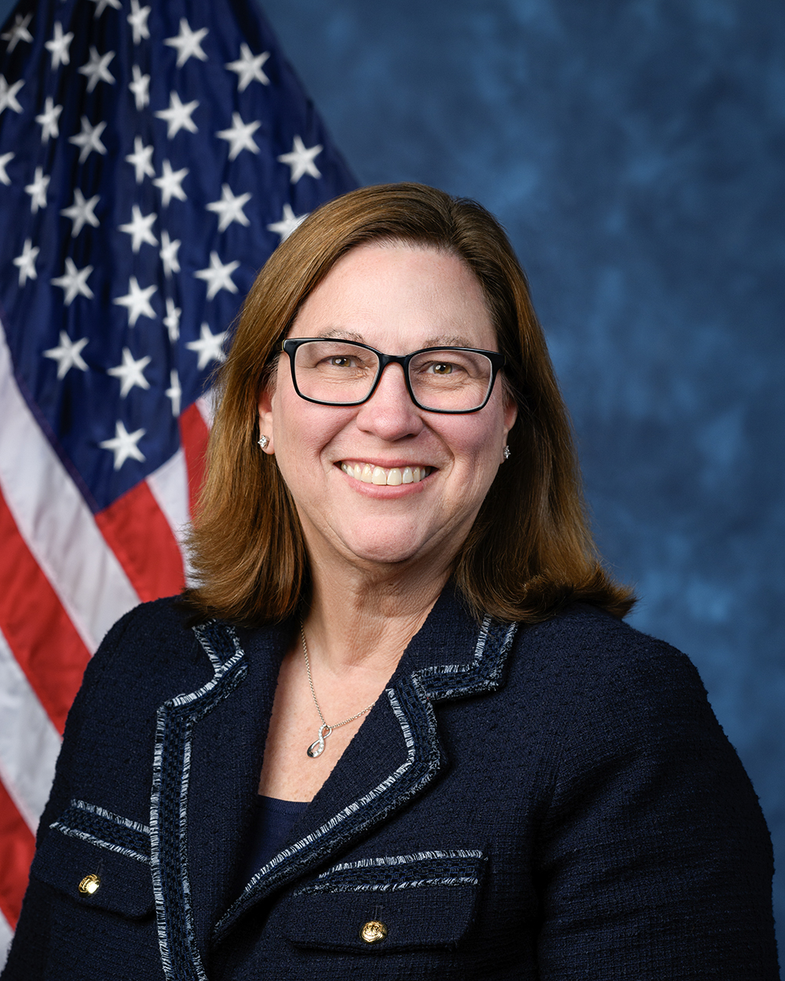
Sponsors
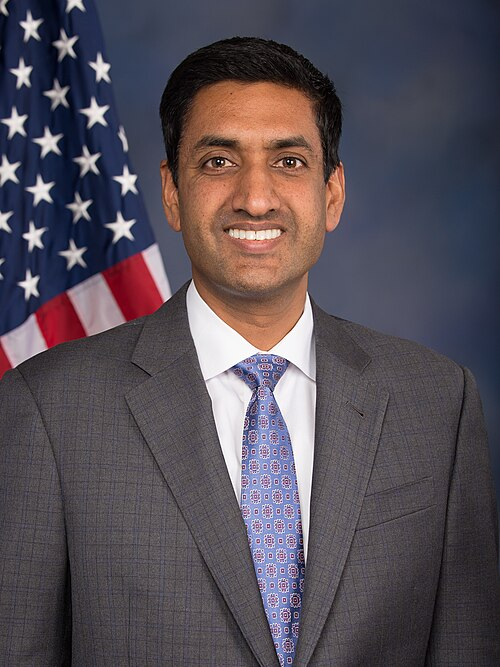
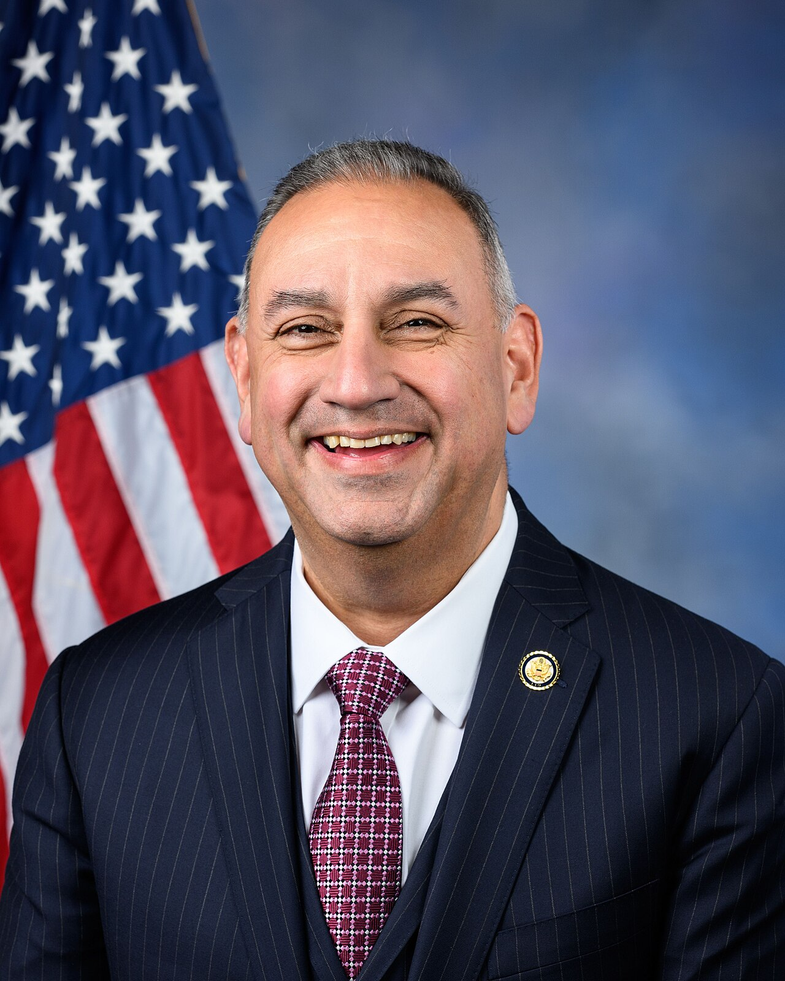
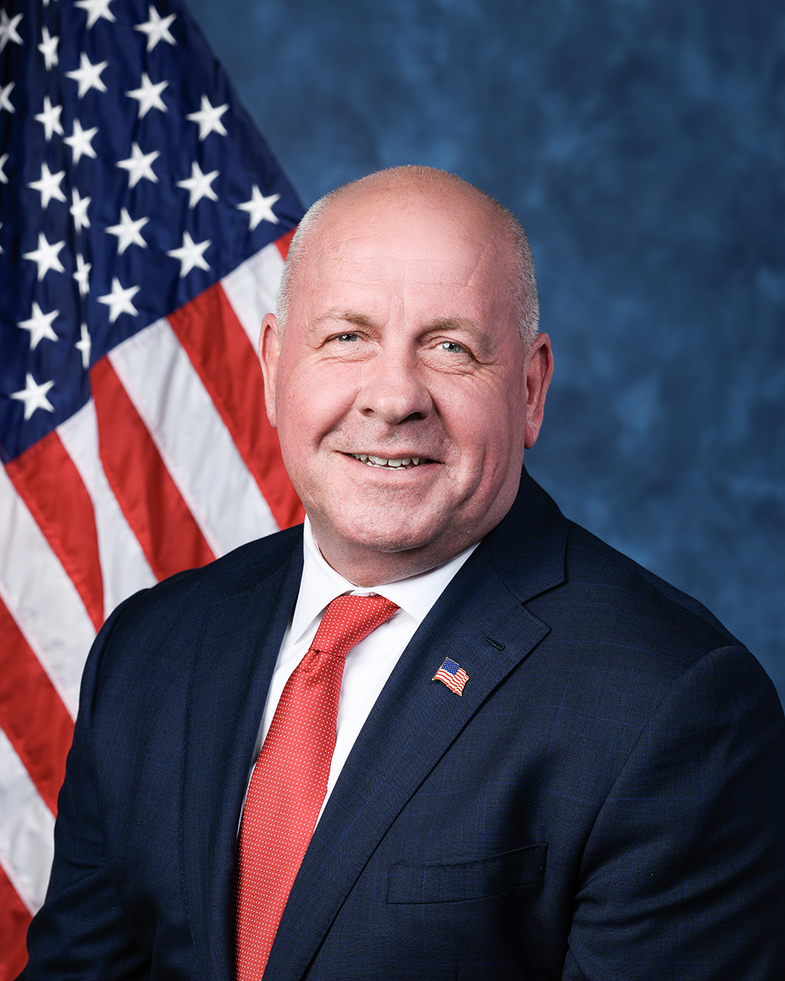
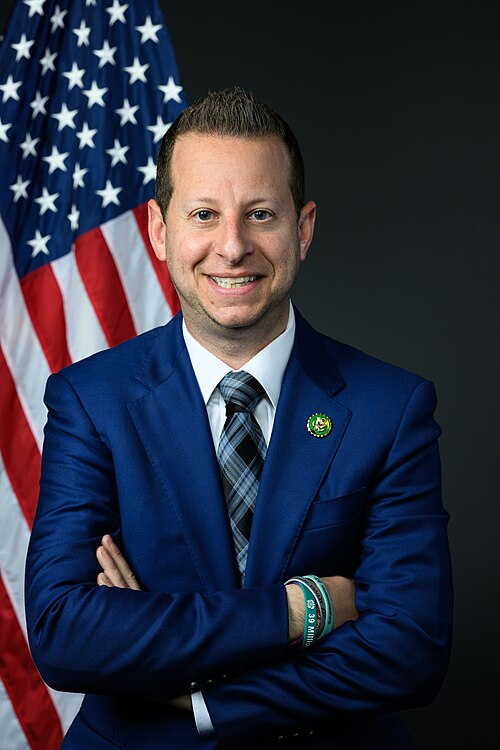
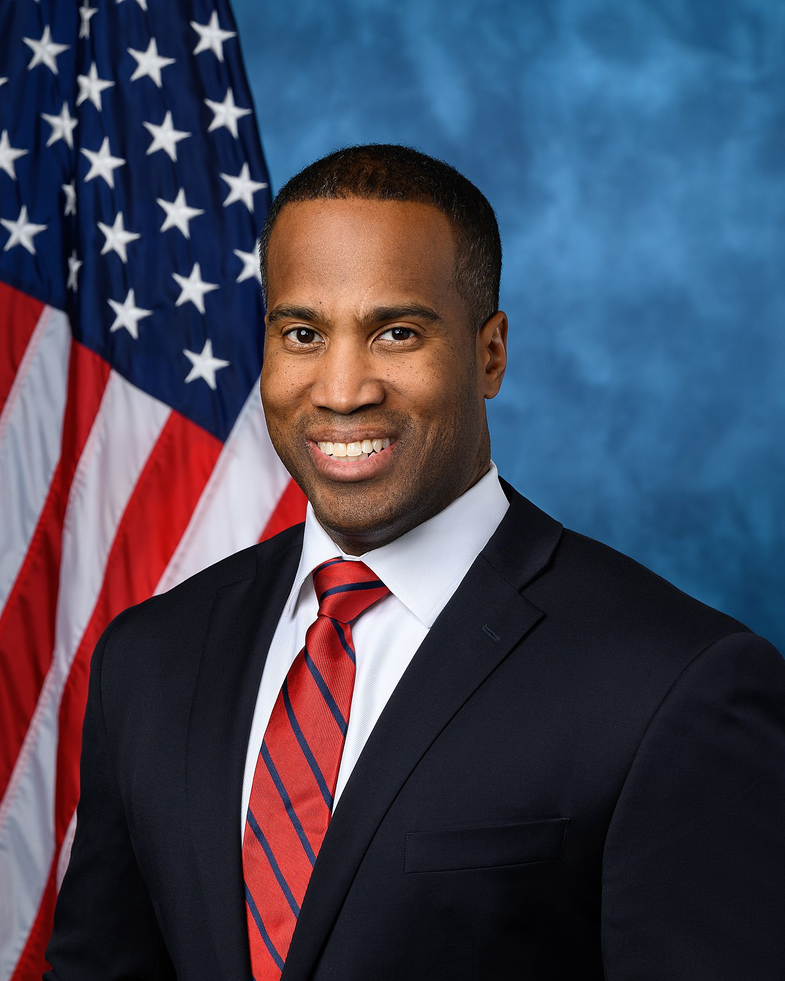
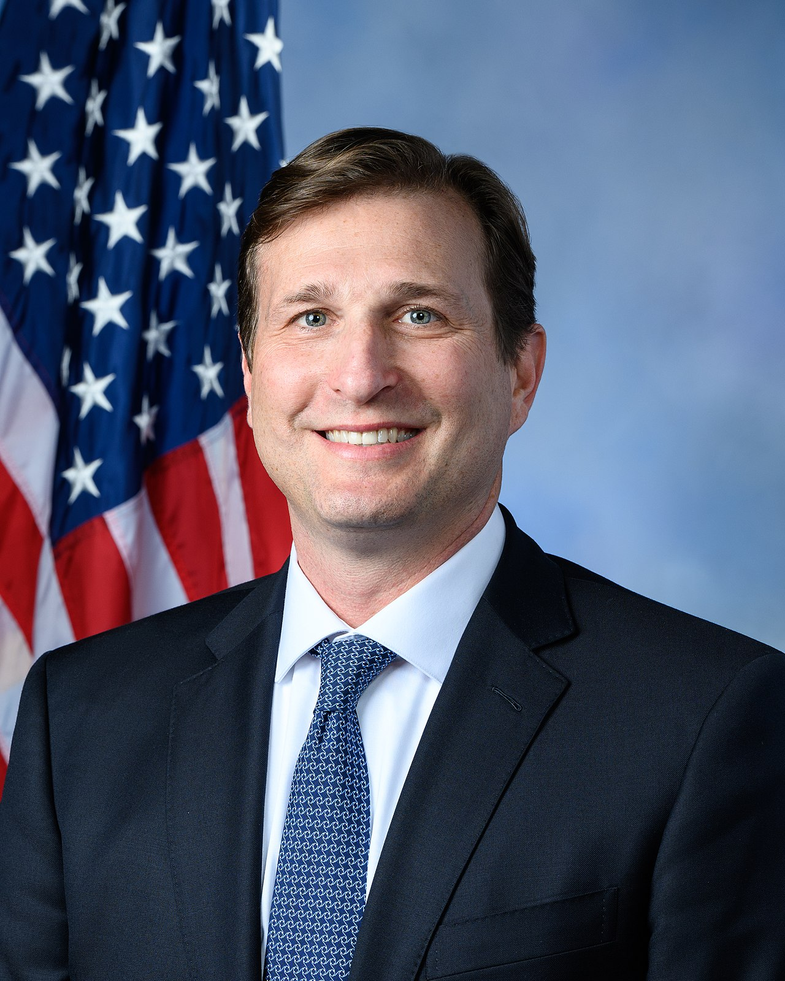
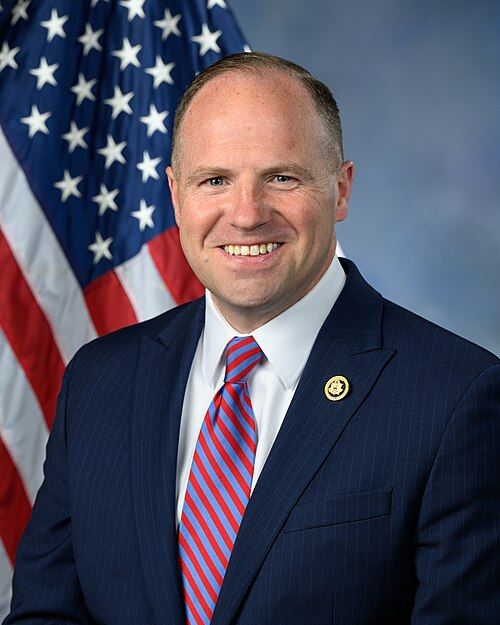
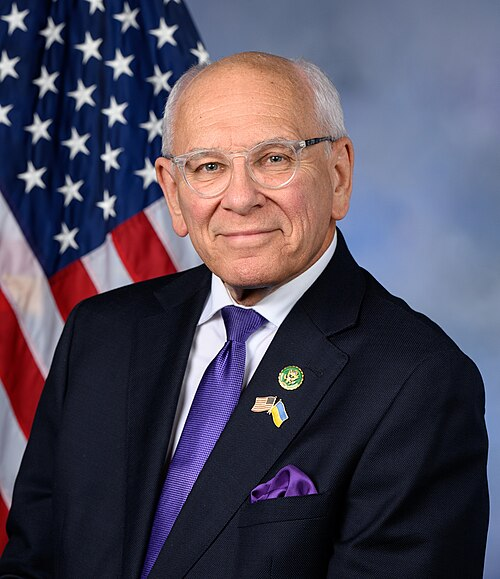
4 bill sponsors

Actions
2 actions
| Date | Action |
|---|---|
| May. 29, 2026 | Introduced in House |
| May. 29, 2026 | Referred to the House Committee on Energy and Commerce. |
Corporate Lobbying
0 companies lobbying
None found.
* Note that there can be significant delays in lobbying disclosures, and our data may be incomplete.