H.R. 9053: Water Assurance and Treaty Enforcement for Rio Grande Farmers Act
This bill, known as the Water Assurance and Treaty Enforcement for Rio Grande Farmers Act, aims to address the delivery of water from Mexico to the United States, as outlined in the 1944 Water Treaty. Here’s a breakdown of what the bill would do:
Key Provisions of the Bill
1. Water Delivery Requirements
The bill establishes a requirement that Mexico must deliver a minimum of **350,000 acre-feet** of water to the United States each year as part of a five-year cycle. This requirement is meant to support agricultural needs in areas reliant on this water, especially in South Texas.
2. Assessment of Shortfalls
After each year in the five-year cycle, the Secretary of State, along with other officials, will determine if Mexico has met its delivery obligations. If a shortfall is identified, that year will be noted as having a water delivery shortfall.
3. Imposing Duties on Imports from Mexico
If Mexico is found to be in a water delivery shortfall, the United States Trade Representative will impose duties on imports from Mexico starting **90 days** after the shortfall determination. The duties will remain in place until it is certified that Mexico has compensated for the shortfalls. Priorities for duties will likely focus on agricultural products and goods produced in areas using water from the Rio Grande.
4. Compensation for Agricultural Producers
The bill creates a **South Texas Agricultural Compensation Trust Fund**. Money collected from the import duties imposed during the shortfall periods will be transferred into this fund. These funds will be used to compensate U.S. agricultural producers who suffer economic losses due to the water delivery shortfalls. The Secretary of Agriculture will calculate the compensation based on the shortfall volume and economic impacts.
5. Data Collection
The bill requires regular, detailed reporting on water delivery under the Treaty, shortfalls, and compliance with economic compensation requirements. This data will be collected by the U.S. Section of the International Boundary and Water Commission in collaboration with various officials.
6. Interaction with Existing Laws
The bill emphasizes that it will be implemented in accordance with the obligations outlined in the 1944 Water Treaty and will not diminish the rights or remedies available under any other federal or state law or international agreements.
Overall Purpose
The overarching goal of the bill is to ensure reliable water delivery to U.S. agricultural areas reliant on the Rio Grande while providing a framework for compensation when shortfalls occur. By establishing clear protocols for monitoring, enforcement, and financial accountability, the bill seeks to protect agricultural producers in South Texas from the economic impacts of water delivery inconsistencies.
Relevant Companies
- DAL (Delta Air Lines, Inc.) - As a major airline that may have operations affected by agricultural economics in regions served by the Rio Grande, any increase in agricultural costs could have indirect effects on travel and cargo logistics.
- CAG (ConAgra Brands, Inc.) - A food company that may be directly impacted by any disruptions in the agricultural supply chain resulting from water shortfalls in the Rio Grande Valley.
This is an AI-generated summary of the bill text. There may be mistakes.
Sponsors
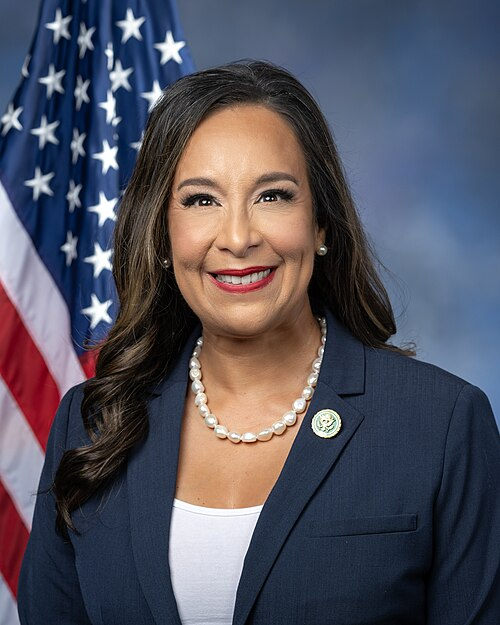
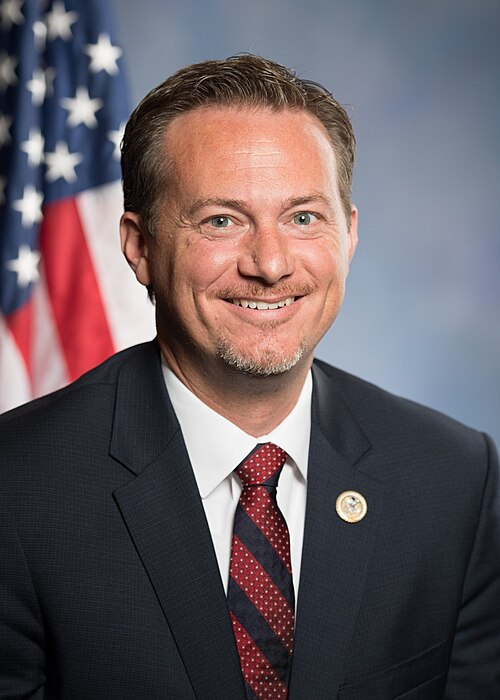
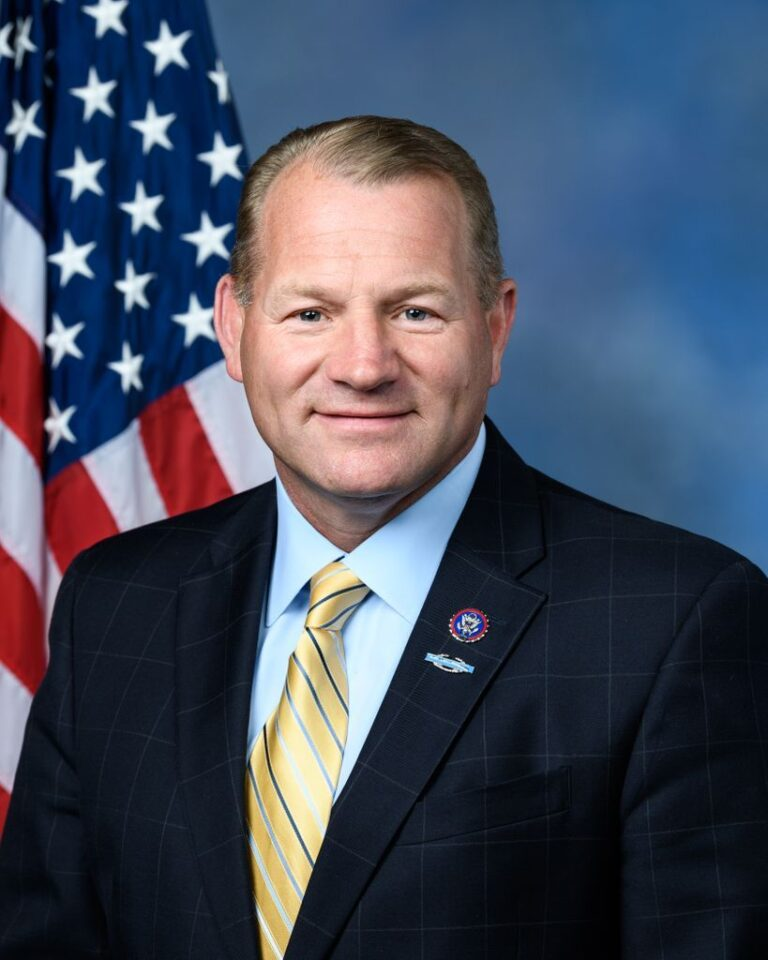
4 bill sponsors
Actions
2 actions
| Date | Action |
|---|---|
| May. 29, 2026 | Introduced in House |
| May. 29, 2026 | Referred to the Committee on Foreign Affairs, and in addition to the Committees on Ways and Means, and Agriculture, for a period to be subsequently determined by the Speaker, in each case for consideration of such provisions as fall within the jurisdiction of the committee concerned. |
Corporate Lobbying
0 companies lobbying
None found.
* Note that there can be significant delays in lobbying disclosures, and our data may be incomplete.