H.R. 9048: Celiac Safety Act of 2026
This bill, known as the Celiac Safety Act of 2026, proposes to amend an existing law, specifically the Federal Food, Drug, and Cosmetic Act, to redefine what constitutes a major food allergen by including gluten-containing grains. Here are the key points:
Definition of Major Food Allergen
The bill aims to add "gluten-containing grain" to the list of major food allergens in the law. Currently, major food allergens recognized include items like milk, eggs, fish, peanuts, and tree nuts. With the amendment, gluten-containing grains, which include:
- Wheat: This includes various species of the genus Triticum.
- Rye: This includes species from the genus Secale.
- Barley: This refers to species in the genus Hordeum.
will be explicitly recognized as allergens. This means that products containing these grains will be subject to stricter labeling requirements, ensuring that consumers who have gluten sensitivities or celiac disease are better informed about what they are consuming.
Implementation Timeline
The changes set forth by this bill will not take effect immediately. The amendment will apply only to food that is introduced or delivered for introduction into interstate commerce starting 18 months after the bill is enacted. This delayed applicability allows food manufacturers and producers time to adjust to the new regulations and update their labeling and safety procedures accordingly.
Summary of Changes
- Inclusion of "gluten-containing grain" in the definition of major food allergens.
- Expand the list of allergens that food producers must label clearly on their products.
- Implementation of these changes will begin 18 months after the bill is signed into law.
Impact on Food Labeling
By altering the definition of major food allergens, the bill aims to enhance food safety and consumer awareness for individuals who are sensitive to gluten. Increased transparency in labeling is intended to help those affected by celiac disease avoid accidentally consuming gluten.
Relevant Companies
- KR (Kroger): As a large grocery retailer, Kroger will need to ensure compliance with the new labeling requirements for gluten-containing products and may need to adjust their branded products.
- CHKP (Check Point Software Technologies): If involved in food safety technology, they may see increased demand for their products related to labeling compliance.
This is an AI-generated summary of the bill text. There may be mistakes.
Sponsors
52 bill sponsors
-
TrackEmanuel Cleaver
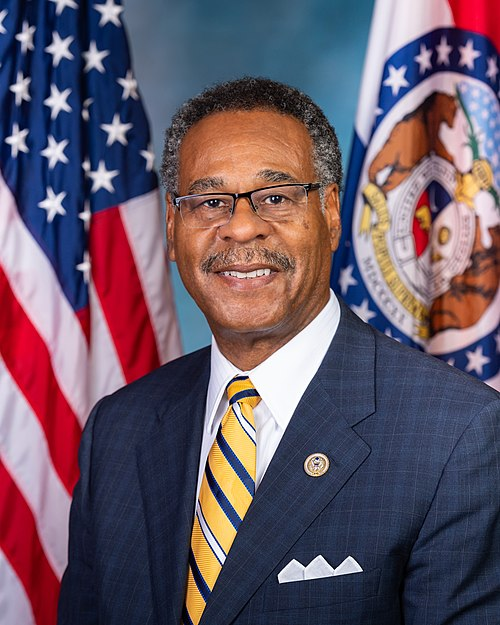
Sponsor
-
TrackNikki Budzinski
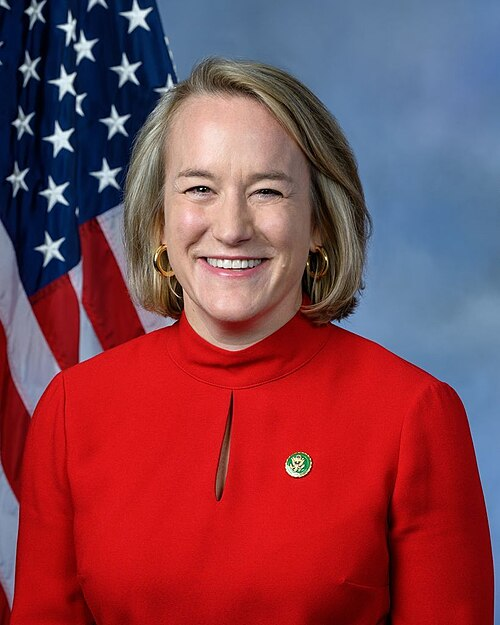
Co-Sponsor
-
TrackSalud O. Carbajal
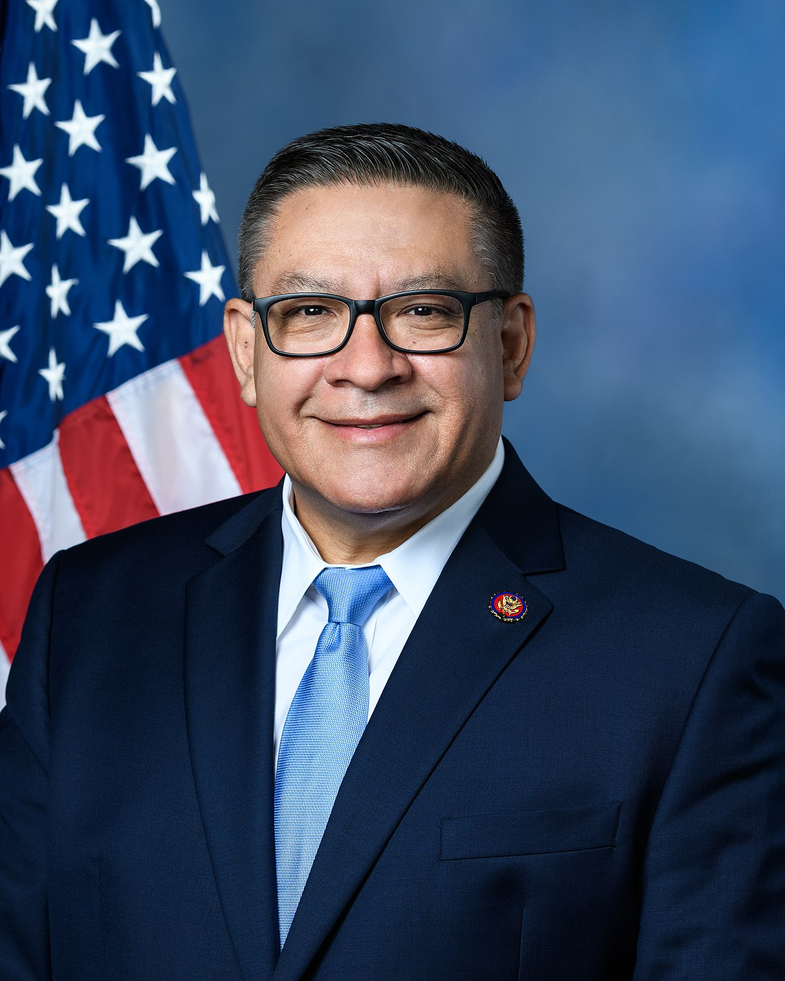
Co-Sponsor
-
TrackAndré Carson
Co-Sponsor
-
TrackYvette D. Clarke
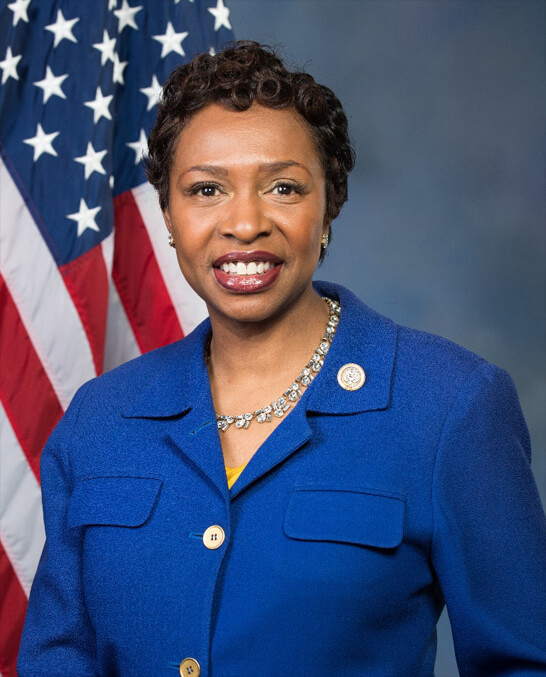
Co-Sponsor
-
TrackSteve Cohen
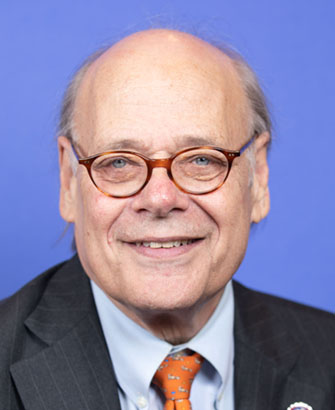
Co-Sponsor
-
TrackAngie Craig
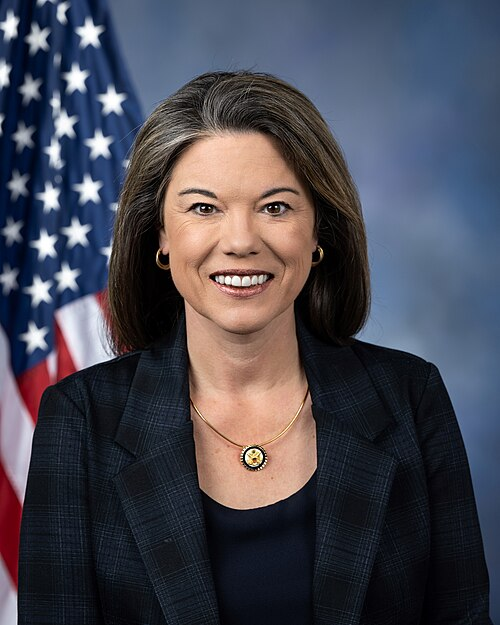
Co-Sponsor
-
TrackMadeleine Dean
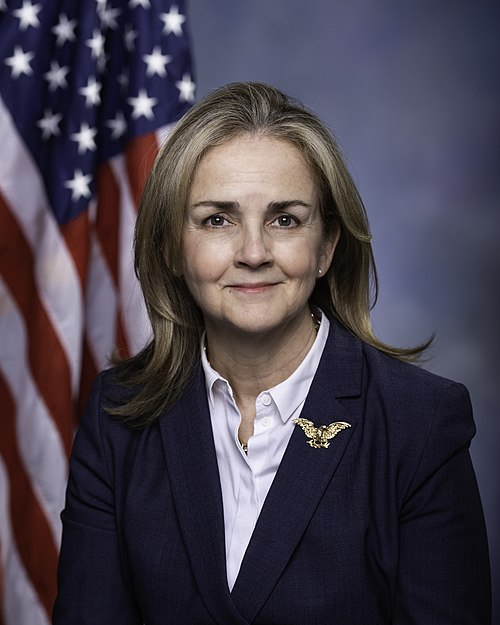
Co-Sponsor
-
TrackSuzan K. DelBene
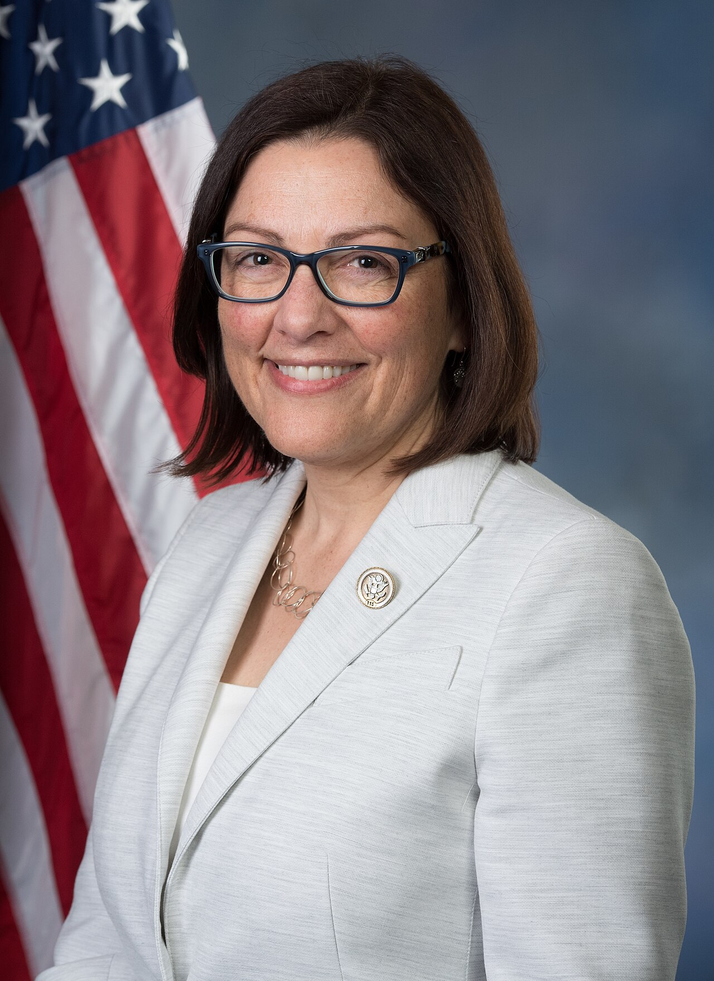
Co-Sponsor
-
TrackDebbie Dingell
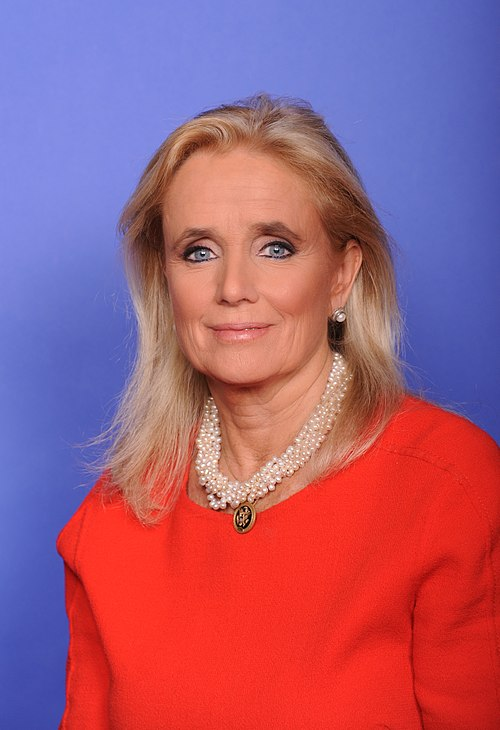
Co-Sponsor
-
TrackLloyd Doggett

Co-Sponsor
-
TrackBrian K. Fitzpatrick
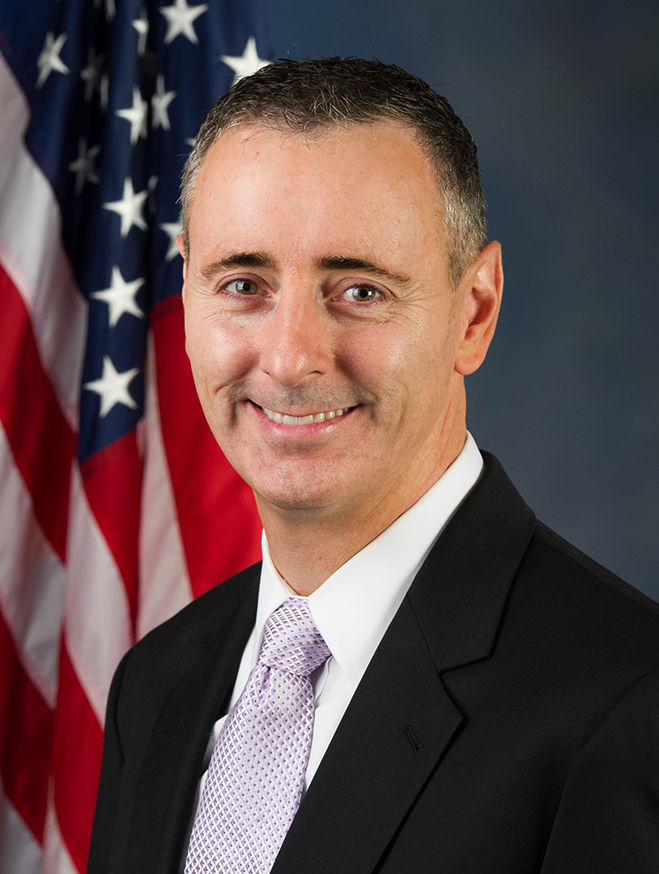
Co-Sponsor
-
TrackLois Frankel
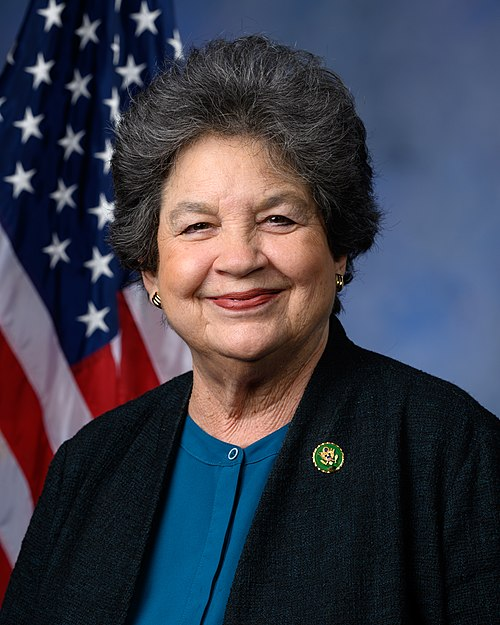
Co-Sponsor
-
TrackMaxwell Frost

Co-Sponsor
-
TrackJohn Garamendi

Co-Sponsor
-
TrackJosh Gottheimer
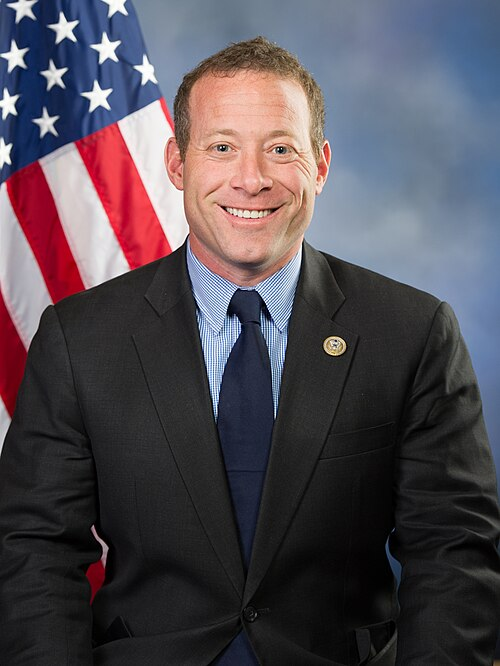
Co-Sponsor
-
TrackJahana Hayes
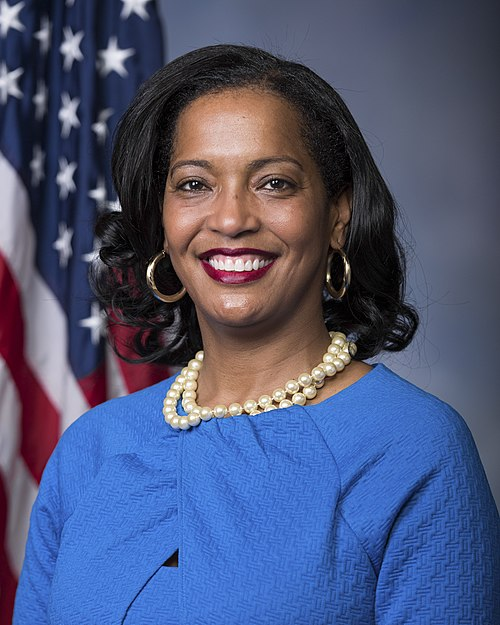
Co-Sponsor
-
TrackTimothy M. Kennedy
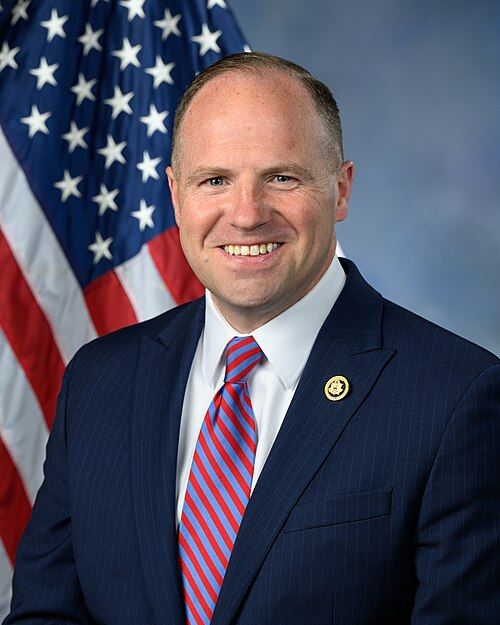
Co-Sponsor
-
TrackJennifer Kiggans
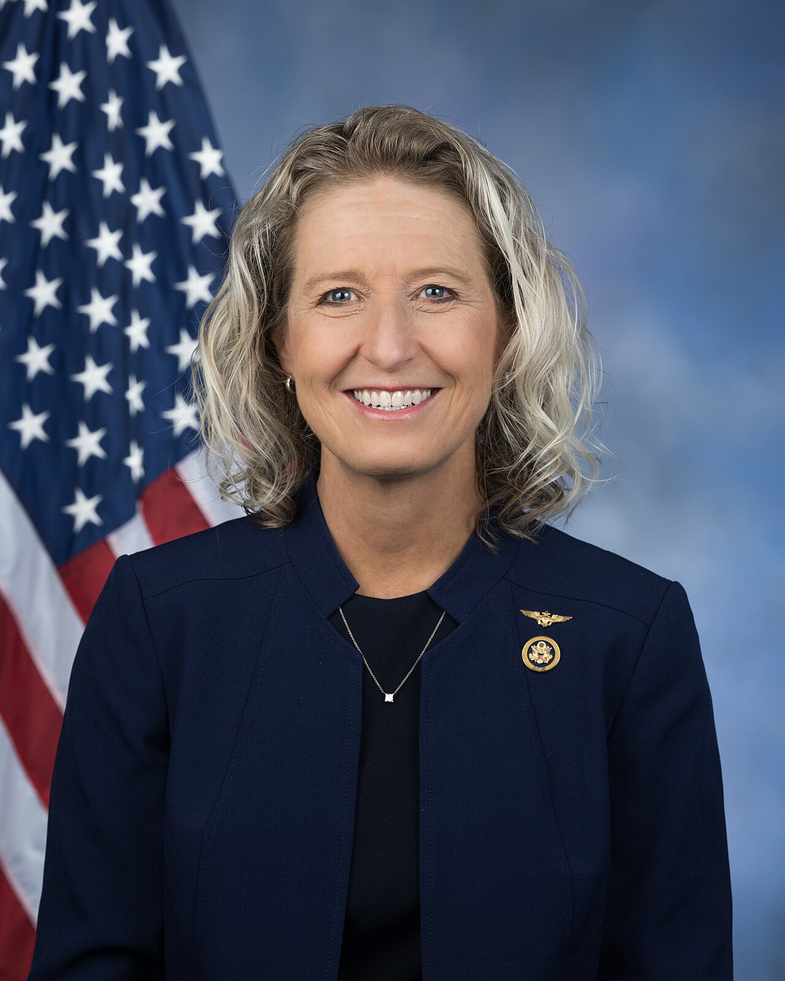
Co-Sponsor
-
TrackGeorge Latimer
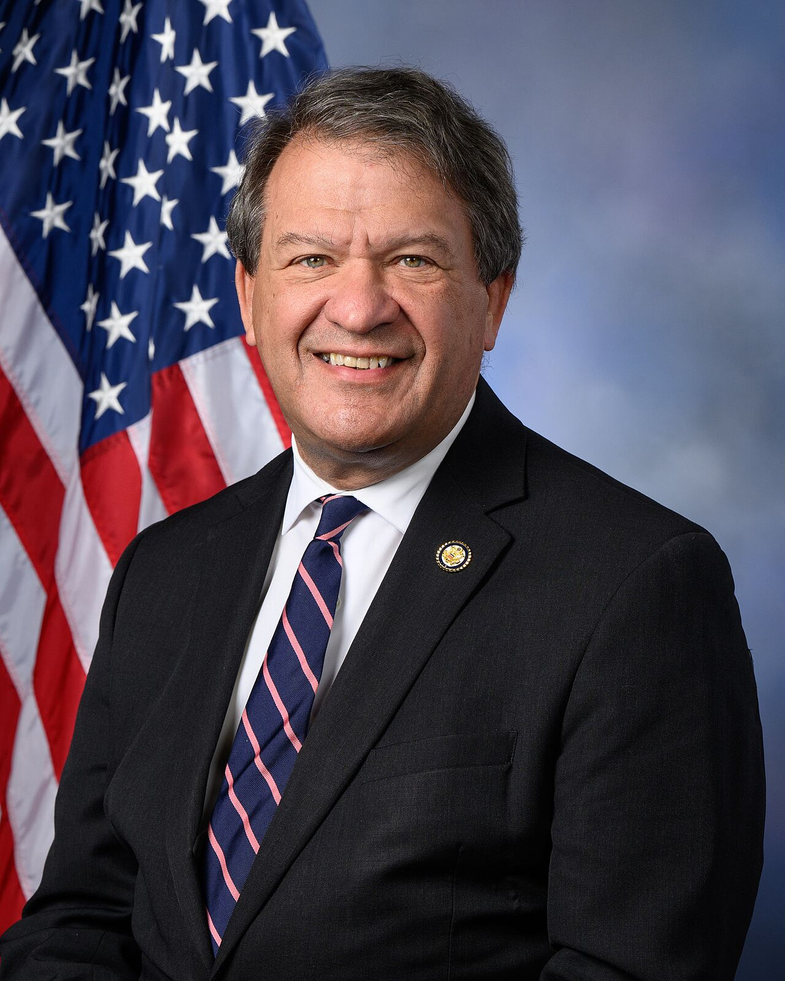
Co-Sponsor
-
TrackMichael Lawler
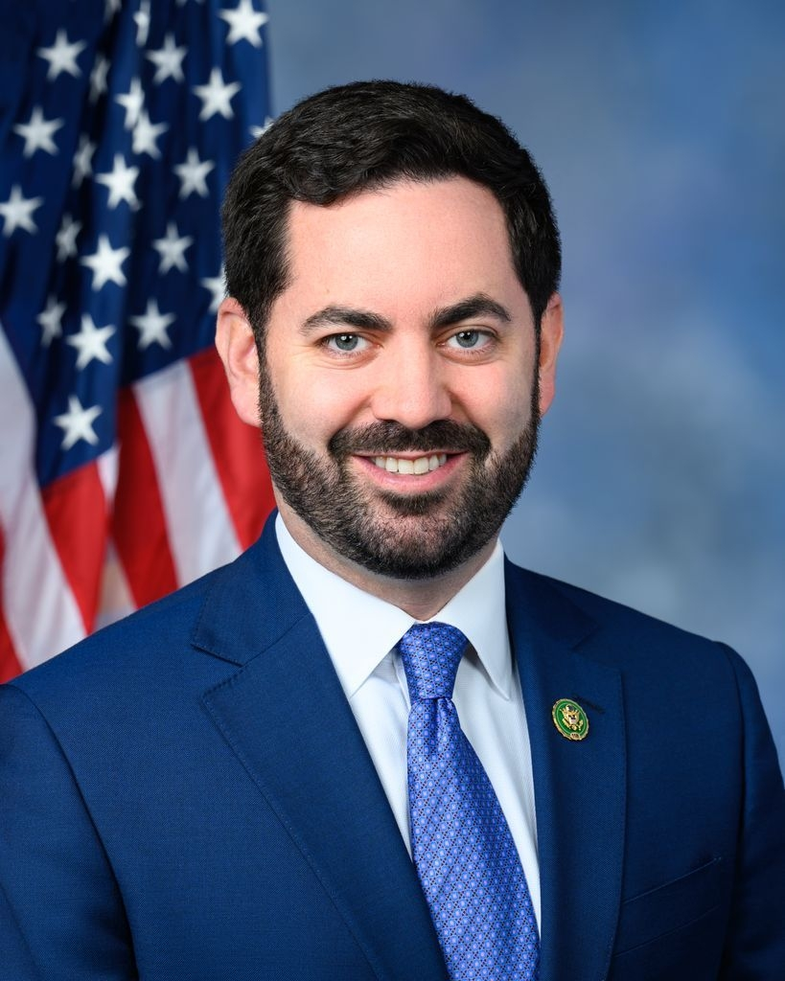
Co-Sponsor
-
TrackTed Lieu
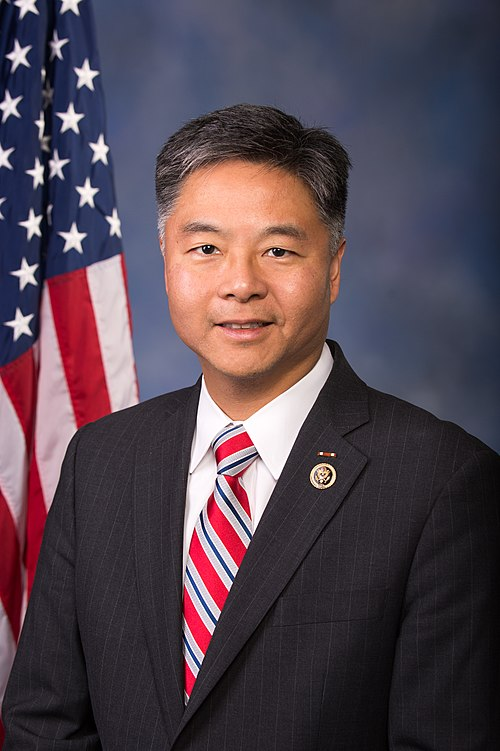
Co-Sponsor
-
TrackZoe Lofgren
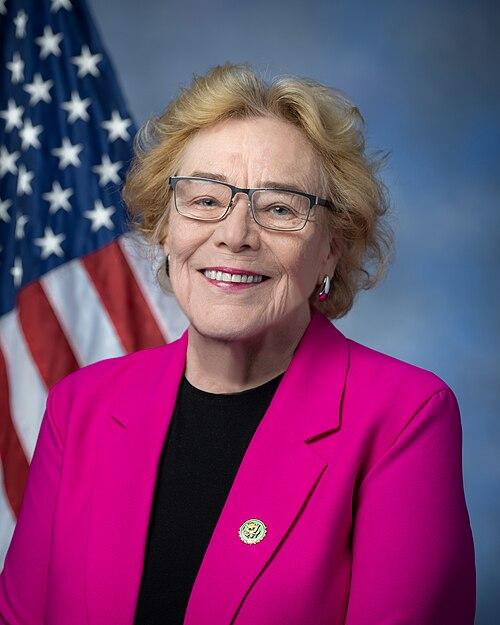
Co-Sponsor
-
TrackJohn Mannion
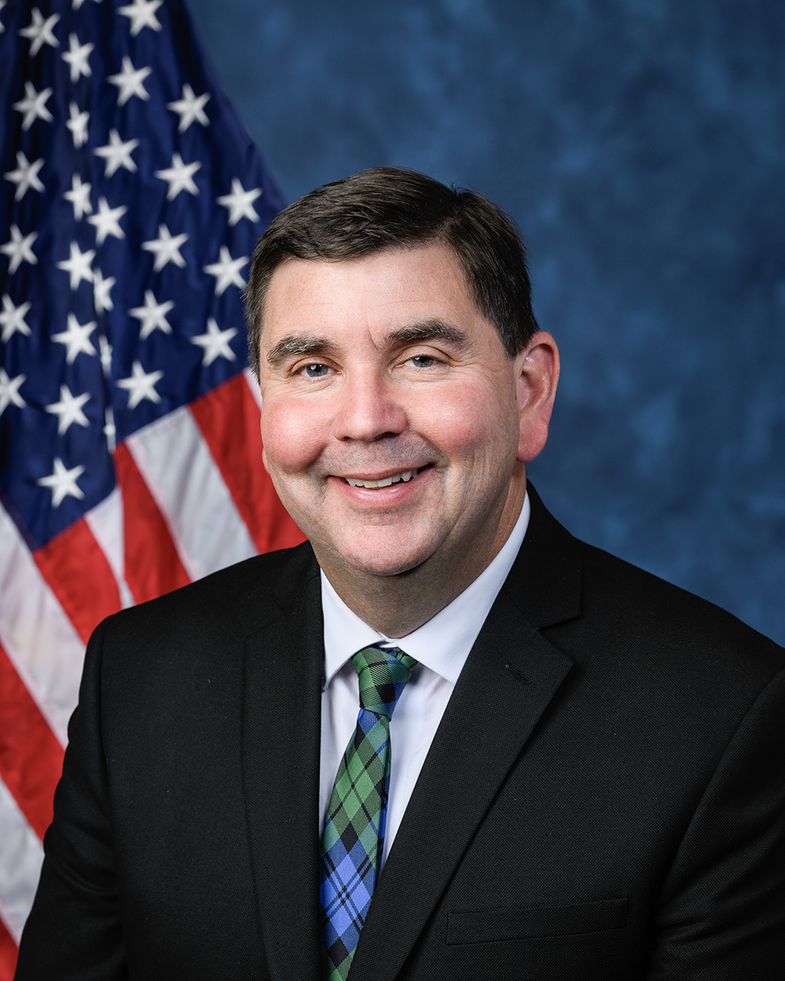
Co-Sponsor
-
TrackBetty McCollum
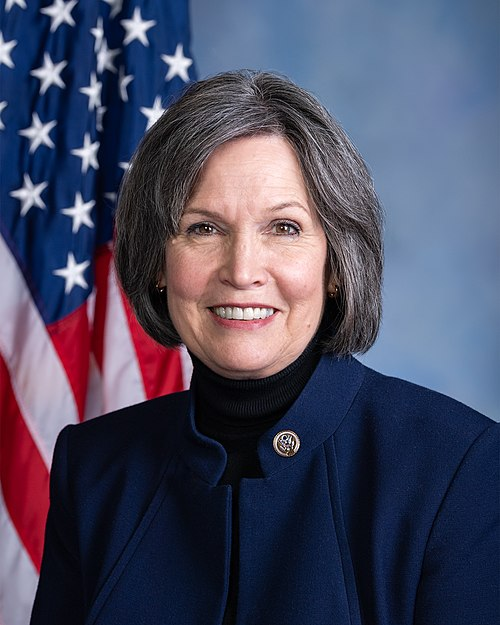
Co-Sponsor
-
TrackGwen Moore
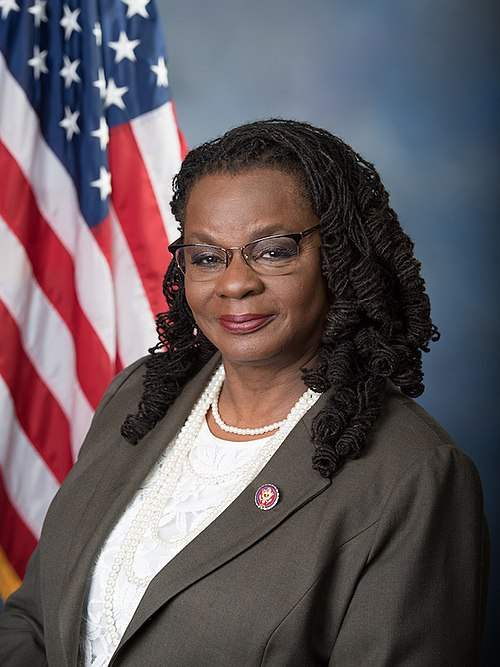
Co-Sponsor
-
TrackJoseph D. Morelle
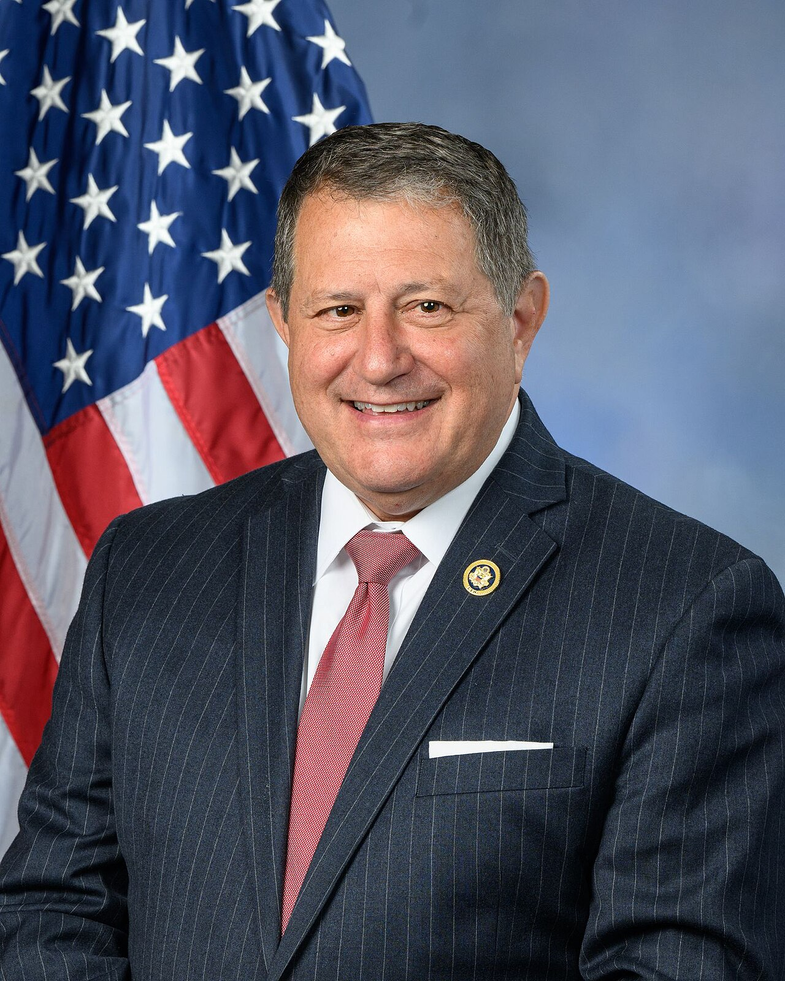
Co-Sponsor
-
TrackKevin Mullin
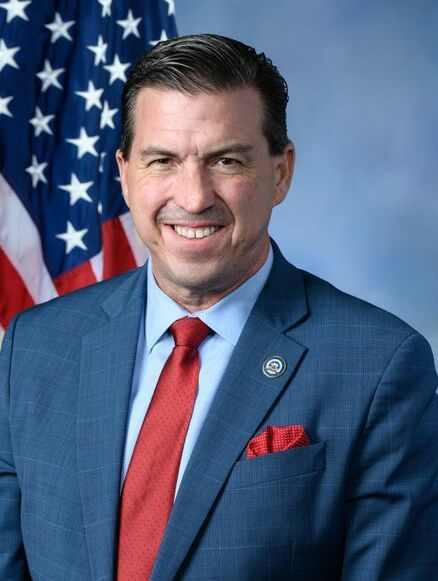
Co-Sponsor
-
TrackJerrold Nadler
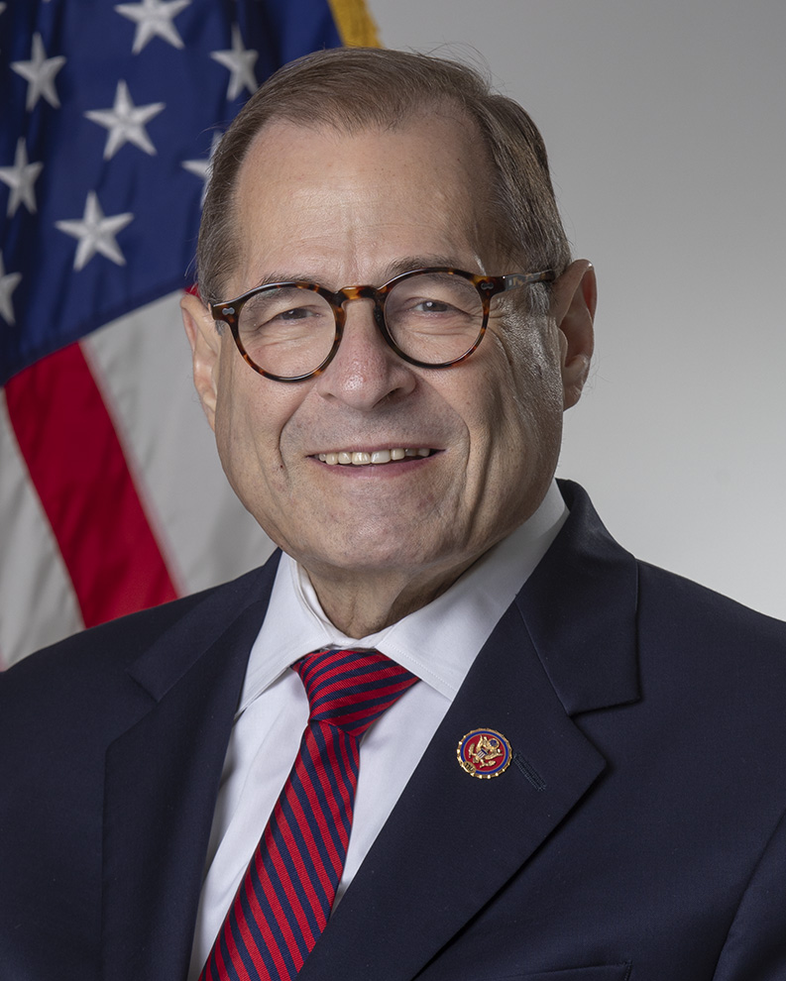
Co-Sponsor
-
TrackEleanor Holmes Norton
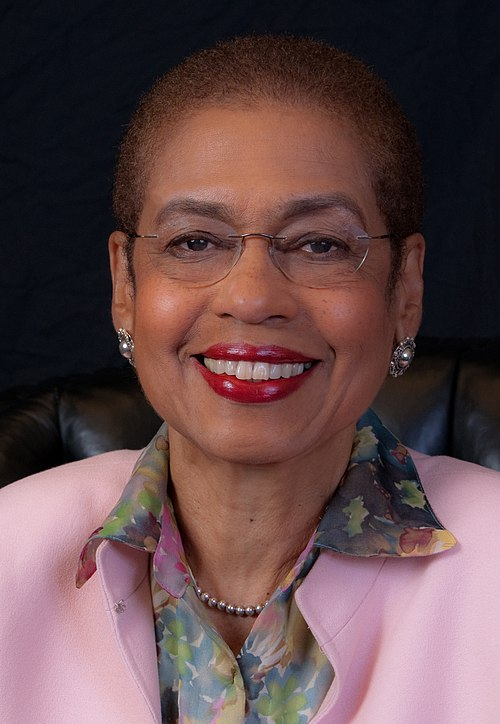
Co-Sponsor
-
TrackJohnny Olszewski
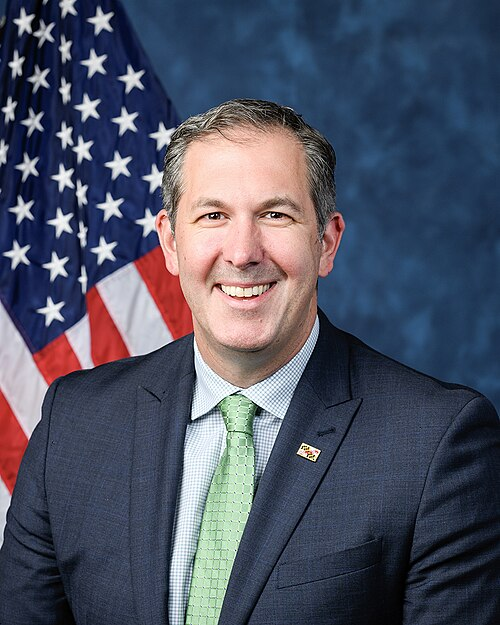
Co-Sponsor
-
TrackJimmy Panetta
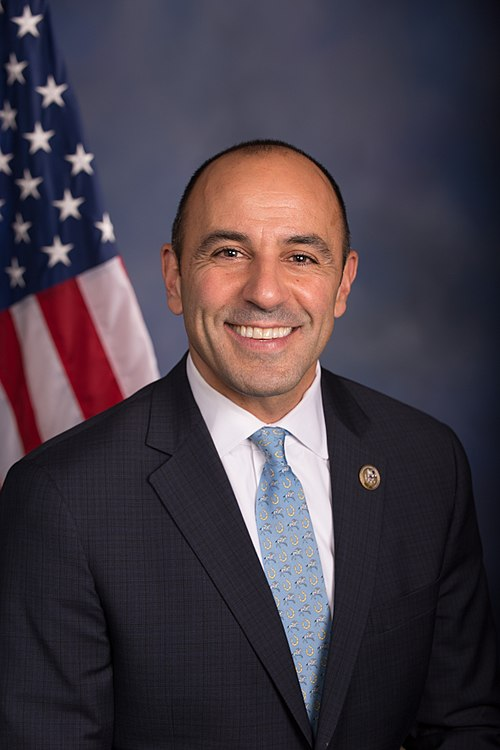
Co-Sponsor
-
TrackAugust Pfluger
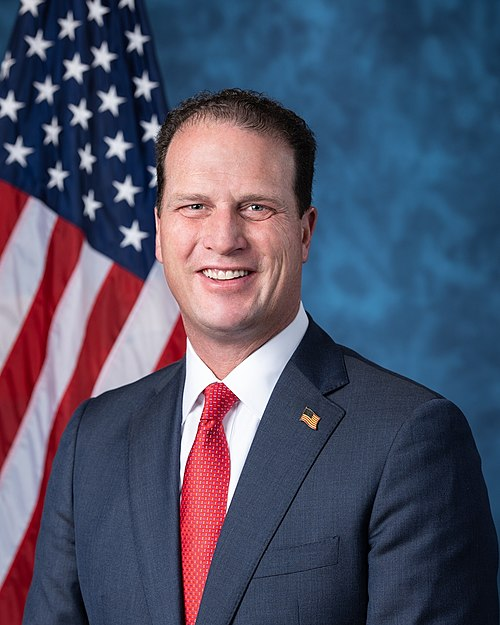
Co-Sponsor
-
TrackMike Quigley
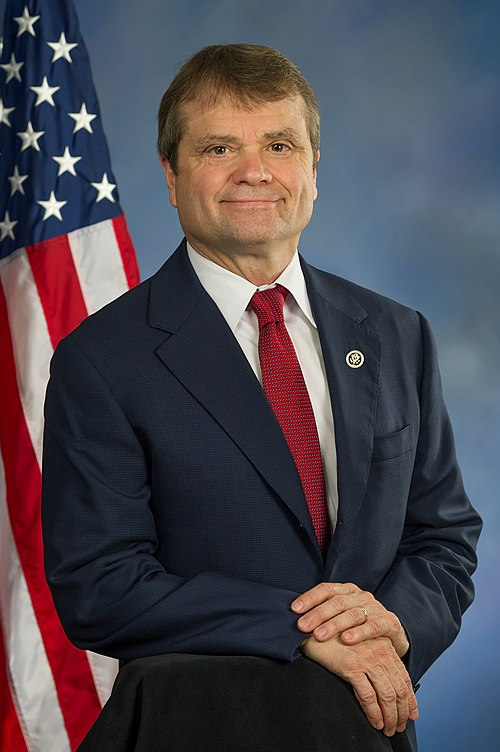
Co-Sponsor
-
TrackEmily Randall
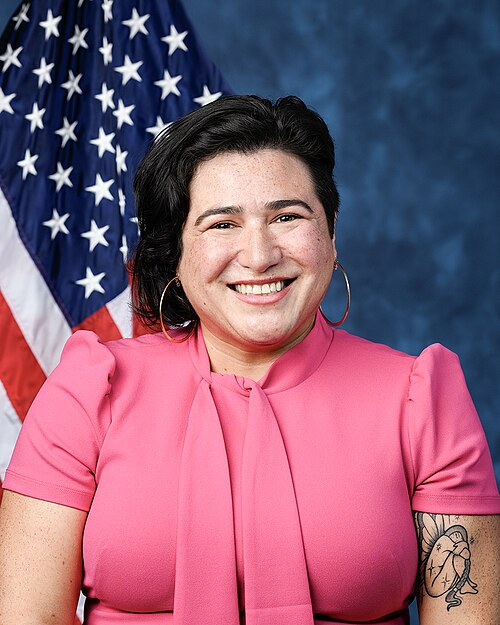
Co-Sponsor
-
TrackJosh Riley
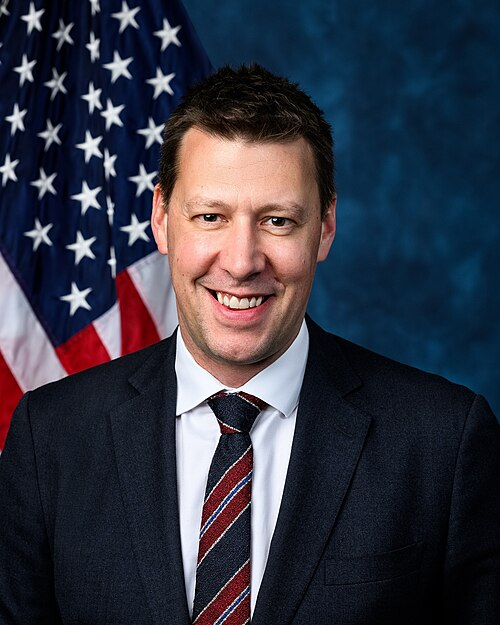
Co-Sponsor
-
TrackDeborah K. Ross
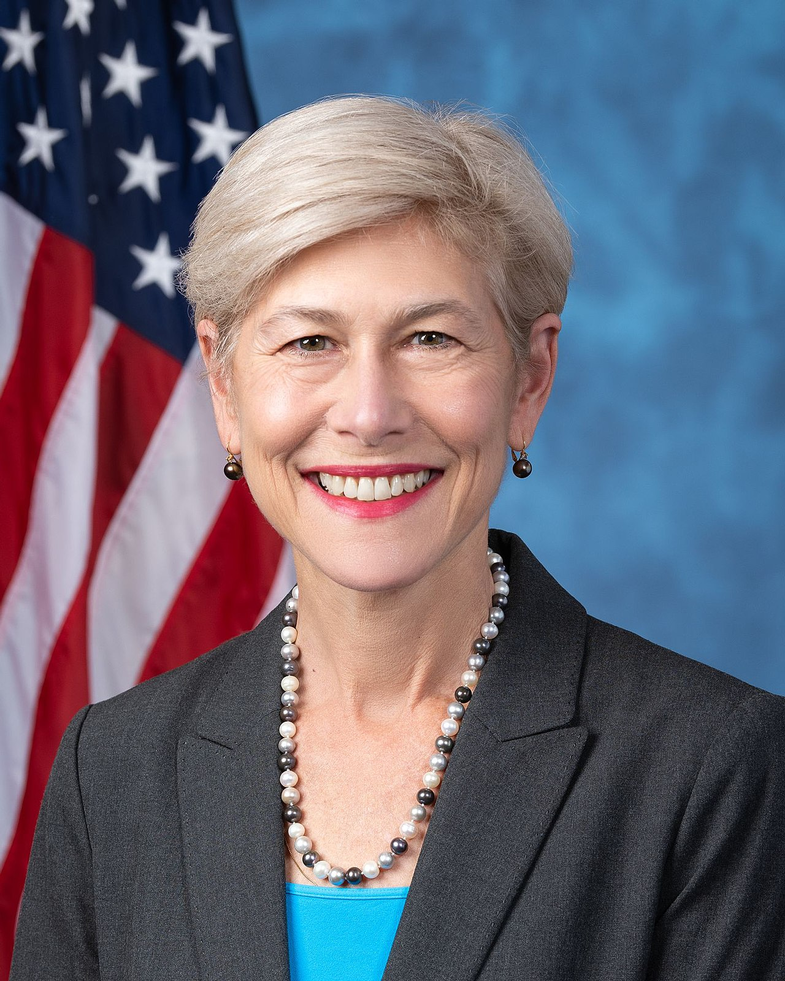
Co-Sponsor
-
TrackMichael A. Rulli
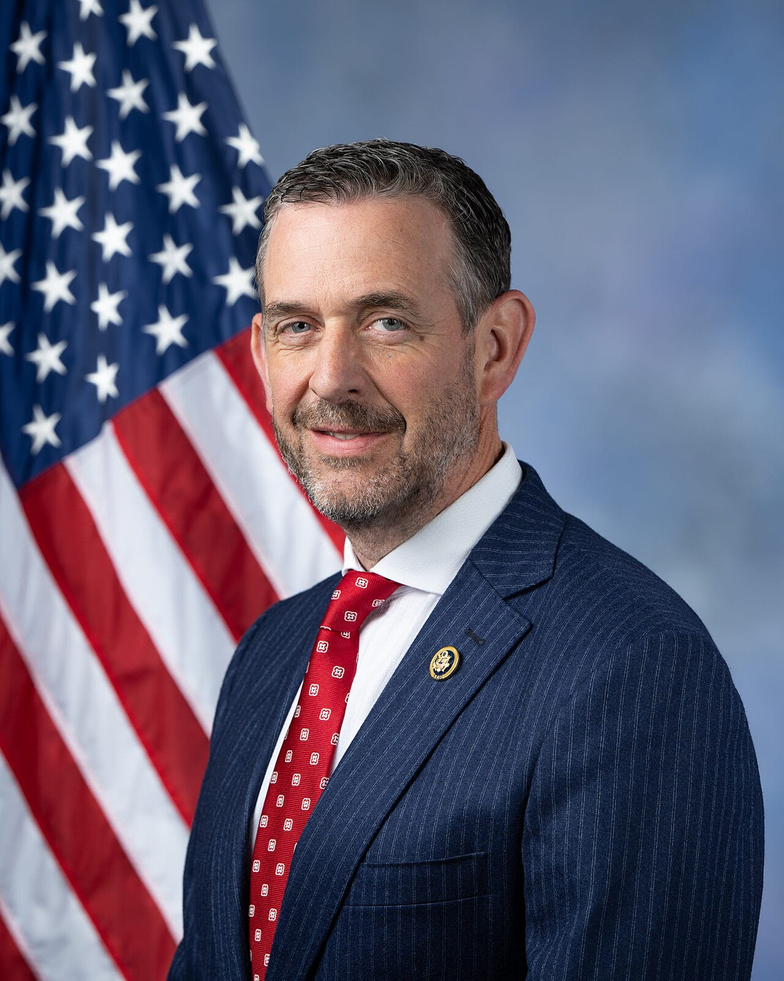
Co-Sponsor
-
TrackKim Schrier
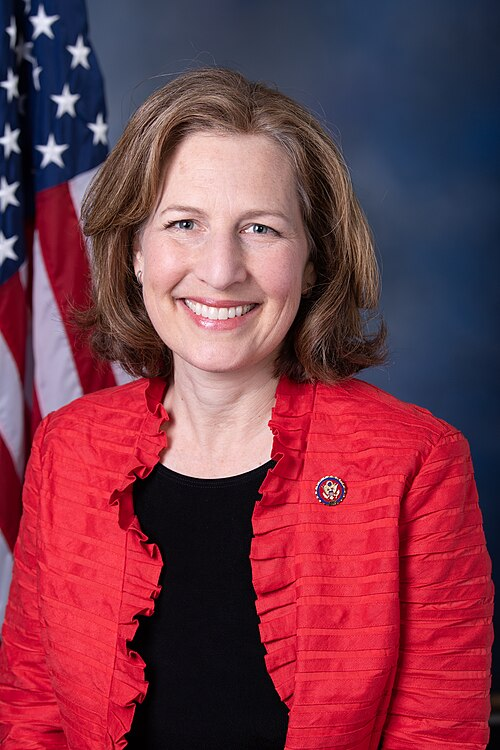
Co-Sponsor
-
TrackEric Sorensen
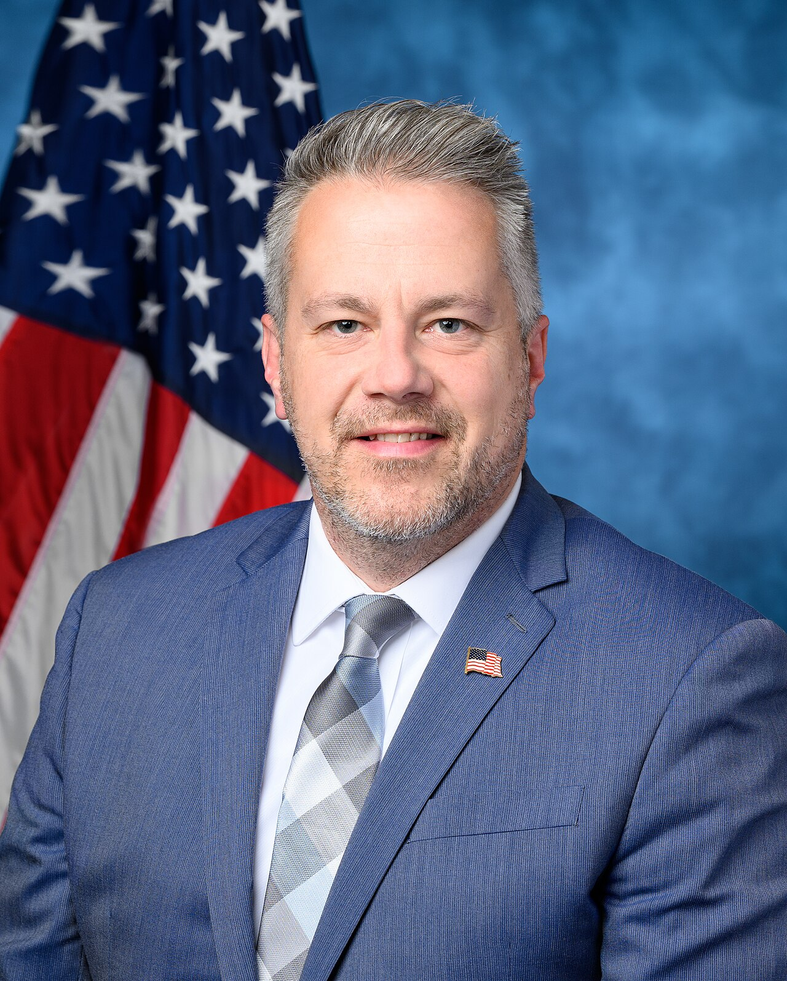
Co-Sponsor
-
TrackDarren Soto
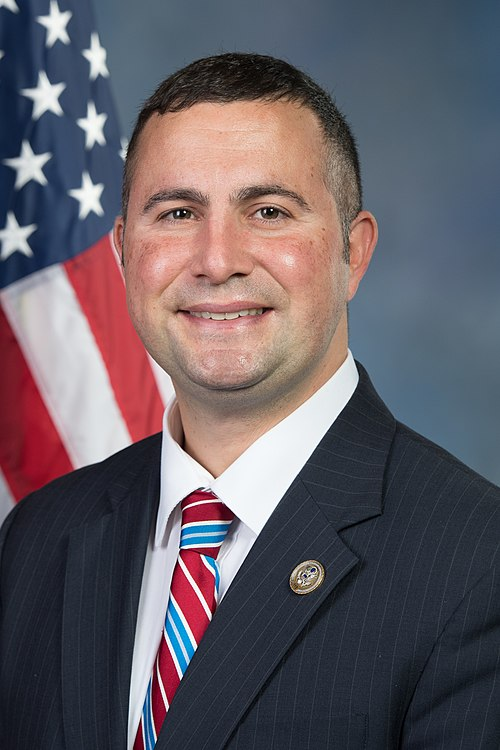
Co-Sponsor
-
TrackSuhas Subramanyam
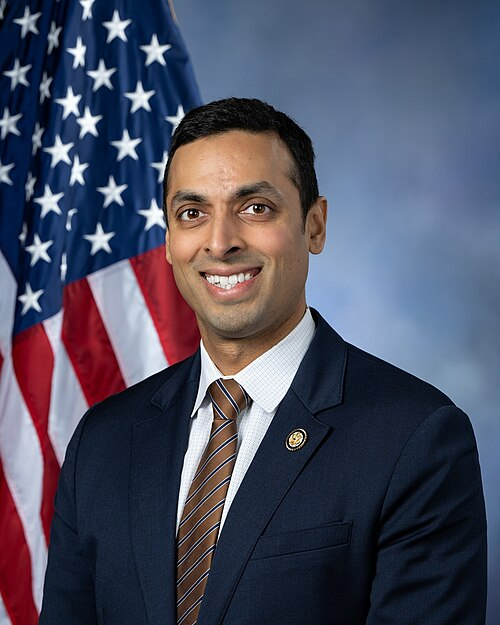
Co-Sponsor
-
TrackShri Thanedar
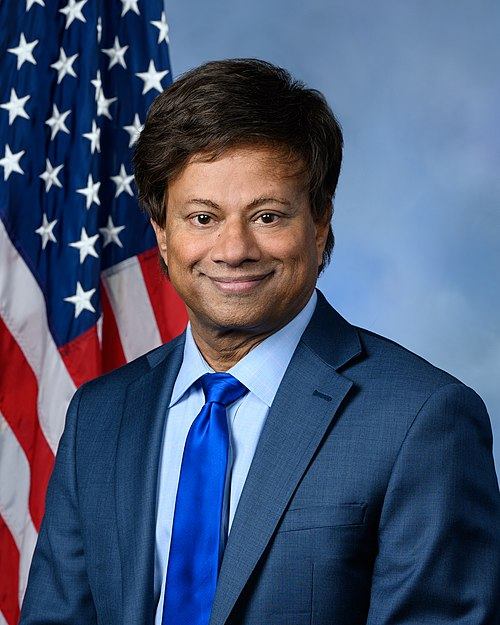
Co-Sponsor
-
TrackRashida Tlaib
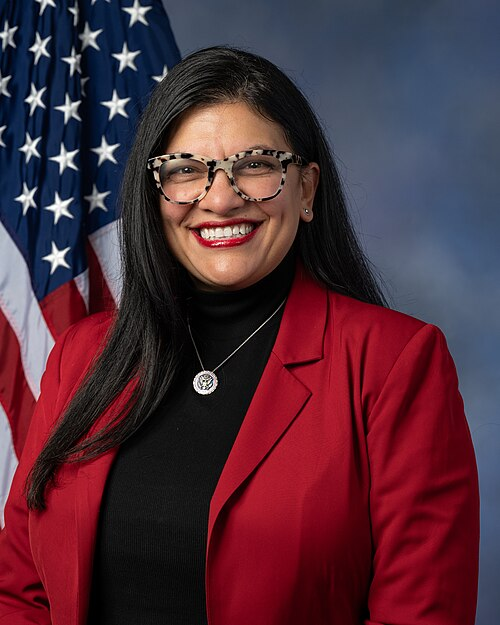
Co-Sponsor
-
TrackJefferson Van Drew
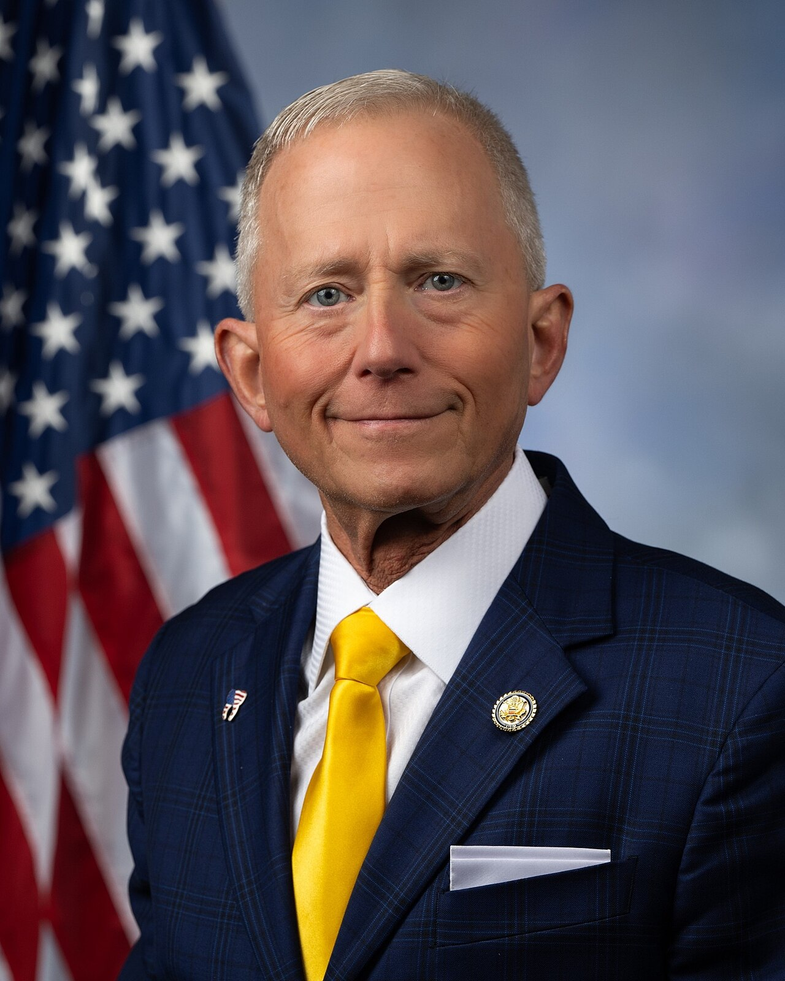
Co-Sponsor
-
TrackGabe Vasquez
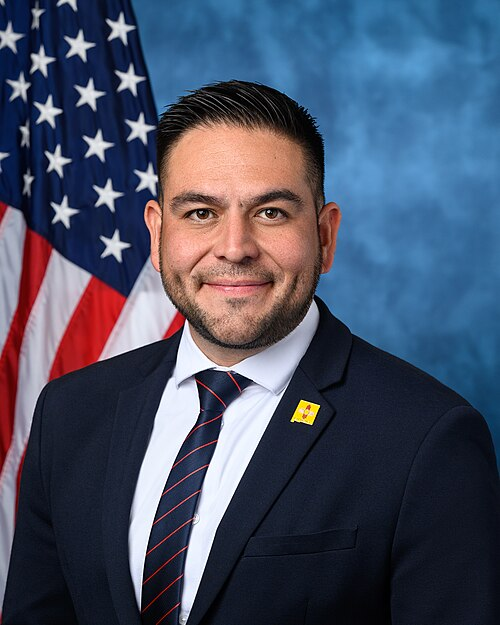
Co-Sponsor
-
TrackEugene Vindman
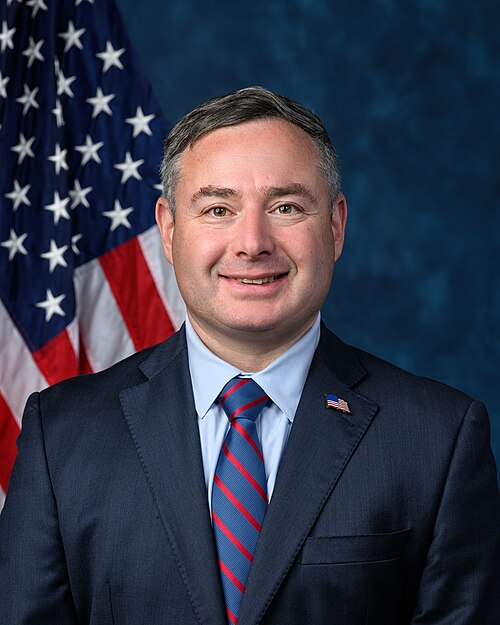
Co-Sponsor
-
TrackJames R. Walkinshaw

Co-Sponsor
-
TrackDebbie Wasserman Schultz
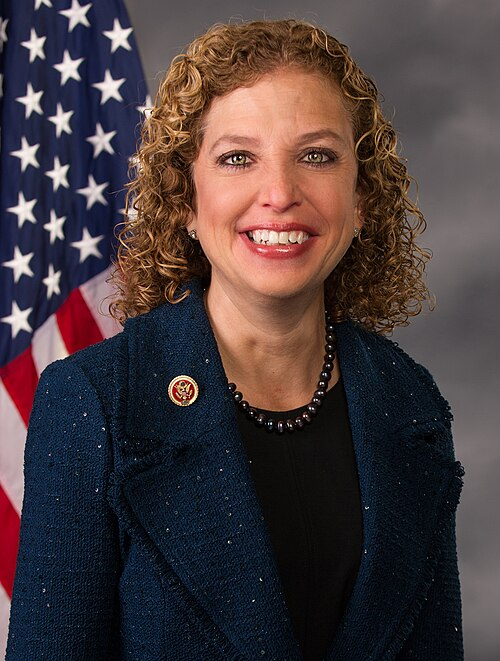
Co-Sponsor
-
TrackRandy K. Weber, Sr.
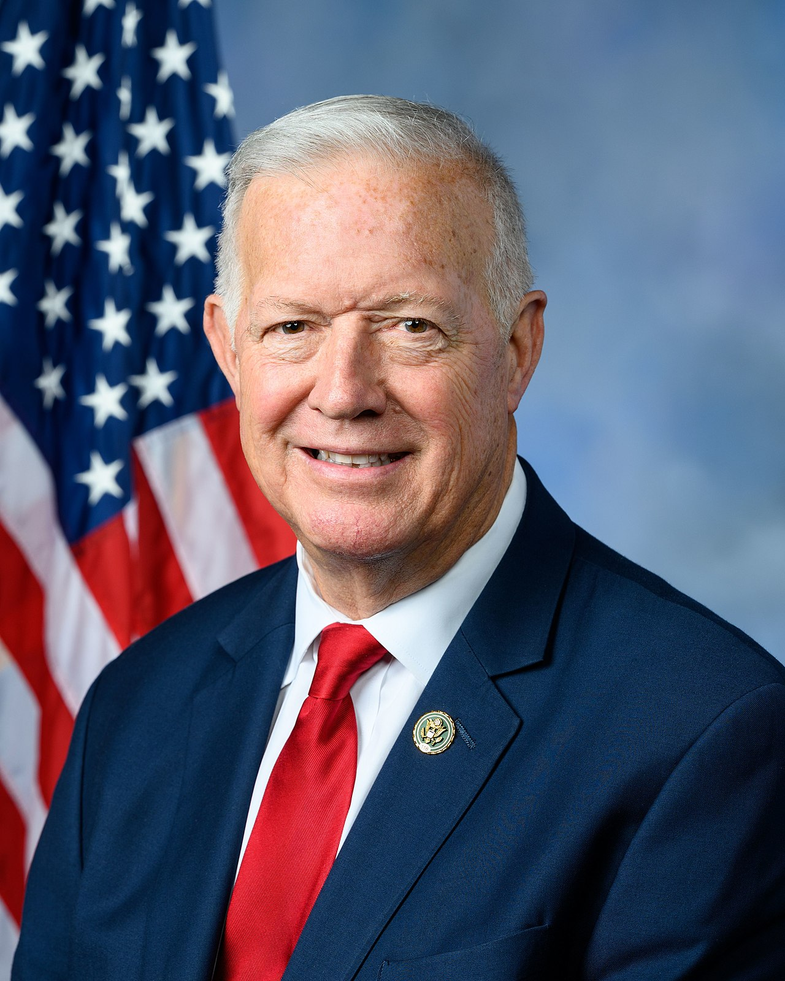
Co-Sponsor
-
TrackFrederica S. Wilson
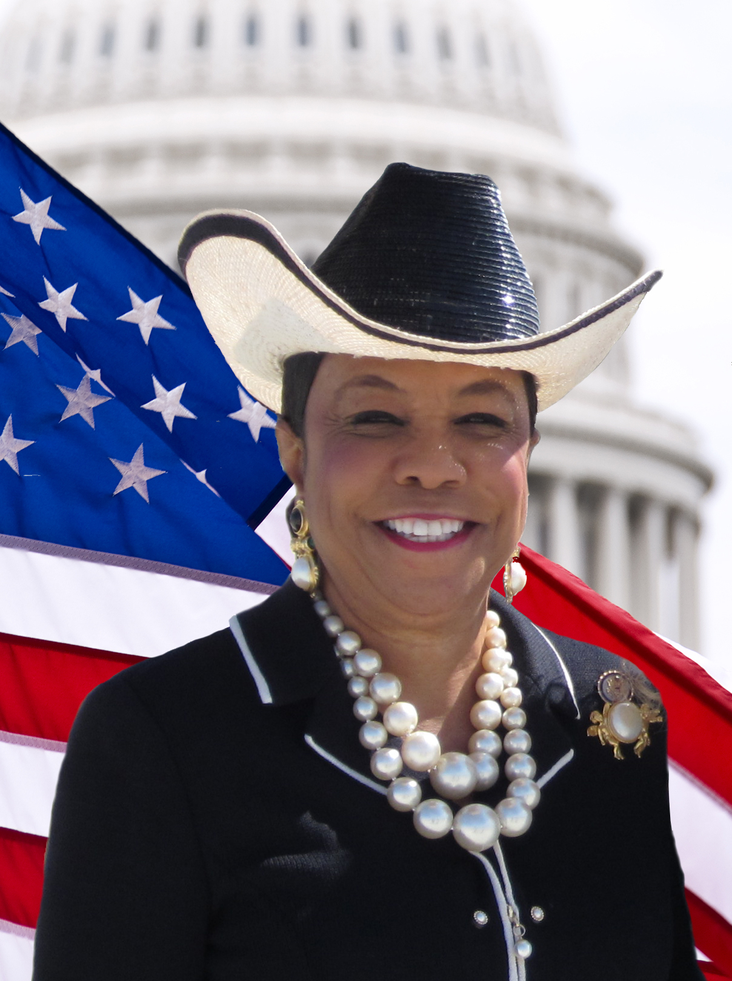
Co-Sponsor
-
Tracknan

Co-Sponsor
Actions
2 actions
| Date | Action |
|---|---|
| May. 29, 2026 | Introduced in House |
| May. 29, 2026 | Referred to the House Committee on Energy and Commerce. |
Corporate Lobbying
0 companies lobbying
None found.
* Note that there can be significant delays in lobbying disclosures, and our data may be incomplete.