H.R. 8992: Supreme Court Certiorari Oversight and Transparency Standards Act
The Supreme Court Certiorari Oversight and Transparency Standards Act (SCCOTUS Act) seeks to establish a new procedural framework for how the U.S. Supreme Court handles requests to review cases, known as petitions for writs of certiorari. Here is a detailed summary of what the bill proposes:
Establishment of a Certification Panel
The bill creates a body called the Supreme Court Certification Panel, which will consist of 13 judges from the U.S. Courts of Appeals. The judges will be chosen via a random selection process at the start of each Supreme Court term. No judge can serve consecutive terms on this panel.
Panel's Jurisdiction and Duties
- Review of Petitions: The Panel will be responsible for reviewing all petitions for writs of certiorari and deciding whether to grant or deny them.
- Criteria for Granting Petitions: A petition will only be granted if:
- It addresses a conflicting decision between different U.S. Courts of Appeals.
- It involves an important federal question that has caused confusion among lower courts.
- It has immediate public importance, justifying an expedited review before a final judgment in the lower court.
- Documentation: Decisions to grant a petition must include a written statement explaining the reasons for the decision and the questions to be reviewed.
Operational Procedures
- The Panel will meet at least once a month, and business may be conducted electronically.
- A quorum for decision-making will require six judges.
- Each term, the Panel is required to produce a public report summarizing the petitions reviewed, including how many were granted or denied, without disclosing any confidential deliberations.
Transmission to the Supreme Court
If the Panel grants a petition, the case will automatically be moved to the Supreme Court and set for oral argument, streamlining the review process.
Judicial Ethics and Disqualification
Panel judges will be subject to the Code of Conduct for U.S. Judges. They must recuse themselves from considering any petitions involving cases they had previously worked on in lower courts.
Implementation Timeline
The Judicial Conference of the United States will be required to create rules concerning the operation of the Panel within one year of the bill's enactment.
Severability Clause
If any part of this bill is found invalid, the remaining provisions will still apply.
Relevant Companies
None found
This is an AI-generated summary of the bill text. There may be mistakes.
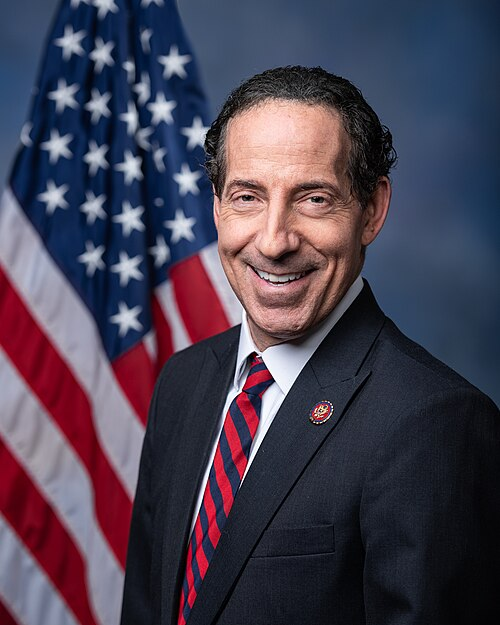
Sponsors
1 sponsor
Actions
2 actions
| Date | Action |
|---|---|
| May. 21, 2026 | Introduced in House |
| May. 21, 2026 | Referred to the House Committee on the Judiciary. |
Corporate Lobbying
0 companies lobbying
None found.
* Note that there can be significant delays in lobbying disclosures, and our data may be incomplete.
Potentially Relevant Congressional Stock Trades
No relevant congressional stock trades found.