H.R. 8991: Supreme Court Honesty and Disclosure of Orders and Writs Act
This bill, titled the Supreme Court Honesty and Disclosure of Orders and Writs Act (SHADOW Act), proposes changes to the way the Supreme Court handles stays pending appeal and the issuance of writs. Below are the main points of the bill:
Amendments to Stays Pending Appeal
The bill amends Section 2101 of Title 28 of the United States Code by introducing specific criteria that the Supreme Court must consider when deciding to grant or deny a stay pending an appeal. The key requirements include:
- Requirement of Harm: The applicant must demonstrate a specific, concrete, and irreparable injury greater than any harm caused by the stay itself.
- No Precedential Effect: A stay issued will not set a precedent, except to resolve the specific dispute at hand.
- Documentation and Transparency: The Supreme Court or justices must provide a recorded basis for their decision to grant or deny a stay. This includes considerations of:
- Potential injury to the applicant.
- Potential harm to other parties involved.
- The public interest.
- Public Disclosure: The reasons for granting or denying a stay have to be published on the public docket, unless immediate action is needed to prevent imminent harm. In such cases, a delay is allowed for publishing the reasons.
Changes to the All Writs Act
The bill also amends Section 1651 of Title 28 regarding the issuance of writs by the Supreme Court. The new provisions state:
- Issuance of Writs: Writs may only be issued when the Supreme Court or a justice determines that there is a critical situation that necessitates protecting a clear legal right at stake.
- Documentation and Transparency: Similar to stays, when a writ is issued or denied, the Court must set forth the reasons related to the legal rights involved. These reasons must be made public unless immediate action is required.
Implications
The changes proposed by this bill aim to enhance transparency in the operations of the Supreme Court, ensuring that decisions regarding stays and writs are well-documented and justified. The bill emphasizes the necessity for clarity in how the Court handles requests for stays pending appeal and writs, potentially influencing how cases are processed and the judicial discretion exercised in such decisions.
Relevant Companies
None found
This is an AI-generated summary of the bill text. There may be mistakes.
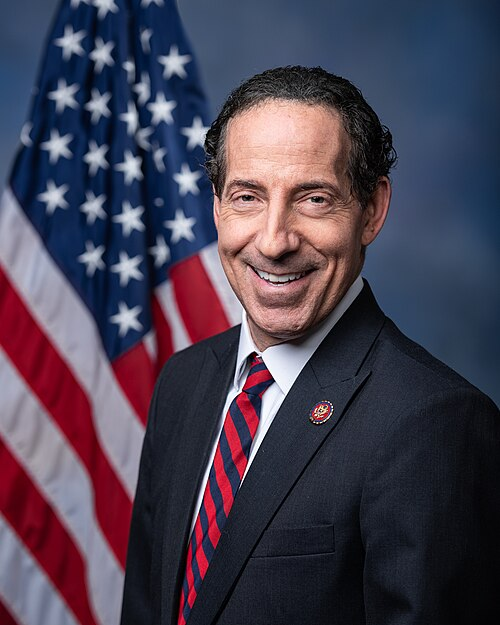
Sponsors
1 sponsor
Actions
2 actions
| Date | Action |
|---|---|
| May. 21, 2026 | Introduced in House |
| May. 21, 2026 | Referred to the House Committee on the Judiciary. |
Corporate Lobbying
0 companies lobbying
None found.
* Note that there can be significant delays in lobbying disclosures, and our data may be incomplete.
Potentially Relevant Congressional Stock Trades
No relevant congressional stock trades found.