H.R. 8989: Evidence-Based Youth Suicide Prevention Act of 2026
This bill, known as the Evidence-Based Youth Suicide Prevention Act of 2026, proposes to address youth suicide by establishing federal programs aimed at preventing suicides among children and adolescents. The key points of the bill include:
Findings
- Suicide is the second-leading cause of death for children and adolescents.
- Many high school students experience mental health issues, with a significant portion reporting feelings of sadness, depression, and some even attempting suicide.
- There is a pressing need for effective strategies to manage mental health crises among youth, especially within schoolSettings.
Youth Suicide Prevention Program
The bill proposes to amend the Public Health Service Act to establish a new section dedicated to youth suicide prevention. The main components are:
- The Secretary of Health and Human Services will oversee demonstration programs that develop, implement, and evaluate strategies based on evidence to prevent youth suicides.
- These programs will focus on educational and youth support settings, coordinating efforts with state and local educational agencies as well as public health organizations.
Eligible Entities
Organizations that can participate in the programs include:
- State and local government agencies.
- Educational institutions at various levels.
- Public or private nonprofit organizations designated by states or tribes.
- Higher education institutions.
Activities
Activities under this section may involve:
- Implementing and testing evidence-based suicide prevention programs in schools.
- Evaluating existing protocols and strategies for suicide prevention in schools and communities.
- Exploring further activities as deemed appropriate by the Secretary.
Technical Assistance
The Secretary will provide technical assistance to grantees, which may include help with data collection and evaluation designs to monitor program outcomes.
Evidence-Based Programs
Programs supported by this bill must demonstrate effectiveness through:
- Strong, moderate, or promising evidence based on established research.
- Criteria to determine 'strong evidence' includes results from well-designed studies or trials.
- Moderate and promising evidence programs will have specific evaluation plans to measure their effectiveness.
Funding Prioritization
Funding for the programs will be allocated based on the strength of evidence supporting proposed interventions, with a focus on higher-evidence strategies while allowing support for innovative approaches.
Outcome Monitoring
Programs will be required to track various mental health and academic outcomes, including:
- Suicide attempts and crises.
- Academic performance and achievement.
- Indicators of social-emotional learning, such as resilience and connectedness.
- Student engagement metrics.
- Access to services and implementation success.
Community Engagement
Program development must involve consultation with the communities affected by the initiatives, ensuring their needs and perspectives are incorporated.
Evaluation and Reporting
The Secretary will conduct evaluations based on federal standards and will submit regular progress reports to Congress, highlighting findings and recommendations for future investments in youth suicide prevention.
Funding Authorization
The bill authorizes necessary appropriations for the program to support its implementation from the fiscal years 2027 through 2032.
Relevant Companies
- None found
This is an AI-generated summary of the bill text. There may be mistakes.
Sponsors
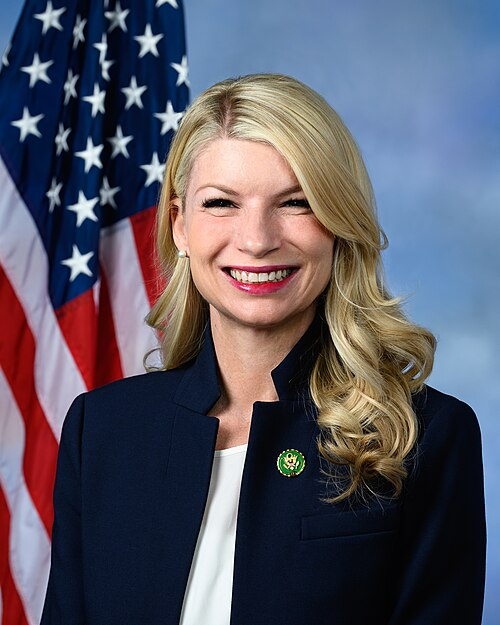
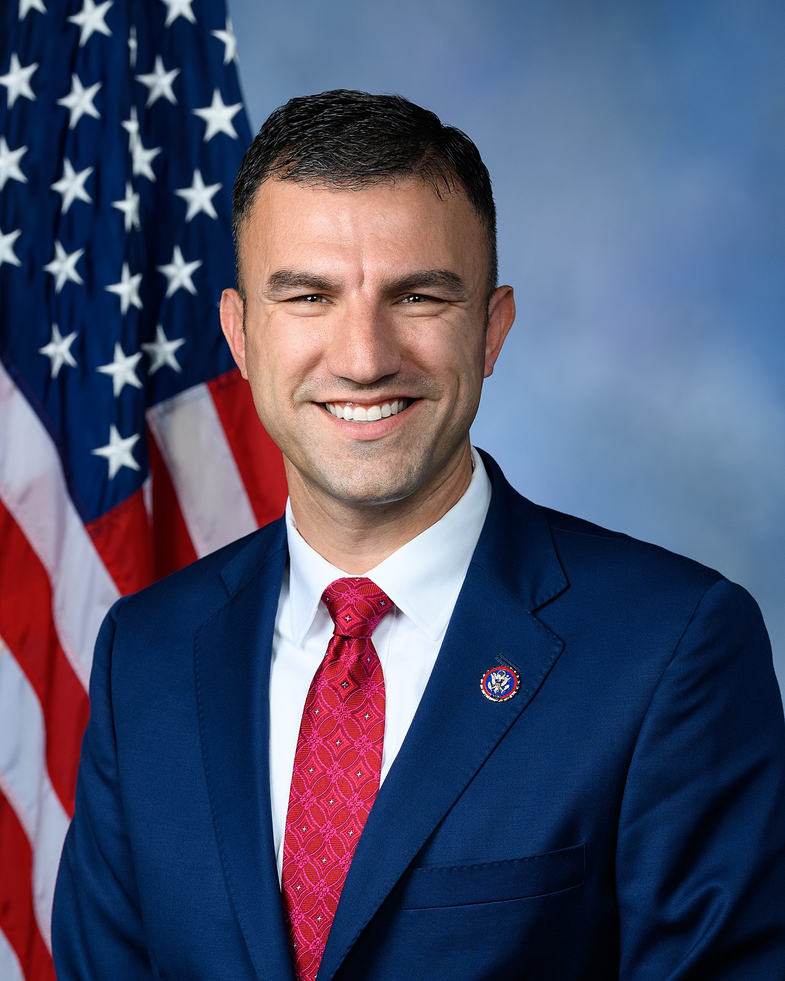
2 bill sponsors
Actions
2 actions
| Date | Action |
|---|---|
| May. 21, 2026 | Introduced in House |
| May. 21, 2026 | Referred to the House Committee on Energy and Commerce. |
Corporate Lobbying
0 companies lobbying
None found.
* Note that there can be significant delays in lobbying disclosures, and our data may be incomplete.
Potentially Relevant Congressional Stock Trades
No relevant congressional stock trades found.