
H.R. 8982: Assuring the Future of Tibet Act of 2026
This bill, titled the Assuring the Future of Tibet Act of 2026, aims to enhance the representation and rights of the Central Tibetan Administration (CTA), which is the Tibetan government-in-exile. It directs the U.S. Secretary of State to advocate for various initiatives supporting the Tibetan people's autonomy and cultural identity. Here are the key points of the bill:
Objectives
The bill seeks to:
- Promote the recognition of the Central Tibetan Administration in international forums, particularly the United Nations.
- Support the Tibetan people's rights to self-determination and cultural preservation.
- Engage directly with the Central Tibetan Administration and its officials, according them respect and appropriate status in diplomatic contexts.
Advocacy and Support
To accomplish its goals, the bill outlines specific actions for U.S. officials:
- The President will instruct the U.S. Permanent Representative to the United Nations to advocate for the Central Tibetan Administration’s observer status.
- The Secretary of State is directed to:
- Push for the inclusion of the Central Tibetan Administration in relevant international bodies.
- Coordinate with ally nations to increase support and recognition for the Central Tibetan Administration internationally.
International and Diplomatic Relations
The bill emphasizes the importance of engaging with the Central Tibetan Administration at high levels:
- The Secretary of State should lead efforts to build relationships with Central Tibetan Administration officials.
- Diplomatic protocols should be extended to the Sikyong (the chief executive of the Central Tibetan Administration) during visits to the U.S.
- U.S. officials should encourage other nations to similarly engage with the Central Tibetan Administration.
Reporting Requirements
The Secretary of State is required to report to Congress annually on the progress of implementing the advocacy measures outlined in the bill.
Context and Background
The bill acknowledges the historical relationship between the U.S. and Tibet, noting earlier engagements with Tibetan leaders, including the Dalai Lama. It cites the long-standing U.S. policy to support Tibetan human rights and cultural identity, as well as international law regarding self-determination.
It also points out recent changes in China's laws that have been seen as detrimental to the autonomy and rights of Tibetan people, further motivating the proposed support for the Central Tibetan Administration.
Findings
The bill contains several findings that highlight the current situation regarding Tibet's autonomy under Chinese governance, illustrating that the current Chinese policies are viewed as restrictive to the rights of the Tibetan people.
Relevant Companies
- None found
This is an AI-generated summary of the bill text. There may be mistakes.
Sponsors
13 bill sponsors
-
TrackJames P. McGovern

Sponsor
-
TrackMichael Lawler
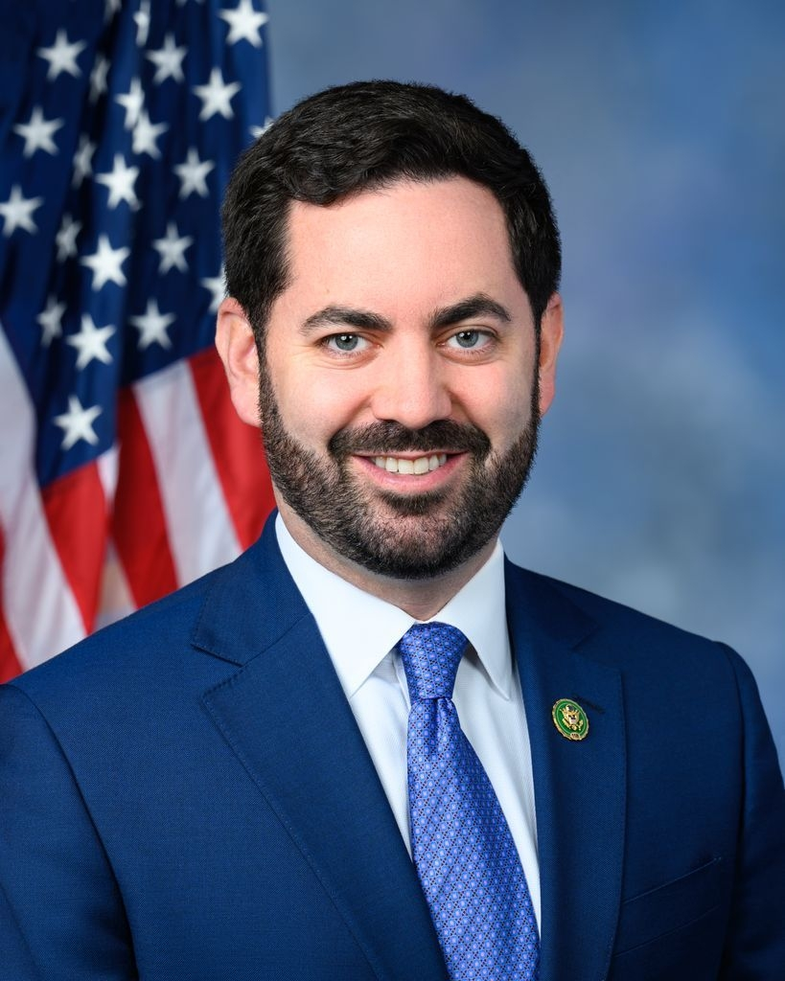
Co-Sponsor
-
TrackMichael T. McCaul
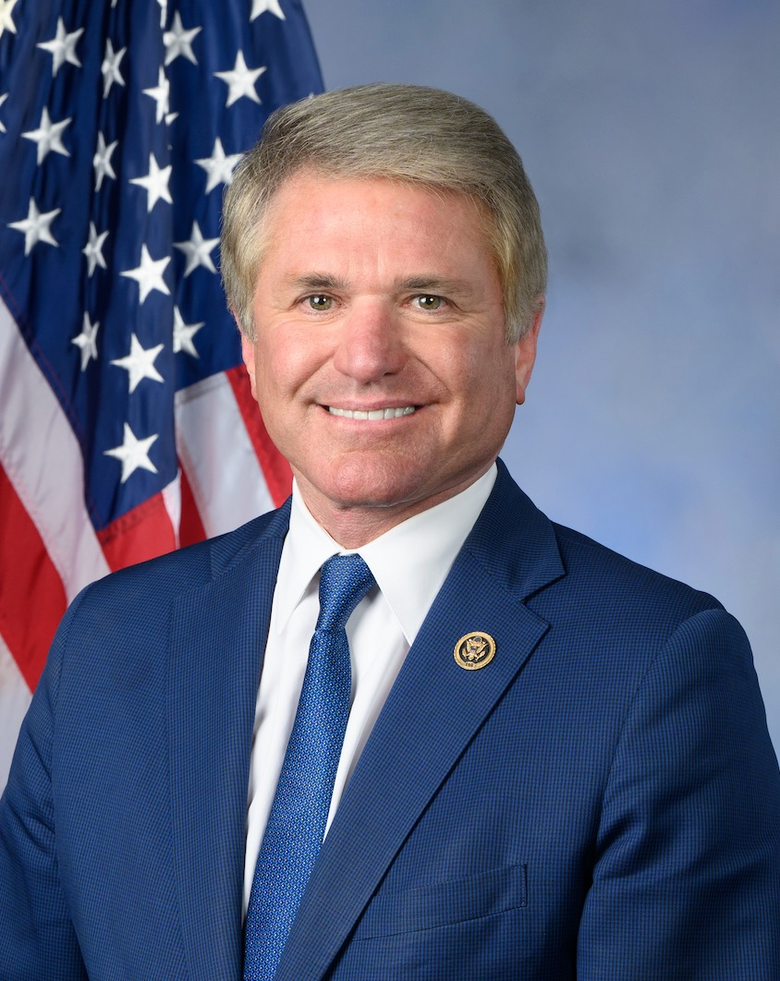
Co-Sponsor
-
TrackJohn R. Moolenaar

Co-Sponsor
-
TrackEleanor Holmes Norton

Co-Sponsor
-
TrackNancy Pelosi

Co-Sponsor
-
TrackJosh Riley

Co-Sponsor
-
TrackMaria Elvira Salazar

Co-Sponsor
-
TrackBradley Scott Schneider
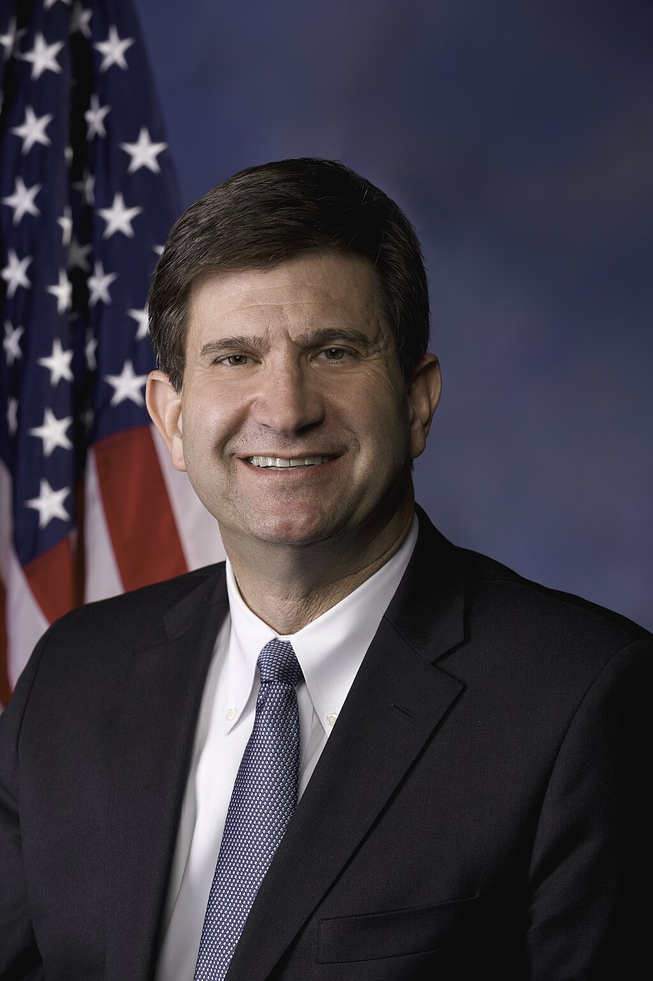
Co-Sponsor
-
TrackLateefah Simon

Co-Sponsor
-
TrackSuhas Subramanyam
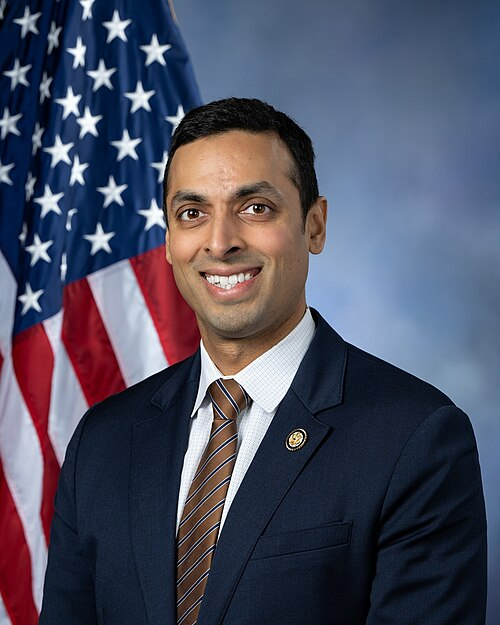
Co-Sponsor
-
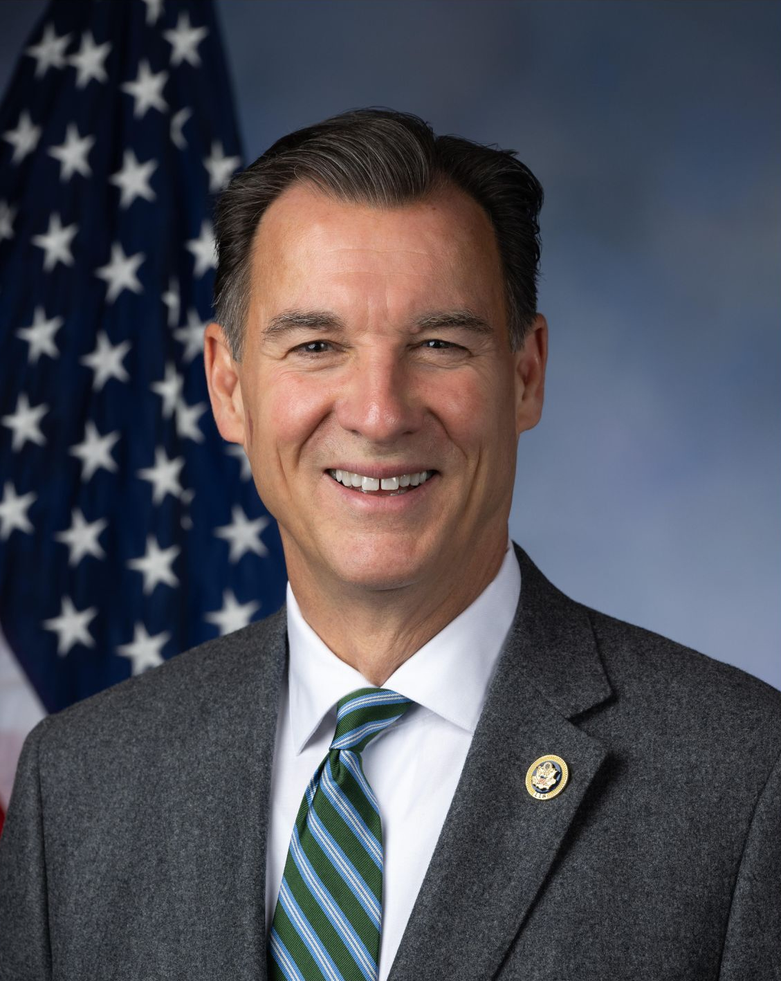
TrackThomas R. Suozzi
Co-Sponsor
-
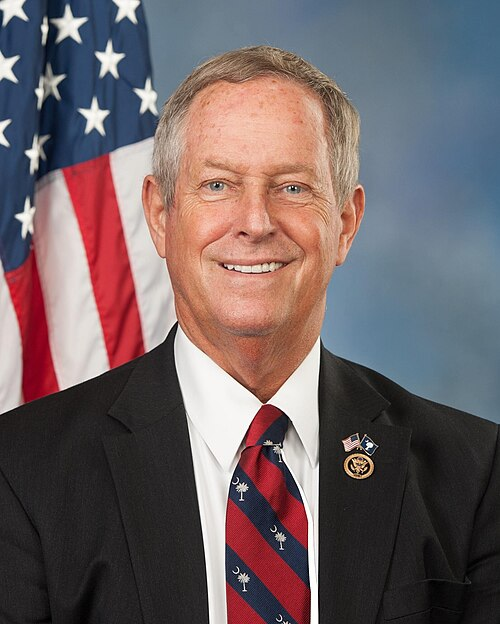
TrackJoe Wilson
Co-Sponsor
Actions
2 actions
| Date | Action |
|---|---|
| May. 21, 2026 | Introduced in House |
| May. 21, 2026 | Referred to the House Committee on Foreign Affairs. |
Corporate Lobbying
0 companies lobbying
None found.
* Note that there can be significant delays in lobbying disclosures, and our data may be incomplete.
Potentially Relevant Congressional Stock Trades
No relevant congressional stock trades found.