H.R. 8937: Early Childhood Workforce Advancement Act of 2026
This bill, known as the Early Childhood Workforce Advancement Act of 2026, aims to enhance career and technical education programs in early childhood education through a competitive grant system. Here are the key components of the bill:
Grant Program
The bill authorizes the Secretary of Education, in coordination with the Secretary of Health and Human Services, to award grants to eligible partnerships. These grants are intended to:
- Establish, support, or expand career and technical education programs in early childhood education.
Eligibility and Application Process
To qualify for a grant, an eligible partnership must submit an application that includes:
- A description of how the grant will be utilized to enhance early childhood education programs.
- Details about the roles of each partner within the partnership.
- A budget outline showing how funds will be allocated, including matching funds from other sources.
- How the program will benefit students, particularly those from special populations.
- Information demonstrating coordination with existing education programs under federal laws.
- An assessment of local and regional needs concerning early childhood education.
- How the initiative will assist the child care system and the early childhood education workforce.
Priority Considerations
In awarding grants, the Secretary will prioritize:
- Ensure grants are distributed fairly across different geographic regions.
- Serving rural and urban communities.
- Areas experiencing a shortage of childcare providers.
- Programs that focus on child care services for infants and toddlers, including those with disabilities.
- Partnerships that involve higher education institutions specializing in early childhood education.
Use of Grant Funds
Grant recipients must use funds for various purposes, which may include:
- Providing educational resources and materials for early childhood education.
- Recruiting, hiring, and training qualified early childhood educators.
- Enhancing student outcomes through innovative work-based learning strategies.
- Activities to improve recruitment and professional development of educators and support staff.
Evaluation and Reporting
Partnerships receiving grants will be required to conduct independent evaluations of their programs and submit annual reports detailing:
- How grant funds were utilized.
- Performance outcomes of the educational programs.
- Quantitative analyses demonstrating program effectiveness.
Duration of Grants
The grant period typically lasts up to five years, with a possibility of extending for an additional two years if the partnership meets performance objectives and improves education outcomes.
Definitions
The bill also provides definitions for key terms, clarifying what constitutes eligible partnerships and programs under the scope of the legislation.
Relevant Companies
- EDU - This company focuses on education services and may be involved in partnerships related to early childhood education workforce training.
- WYN - This company might offer training programs or resources applicable to the early childhood education sector.
This is an AI-generated summary of the bill text. There may be mistakes.
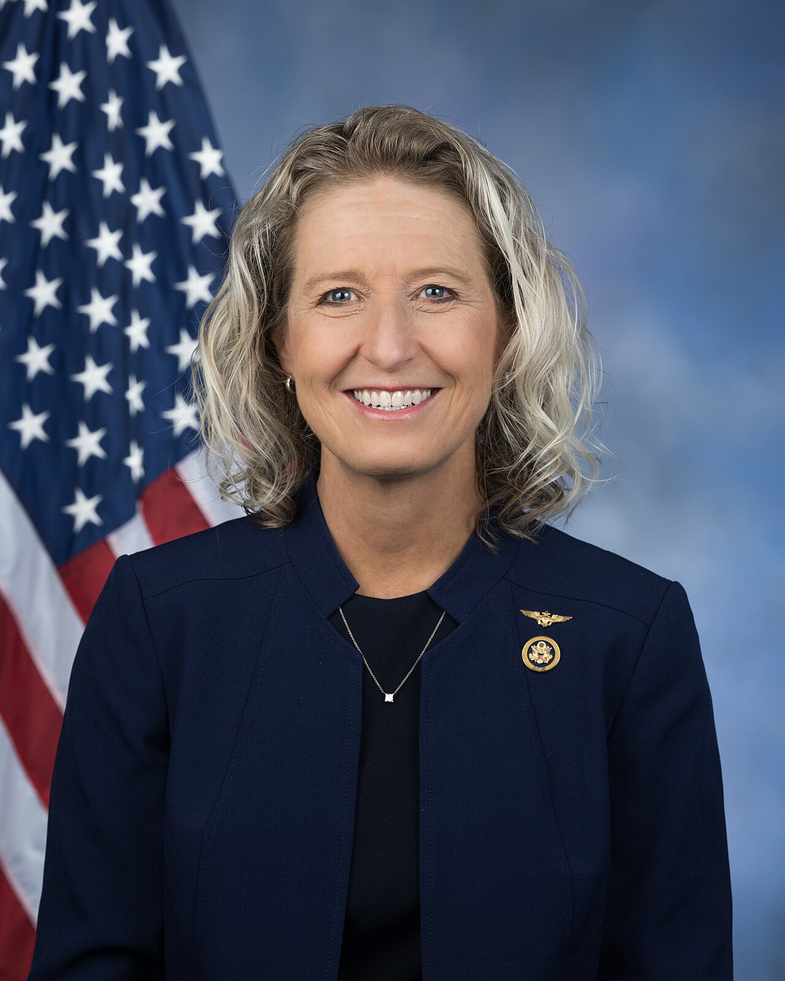
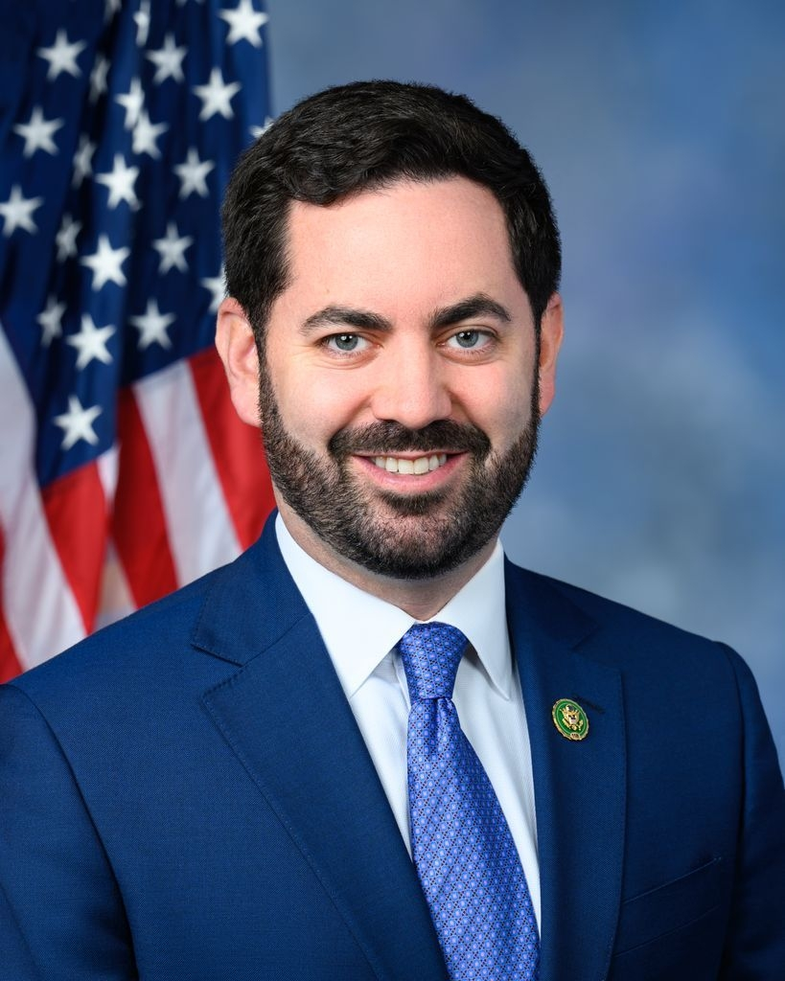
Sponsors
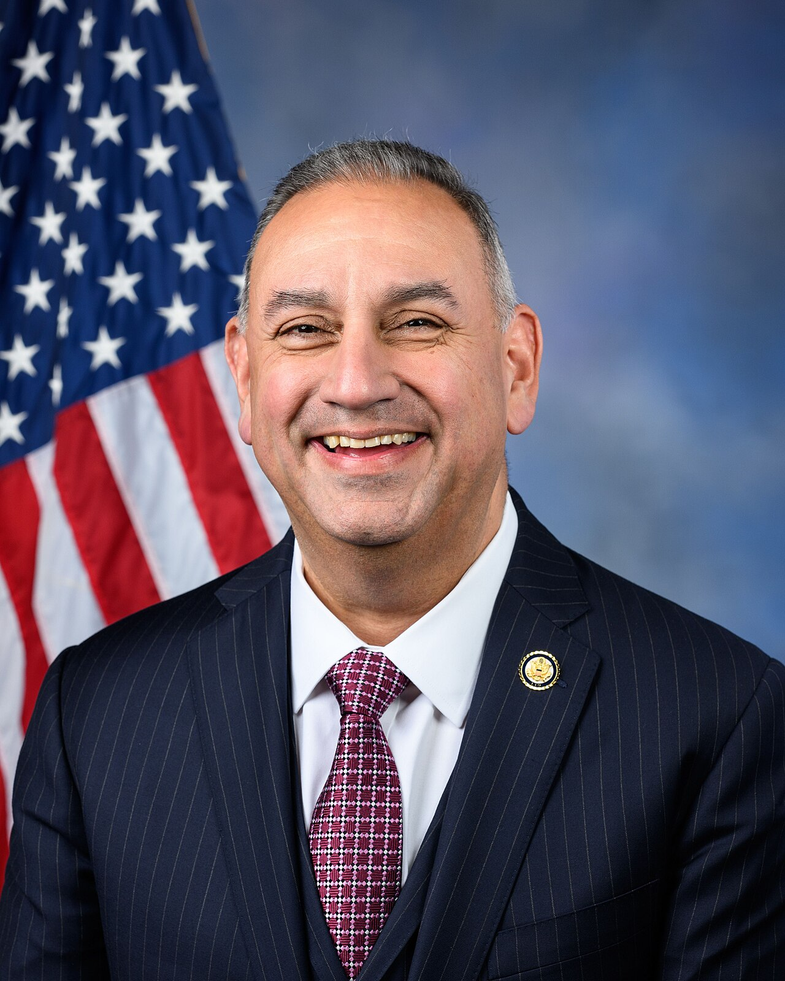
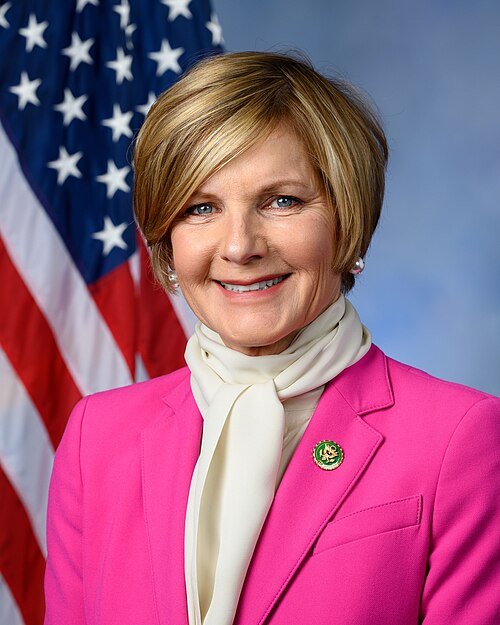
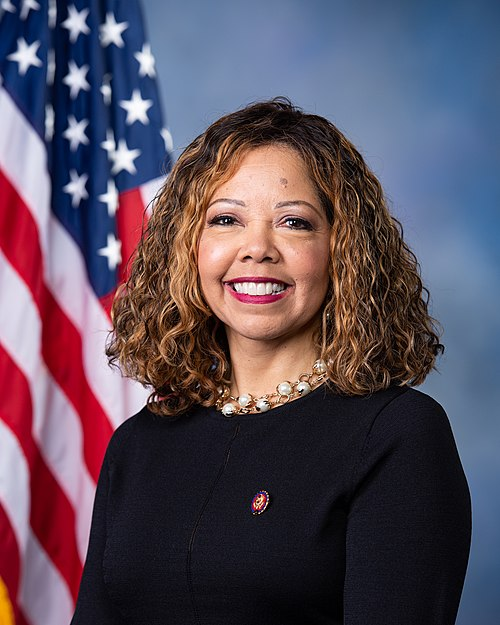
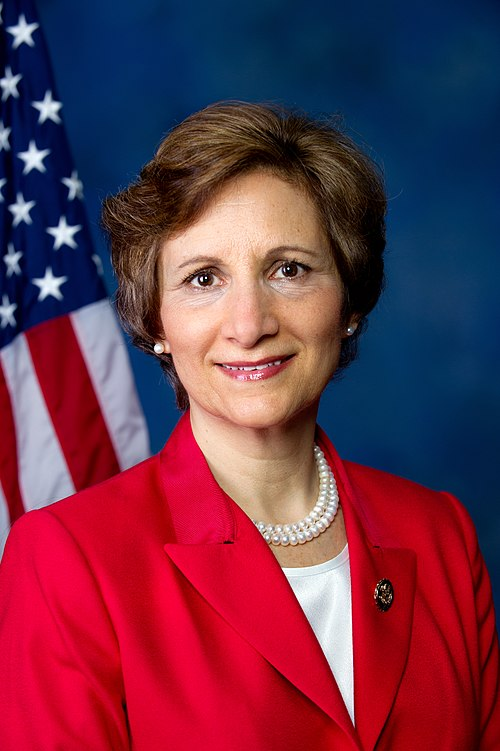
6 bill sponsors


Actions
2 actions
| Date | Action |
|---|---|
| May. 20, 2026 | Introduced in House |
| May. 20, 2026 | Referred to the House Committee on Education and Workforce. |
Corporate Lobbying
0 companies lobbying
None found.
* Note that there can be significant delays in lobbying disclosures, and our data may be incomplete.