H.R. 8927: Stop the Doxx Act
This bill would make it a federal crime to “dox” certain public officials involved in the justice system: law enforcement officers, prosecutors, and judges at the federal, state, and local levels. In this bill, doxxing means knowingly making public a protected person’s home address, personal phone number, personal email address, or other personally identifying information, including information about immediate family members, when done with the intent to threaten, intimidate, or help facilitate violence against that person.
What the bill changes
- It adds a new federal offense to title 18 of the U.S. Code.
- It applies when the conduct affects interstate or foreign commerce, which is a common standard in federal criminal law.
- It covers both online and offline publication, including social media, websites, forums, and printed materials.
Penalties
- First offense: up to 10 years in prison, a fine, or both.
- Second or later offense: up to 20 years in prison, a fine, or both.
- If the offense results in bodily injury or death:
- First offense: up to 30 years in prison, a fine, or both.
- Second or later offense: up to 40 years in prison, a fine, or both.
Civil lawsuits
The bill would also let a covered public servant, or an immediate family member who is harmed by a violation, sue in federal court. A court could award damages, order someone to stop the conduct, and require the defendant to pay attorney’s fees.
Training requirement
The bill directs the Attorney General to create and make available a training program for covered public servants on how to protect personal information online. The training would need to be:
- available online and in person,
- updated at least once a year, and
- free for covered public servants at the federal, state, and local levels.
The bill also encourages state and local agencies, prosecutors’ offices, and courts to require this training for new employees and as part of ongoing training.
Who is covered
The protections apply to federal, state, and local:
- law enforcement officers,
- prosecutors, and
- judges.
It also extends to their spouses, children, parents, and siblings when the person’s information is published with the required intent.
Relevant Companies
None found.
This is an AI-generated summary of the bill text. There may be mistakes.
Sponsors
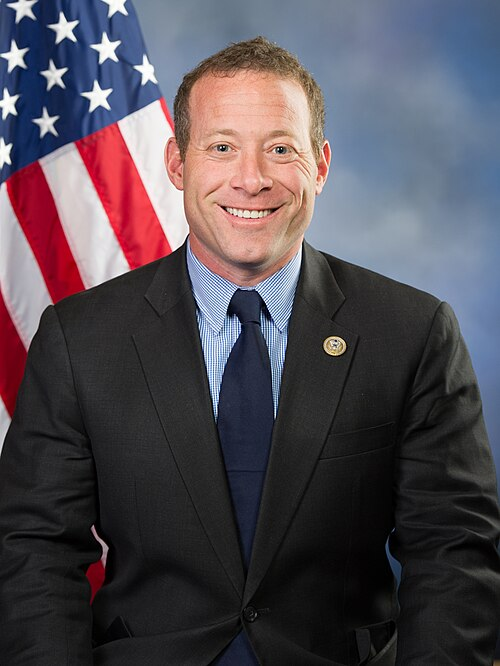
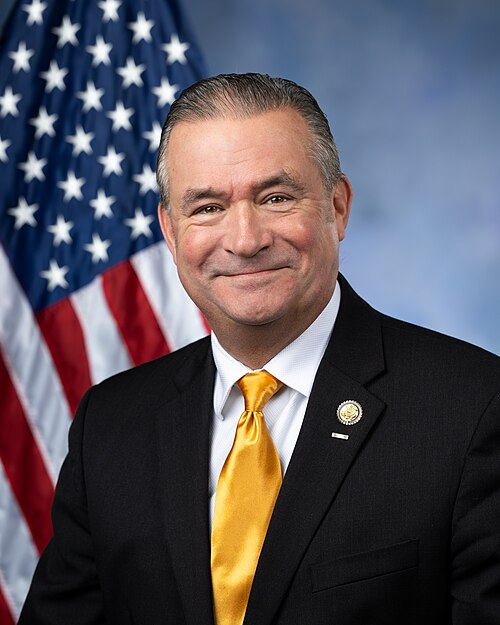
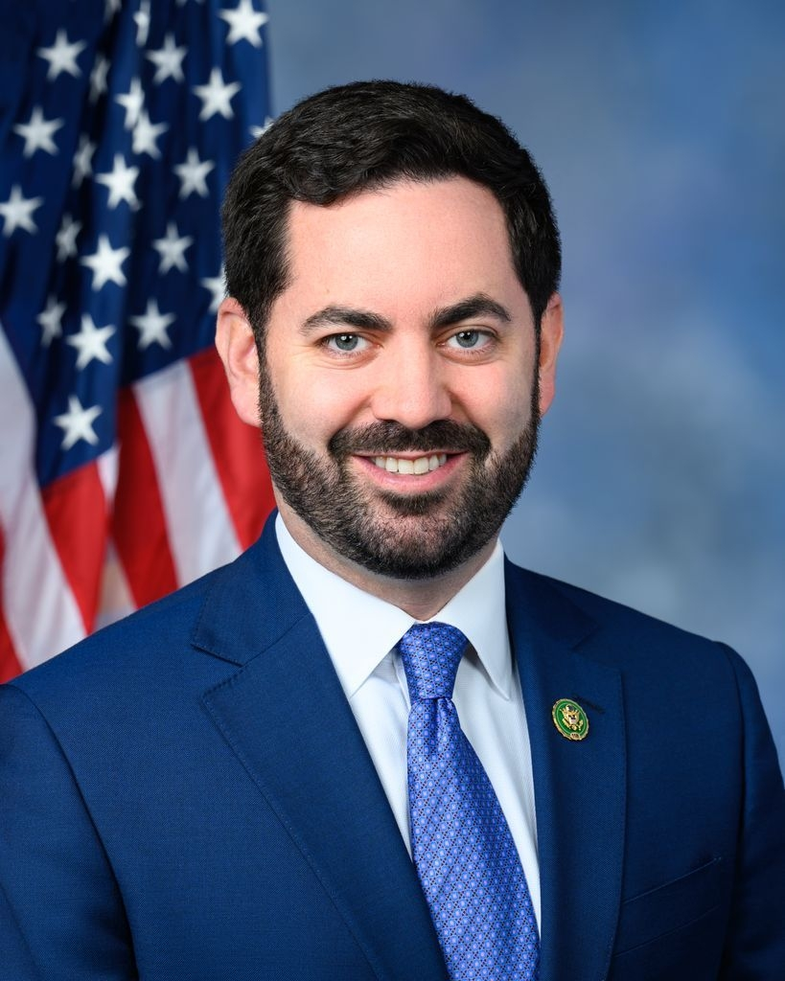
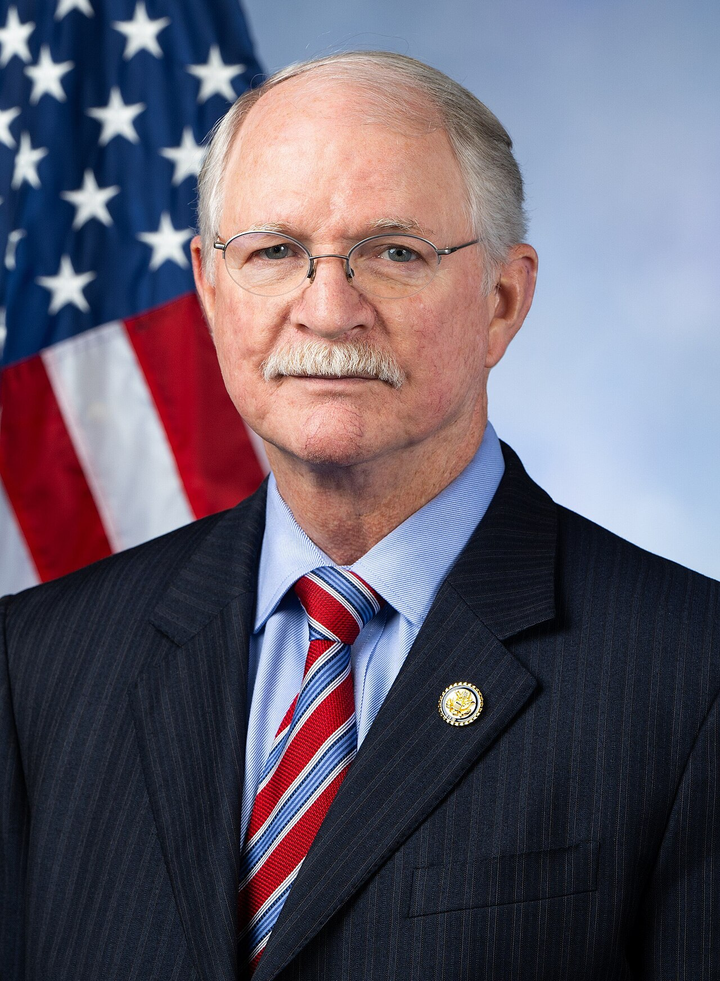
9 bill sponsors





Actions
2 actions
| Date | Action |
|---|---|
| May. 20, 2026 | Introduced in House |
| May. 20, 2026 | Referred to the House Committee on the Judiciary. |
Corporate Lobbying
0 companies lobbying
None found.
* Note that there can be significant delays in lobbying disclosures, and our data may be incomplete.
Potentially Relevant Congressional Stock Trades
No relevant congressional stock trades found.