H.R. 8916: Connections to Health Infrastructure and Emergency Recovery Services Act of 2026
This legislation, known as the Connections to Health Infrastructure and Emergency Recovery Services Act of 2026, proposes a program to enhance access to transportation for individuals facing substance use disorders. The bill outlines a framework for the U.S. Secretary of Health and Human Services and the Secretary of Housing and Urban Development to jointly award grants to eligible entities with the goal of improving, developing, or expanding transportation services for those who need to travel to and from treatment or supportive services.
Key Components of the Bill
- Grant Program: The bill establishes a grant program that will be initiated no later than one year after the enactment of the law. The grants will fund transportation services to assist individuals in accessing treatment for substance use disorders.
- Types of Transportation Covered: The legislation encompasses various forms of transportation, including both prescheduled and on-demand (ridesharing or taxi services) options. This includes first and last mile transportation to ensure that individuals can reach public transit.
- Use of Funds: Grant funds may be used for multiple purposes, such as:
- Providing transportation services.
- Acquiring vehicles necessary for transportation.
- Assisting personnel with licensing and training.
- Raising awareness of the available transportation services.
- Eligible Recipients: The bill defines eligible entities as nonprofit organizations, state or local government agencies, Indian tribes or organizations, and other entities with experience in providing substance use disorder treatment and services.
- Target Population: The grants will specifically target individuals with substance use disorders who are experiencing homelessness, live in low-income communities, or reside in areas where transportation poses a barrier to accessing health care.
- Application Process: Eligible entities must apply for grants by detailing their planned activities, partnerships, and performance measures to assess effectiveness in reducing missed appointments for treatment.
- Duration and Reporting: Grants will be awarded for a minimum of one year, and grantees are required to submit reports that evaluate the performance and outcomes of their transportation services within a year of receiving the funding.
- Technical Assistance: The Secretaries will provide technical assistance to grant recipients and publish best practices for program implementation.
Definitions Included in the Bill
The bill includes several definitions that clarify key terms such as:
- Covered Individual: Defines individuals with a substance use disorder who face barriers to access due to homelessness, low income, or inadequate transportation.
- Eligible Entity: Outlines the types of organizations that can apply for grants.
- First and Last Mile Transportation: Refers to the transportation services required for individuals to complete their journey to treatment or services, including connections to public transit.
Exclusions
Funds from the grants cannot be used for:
- Transporting individuals to involuntary inpatient treatment.
- Providing services conducted by law enforcement personnel.
Relevant Companies
- None found
This is an AI-generated summary of the bill text. There may be mistakes.
Sponsors
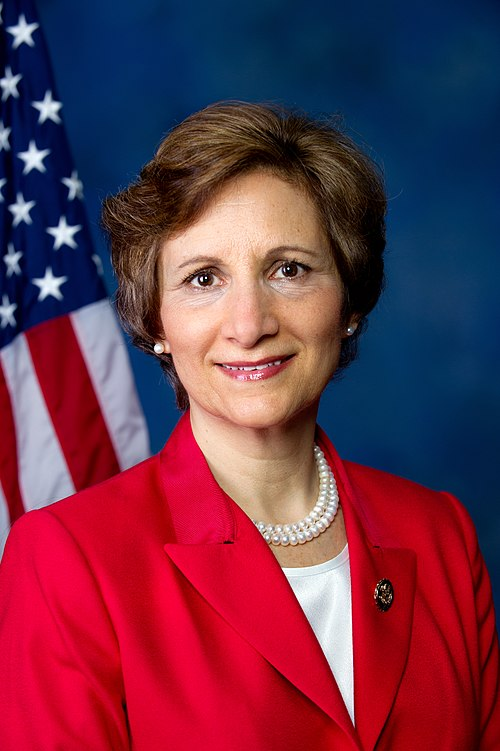
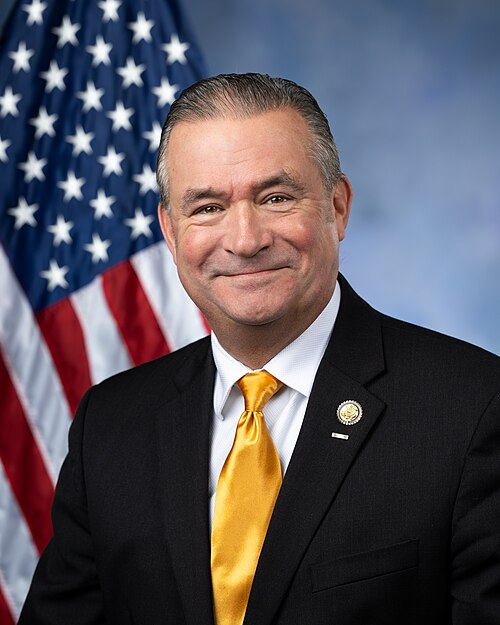
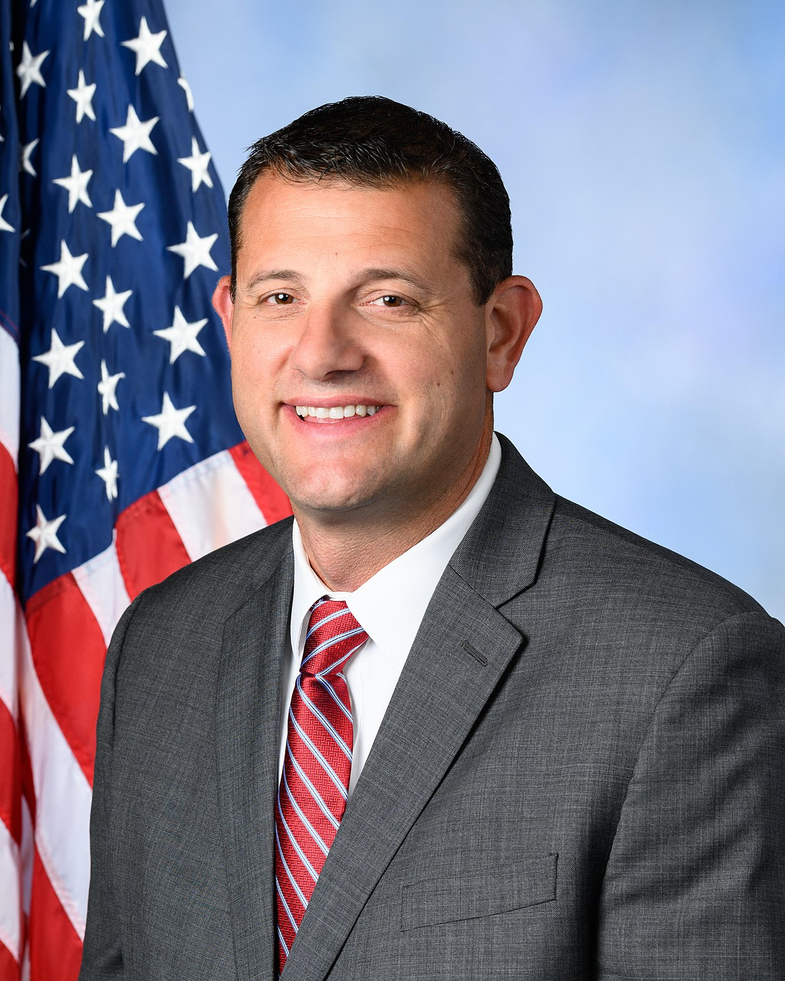
3 bill sponsors
Actions
2 actions
| Date | Action |
|---|---|
| May. 20, 2026 | Introduced in House |
| May. 20, 2026 | Referred to the Committee on Energy and Commerce, and in addition to the Committee on Financial Services, for a period to be subsequently determined by the Speaker, in each case for consideration of such provisions as fall within the jurisdiction of the committee concerned. |
Corporate Lobbying
0 companies lobbying
None found.
* Note that there can be significant delays in lobbying disclosures, and our data may be incomplete.
Potentially Relevant Congressional Stock Trades
No relevant congressional stock trades found.