
H.R. 8910: Stop Letting United States Heads Funnel Unauthorized Nontransparent Dollars Act of 2026
This bill, officially known as the "Stop Letting United States Heads Funnel Unauthorized Nontransparent Dollars Act of 2026" or the "SLUSH FUND Act of 2026," proposes changes to the Internal Revenue Code focusing on the taxation of specific payments related to settlements involving certain individuals. Here are the main components of the bill:
Tax Imposition on Settlement Payments
The bill introduces a new tax that imposes a 100% tax on what it defines as "specified settlement fund payments" received by taxpayers. This tax applies to any amount received during a taxable year from any fund or trust that is related to a civil action against the United States or any governmental body, where such action was filed by specific individuals.
Definition of Specified Settlement Fund Payment
A "specified settlement fund payment" is defined as any payment received by a taxpayer from a fund, trust, or account that arises from the settlement or verdict of a civil action against the United States. The individuals who can trigger this provision are referred to as "specified persons," including:
- Former Presidents of the United States
- Immediate family members of such Presidents
- Entities controlled by these individuals or their family members
Tax Treatment and Reporting Requirements
Key points regarding tax treatment under the bill include:
- The payments are excluded from the taxpayer’s gross income, meaning they will not count towards income when calculating taxes.
- No taxpayer can deduct these specified settlement fund payments from their other taxable income.
Furthermore, any individual or entity that makes these specified payments must report them to the IRS, detailing:
- The total amount paid to the taxpayer during the year.
- The name and address of the recipient of the funds.
This reporting obligation is designed to enhance transparency and ensure compliance with the new tax provisions.
Penalties for Non-Compliance
If a taxpayer fails to pay the imposed tax on specified settlement fund payments, there are penalties included in the bill:
- Failure to pay the specified tax can result in a penalty of 50% of the unpaid tax amount.
- There is also a provision for penalties related to failure to file the required returns with respect to these payments, which can amount to $10,000 for each failure unless reasonable cause is demonstrated.
Effective Dates
The provisions of this bill, including the tax imposition, reporting requirements, and compliance penalties, will be effective for amounts received or that are taxable on or after May 20, 2026.
Public Disclosure
The IRS will be required to make publicly available the returns related to specified settlement fund payments, ensuring that there is transparency regarding these transactions.
Relevant Companies
None found
This is an AI-generated summary of the bill text. There may be mistakes.
Sponsors
49 bill sponsors
-
TrackMike Thompson
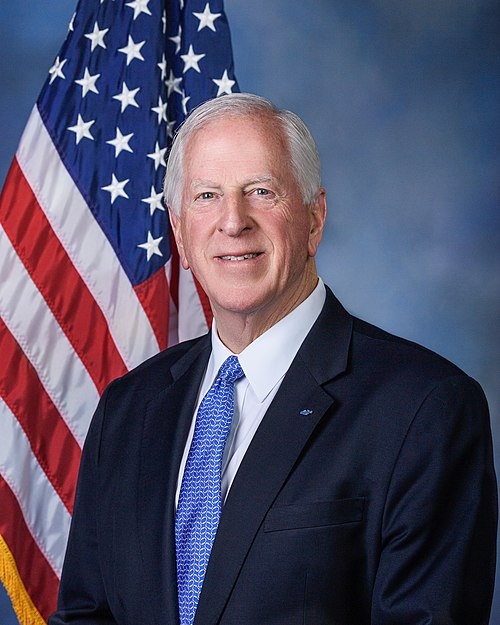
Sponsor
-
TrackGabe Amo
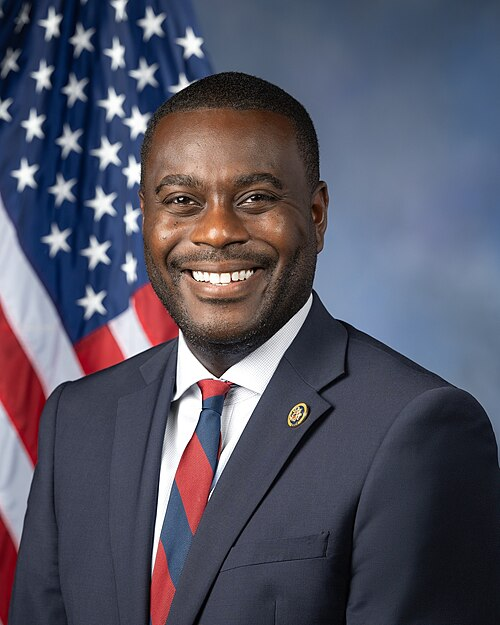
Co-Sponsor
-
TrackWesley Bell
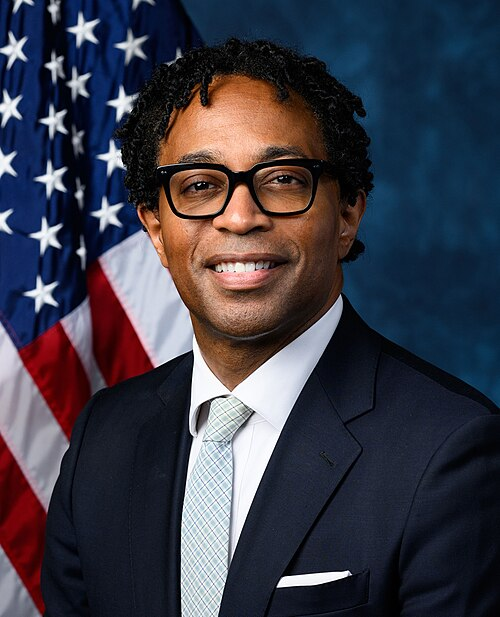
Co-Sponsor
-
TrackDonald S. Beyer, Jr.
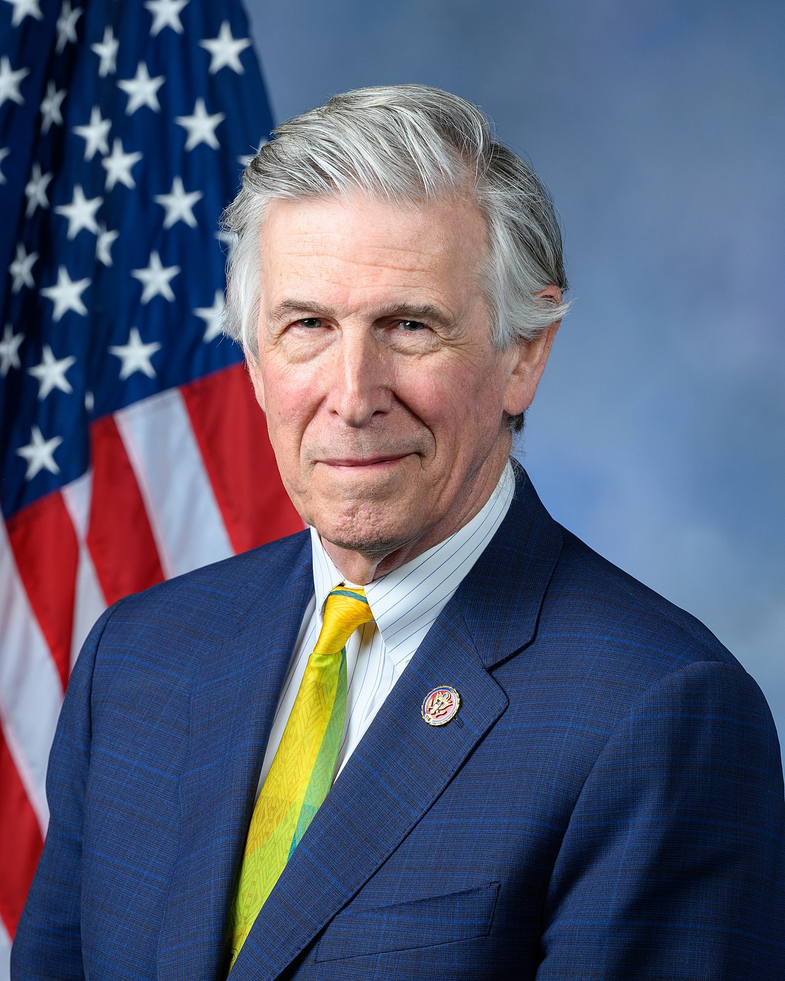
Co-Sponsor
-
TrackBrendan F. Boyle
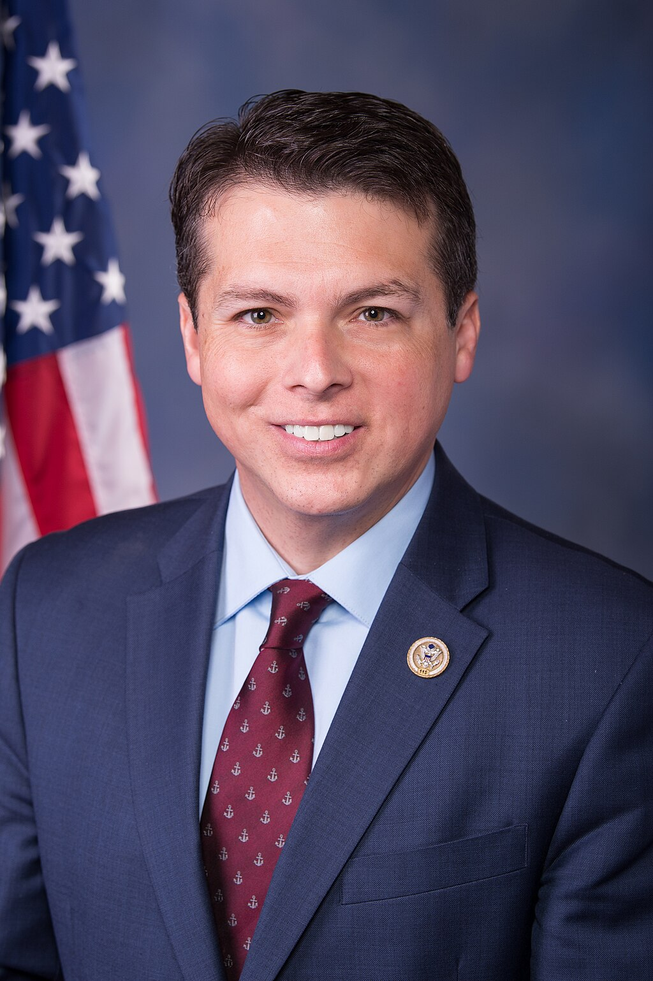
Co-Sponsor
-
TrackShontel M. Brown
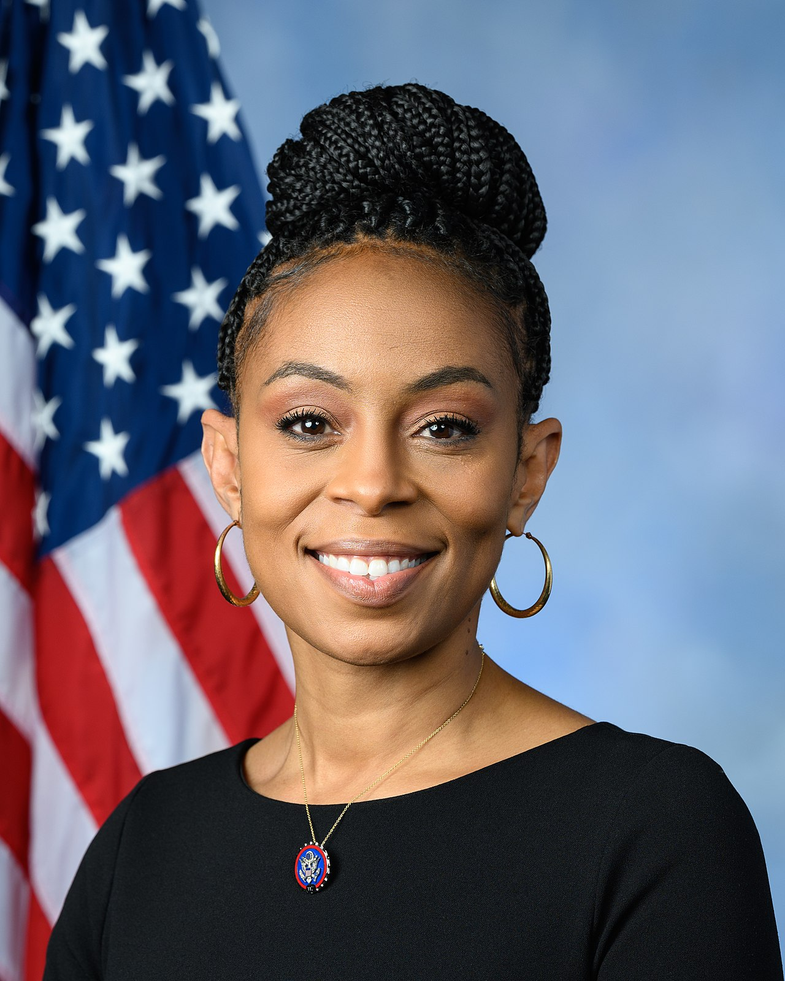
Co-Sponsor
-
TrackJudy Chu
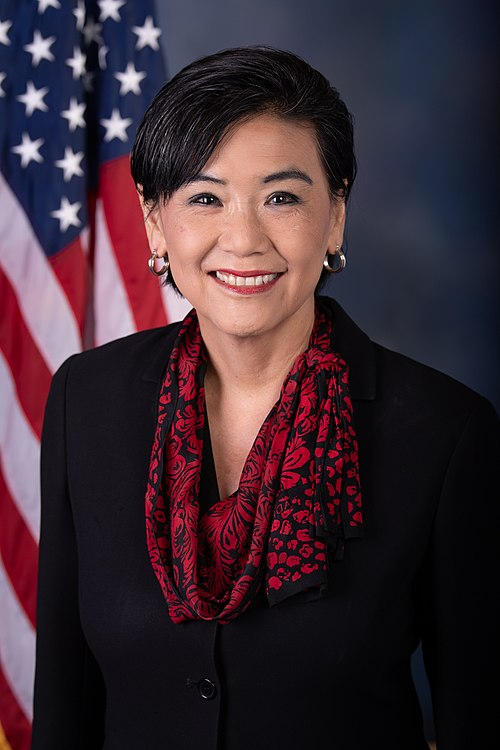
Co-Sponsor
-
TrackGilbert Ray Cisneros, Jr.
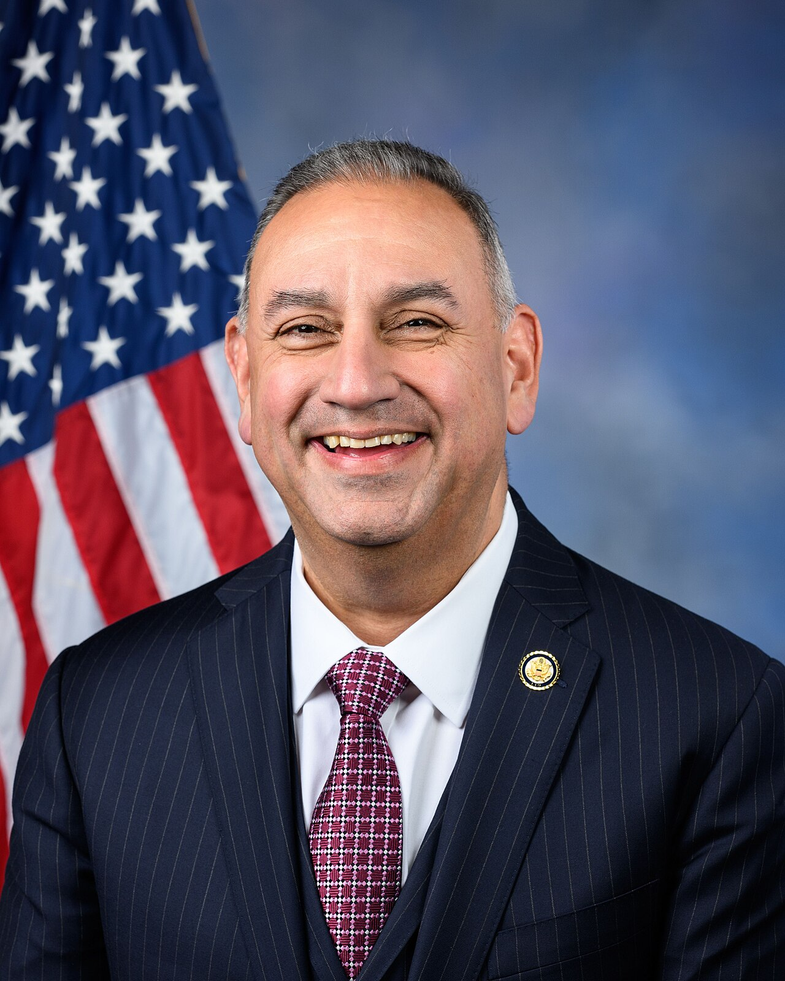
Co-Sponsor
-
TrackJasmine Crockett
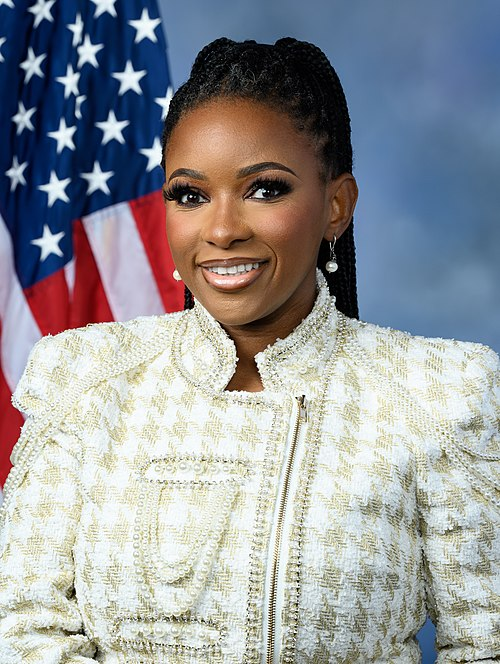
Co-Sponsor
-
TrackDanny K. Davis
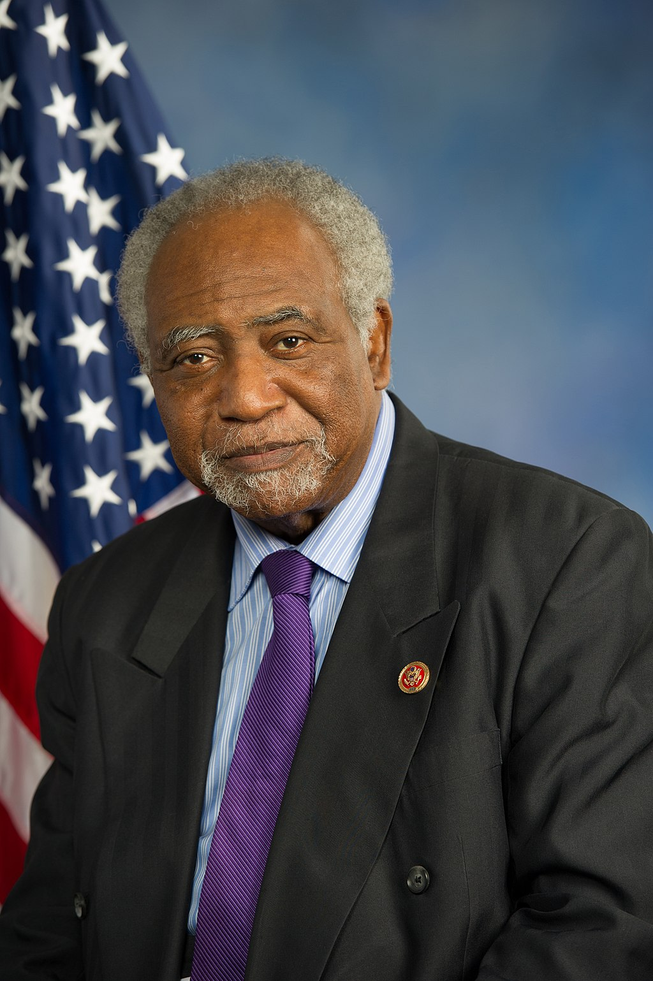
Co-Sponsor
-
TrackRosa L. DeLauro

Co-Sponsor
-
TrackMadeleine Dean

Co-Sponsor
-
TrackSuzan K. DelBene
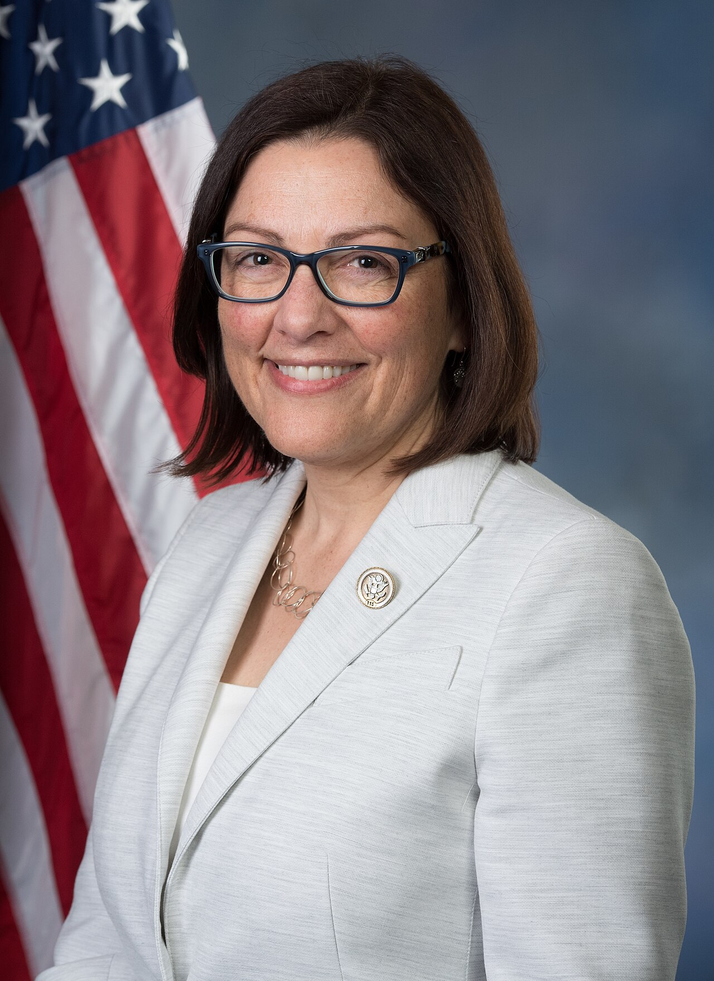
Co-Sponsor
-
TrackLloyd Doggett

Co-Sponsor
-
TrackDwight Evans
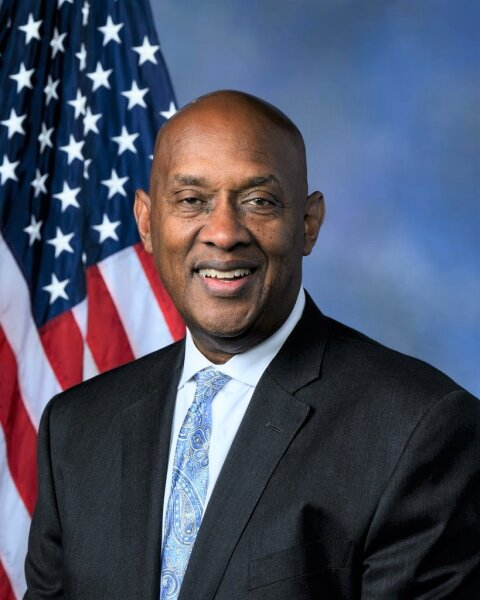
Co-Sponsor
-
TrackValerie P. Foushee
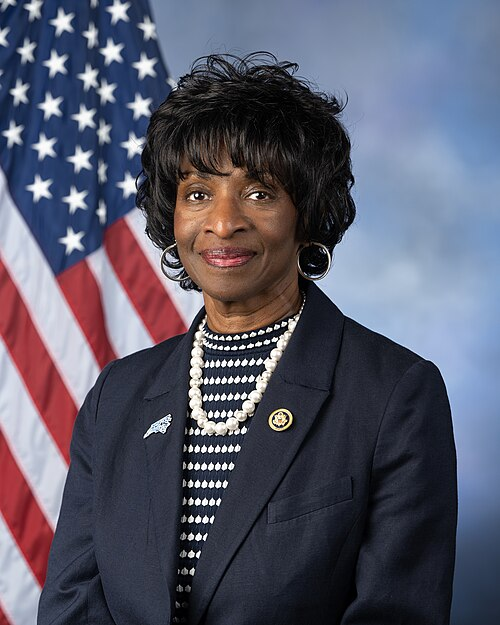
Co-Sponsor
-
TrackLois Frankel
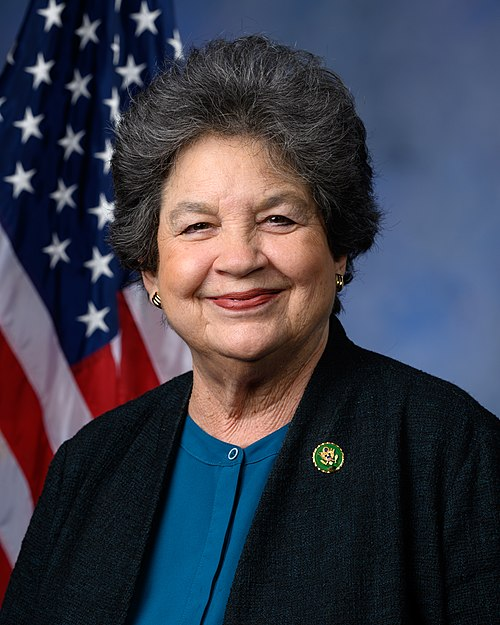
Co-Sponsor
-
TrackJohn Garamendi

Co-Sponsor
-
TrackRobert Garcia
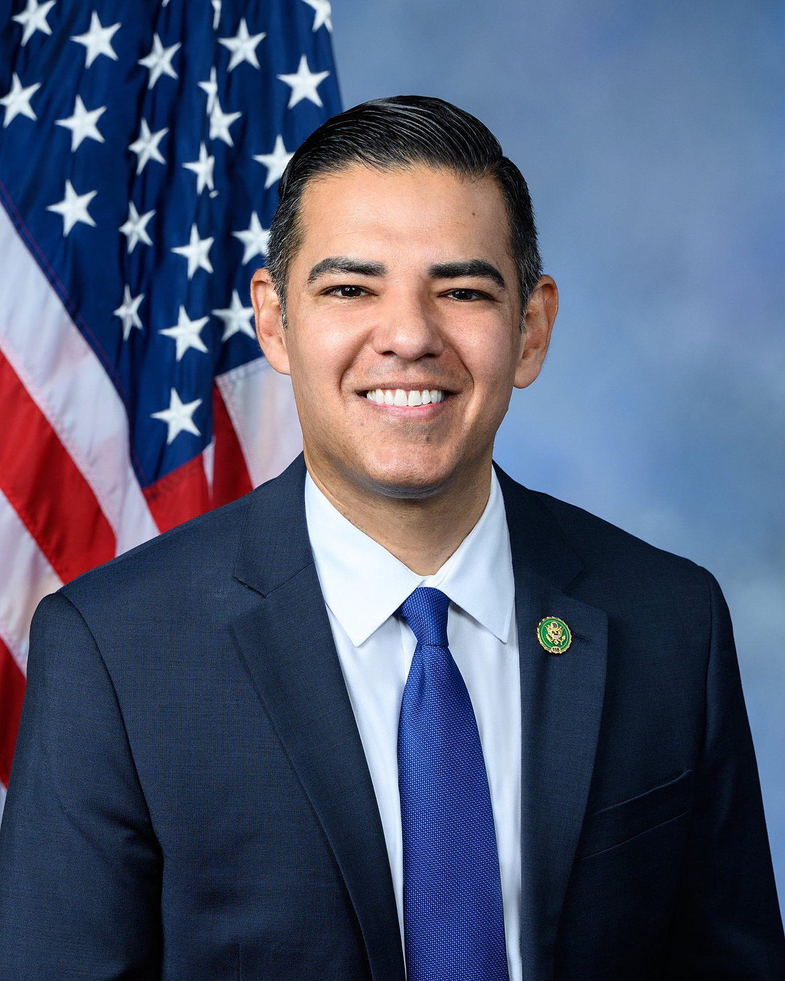
Co-Sponsor
-
TrackJimmy Gomez
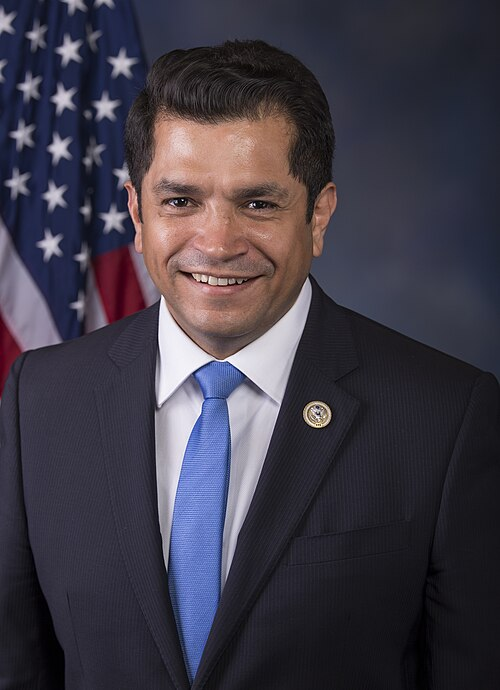
Co-Sponsor
-
TrackSteven Horsford
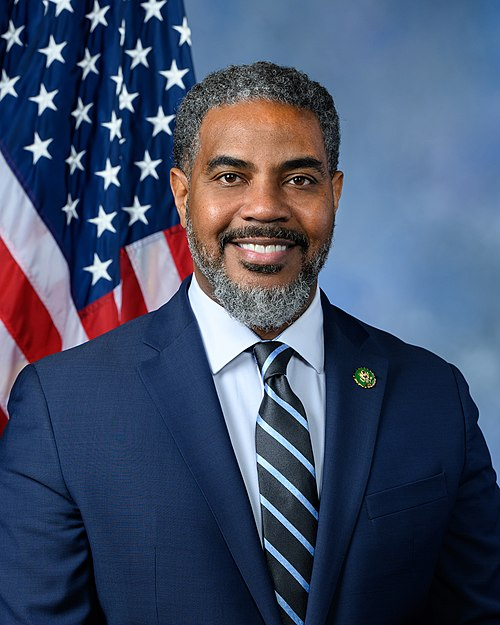
Co-Sponsor
-
TrackJared Huffman
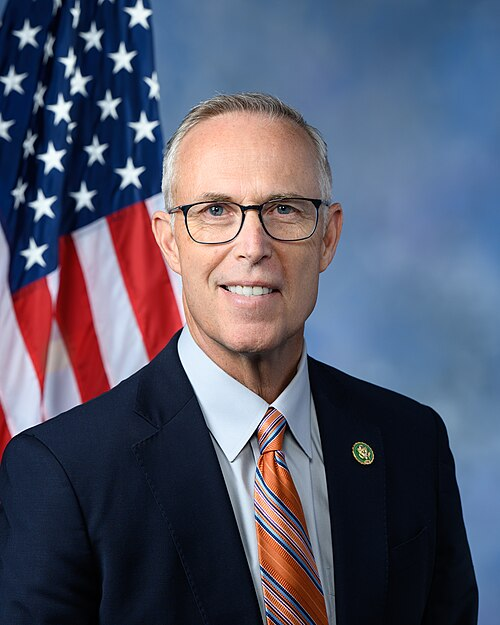
Co-Sponsor
-
TrackPramila Jayapal
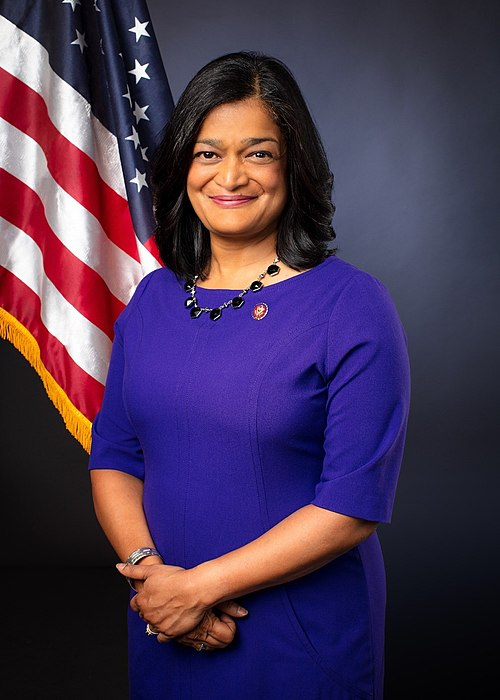
Co-Sponsor
-
TrackTimothy M. Kennedy
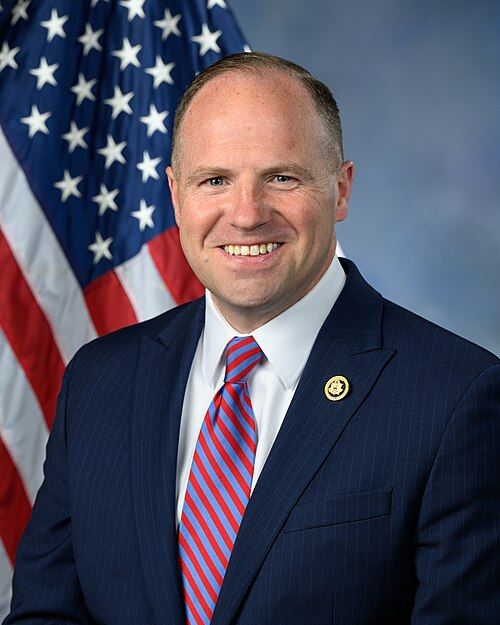
Co-Sponsor
-
TrackRo Khanna
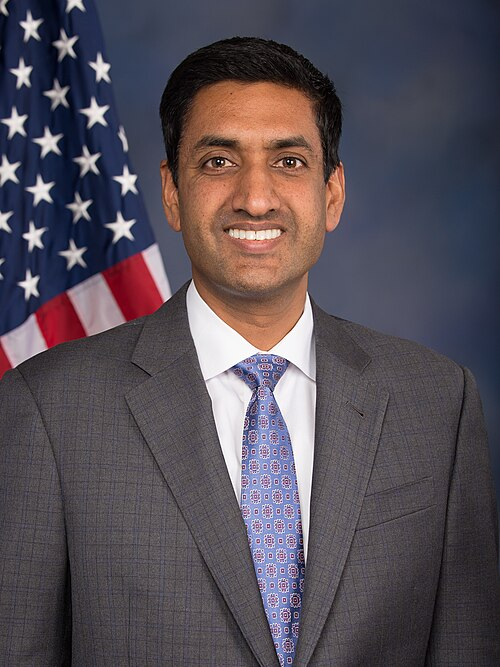
Co-Sponsor
-
TrackJohn B. Larson
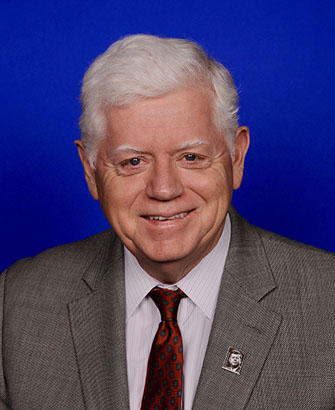
Co-Sponsor
-
TrackJohn Mannion

Co-Sponsor
-
TrackDoris O. Matsui

Co-Sponsor
-
TrackGwen Moore
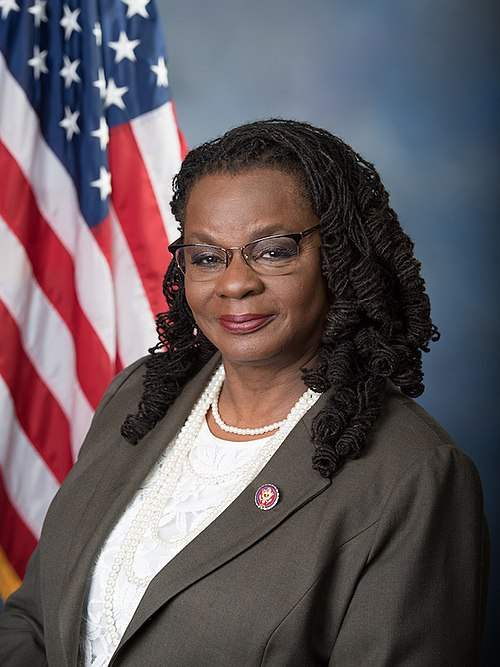
Co-Sponsor
-
TrackKevin Mullin
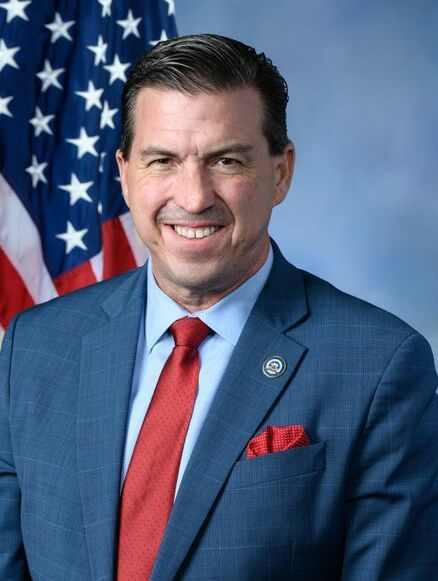
Co-Sponsor
-
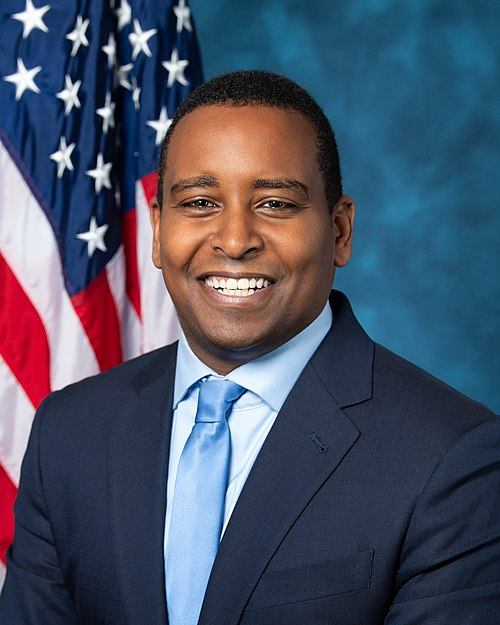
TrackJoe Neguse
Co-Sponsor
-
TrackEleanor Holmes Norton

Co-Sponsor
-
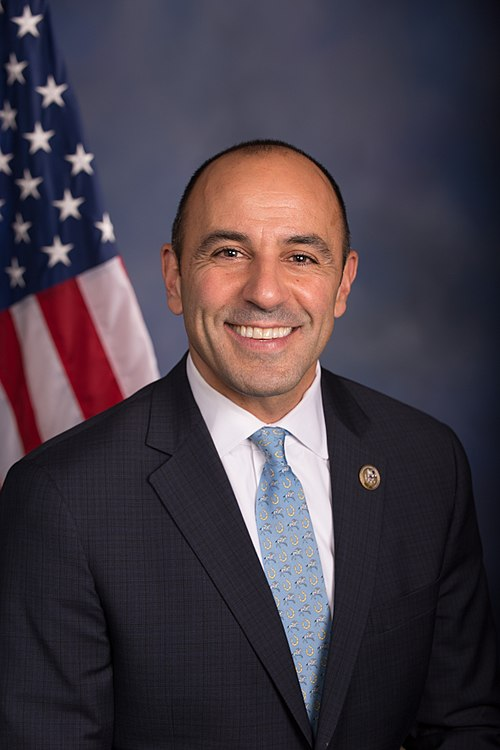
TrackJimmy Panetta
Co-Sponsor
-
TrackChellie Pingree

Co-Sponsor
-
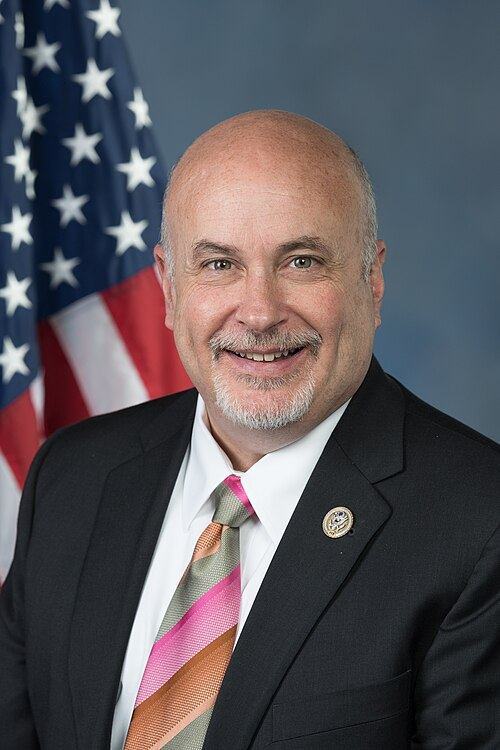
TrackMark Pocan
Co-Sponsor
-
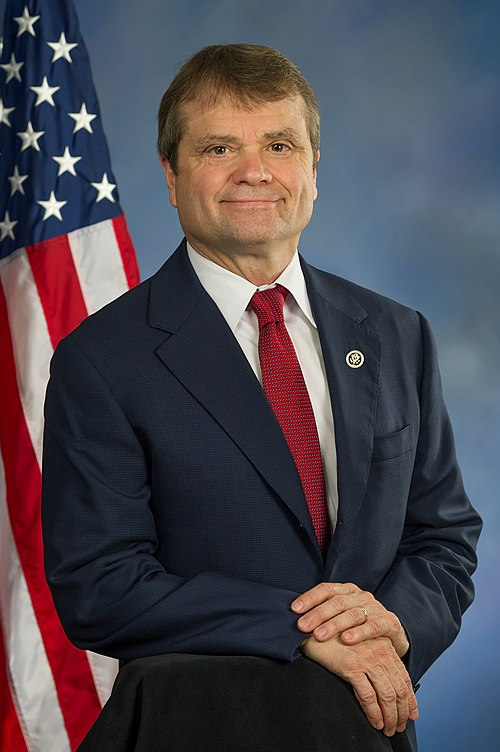
TrackMike Quigley
Co-Sponsor
-
TrackAndrea Salinas

Co-Sponsor
-
TrackJanice D. Schakowsky

Co-Sponsor
-
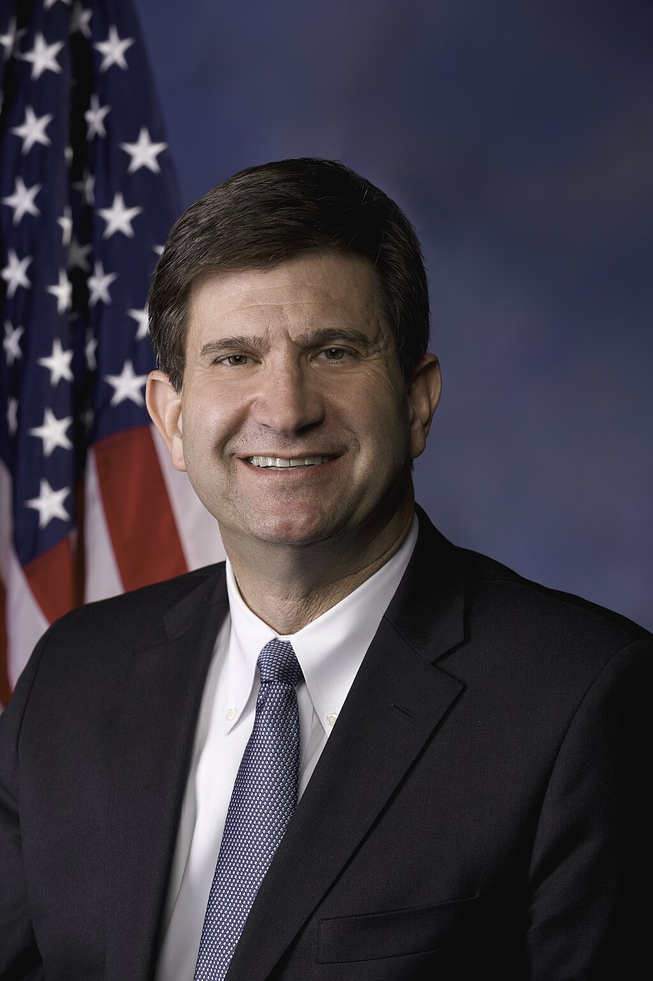
TrackBradley Scott Schneider
Co-Sponsor
-
TrackHillary J. Scholten

Co-Sponsor
-
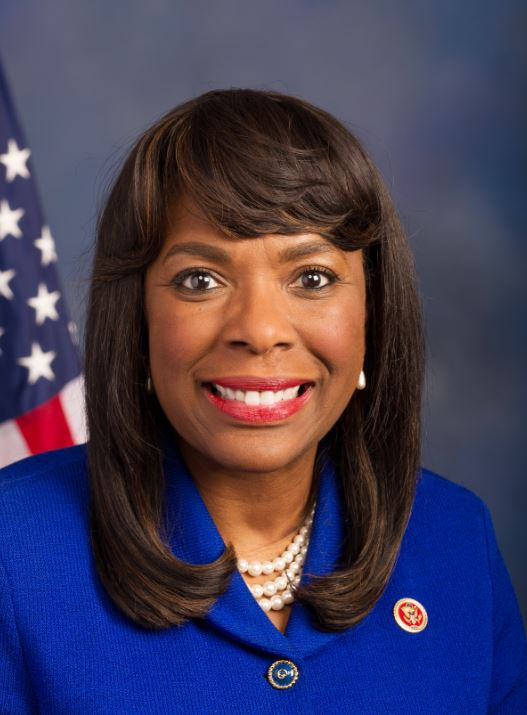
TrackTerri A. Sewell
Co-Sponsor
-
TrackMelanie A. Stansbury

Co-Sponsor
-
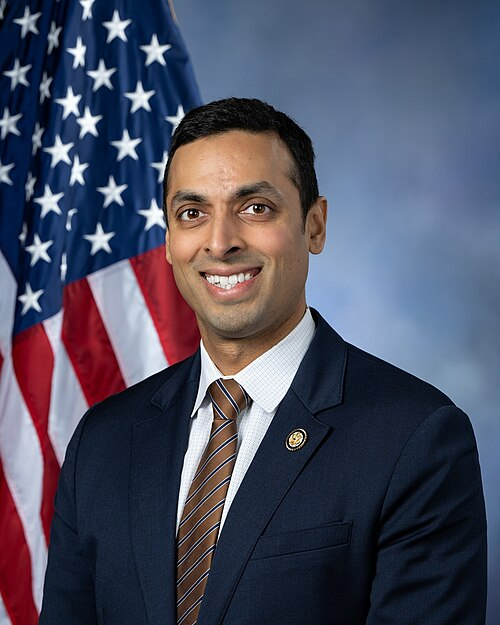
TrackSuhas Subramanyam
Co-Sponsor
-
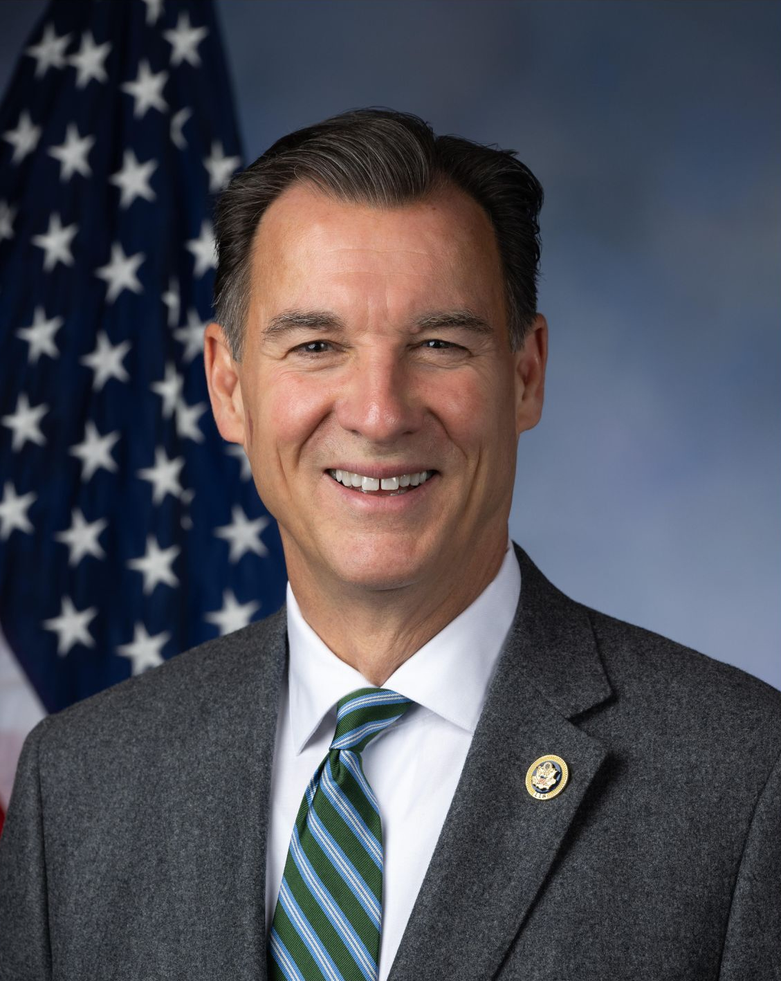
TrackThomas R. Suozzi
Co-Sponsor
-
TrackLinda T. Sánchez
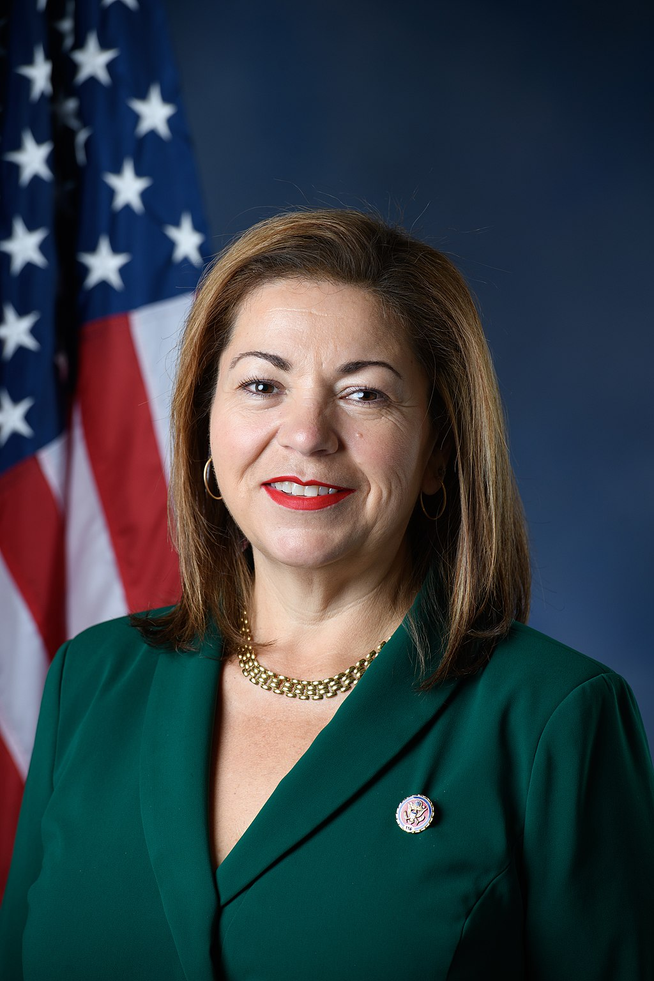
Co-Sponsor
-
TrackShri Thanedar
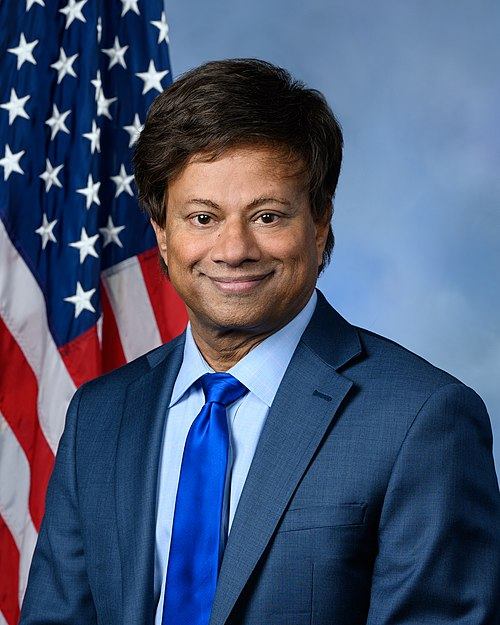
Co-Sponsor
-
TrackDerek Tran
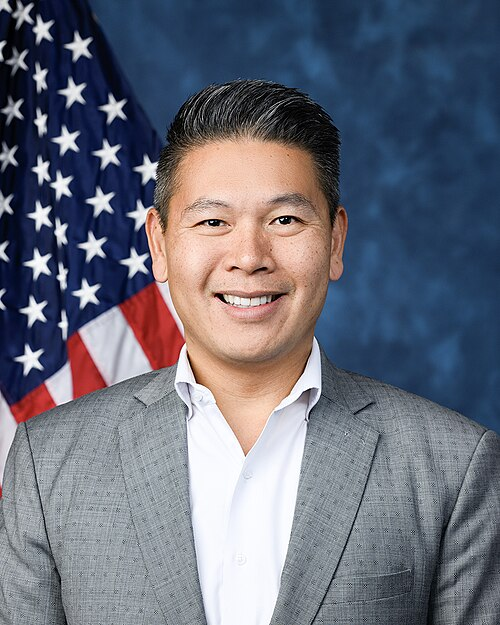
Co-Sponsor
-
TrackBonnie Watson Coleman
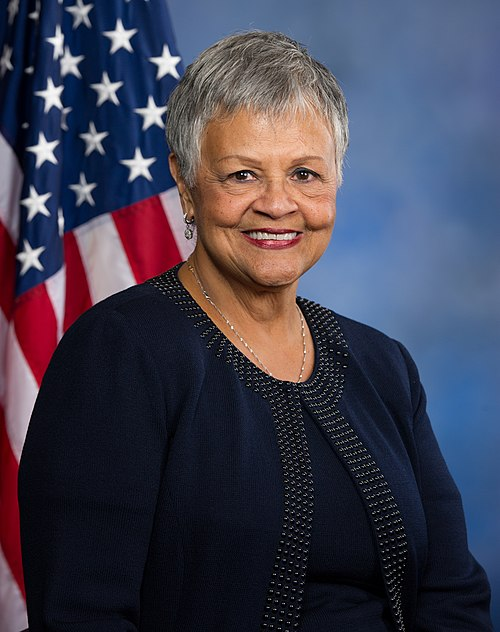
Co-Sponsor
-
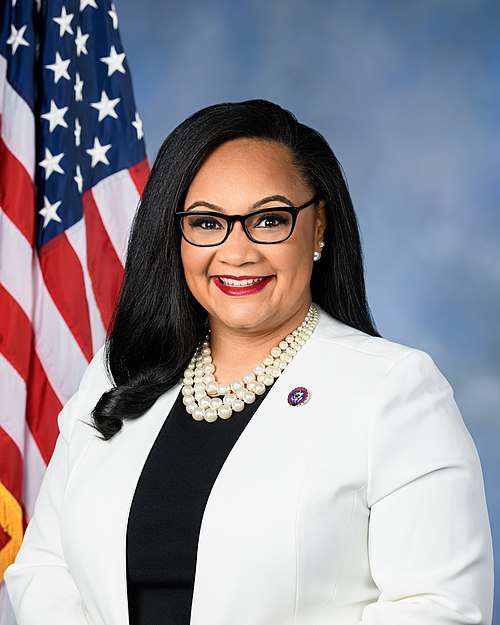
TrackNikema Williams
Co-Sponsor
Actions
2 actions
| Date | Action |
|---|---|
| May. 19, 2026 | Introduced in House |
| May. 19, 2026 | Referred to the House Committee on Ways and Means. |
Corporate Lobbying
0 companies lobbying
None found.
* Note that there can be significant delays in lobbying disclosures, and our data may be incomplete.
Potentially Relevant Congressional Stock Trades
No relevant congressional stock trades found.