H.R. 8799: Stop Scamming Truckers Act
This bill, titled the Stop Scamming Truckers Act, aims to regulate how private entities communicate with motor carriers regarding United States Department of Transportation (USDOT) numbers. The USDOT number is essential for businesses involved in commercial transportation, as it serves as a unique identifier for vehicles and companies within the trucking industry. Here’s a breakdown of what the bill proposes:
Findings
Congress recognizes that:
- The Federal Motor Carrier Safety Administration (FMCSA) oversees the issuance of USDOT numbers.
- Private companies often contact motor carriers about various USDOT number-related activities.
- Some of these communications may mislead recipients into thinking they are from a federal agency.
- Such misleading communications can create unnecessary costs for motor carriers, especially small businesses and owner-operators.
Required Disclosure
The bill establishes that any private entity communicating about USDOT numbers must include a disclosure statement that clearly indicates:
This communication is from a private company. We are not the Federal Motor Carrier Safety Administration, the Department of Transportation, or any other Federal Government agency, and we are not affiliated with the United States Government.
This disclosure must be:
- Prominently displayed on the first page of printed communications.
- Visible without needing to scroll in digital communications.
- Not obscured or minimized by other content.
Prohibited Representations
Private entities are prohibited from:
- Using any logos, seals, or names that might mistakenly suggest they are associated with the FMCSA or the DOT.
- Implying that a payment to them is necessary to obtain or maintain a USDOT number.
Private Right of Action
The bill allows individuals who receive misleading USDOT number communications to file a civil lawsuit against the offending parties. In such cases, the court can award:
- Actual damages, including any amounts paid to the company.
- Statutory damages ranging from $500 to $5,000 per violation.
- Injunctive relief or declaratory relief.
- Reasonable attorney's fees and costs.
The burden of proof for plaintiffs is lowered, as they do not need to demonstrate actual reliance or intent to deceive to obtain damages. There is a five-year statute of limitations for filing such claims.
Rule of Construction
The bill clarifies that it does not limit the enforcement authority of the FMCSA or the DOT, nor does it affect any state laws that provide greater protection against deceptive practices.
Definitions
Key terms in the bill are defined as follows:
- USDOT number communication: Any written, electronic, or digital message referencing the registration, issuance, renewal, updating, or maintenance of USDOT numbers, or compliance with federal motor carrier registration requirements.
- Covered entity: Any individual or organization that sends USDOT number communications (excluding government agencies).
- Legible font: A font that is easily readable, defined as at least 12-point size for printed materials, or the predominant font size in digital communications.
Relevant Companies
- FDX - FedEx Corporation: As a major player in the transportation sector, the company may need to adjust its communication practices to comply with the new disclosure rules.
- UPS - United Parcel Service, Inc.: Similar to FedEx, UPS will be affected by the new requirements regarding communicating about USDOT numbers.
- CHRW - C.H. Robinson Worldwide, Inc.: As a logistics firm, this company’s operations could be influenced by the disclosure regulations in the legislation.
This is an AI-generated summary of the bill text. There may be mistakes.
Sponsors
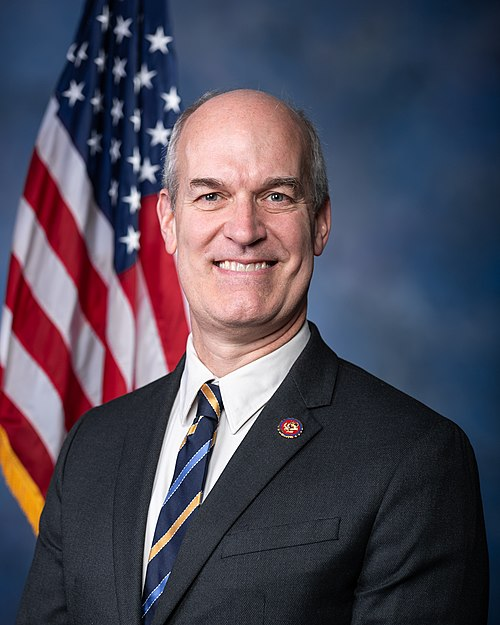
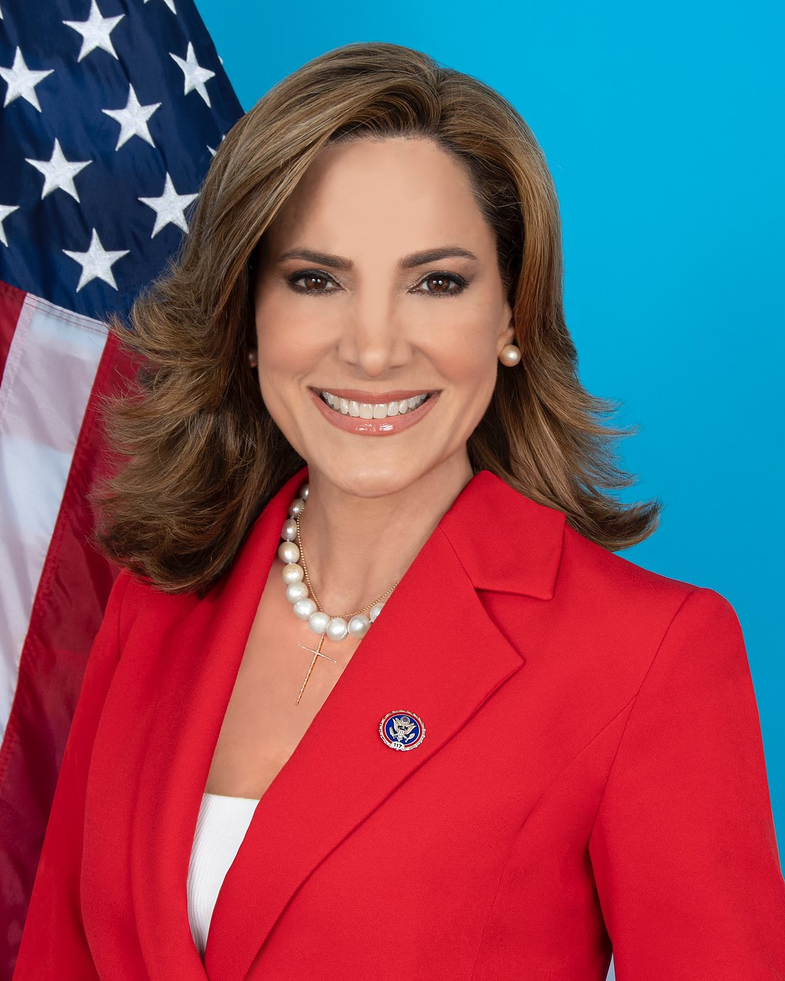
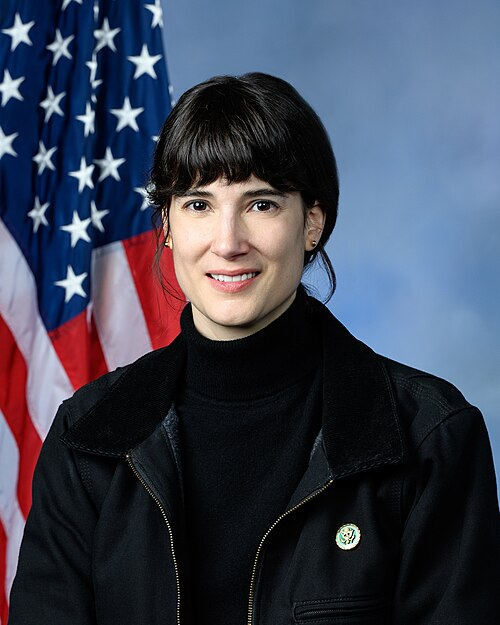
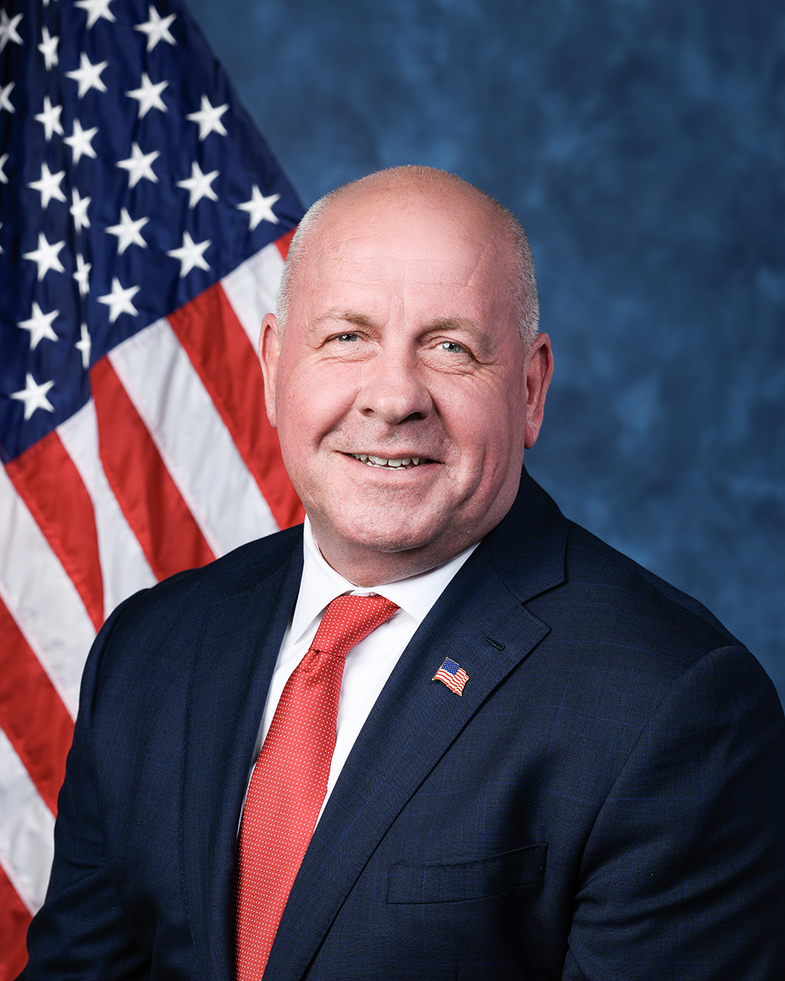
2 bill sponsors
Actions
2 actions
| Date | Action |
|---|---|
| May. 13, 2026 | Introduced in House |
| May. 13, 2026 | Referred to the House Committee on Transportation and Infrastructure. |
Corporate Lobbying
0 companies lobbying
None found.
* Note that there can be significant delays in lobbying disclosures, and our data may be incomplete.