
H.R. 8721: Preventing Foreign Interference in American Elections Act
This bill, titled the Preventing Foreign Interference in American Elections Act, aims to amend the Federal Election Campaign Act of 1971 to enhance the integrity of U.S. elections by preventing foreign interference. The main components of the bill can be summarized as follows:
Modifications to Foreign Money Ban
The bill proposes additional restrictions on foreign money in U.S. elections by revising Section 319(a)(1) of the Federal Election Campaign Act. Specifically, it adds new prohibitions on donations from foreign entities for several election-related activities, which include:
- Voter registration activities
- Ballot collection
- Voter identification
- Get-out-the-vote efforts
- Public communications that identify political parties
- Administration of elections
Prohibition on Aiding or Facilitating Violations
The bill enforces a prohibition against aiding or facilitating any violations related to the contributions from foreign entities. This includes any person who knowingly assists in a violation of the laws concerning foreign contributions.
Indirect Contributions
The bill clarifies that contributions can be considered "indirect" if they are made with the intent or instruction that the funds will be used for activities defined in the previous section. This aims to close loopholes that may allow foreign influence to occur indirectly.
Enforcement Provisions
The bill introduces new enforcement mechanisms, allowing those accused of violations to present a certification under penalty of perjury that asserts no violation took place. The Federal Election Commission (FEC) is also restricted in the scope of investigations, focusing only on the necessary facts to determine whether a violation occurred.
Reporting Requirements
Political committees and parties will be required to submit certified reports under penalty of perjury to confirm compliance with the updated foreign contribution bans. This applies to various types of contributions, including independent expenditures and electioneering communications.
Protecting Privacy of Donors to Tax-Exempt Organizations
The bill establishes restrictions on federal entities collecting or disclosing donor information from tax-exempt organizations. The government cannot require information that identifies any donor with certain exceptions, such as:
- The IRS, when acting in accordance with existing legal provisions
- The Secretary of the Senate and the Clerk of the House, under specific lobbying laws
- The FEC, when complying with election laws
- Entities responding to a lawful court order
Violating this privacy protection is classified as a felony, carrying significant penalties, including fines and imprisonment.
Effective Date
The bill stipulates that its provisions will take effect for donations and related reporting requirements following its enactment.
Relevant Companies
None found
This is an AI-generated summary of the bill text. There may be mistakes.
Sponsors
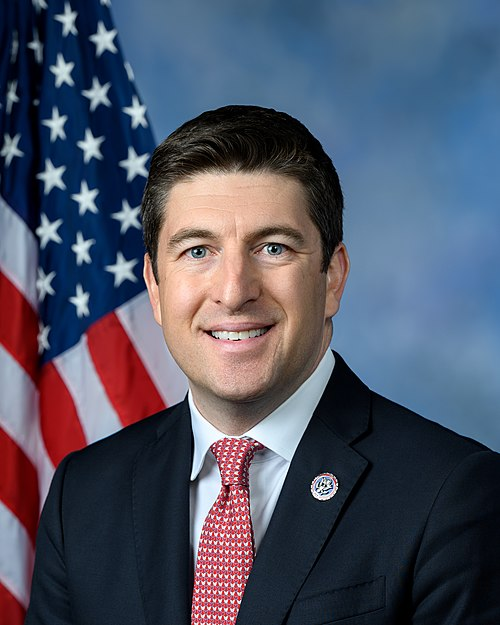
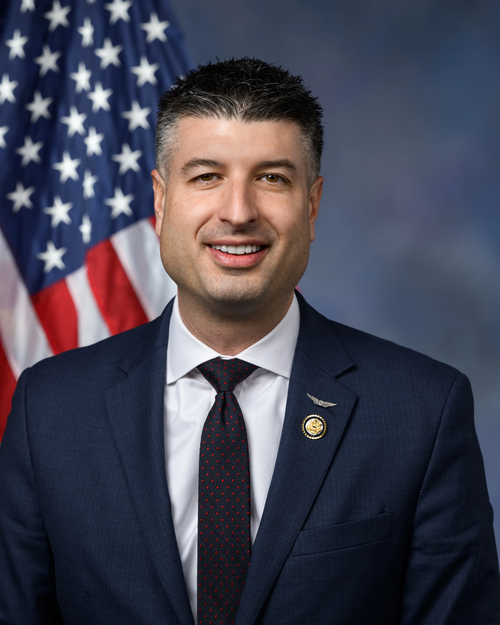
4 bill sponsors


Actions
4 actions
| Date | Action |
|---|---|
| May. 14, 2026 | Committee Consideration and Mark-up Session Held |
| May. 14, 2026 | Ordered to be Reported in the Nature of a Substitute by the Yeas and Nays: 8 - 3. |
| May. 11, 2026 | Introduced in House |
| May. 11, 2026 | Referred to the Committee on House Administration, and in addition to the Committee on Oversight and Government Reform, for a period to be subsequently determined by the Speaker, in each case for consideration of such provisions as fall within the jurisdiction of the committee concerned. |
Corporate Lobbying
0 companies lobbying
None found.
* Note that there can be significant delays in lobbying disclosures, and our data may be incomplete.
Potentially Relevant Congressional Stock Trades
No relevant congressional stock trades found.