H.R. 8714: Skill Savings Account Act of 2026
This bill, known as the Skill Savings Account Act of 2026, proposes to create a new type of savings account called a "skill savings account" aimed at providing financial support for eligible employees who wish to pay for qualified education expenses. Here is a breakdown of the key components of the bill:
Establishment of Skill Savings Accounts
The bill introduces "skill savings accounts," which are special trust accounts created to cover educational expenses. These accounts are designed for individuals who are employed in the United States and are not dependents of another taxpayer.
Tax Benefits
- Exclusion from Gross Income: Contributions made by either the employee or their employer to a skill savings account will not be included in the employee’s gross income. This means that employees do not pay taxes on the money contributed to these accounts.
- Contribution Limits: For employer contributions, the exclusion limit is set at $5,250 annually, reduced by any amounts already excluded under a different provision. For employee contributions, the limit is $10,000 per year.
Qualifying Contributions and Expenses
Contributions to the skill savings accounts must be made in cash, and the accounts must exclusively be used to pay for qualified education expenses. These expenses would be similar to those defined in current educational assistance provisions, facilitating various educational pursuits such as courses, certifications, or training programs.
Distribution Rules
Funds withdrawn from a skill savings account must be used exclusively for qualified education expenses. If funds are used for other purposes, they will be included in the employee’s gross income and may incur a 20% additional tax if the account holder is under age 65.
Trust Structure and Management
The skill savings account must be set up as a trust managed by a bank or an approved institution, ensuring the proper handling of the funds. Certain regulatory requirements around reporting contributions and distributions are also established, allowing oversight by the Secretary of the Treasury.
Implementation Timeline
The Secretary of the Treasury is required to create and issue implementing regulations for the bill's provisions within one year of the enactment of the law, which is expected to take effect for taxable years beginning after December 31, 2025.
Excess Contributions
The bill addresses excess contributions to skill savings accounts, defining how these will be treated and the potential for returning excess contributions to avoid tax consequences.
Relevant Companies
- HSBC: As a major financial institution, HSBC may be involved in managing skill savings accounts, providing services related to these new accounts.
- JPM: JPMorgan Chase, as a leading bank, might also facilitate these accounts and offer related financial products.
- BK: BlackRock may engage in managing investments for these accounts, as they handle various investment funds and trusts.
This is an AI-generated summary of the bill text. There may be mistakes.
Sponsors
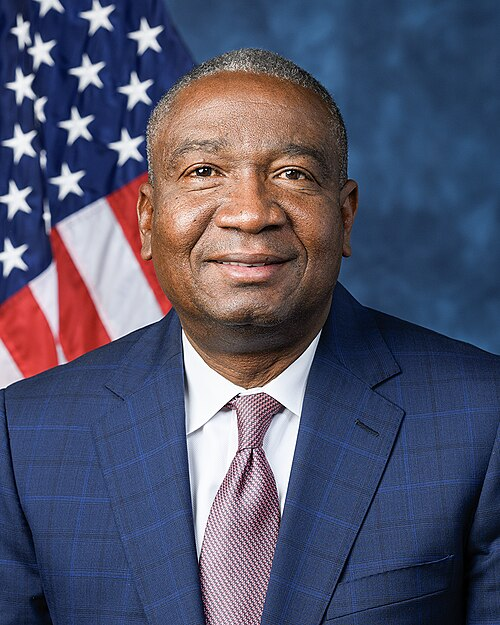
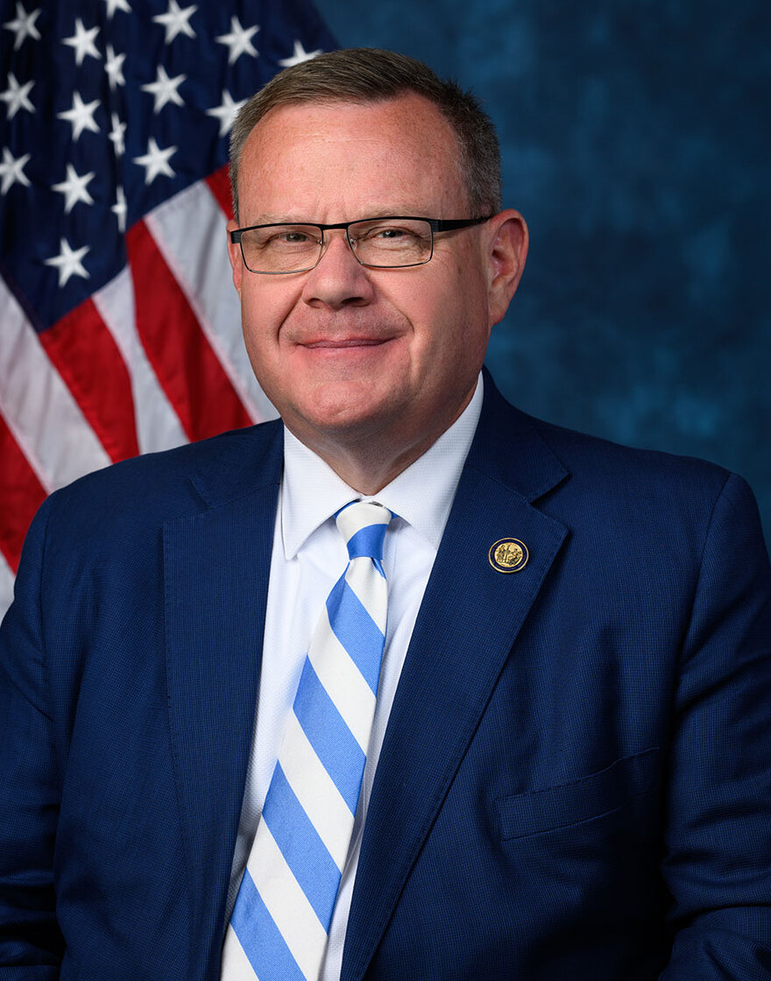
2 bill sponsors


Actions
2 actions
| Date | Action |
|---|---|
| May. 07, 2026 | Introduced in House |
| May. 07, 2026 | Referred to the House Committee on Ways and Means. |
Corporate Lobbying
0 companies lobbying
None found.
* Note that there can be significant delays in lobbying disclosures, and our data may be incomplete.