
H.R. 8704: Sanctioning Threats and Aggression to Bolster Lasting Enforcement and Disrupt Regional Conflict Act
This bill, known as the "Sanctioning Threats and Aggression to Bolster Lasting Enforcement and Disrupt Regional Conflict Act," aims to impose sanctions on foreign individuals or entities that violate or undermine the Washington Accords, which are a set of agreements between the Democratic Republic of the Congo (DRC) and Rwanda, intended to ensure peace and respect for sovereignty in the region.
Key Points of the Bill
1. Context and Findings
The bill outlines the following findings to provide context for the proposed sanctions:
- The Rwandan Defense Forces have supported a rebel group known as the March 23rd Movement (M23) in eastern DRC.
- The DRC's armed forces have supported another armed group called the Democratic Forces for the Liberation of Rwanda (FDLR), which has a history linked to the Rwandan genocide.
- Both M23 and FDLR are accused of committing war crimes and human rights abuses.
- The Washington Accords require both nations to respect each other's sovereignty and not engage in hostile actions against one another.
2. U.S. Policy Statement
The U.S. government declares its policy intentions:
- To acknowledge the sovereignty and territorial integrity of both the DRC and Rwanda.
- To view the conflict in eastern DRC as a threat to regional peace and U.S. interests in Central Africa.
- To use sanctions as a means to support the Washington Accords and try to end the conflict.
3. Sanctions Authority
The bill gives the President the authority to impose sanctions on foreign individuals or entities that violate or undermine the Washington Accords. The specific sanctions may include:
- Asset Blocking: The President can block transactions involving the assets of sanctioned individuals or entities if those assets are in the U.S.
- Visa Restrictions: Individuals subject to sanctions would be denied visas and entry into the U.S., and any existing visas would be revoked.
4. Exceptions to Sanctions
There are certain exceptions where sanctions would not apply:
- If admitting an individual is necessary for the U.S. to meet international obligations.
- If the activity involves humanitarian assistance, such as the provision of food, medicine, or other emergency support.
- For authorized intelligence, law enforcement, or national security actions by the U.S. government.
5. Implementation and Duration
The President is required to establish a program to implement these sanctions, and the authority to impose such sanctions will expire seven years after the enactment of the bill.
6. Definitions
The bill includes definitions for terms used, clarifying what constitutes a "foreign person" and "U.S. person" for the purposes of the sanctions.
Relevant Companies
- None found
This is an AI-generated summary of the bill text. There may be mistakes.
Sponsors
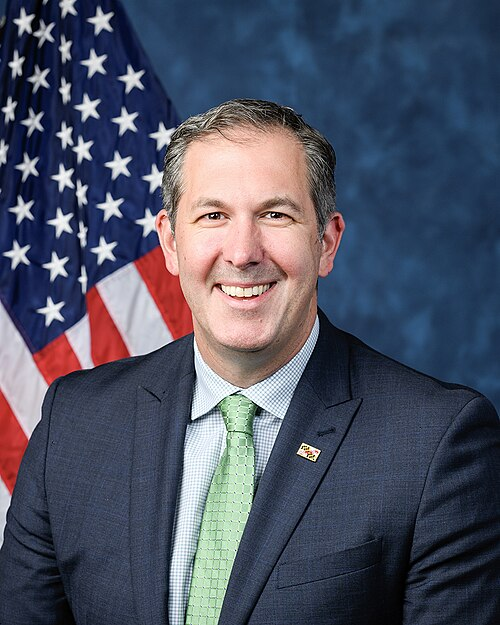
1 sponsor
Actions
2 actions
| Date | Action |
|---|---|
| May. 07, 2026 | Introduced in House |
| May. 07, 2026 | Referred to the Committee on Foreign Affairs, and in addition to the Committee on the Judiciary, for a period to be subsequently determined by the Speaker, in each case for consideration of such provisions as fall within the jurisdiction of the committee concerned. |
Corporate Lobbying
0 companies lobbying
None found.
* Note that there can be significant delays in lobbying disclosures, and our data may be incomplete.
Potentially Relevant Congressional Stock Trades
No relevant congressional stock trades found.