H.R. 8698: Lower Prices at the Pump Act
The Lower Prices at the Pump Act
aims to combat excessive pricing of gasoline and petroleum products that could arise during times of increased geopolitical tensions, particularly in relation to military operations against Iran. Here are the main components of the bill:
Prohibition on Excessive Pricing
The bill establishes a prohibition against selling gasoline and petroleum distillates at prices deemed excessively high during a designated period. This prohibition applies to both wholesale and retail sales. Specifically, sellers cannot increase prices unreasonably to exploit circumstances related to military actions against Iran, which began in March 2026.
Determining Price Excessiveness
Factors that will be assessed to determine if a price is excessively high include:
- Whether the price significantly exceeds the seller's average price over the month preceding February 28, 2026.
- Whether it exceeds prices from competitors in the same area during the same timeframe.
- Whether the price reflects additional costs or risks that are outside the seller’s control.
- Whether the price is influenced by market conditions (local, regional, national, or international).
- Whether the quantity sold has increased compared to the same period a year earlier.
Enforcement Mechanisms
The Federal Trade Commission (FTC) is empowered to enforce the provisions of this bill as they pertain to unfair or deceptive practices. Violators may face legal challenges and penalties:
- Violations can result in civil actions brought by both state authorities and the FTC.
- States can pursue civil actions if they believe their residents are adversely affected by inappropriate pricing practices.
- Criminal penalties may also be imposed for serious violations, with fines up to $500 million for individuals found guilty of such actions.
Funding for Consumer Relief
Fines collected under this bill will be directed into a Consumer Relief Trust Fund. The funds will be used to support low-income residents through:
- The Low Income Home Energy Assistance Program (LIHEAP).
- The Weatherization Assistance Program (WAP), which helps improve energy efficiency in homes.
Definitions
Key terms are clearly defined in the bill, including:
Commission
: Referring to the Federal Trade Commission.Retail
: Any sale to end users, including consumers and businesses.Wholesale
: Sale of petroleum products at terminals or delivered to retail outlets.
Impact on Existing Laws
The bill confirms that it does not limit the authority of the FTC to take enforcement actions beyond those provided herein, nor does it preempt any state laws that protect consumers from pricing abuses.
Relevant Companies
- XOM (Exxon Mobil Corporation): As a major oil company, it may face scrutiny regarding pricing strategies during geopolitical tensions.
- CVX (Chevron Corporation): Another large oil producer that could be affected by pricing regulations and enforcement actions.
This is an AI-generated summary of the bill text. There may be mistakes.
Sponsors
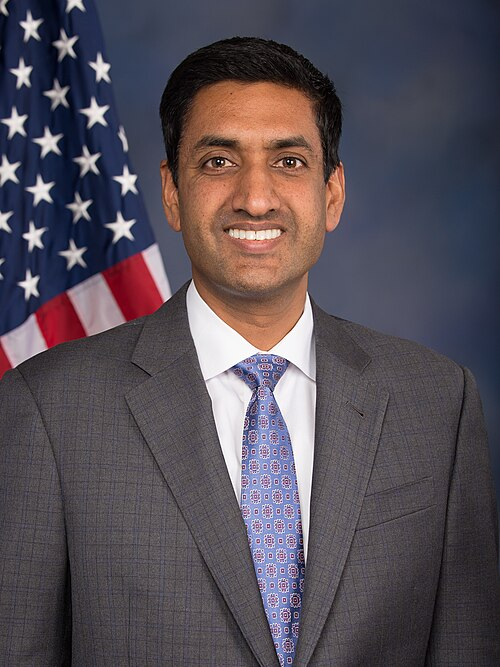
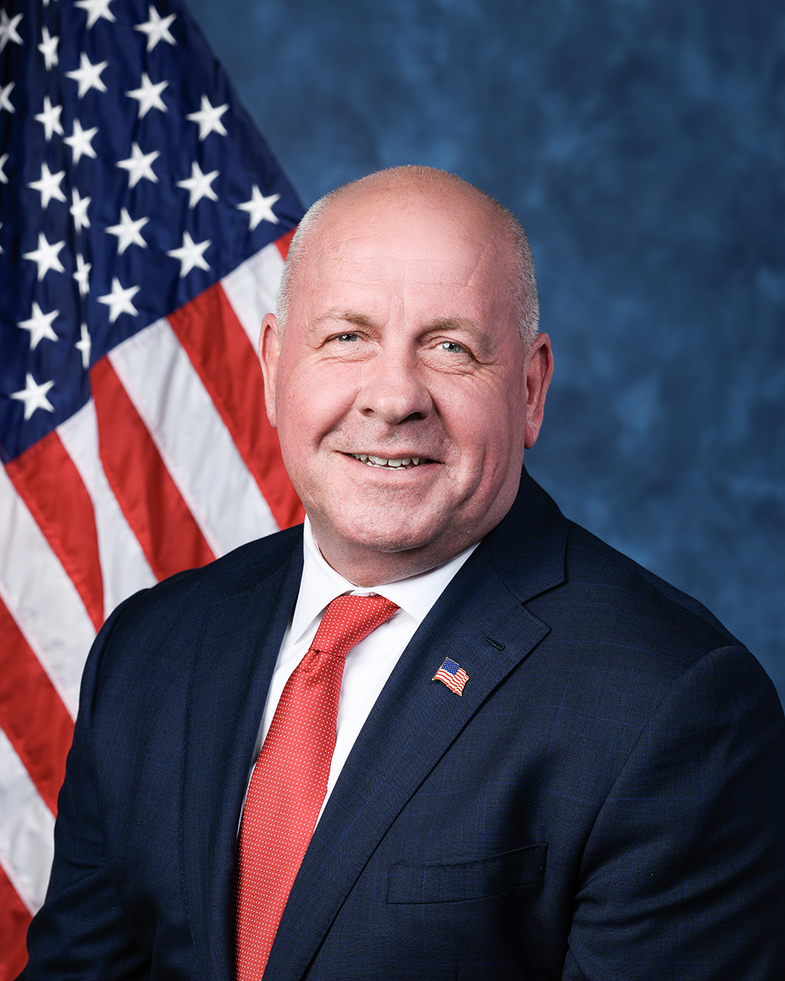
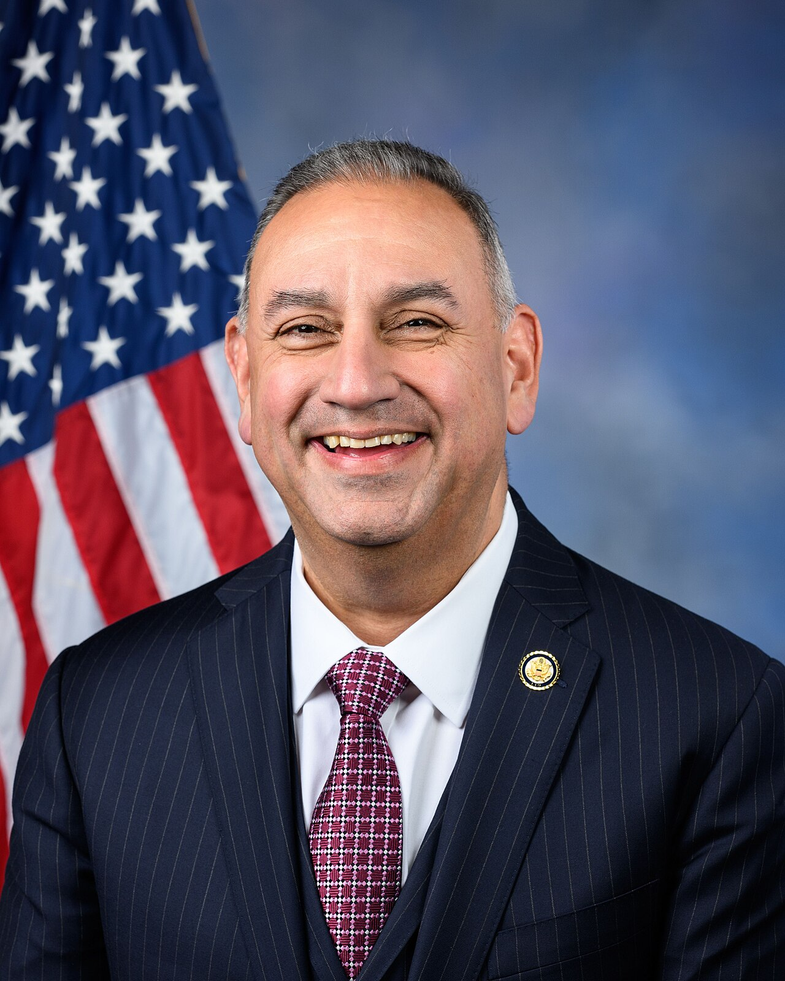
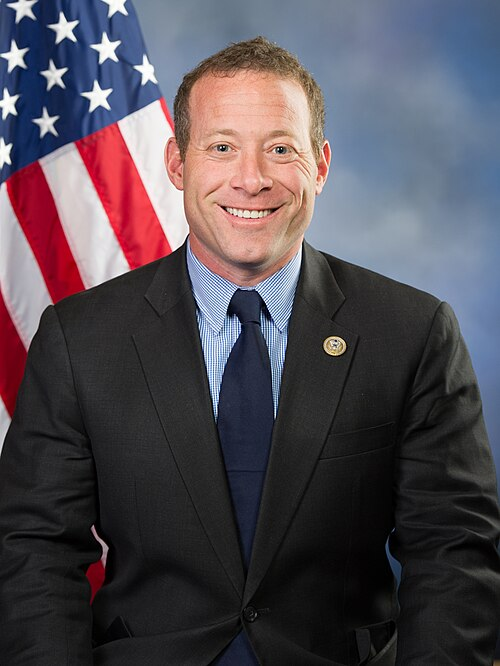
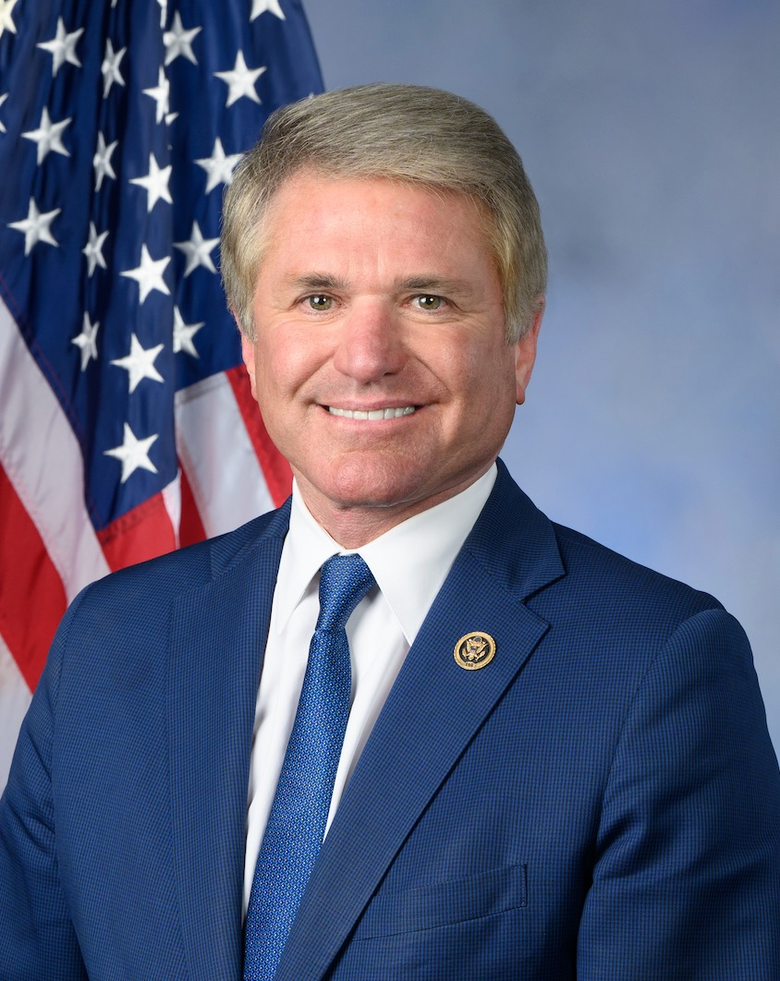
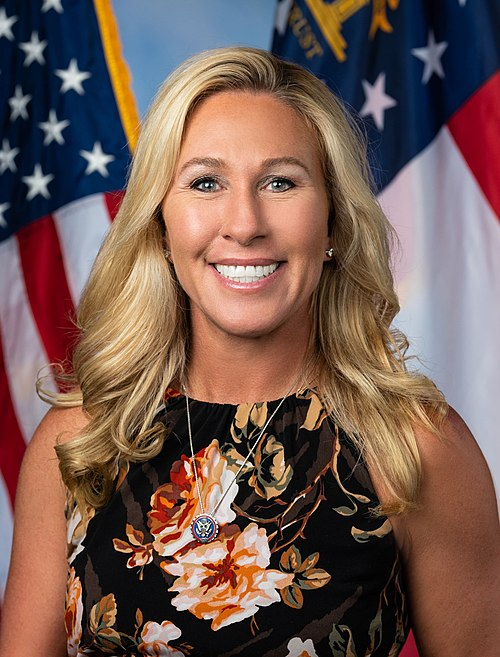
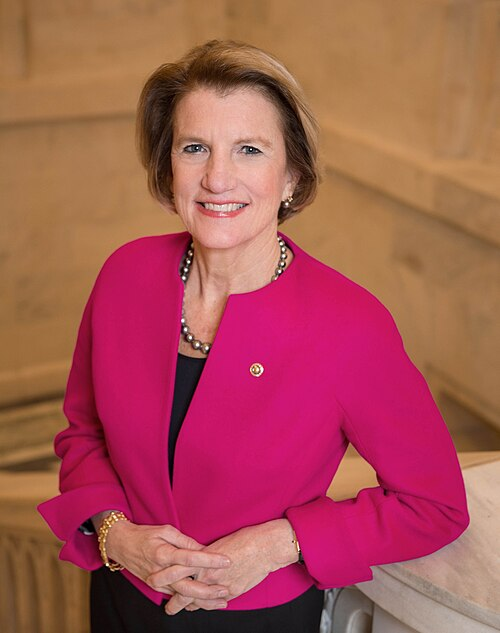
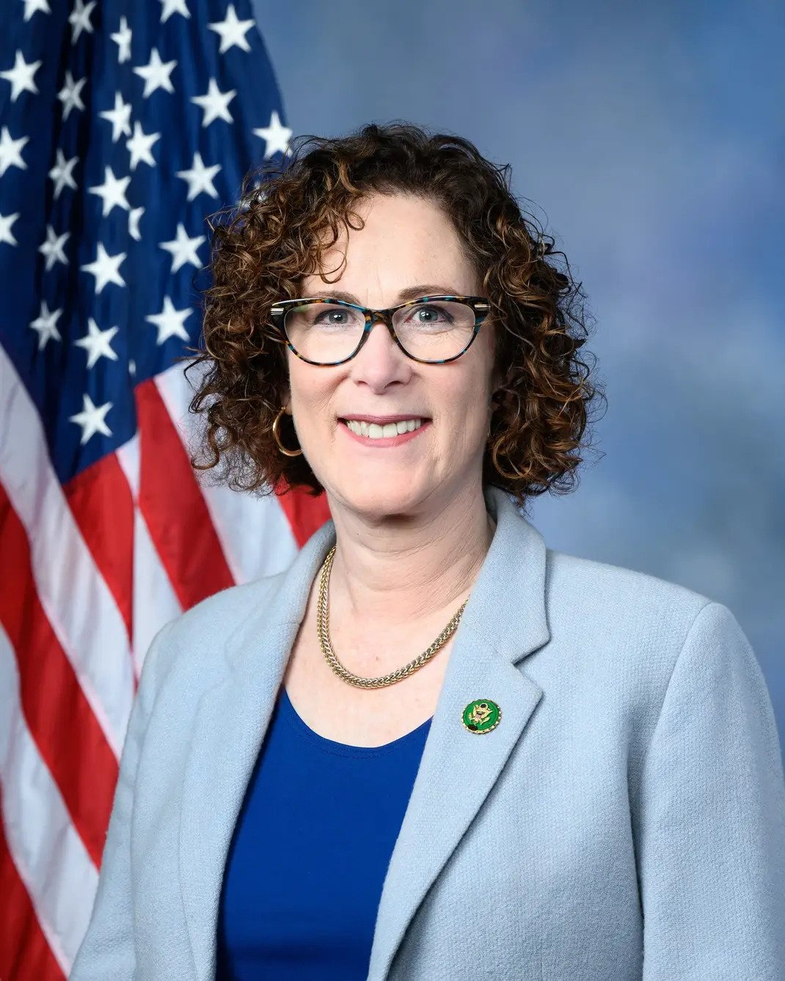
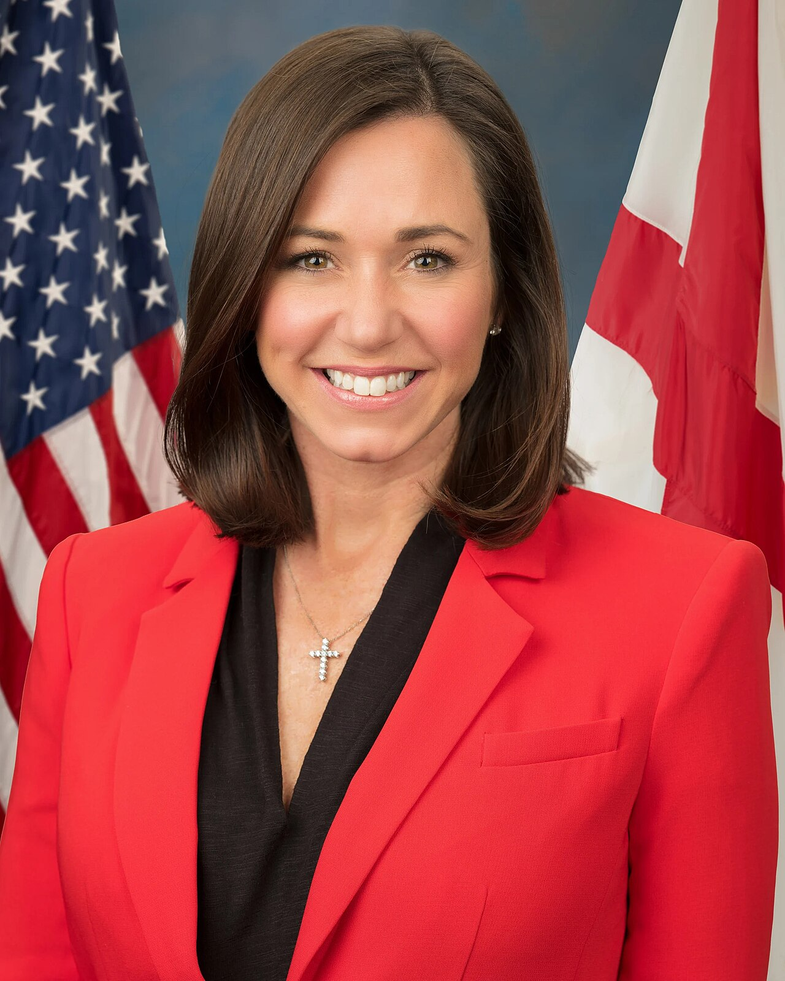
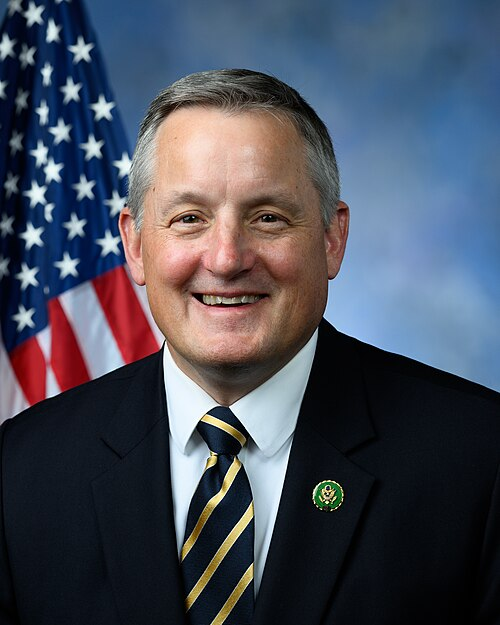
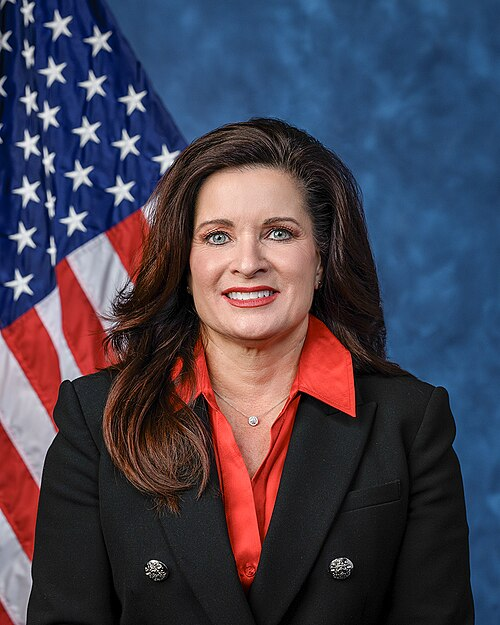
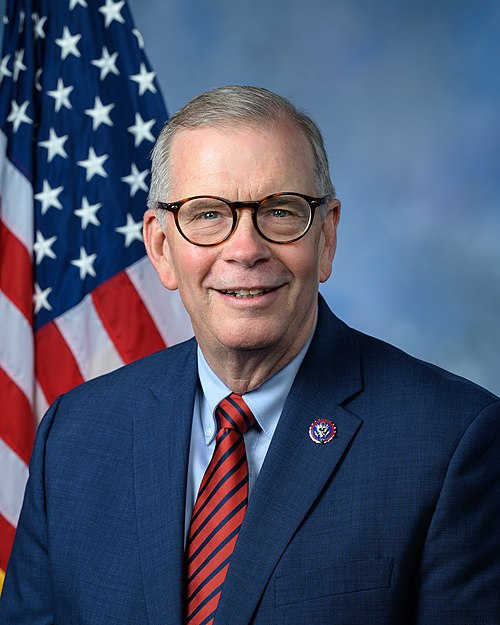
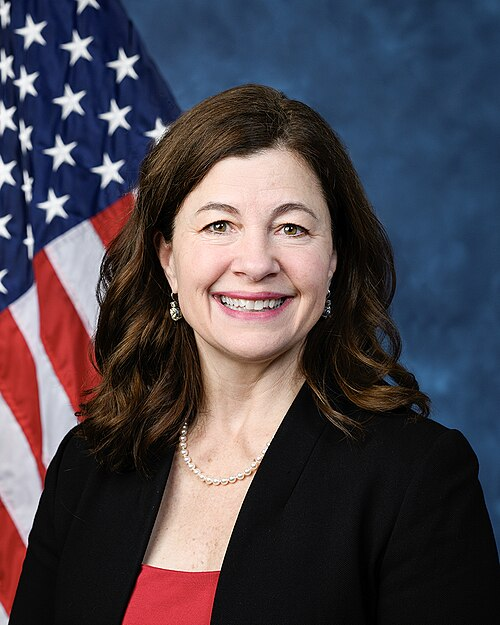
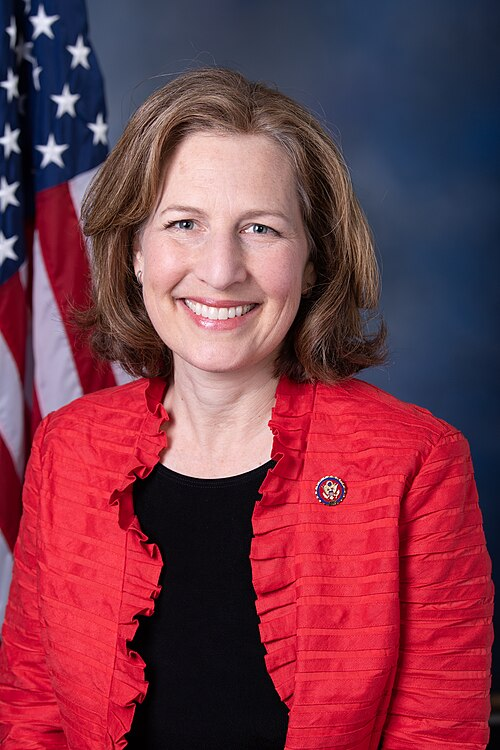
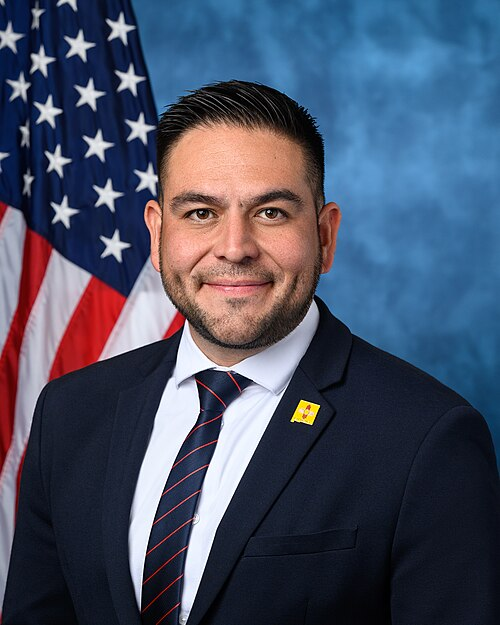
3 bill sponsors
Actions
2 actions
| Date | Action |
|---|---|
| May. 07, 2026 | Introduced in House |
| May. 07, 2026 | Referred to the Committee on Energy and Commerce, and in addition to the Committee on Education and Workforce, for a period to be subsequently determined by the Speaker, in each case for consideration of such provisions as fall within the jurisdiction of the committee concerned. |
Corporate Lobbying
0 companies lobbying
None found.
* Note that there can be significant delays in lobbying disclosures, and our data may be incomplete.