H.R. 8671: Bank Fraud Technology Advancement Act of 2026
This bill, titled the Bank Fraud Technology Advancement Act of 2026, aims to enhance fraud detection and prevention in the banking sector by requiring federal banking agencies to conduct a study on advanced technologies. Here’s a breakdown of what the bill entails:
Objectives
The primary goal of this legislation is to evaluate how advanced technologies can be applied to detect and prevent financial fraud, particularly focusing on community financial institutions such as credit unions and smaller banks.
Study Requirements
The study will involve several key components:
- Current Use and Effectiveness: Assess how existing advanced fraud detection technologies are being used by various financial institutions, their effectiveness in reducing fraud, and the barriers that hinder their adoption.
- Access for Community Institutions: Investigate the challenges smaller community banks and credit unions face in accessing these technologies and propose options to improve their access.
- AI and Machine Learning: Explore the role of artificial intelligence and machine learning in detecting fraud and managing risks associated with these technologies.
- Information Sharing: Evaluate how improved information sharing and public-private partnerships could bolster fraud detection capabilities.
- Payment System Risks: Analyze the fraud risks in electronic payments and how advanced analytics might mitigate these risks while maintaining payment system integrity.
- Regulatory Considerations: Discuss how current regulations may impede technological innovation in fraud detection and suggest means to alleviate these barriers.
Reporting and Recommendations
After conducting the study, the federal banking agencies are required to issue a report within 18 months. This report must include:
- Findings from the study.
- Legislative, regulatory, or supervisory recommendations to enhance fraud detection capabilities, including collaborative platforms and guidance for responsible technology use.
- Suggestions for pilot programs targeted at community financial institutions to pilot advanced fraud detection technologies.
Community Bank Fraud Technology Pilot Program
The bill allows for the establishment of a voluntary pilot program to support community financial institutions in accessing advanced fraud detection tools. This program could include:
- Pooled procurement models for shared access to technologies.
- Technical support and validation assistance.
- Standardized templates for vendor management.
- Clear regulatory guidelines regarding model governance expectations.
- Collaboration for sharing anonymized fraud data.
Definitions
The bill provides clarity on certain terms, including:
- Advanced Fraud Detection Technology: Technologies like artificial intelligence, machine learning, and blockchain that help detect and prevent fraud.
- Community Financial Institutions: These refer to smaller banks and credit unions that may struggle with adopting advanced technology due to their size and resources.
Relevant Companies
- JPMorgan Chase (JPM): As a major bank, they may need to adapt to regulatory changes and technological advancements proposed in the bill.
- U.S. Bancorp (USB): Similar to JPMorgan, they will likely be affected by new technologies and regulatory needs, particularly if the study reveals effective innovations for fraud detection.
- Wells Fargo (WFC): Given its large consumer base, it may be required to upgrade or reassess its fraud detection mechanisms in light of findings from the study.
This is an AI-generated summary of the bill text. There may be mistakes.
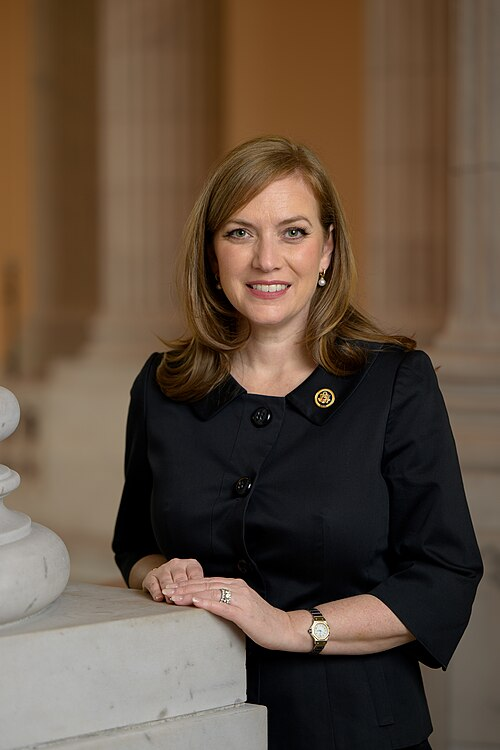
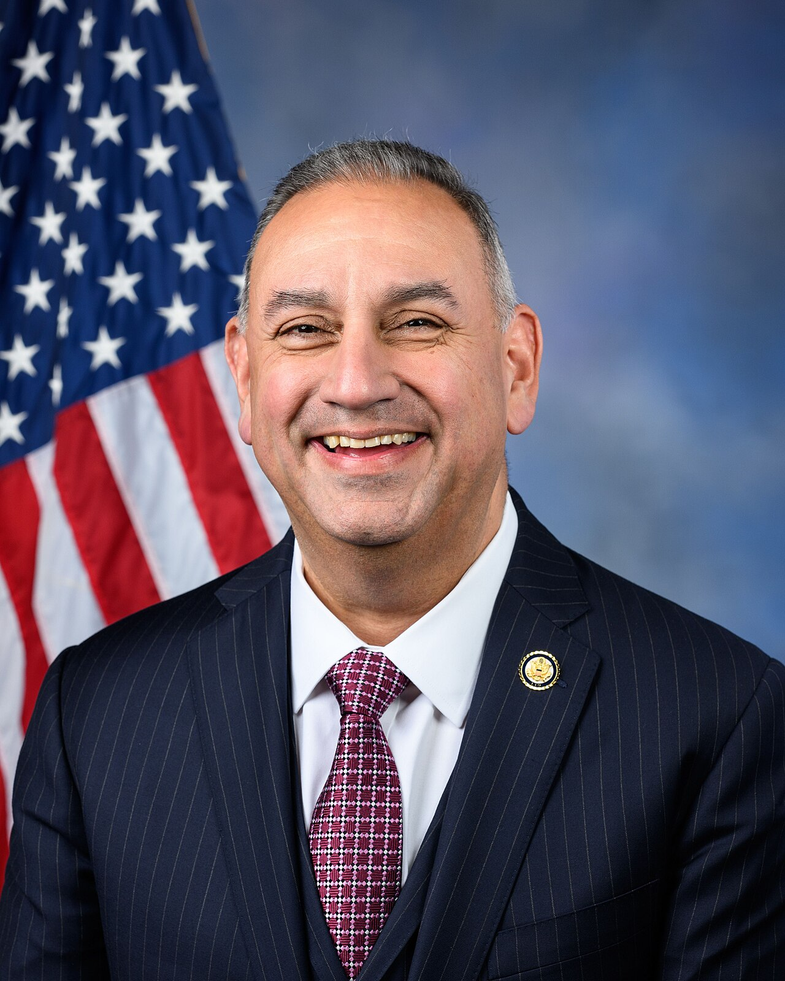
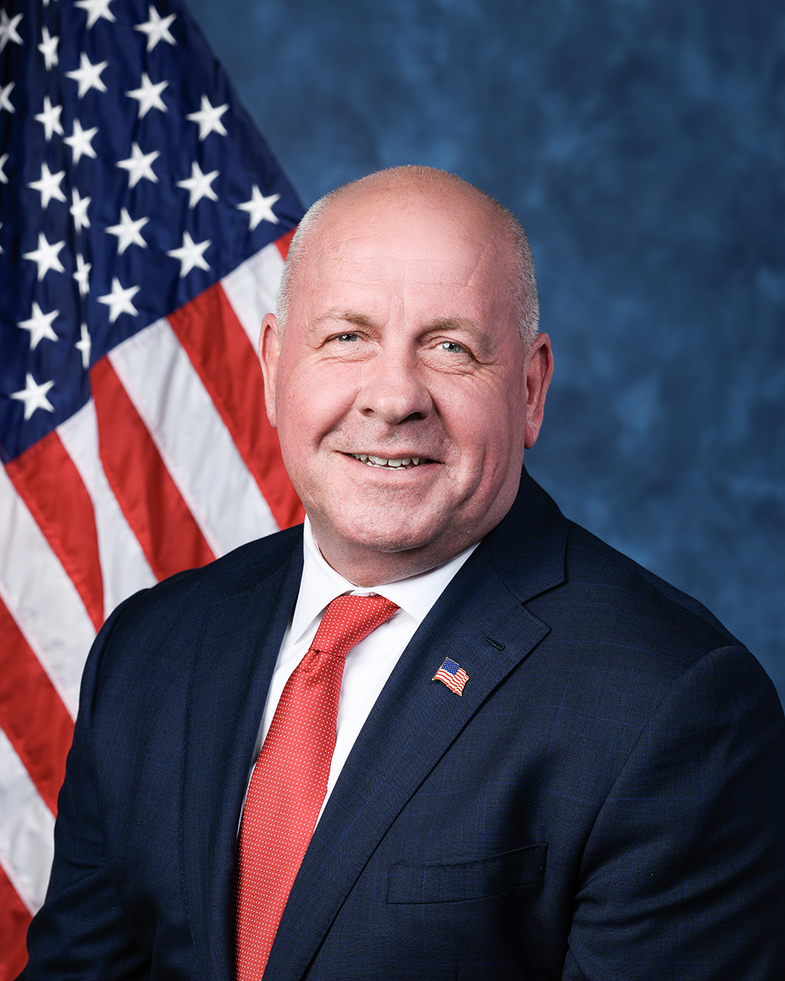
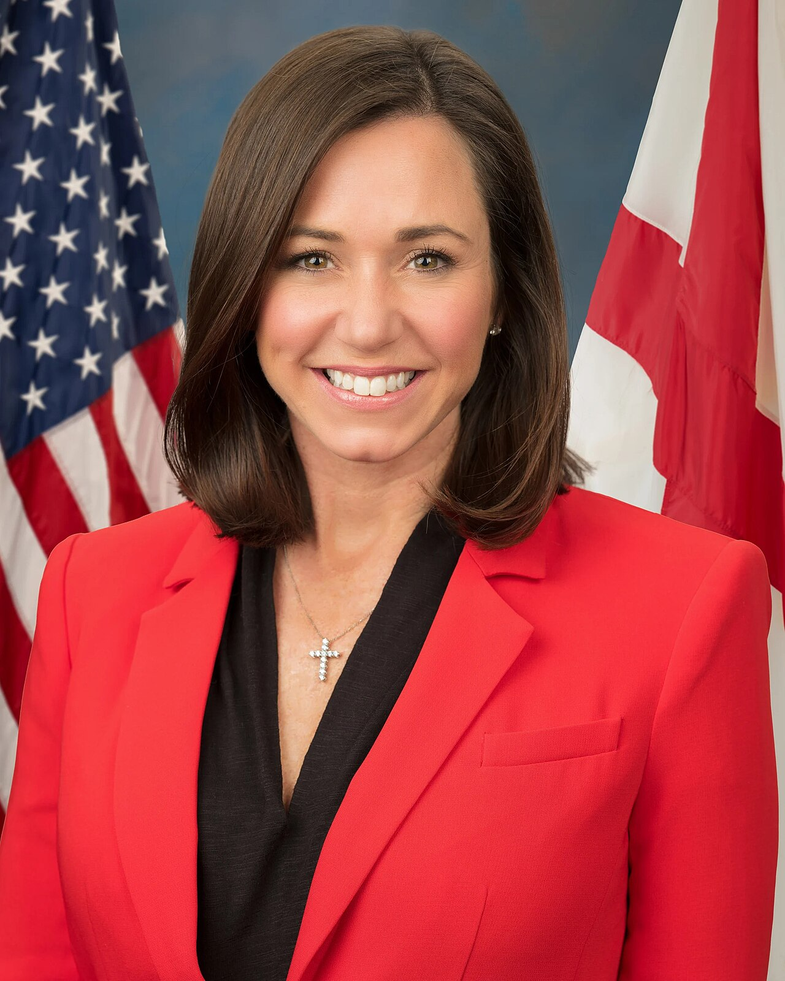
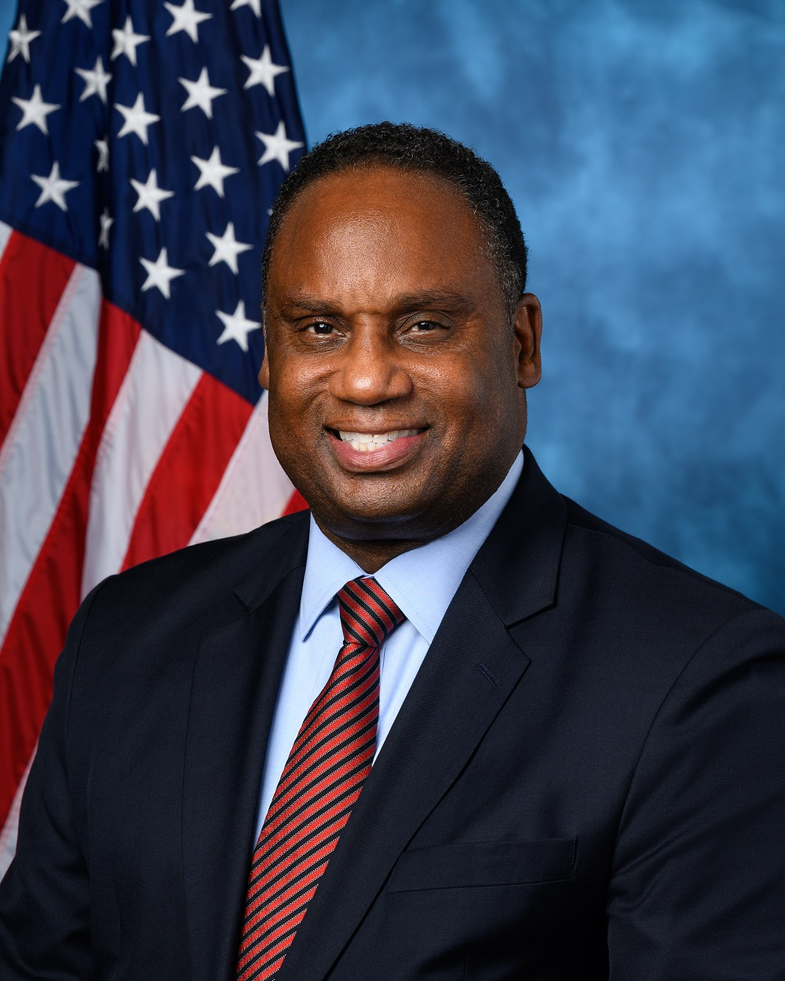
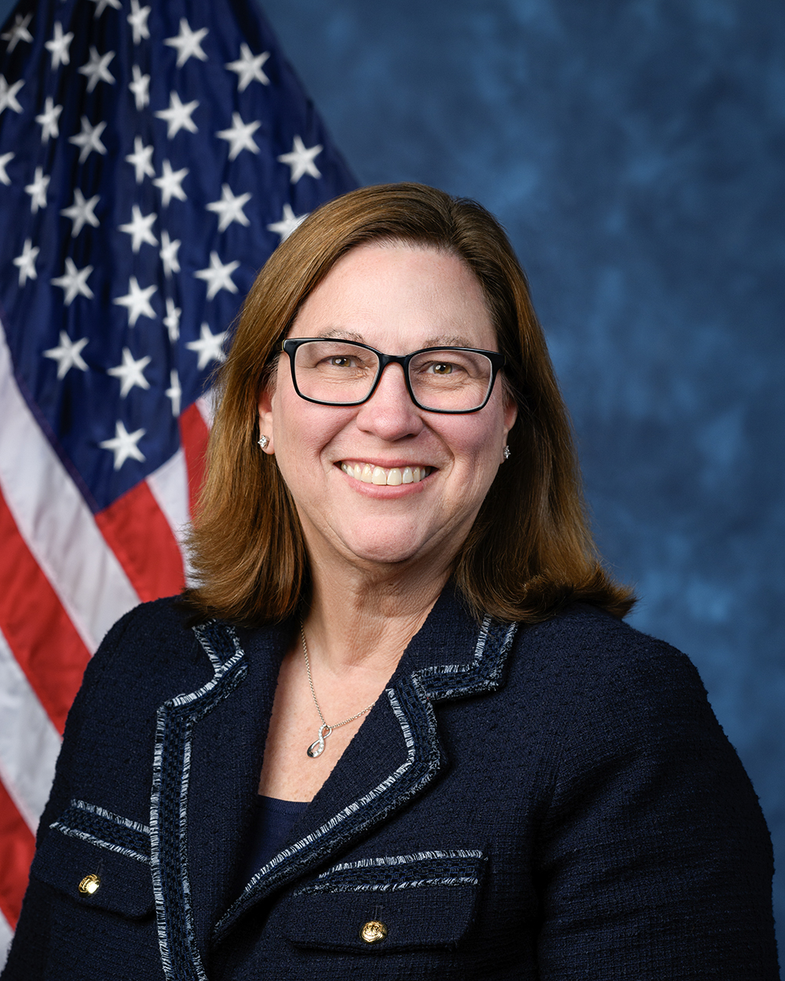
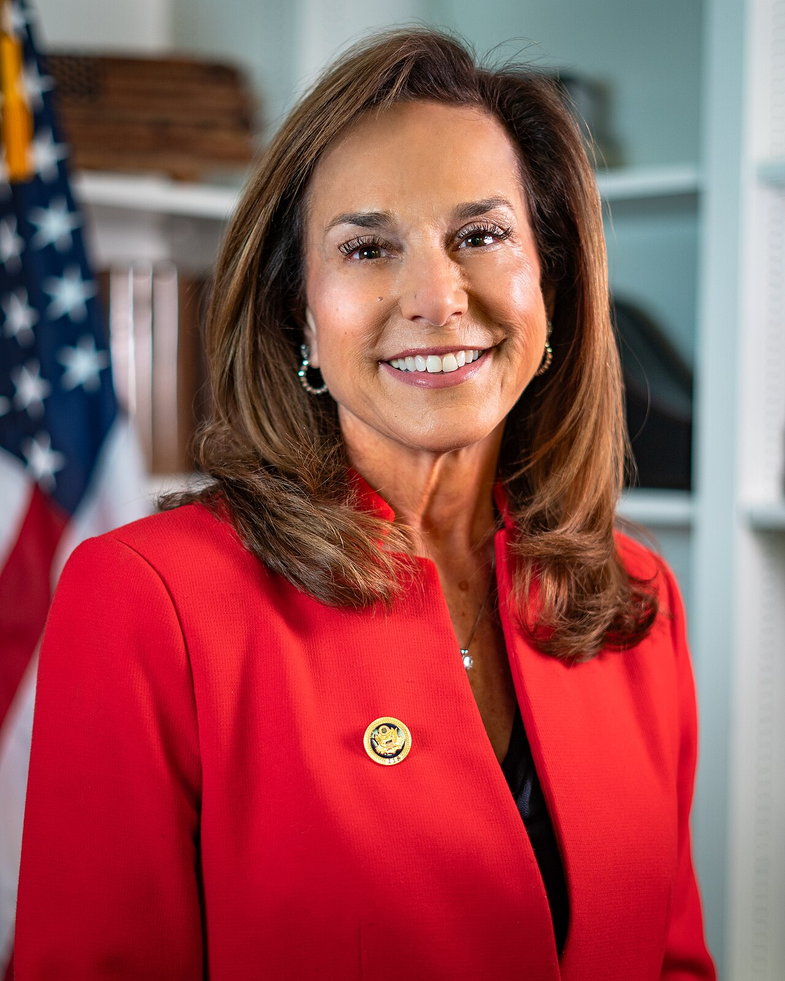
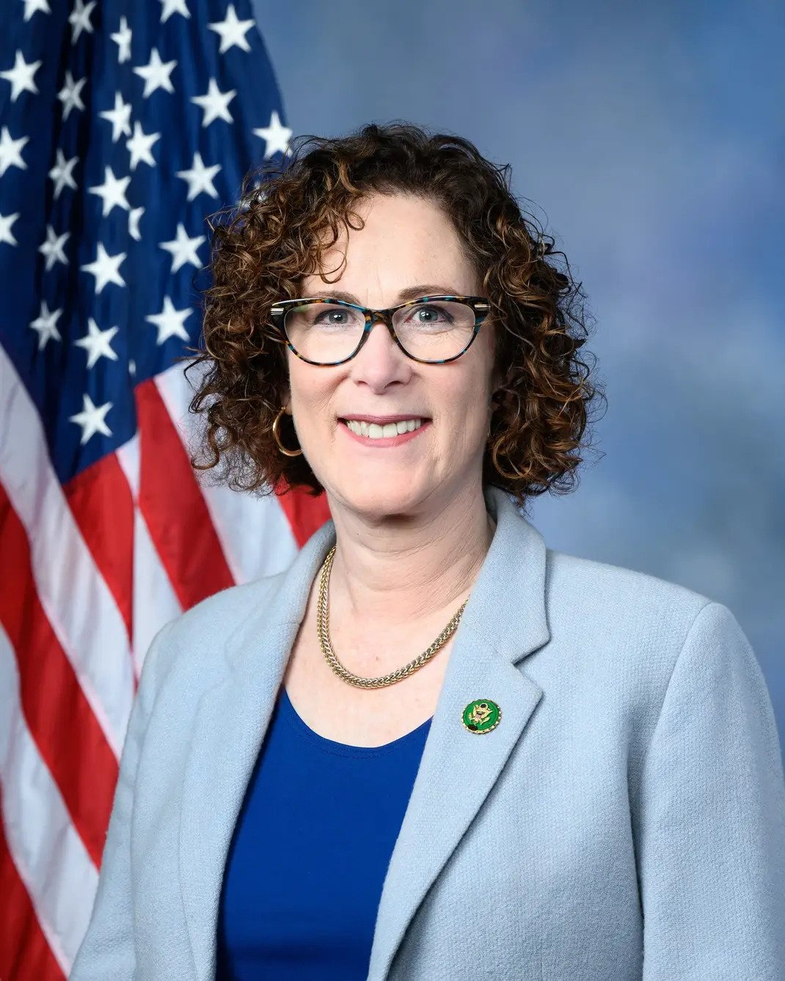
Sponsors
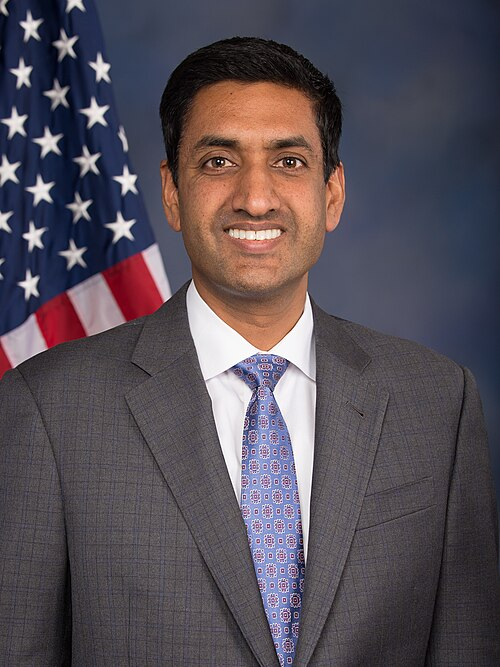
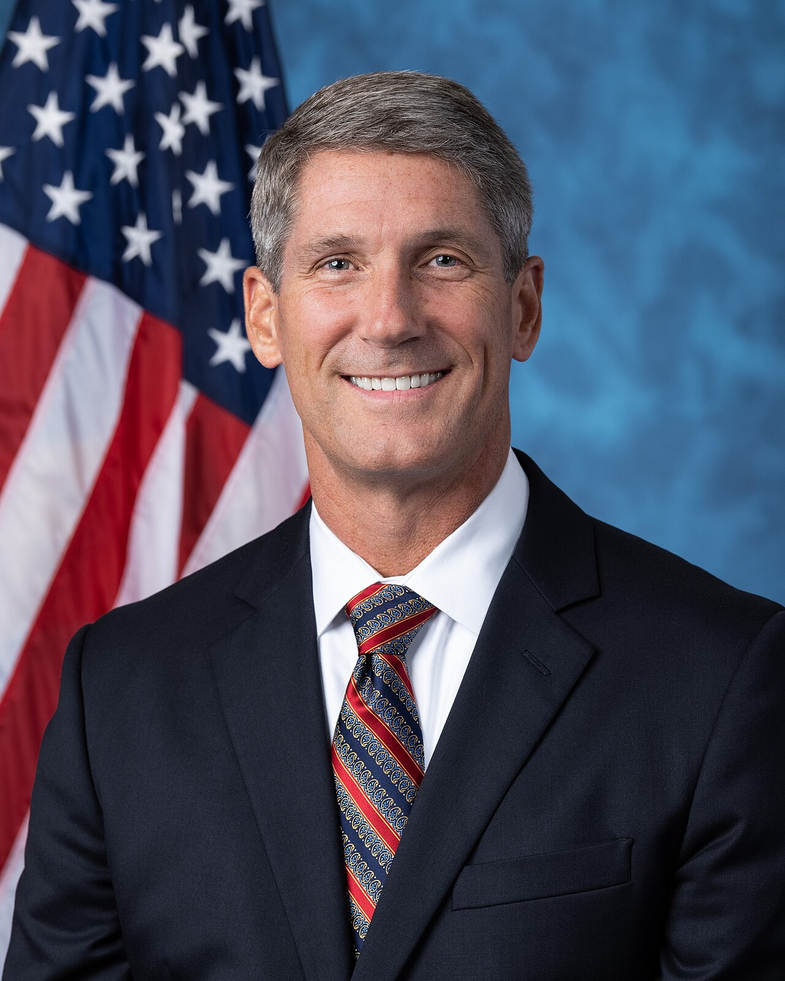
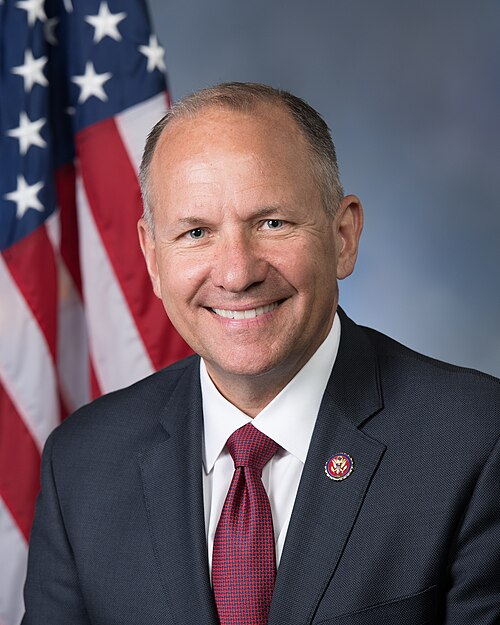
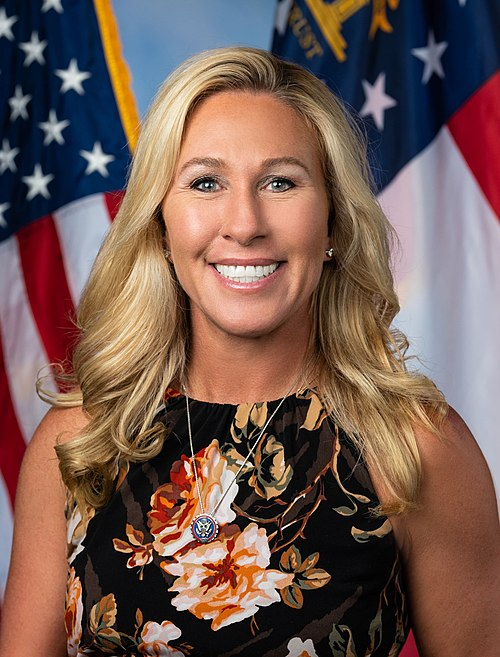
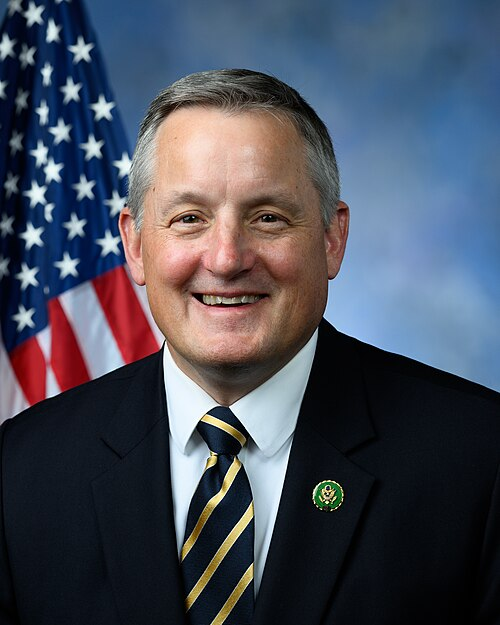
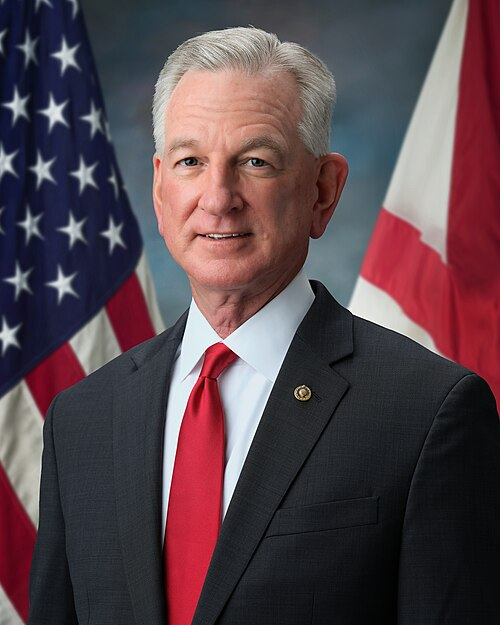
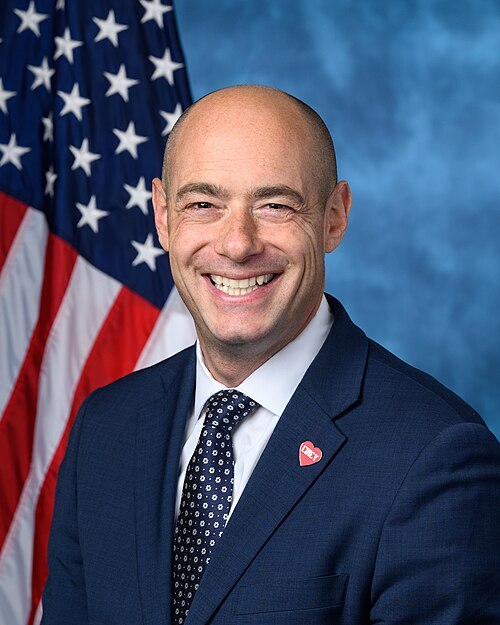
2 bill sponsors

Actions
6 actions
| Date | Action |
|---|---|
| Jun. 18, 2026 | Placed on the Union Calendar, Calendar No. 612. |
| Jun. 18, 2026 | Reported (Amended) by the Committee on Financial Services. H. Rept. 119-704. |
| May. 13, 2026 | Committee Consideration and Mark-up Session Held |
| May. 13, 2026 | Ordered to be Reported (Amended) by the Yeas and Nays: 52 - 1. |
| May. 07, 2026 | Introduced in House |
| May. 07, 2026 | Referred to the House Committee on Financial Services. |
Corporate Lobbying
0 companies lobbying
None found.
* Note that there can be significant delays in lobbying disclosures, and our data may be incomplete.