H.R. 8632: PFAS Cleanup Act
This bill, known as the PFAS Cleanup Act, proposes changes to tax laws aimed at addressing pollution caused by perfluoroalkyl and polyfluoroalkyl substances (PFAS). It incorporates two main components: the imposition of an excise tax on the sale of PFAS substances and the establishment of a tax credit for the remediation of water contaminated with these substances.
1. PFAS Excise Tax
The bill introduces an excise tax on any PFAS sold by manufacturers, producers, or importers. The key details of this tax are as follows:
- Tax Rate: The tax is set at 45 percent of the sale price of the PFAS substance.
- Who is Affected: Any company that manufactures, produces, or imports PFAS for sale in the United States would be subject to this tax.
- Self-Usage: If a company manufactures or imports PFAS and then uses it rather than selling it, they must pay the tax as if it were sold at its fair market value.
2. PFAS Water Remediation Credit
The bill also establishes a tax credit intended to support the removal of PFAS from public water systems. The specifics of this credit include:
- Credit Amount: The PFAS water remediation credit allows taxpayers to claim 25 percent of their qualifying expenditures related to the remediation of PFAS contamination in their public water systems.
- Qualified Expenditures: These are costs incurred for the removal of PFAS that are above the maximum contaminant level determined by the Environmental Protection Agency (EPA).
- Eligibility: The credit applies to public water systems that exceed the EPA's defined contaminant levels for PFAS.
3. Implementation Timeline
The changes proposed by this legislation would take effect for taxable years beginning after December 31, 2026, giving companies time to prepare for the new tax implications and for the credit system to become operational.
4. Relevant Companies
- DOW: This company manufactures various chemical products, including certain PFAS substances, which may mean significant tax implications under this bill.
- MMM: As a manufacturer known to produce a range of PFAS chemicals, 3M might face increased costs due to the excise tax.
- DD: DuPont has been involved in the production of PFAS and could be affected by the new tax rules when selling those substances.
This is an AI-generated summary of the bill text. There may be mistakes.
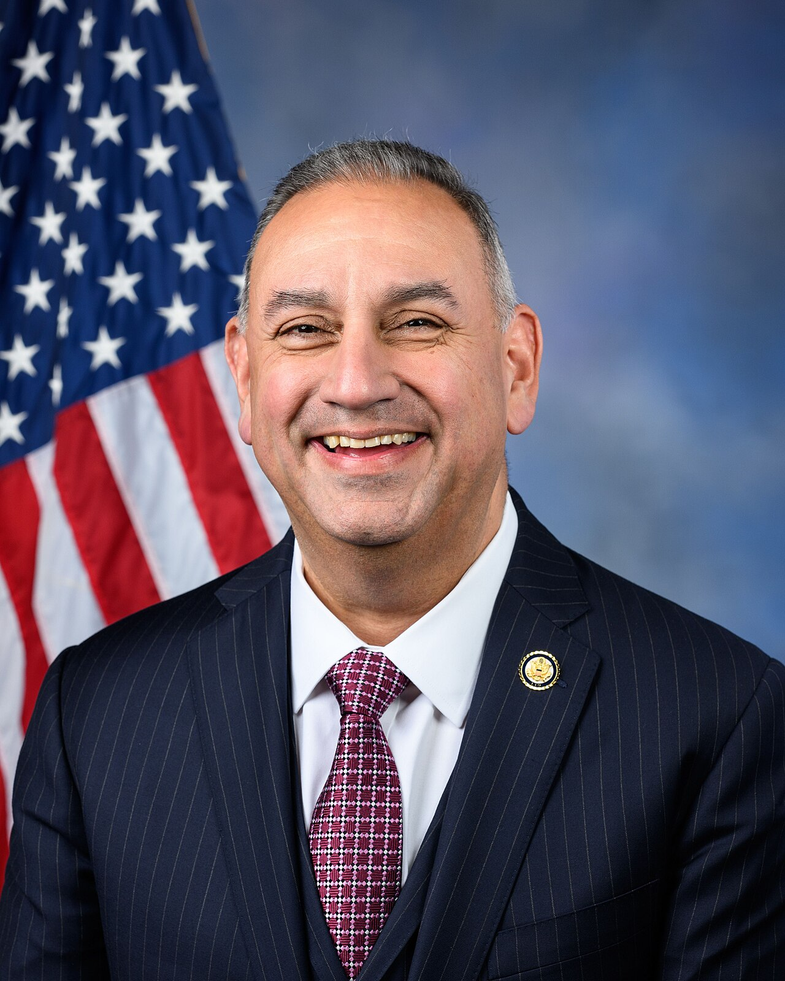
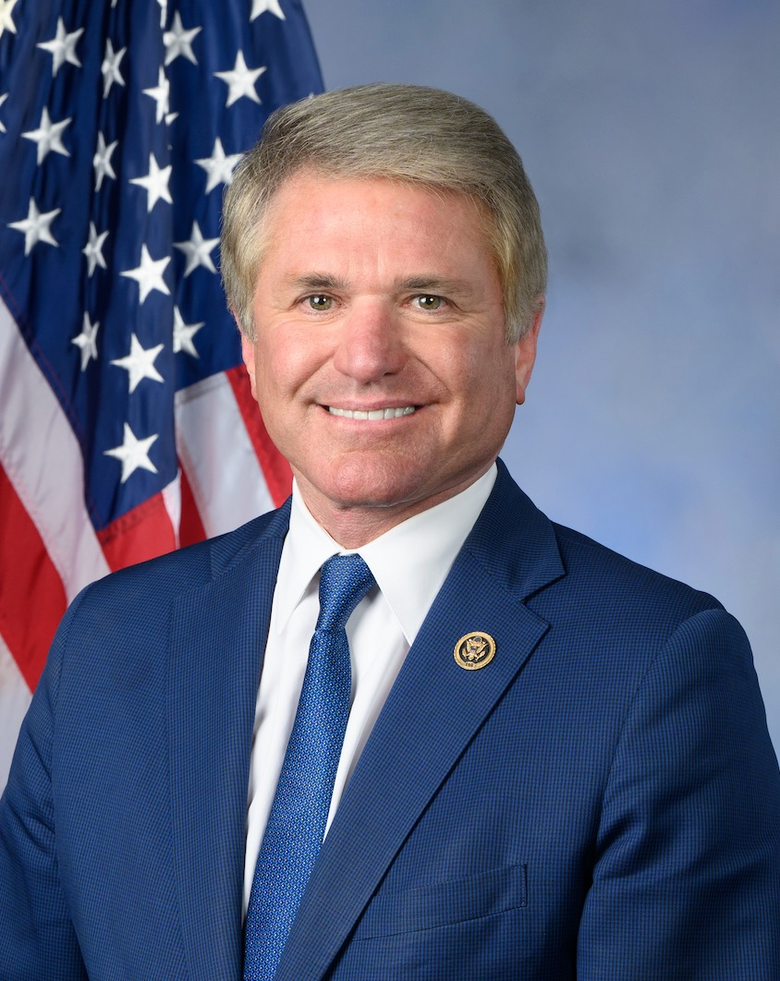
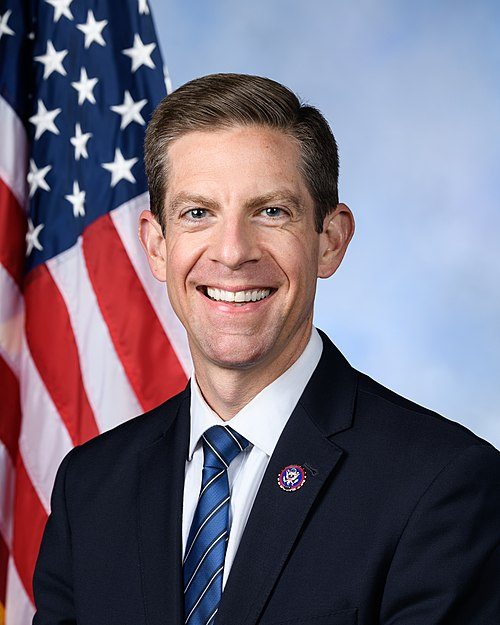
Sponsors
6 bill sponsors





Actions
2 actions
| Date | Action |
|---|---|
| Apr. 30, 2026 | Introduced in House |
| Apr. 30, 2026 | Referred to the House Committee on Ways and Means. |
Corporate Lobbying
0 companies lobbying
None found.
* Note that there can be significant delays in lobbying disclosures, and our data may be incomplete.