H.R. 8623: Guidelines for User Age-verification and Responsible Dialogue Act of 2026
The proposed bill, known as the Guidelines for User Age-verification and Responsible Dialogue Act of 2026 (GUARD Act), seeks to establish regulations for artificial intelligence (AI) chatbots, particularly focusing on their interaction with minors. The legislation addresses concerns about the potential risks associated with AI chatbots that could expose children to harmful content or influence their behavior in negative ways. Here is a breakdown of its key provisions:
Age Verification Requirements
The bill mandates that any company providing AI chatbots must implement strict age verification processes to prevent minors (individuals under 18 years of age) from accessing these platforms. These processes must include:
- A government-issued ID or another reliable method to confirm the user's age.
- Prohibition of vague age confirmation methods, such as merely asking users to state their age.
- Regular checks on user accounts to ensure compliance.
Obligations for Covered Entities
Entities offering AI chatbots (referred to as "covered entities") are required to:
- Create user accounts for all individuals prior to engaging with the chatbot.
- Verify the age of existing and new users using robust methods, retaining minimal necessary personal information for compliance.
- Clearly disclose that the chatbot is not a human and does not provide professional services such as medical or legal advice.
Prohibitions Related to Minors
The bill outlines specific prohibitions regarding the design and operation of AI chatbots, including the following offenses:
- Promoting Violence: AI chatbots are prohibited from encouraging, promoting, or coercing any acts of violence or self-harm among minors.
Penalties for Violations
Violations of these provisions can result in significant penalties, including fines up to $100,000 for each offense. The Attorney General is empowered to enforce these regulations, including the ability to impose civil penalties, seek compliance, and issue subpoenas for investigations.
User Disclosure Requirements
AI chatbots must make clear disclosures at the beginning of each conversation and at regular intervals, informing users that:
- They are interacting with an AI and not a human.
- The AI does not act as a licensed professional and does not offer professional advice.
Data Security Measures
Covered entities must maintain strict data security practices regarding the data collected for age verification, ensuring it is not shared or stored longer than necessary, and must use industry-standard encryption to protect user data.
Enforcement and Compliance
The Attorney General has the authority to take civil action against entities that fail to comply with the regulations set out in the bill. State attorneys general can also enforce the provisions on behalf of state residents.
Effective Date
The provisions of the act would become effective 180 days after enactment.
Relevant Companies
None found
This is an AI-generated summary of the bill text. There may be mistakes.
Sponsors
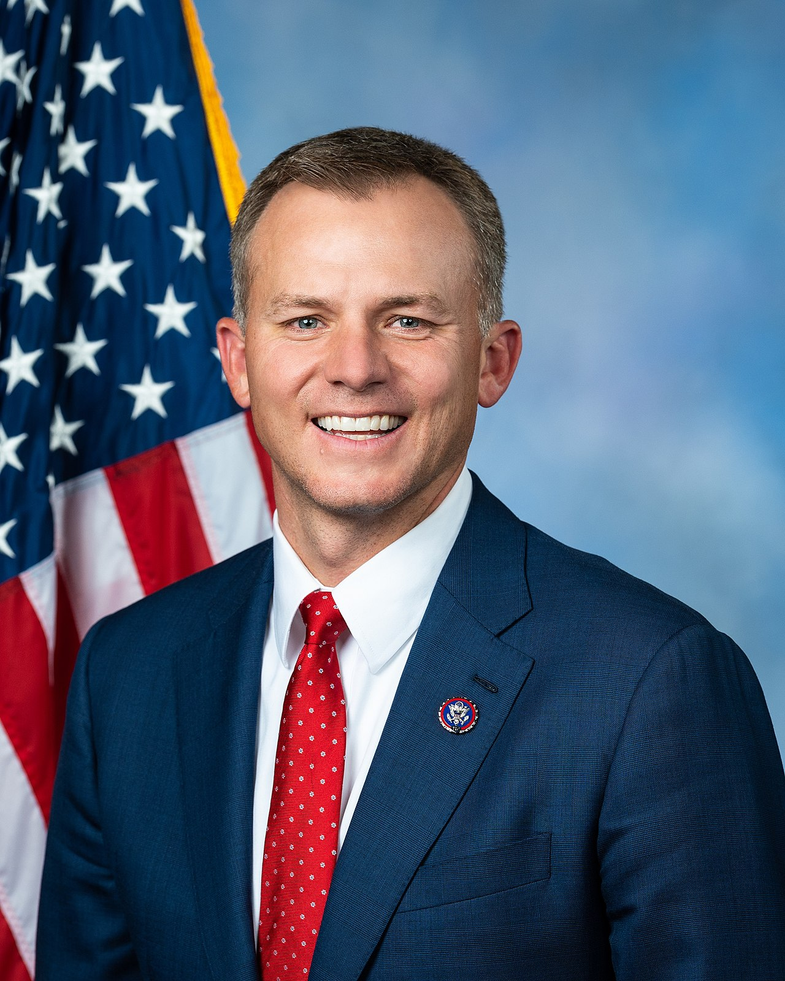
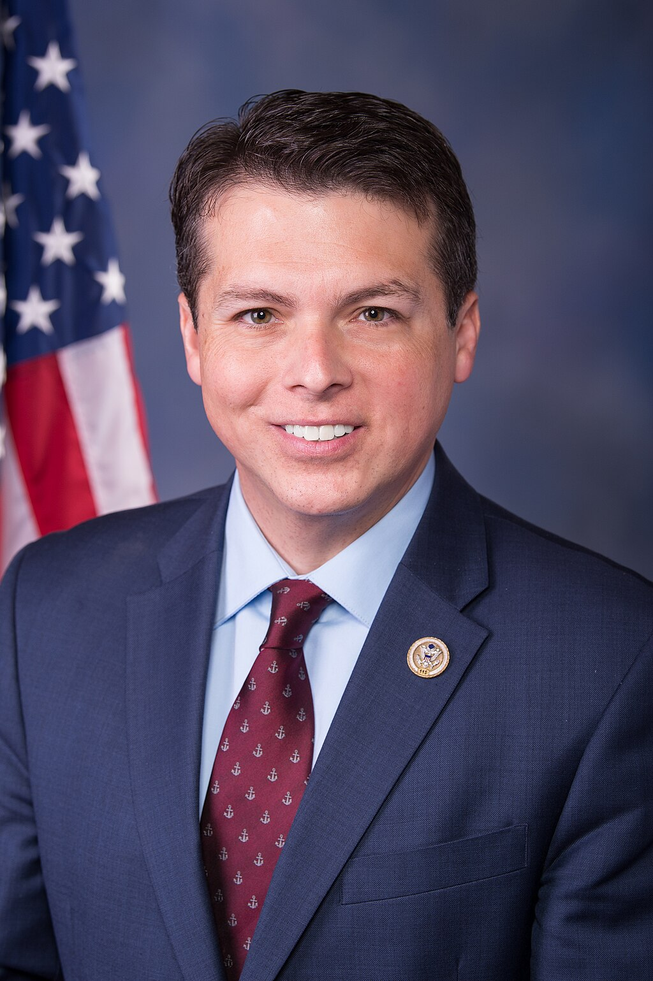
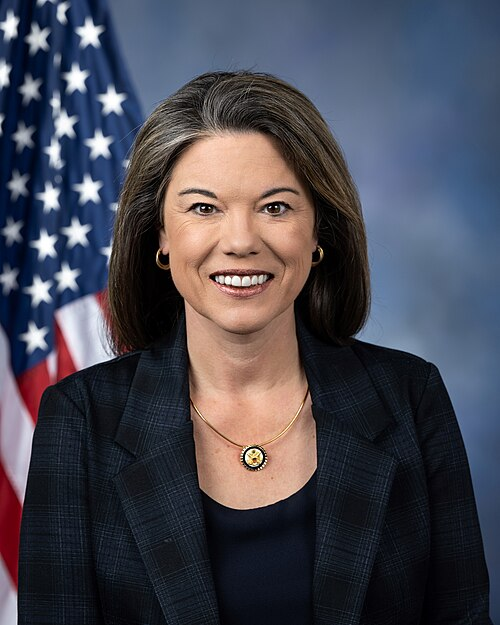
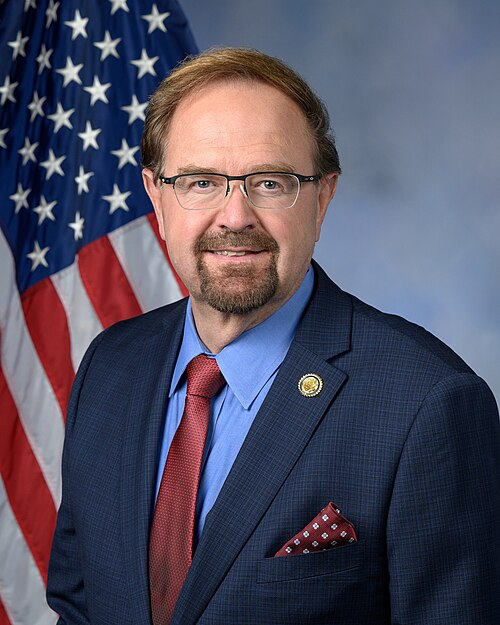
8 bill sponsors

Actions
2 actions
| Date | Action |
|---|---|
| Apr. 30, 2026 | Introduced in House |
| Apr. 30, 2026 | Referred to the Committee on the Judiciary, and in addition to the Committee on Energy and Commerce, for a period to be subsequently determined by the Speaker, in each case for consideration of such provisions as fall within the jurisdiction of the committee concerned. |
Corporate Lobbying
0 companies lobbying
None found.
* Note that there can be significant delays in lobbying disclosures, and our data may be incomplete.
Potentially Relevant Congressional Stock Trades
No relevant congressional stock trades found.