
H.R. 8571: Terminating Restrictive Enforcement of Youth Settlements Law
This bill, titled the "Terminating Restrictive Enforcement of Youth Settlements Law," aims to eliminate certain legal barriers that prevent victims of sexual abuse involving minors from disclosing incidents of abuse. Below are key aspects of the bill:
Purpose
The purpose of the bill is to:
- Enforce protections under the 14th Amendment, ensuring individuals can report sexual abuse without facing legal repercussions or restrictions from nondisclosure agreements.
- Prevent private agreements from impeding investigations and prosecutions of federal crimes related to child sexual abuse and trafficking.
- Maintain access to courts for survivors of sexual abuse and protect their right to inform authorities about such abuse.
- Allow those who have knowledge of sexual abuse of minors to share this information freely, without the fear of being held liable by nondisclosure clauses.
Findings
The bill includes several findings that emphasize:
- Sexual abuse of minors is a significant national issue, often concealed through nondisclosure agreements.
- Such agreements hinder necessary reporting to law enforcement and can prevent justice from being served.
- Survivors of abuse have constitutional rights to report crimes and seek legal remedies.
- Historically, agreements that attempt to suppress the reporting of crimes have been deemed void in U.S. law.
Nondisclosure Agreements
The bill specifically states that:
- Nondisclosure clauses in contracts that restrict reporting or discussing incidents of sexual abuse against minors will be considered void and unenforceable.
- Individuals who are victims or have information regarding such abuse will be able to disclose relevant facts without the risk of legal repercussions under such agreements.
- However, the bill does not prevent parties from entering into contracts that restrict the disclosure of terms of settlements, as long as they do not interfere with the reporting of abuse.
Retroactive Application
The provisions of this bill apply retroactively, meaning:
- It affects all nondisclosure agreements regarding sexual abuse of minors, regardless of when they were signed.
- No one can enforce a nondisclosure clause related to sexual abuse as defined in the bill, no matter when the underlying agreement was made.
- The bill takes precedence over any state law that might allow for the enforcement of such nondisclosure agreements.
Definitions
The bill provides definitions for key terms, including:
- Minor Person: Any individual who is under 18 years of age.
- Nondisclosure Clause: A contractual provision preventing parties from disclosing specific conduct or information.
- Sexual Abuse Against a Minor: Conduct defined under federal law that includes various offenses, including child trafficking.
Potential Impact
This legislation may significantly affect how individuals, organizations, and legal entities handle agreements related to the confidentiality of sexual abuse claims involving minors.
Relevant Companies
- None found.
This is an AI-generated summary of the bill text. There may be mistakes.
Sponsors
15 bill sponsors
-
TrackBrandon Gill

Sponsor
-
TrackRobert B. Aderholt
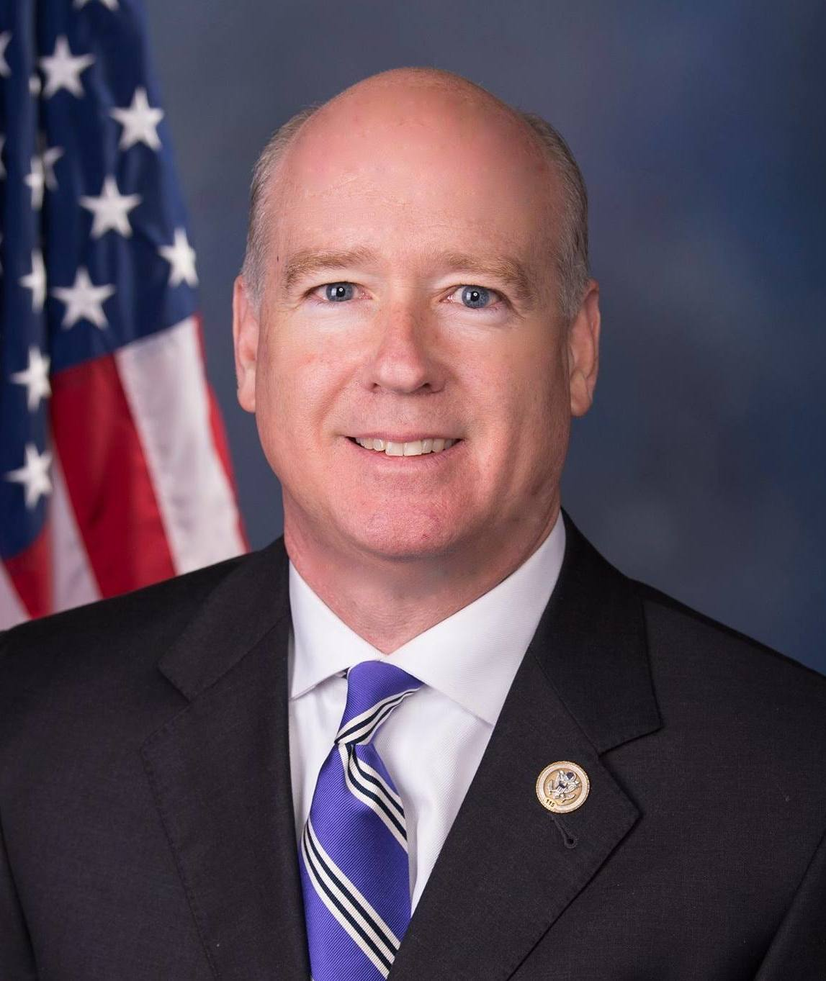
Co-Sponsor
-
TrackCraig Goldman

Co-Sponsor
-
TrackLance Gooden
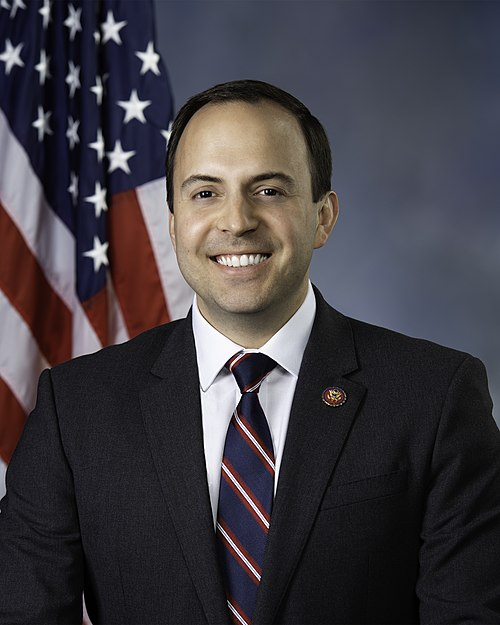
Co-Sponsor
-
TrackWesley Hunt

Co-Sponsor
-
TrackRonny Jackson

Co-Sponsor
-
TrackJulie Johnson

Co-Sponsor
-
TrackTimothy M. Kennedy
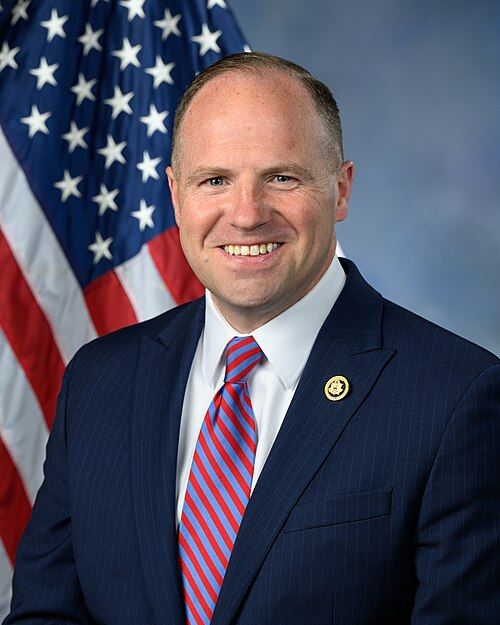
Co-Sponsor
-
TrackNancy Mace

Co-Sponsor
-
TrackJohn Mannion

Co-Sponsor
-
TrackCory Mills
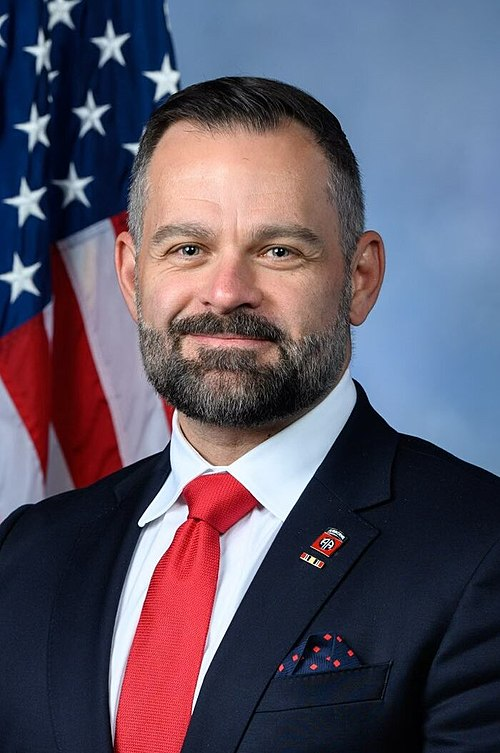
Co-Sponsor
-
TrackGary J. Palmer
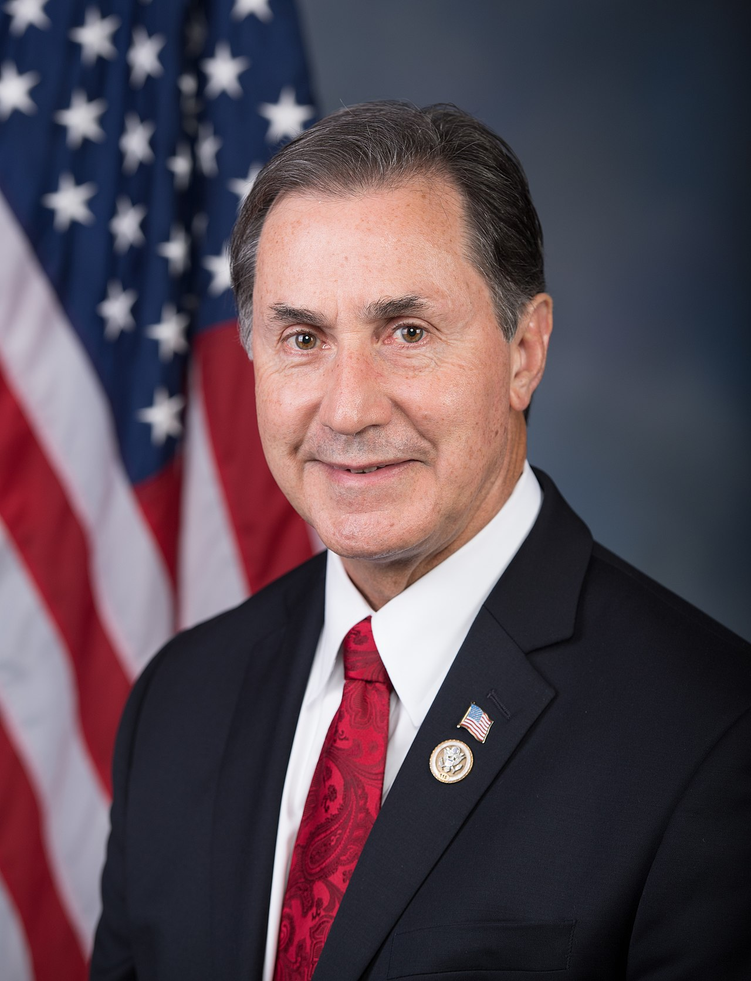
Co-Sponsor
-
TrackDerek Schmidt
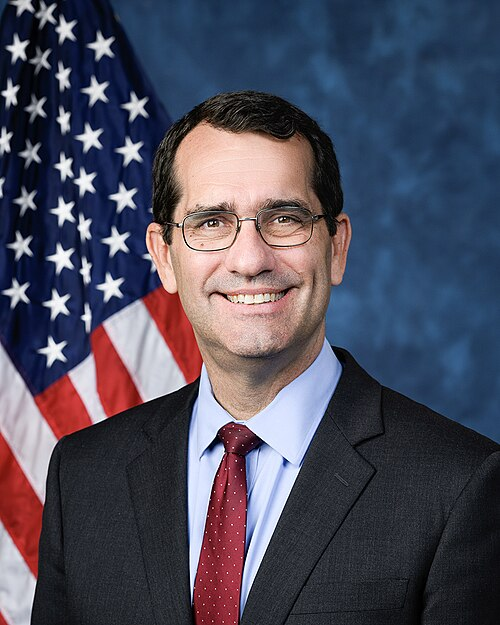
Co-Sponsor
-
TrackKeith Self
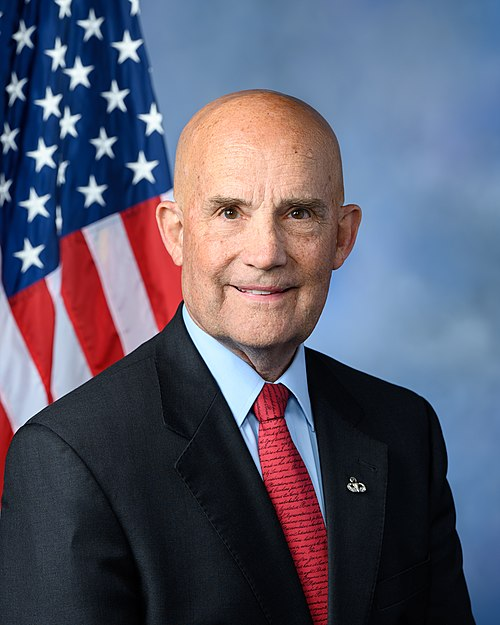
Co-Sponsor
-
Tracknan

Co-Sponsor
Actions
2 actions
| Date | Action |
|---|---|
| Apr. 29, 2026 | Introduced in House |
| Apr. 29, 2026 | Referred to the House Committee on the Judiciary. |
Corporate Lobbying
0 companies lobbying
None found.
* Note that there can be significant delays in lobbying disclosures, and our data may be incomplete.
Potentially Relevant Congressional Stock Trades
No relevant congressional stock trades found.