H.R. 8549: Second Look Act of 2026
This bill, known as the Second Look Act of 2026, proposes significant changes to the sentencing process for individuals incarcerated in federal prisons. The main purpose is to allow certain inmates who have been serving long sentences—specifically those longer than ten years—to petition a federal court for a review of their sentence and possibly have it reduced, under specific conditions. Here’s a breakdown of the key components of the bill:
Eligibility for Sentence Modification
To be eligible for a sentence modification, the following conditions must be met:
- The original sentence must be longer than 10 years.
- The inmate must have served at least 10 years in custody.
- The court must determine that the inmate is not a danger to the safety of any person or the community and has demonstrated readiness for reentry into society.
- The change in sentence must be deemed to be in the interests of justice.
Consideration Factors
When determining whether to grant a sentence modification, courts will consider a variety of factors, including:
- The nature of the offense.
- The history and characteristics of the defendant.
- The age of the defendant at the time of the offense and at the time of the petition.
- Evidence of rehabilitation, which includes participation in educational or vocational programs while in prison.
- Statements from victims or their families.
- Reports from mental health professionals.
- Family and community circumstances.
Rebuttable Presumption for Older Inmates
Inmates who are 50 years of age or older at the time of filing their application for a sentence reduction will benefit from a rebuttable presumption in favor of release, implying the court will assume they are suitable for release unless evidence suggests otherwise.
Application Restrictions
The bill sets limitations on how often an inmate can apply for a sentence modification:
- A second application can only be filed five years after an initial denial.
- A third application can be filed two years after a second denial.
- A final application can be entertained if the inmate is 50 years or older and has exhausted the previous application processes.
Procedural Guidelines
Inmates will be informed of their right to apply for sentence modifications as they approach ten years of imprisonment. The application process will require the Bureau of Prisons to notify the inmate and relevant legal parties.
Upon filing an application, inmates may present evidence and have the right to a hearing. Should they be unable to afford a lawyer, the court must appoint one for them at no cost.
Annual Reporting
The bill also mandates that the U.S. Sentencing Commission reports annually to Congress on the outcomes of sentence reduction requests. This includes statistics on how many requests were submitted, granted, or denied, as well as the demographics of those involved.
Relevant Companies
- None found
This is an AI-generated summary of the bill text. There may be mistakes.
Sponsors
9 bill sponsors
-
TrackSydney Kamlager-Dove
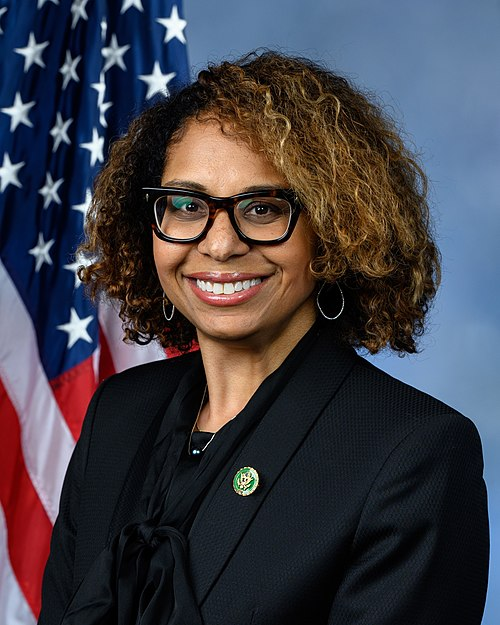
Sponsor
-
TrackSteve Cohen

Co-Sponsor
-
TrackJonathan L. Jackson

Co-Sponsor
-
TrackHenry C. "Hank" Johnson, Jr.

Co-Sponsor
-
TrackLaMonica McIver

Co-Sponsor
-
TrackLateefah Simon

Co-Sponsor
-
TrackShri Thanedar

Co-Sponsor
-
TrackRashida Tlaib
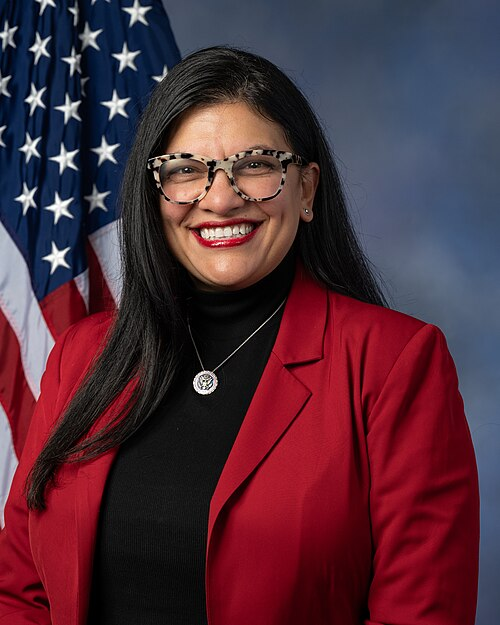
Co-Sponsor
-
TrackNydia M. Velázquez
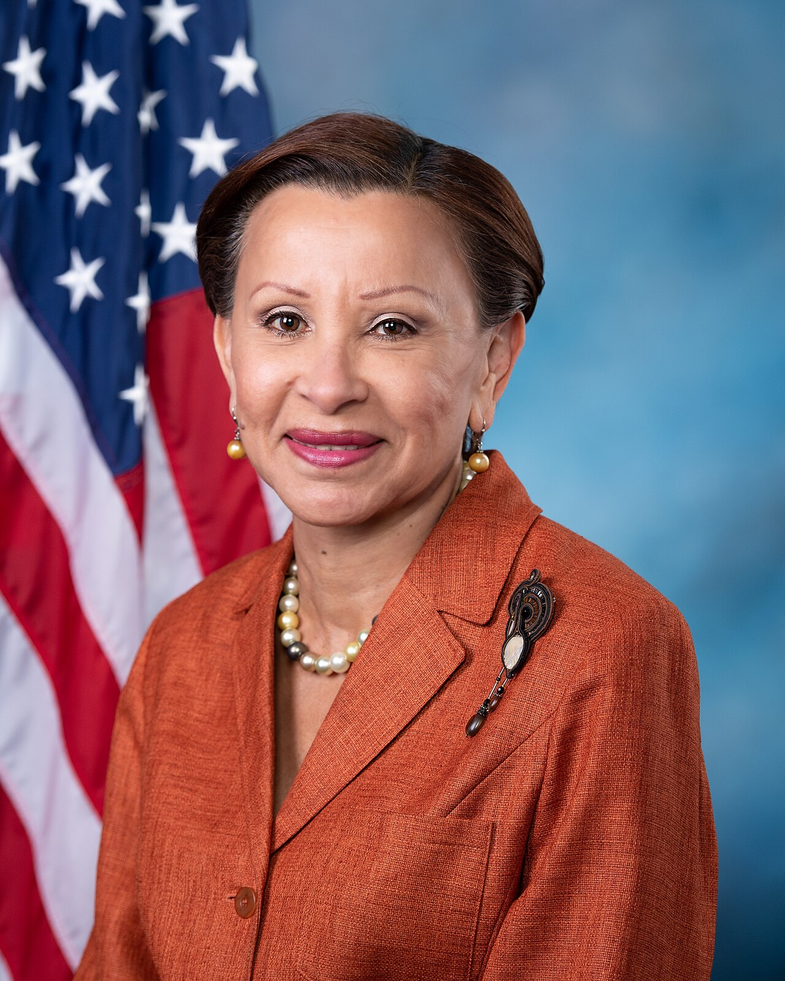
Co-Sponsor
Actions
2 actions
| Date | Action |
|---|---|
| Apr. 28, 2026 | Introduced in House |
| Apr. 28, 2026 | Referred to the House Committee on the Judiciary. |
Corporate Lobbying
0 companies lobbying
None found.
* Note that there can be significant delays in lobbying disclosures, and our data may be incomplete.
Potentially Relevant Congressional Stock Trades
No relevant congressional stock trades found.