H.R. 8547: 'Directly Impacted Child Rehab and Safety Act
This bill, titled the 'Directly Impacted Child Rehab and Safety Act', focuses on reforming how the criminal justice system treats juveniles, particularly those between the ages of 12 and 16. Here are the primary elements of the bill:
Amendments to Criminal Codes
- Age Adjustments: The bill proposes changes to the definitions and criminal proceedings related to juveniles. It modifies the terms so that certain proceedings and definitions apply specifically to individuals who are at least 12 years old but under 16.
- Transfer to Adult Court: The bill raises the age limit at which juveniles can be transferred to adult court from 15 to 16 years for specific serious offenses. Additionally, it outlines that a juvenile can be transferred for certain violent crimes after reaching their sixteenth birthday, based on their criminal history and the nature of the offense.
- Judicial Considerations: When deciding transfers, the bill mandates that courts consider a juvenile's behavioral issues, their background including developmental adversity, and their potential for rehabilitation.
- Murder Charges: It specifies under what circumstances a juvenile might be charged with murder, clarifying that those under 18 can only be charged if they directly acted to cause a death or aided another in committing a murder.
Data Collection and Statistical Analysis
The bill mandates the Bureau of Justice Statistics to collect and analyze data on children under 18 who are involved in the criminal justice system. The required analysis includes:
- Rates of adjudication, prosecution, and incarceration of children.
- Demographic information such as age, race, gender, and disabilities.
- Details on children placed far from their jurisdiction, their offenses, and their sentences.
Grants for Collaboration and Support
The bill establishes a framework for granting funds to state child welfare and juvenile justice agencies to improve coordination between the two systems. The grants aim to:
- Create better data collection practices for tracking juveniles who fall under certain categories, such as those under 12 or over 15, survivors of commercial sexual exploitation, and those involved in both foster care and juvenile justice systems.
- Support the development of improved practices, policies, and training aimed at addressing the unique needs of these children.
- Encourage collaborative efforts between state agencies to enhance the overall outcomes for affected youth.
Grant Application and Reporting Requirements
To qualify for these grants, states must submit applications that outline their collaborative efforts between child welfare and juvenile justice systems. The application must detail:
- The assessment protocols for identifying eligible children.
- The services offered to children and the proposed methods for sharing relevant information while ensuring privacy and confidentiality.
- A requirement to annually report the outcomes and impacts of the funded programs.
Training and Technical Assistance
The bill allows for the Secretary to provide training and technical assistance to state agencies to support best practices in collaboration across systems. This would include:
- Guidance on implementing effective protocols for those working with juveniles in both welfare and justice systems.
- Collaboration with federal and other state agencies to enhance service delivery.
Definitions and Scope
The bill also includes key definitions to clarify terms related to juvenile justice and welfare, such as 'commercial sexual exploitation' and 'dual status youth'. This ensures that those involved in implementation have a clear understanding of the groups affected by the legislation.
Relevant Companies
None found
This is an AI-generated summary of the bill text. There may be mistakes.
Sponsors
9 bill sponsors
-
TrackSydney Kamlager-Dove
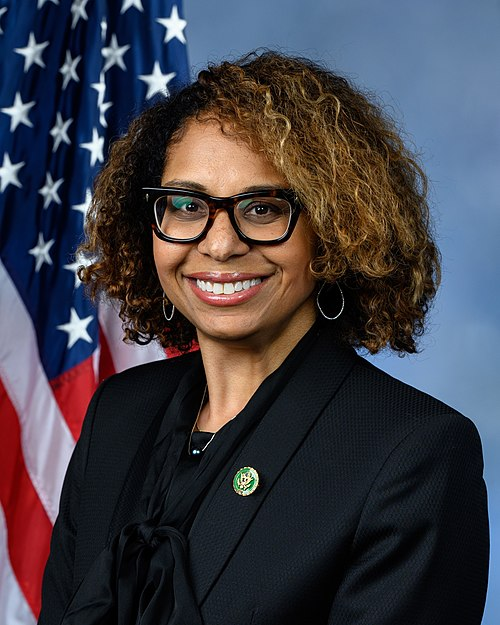
Sponsor
-
TrackSteve Cohen
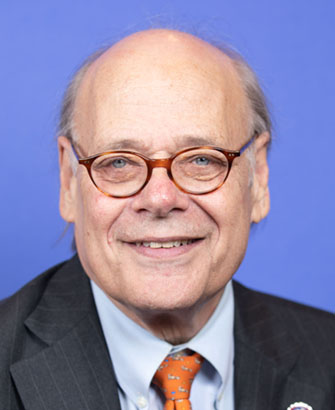
Co-Sponsor
-
TrackJonathan L. Jackson
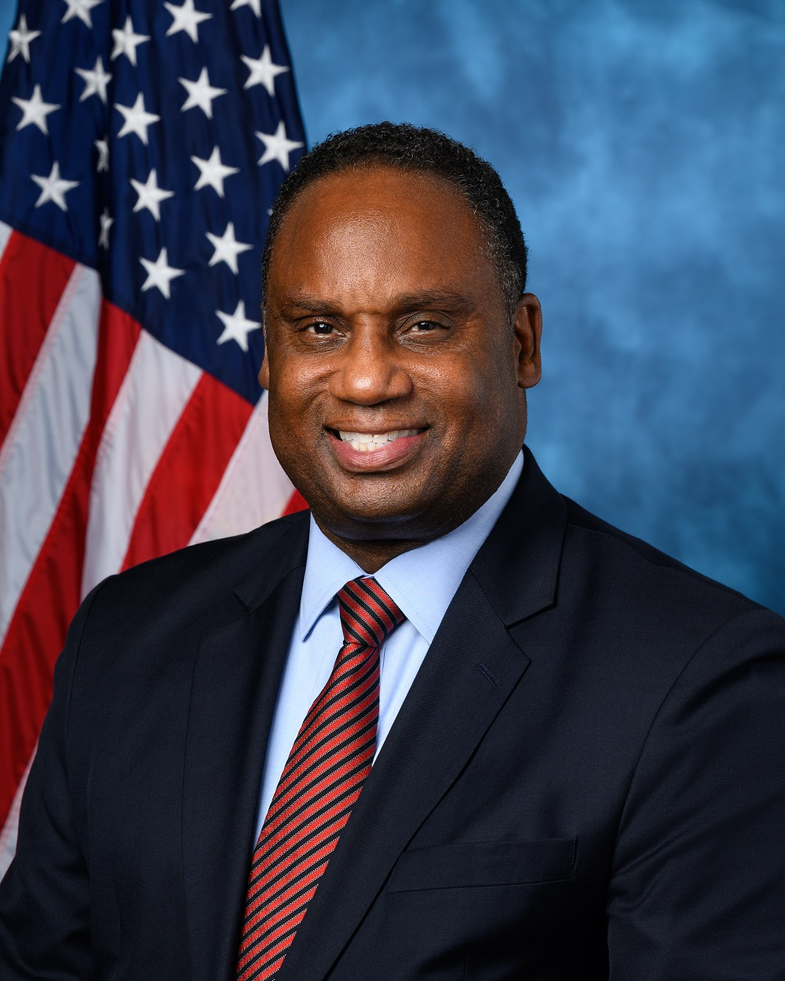
Co-Sponsor
-
TrackHenry C. "Hank" Johnson, Jr.
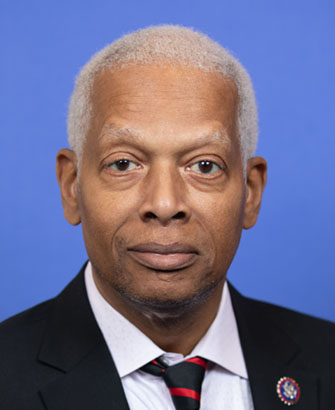
Co-Sponsor
-
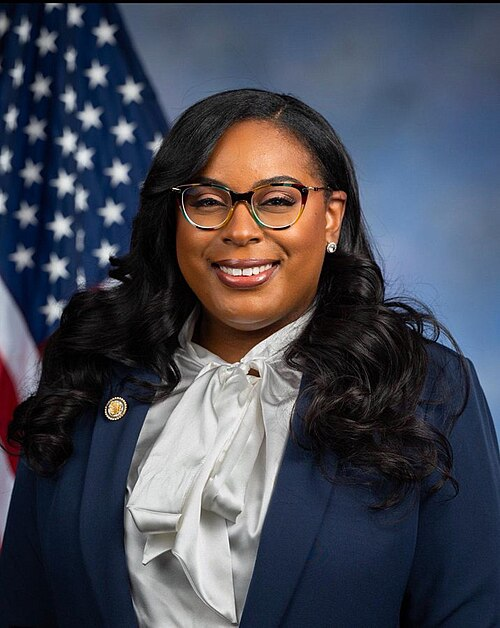
TrackLaMonica McIver
Co-Sponsor
-
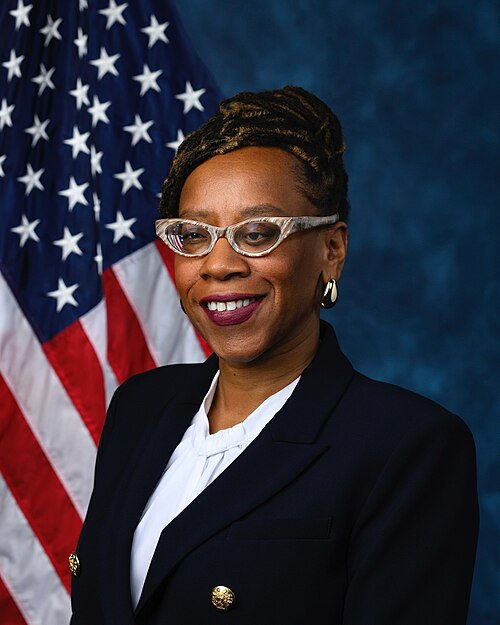
TrackLateefah Simon
Co-Sponsor
-
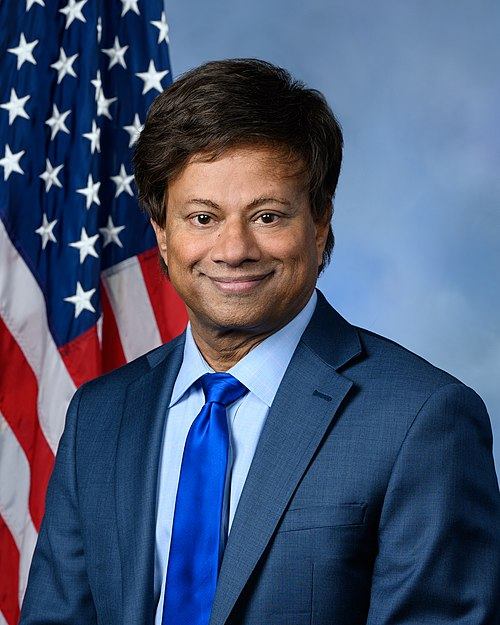
TrackShri Thanedar
Co-Sponsor
-
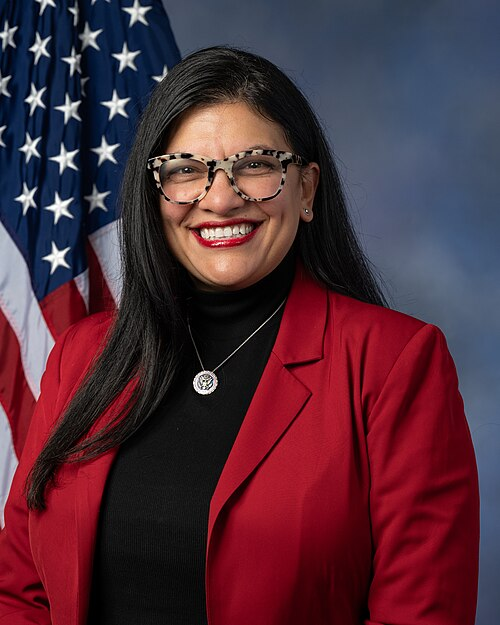
TrackRashida Tlaib
Co-Sponsor
-
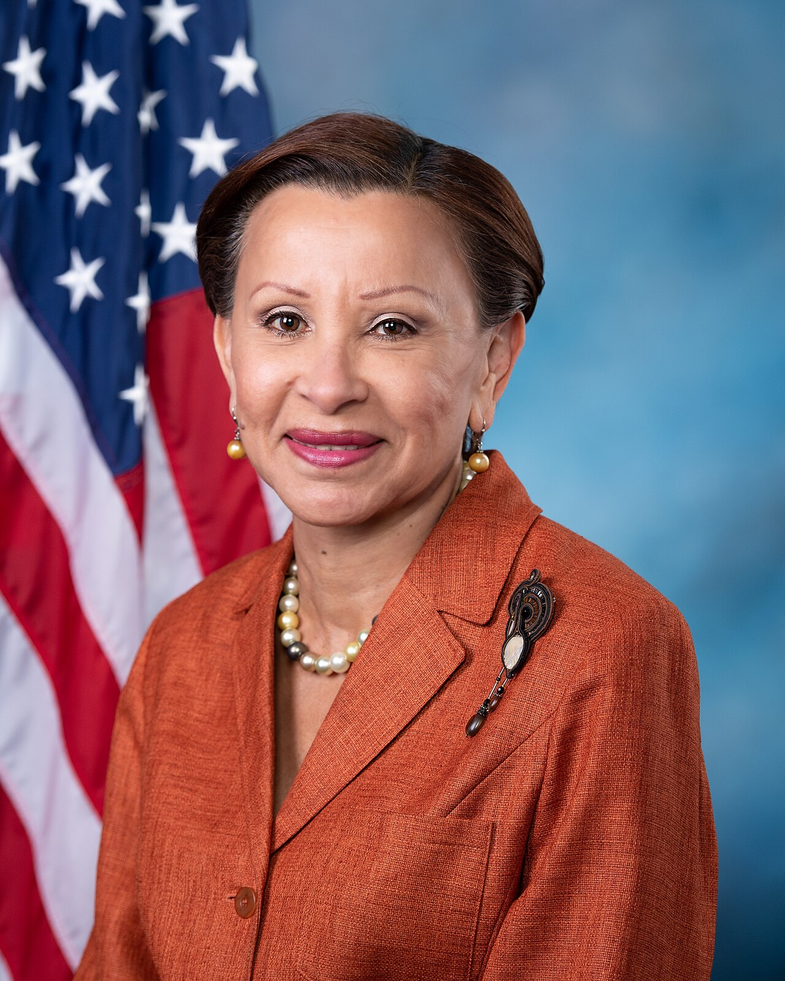
TrackNydia M. Velázquez
Co-Sponsor
Actions
2 actions
| Date | Action |
|---|---|
| Apr. 28, 2026 | Introduced in House |
| Apr. 28, 2026 | Referred to the Committee on the Judiciary, and in addition to the Committee on Ways and Means, for a period to be subsequently determined by the Speaker, in each case for consideration of such provisions as fall within the jurisdiction of the committee concerned. |
Corporate Lobbying
0 companies lobbying
None found.
* Note that there can be significant delays in lobbying disclosures, and our data may be incomplete.
Potentially Relevant Congressional Stock Trades
No relevant congressional stock trades found.