H.R. 8542: Offshore Parity Act of 2026
The Offshore Parity Act of 2026 is a proposed piece of legislation aimed at transferring management authority over certain submerged lands from the federal government to the states of Louisiana, Mississippi, and Alabama. Here’s a breakdown of what the bill proposes to do:
1. Expansion of Seaward Boundaries
This Act seeks to provide Louisiana, Mississippi, and Alabama with control over underwater areas extending beyond their current boundaries. Specifically, it allows these states to manage submerged lands from three geographical miles to three marine leagues off their coastlines, provided they meet certain conditions within five years.
2. Delegation of Management Authority
The bill grants these states the authority to oversee:
- Leasing of submerged lands for oil, gas, and other energy activities.
- Rights-of-way for energy infrastructure.
- Management of fisheries within the newly defined boundaries.
State authorities must safeguard the rights of existing lessees and operators when taking over these responsibilities.
3. Requirements for Delegation
The Secretary of the Interior will delegate authority to these states if:
- The state demonstrates adequate resources to manage the activities.
- The state has shown an ability to adhere to federal regulations.
- Such a delegation will not overly burden any existing lessees.
4. Fiscal Matters
States with delegated authority will be allowed to set their own rental and royalty rates for leases granted after the enactment of the Act. They will also be responsible for collecting these payments and managing revenue from new leases.
5. Impact on Existing Leases and Revenue**
The Act specifies how existing leases will be handled, allowing states to manage new leases without federal restrictions. The revenue management from these leases will differ from established federal guidelines once state authority is in place.
6. Fisheries Management
The legislation also amends existing fishery management laws to give states authority over fisheries within the newly designated waters. However, federal oversight for certain species (particularly those listed as endangered or migratory) remains in effect. This section clarifies that while states have new powers, federal regulations will still apply for specific resources and activities.
7. Limitations on Federal Authority
The federal government will retain some authority regarding national security and international obligations, ensuring that the delegation of powers to states does not interfere with broader federal responsibilities.
Relevant Companies
- XOM (Exxon Mobil Corporation): The company may be impacted because it conducts offshore drilling activities in the Gulf of Mexico, potentially subject to new state-level regulations.
- CVX (Chevron Corporation): Like Exxon, Chevron operates in the Gulf, and changes to leasing and royalties managed by states could affect its operations and profit margins.
- DO (Diamond Offshore Drilling, Inc.): As an offshore drilling contractor, changes in management authority over leasing could influence operational procedures and contracts.
This is an AI-generated summary of the bill text. There may be mistakes.
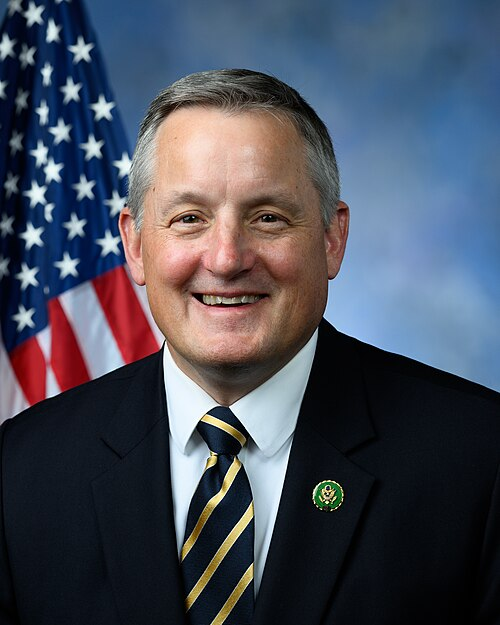
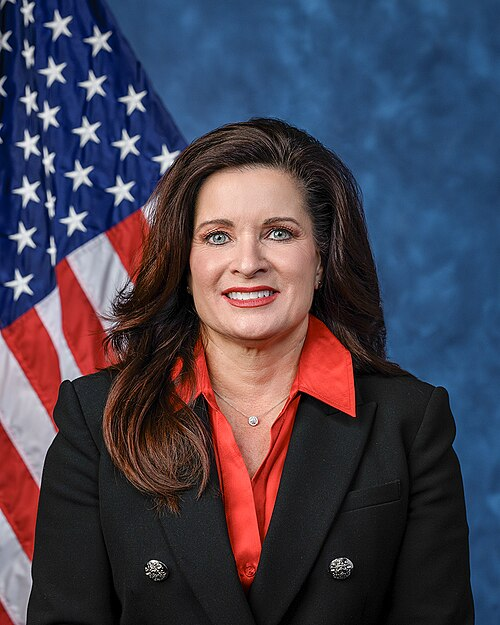
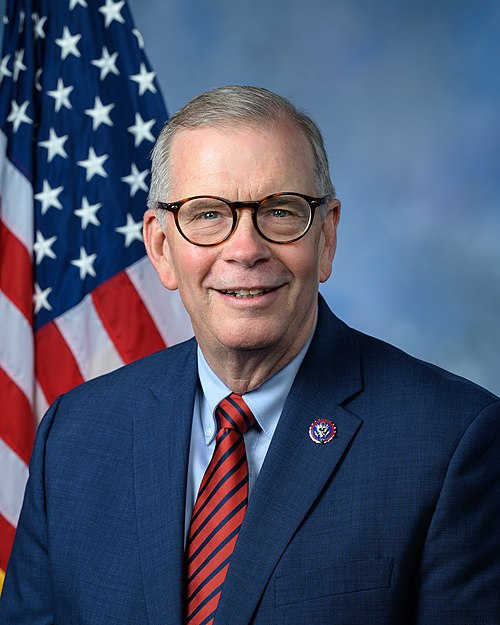
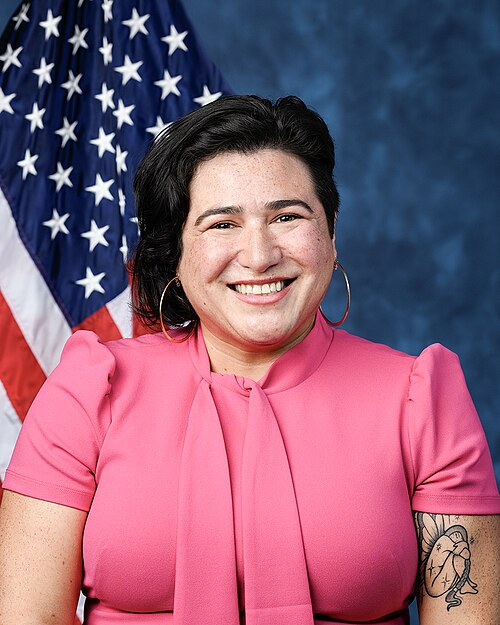
Sponsors
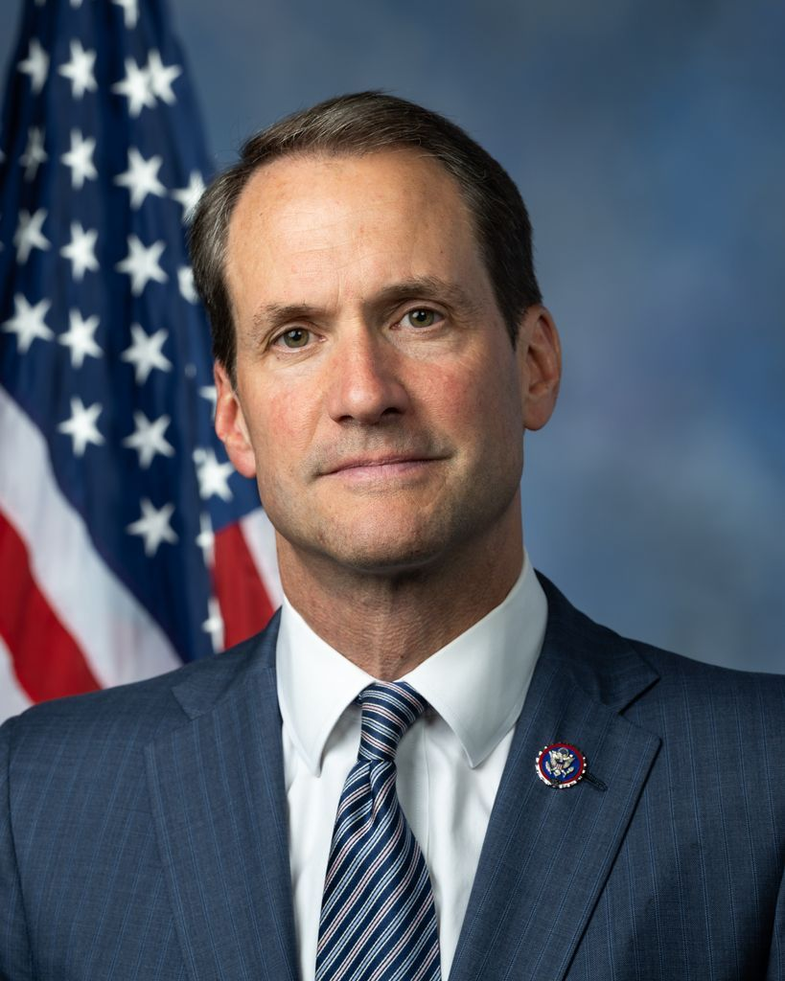
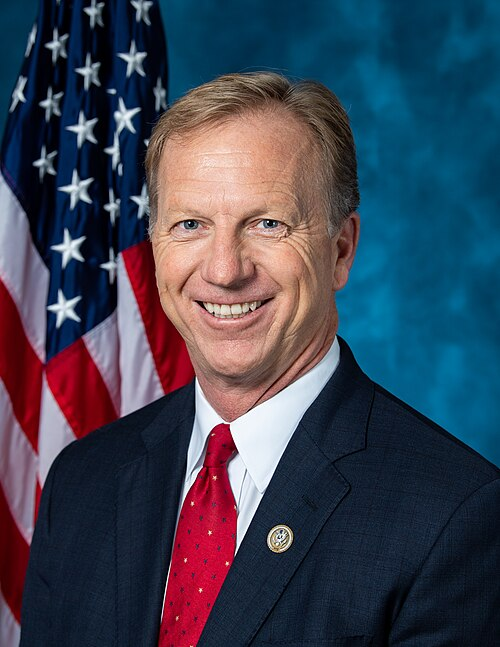
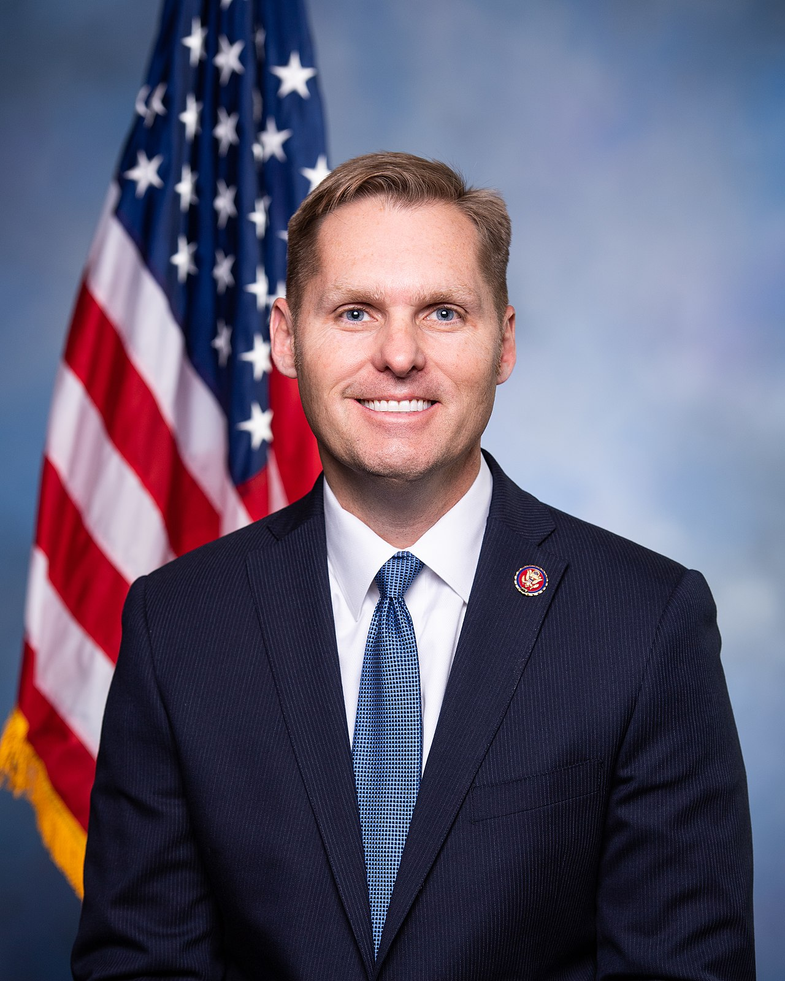
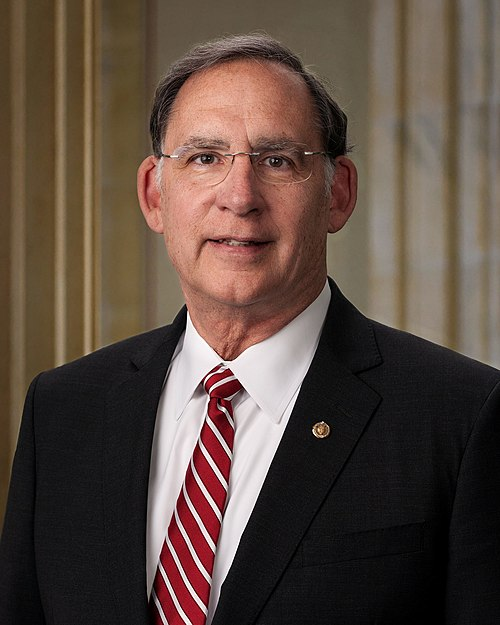
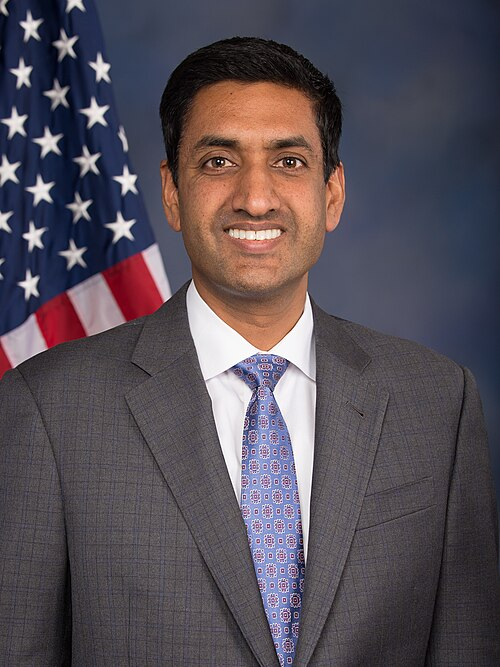
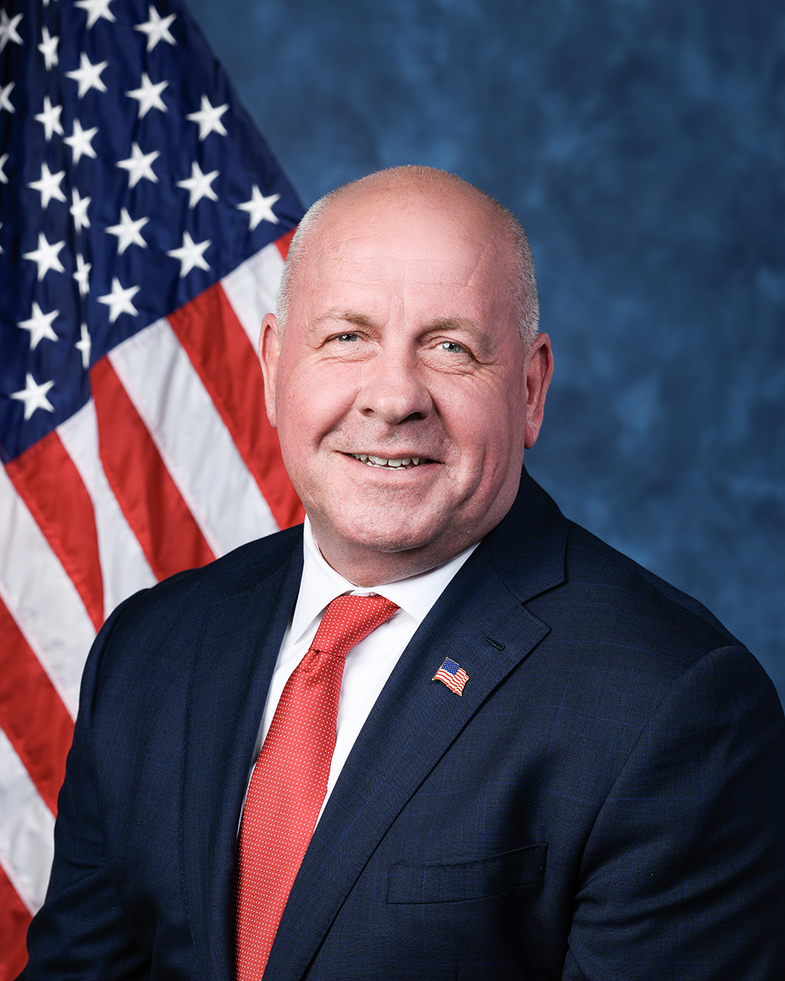
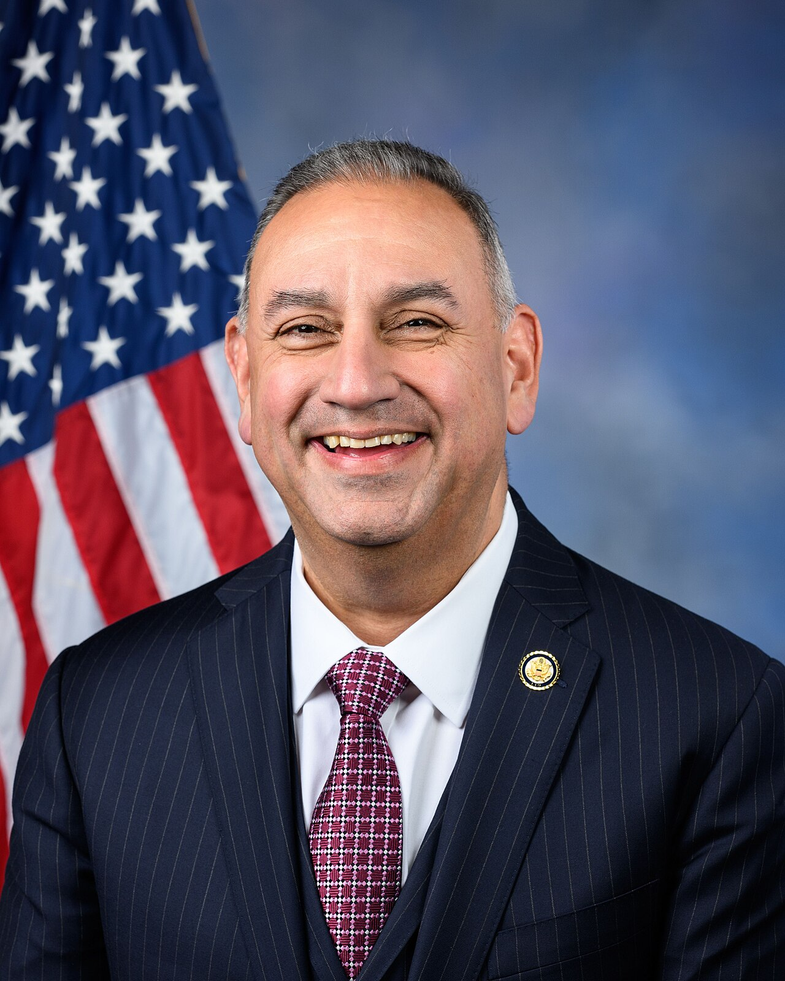
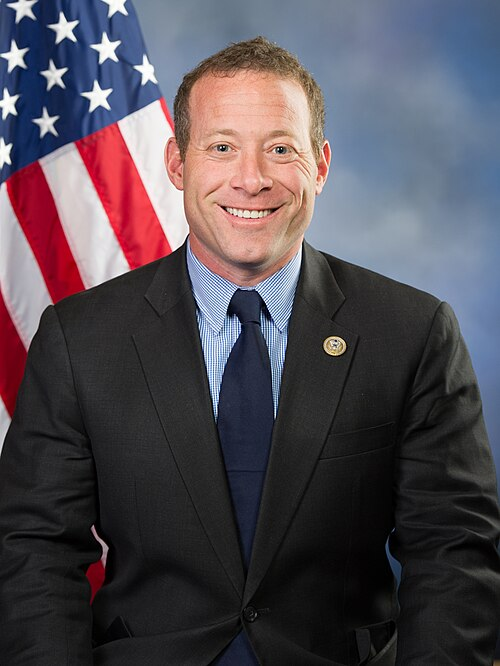
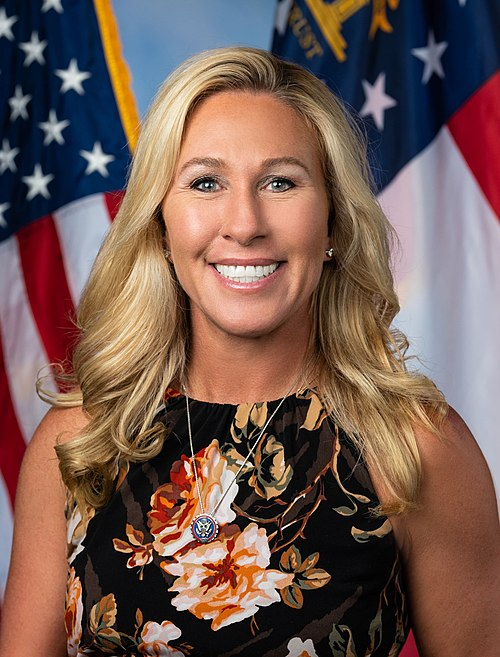
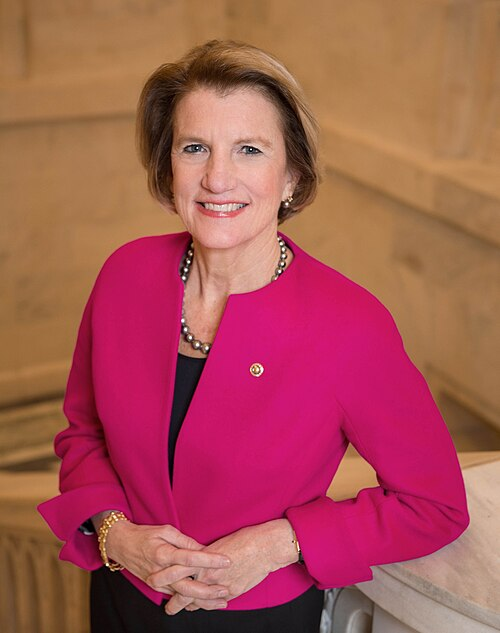
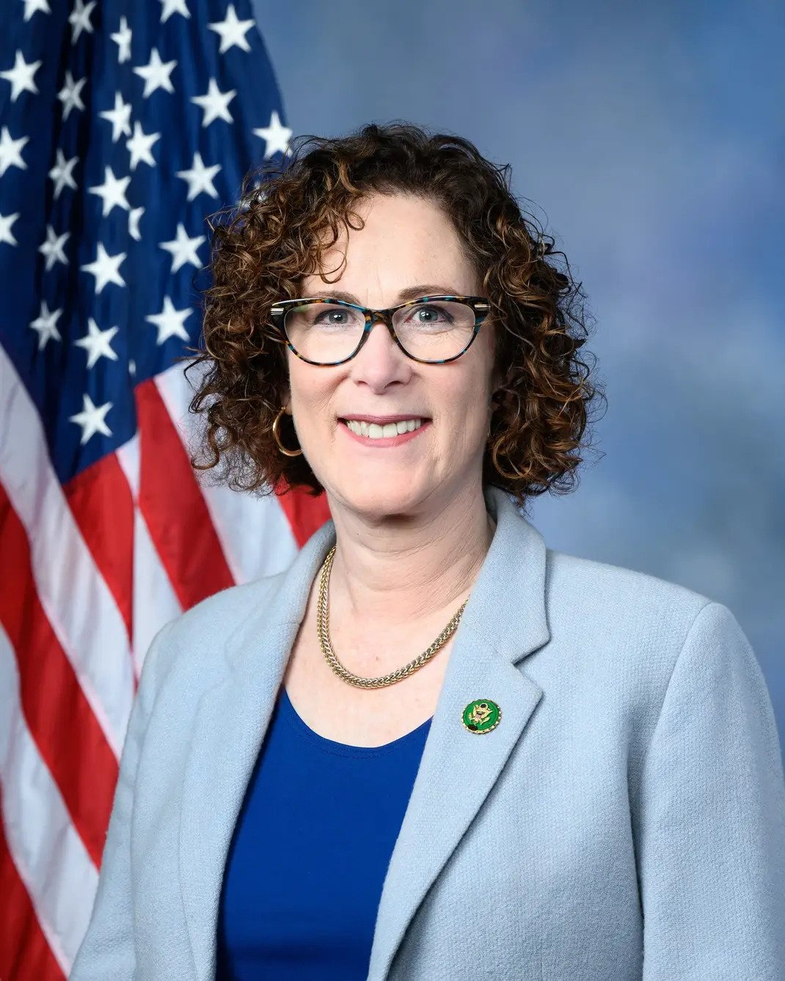
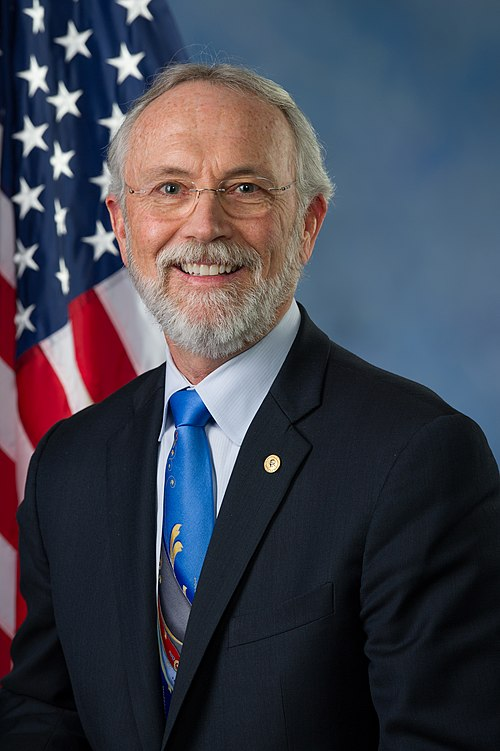
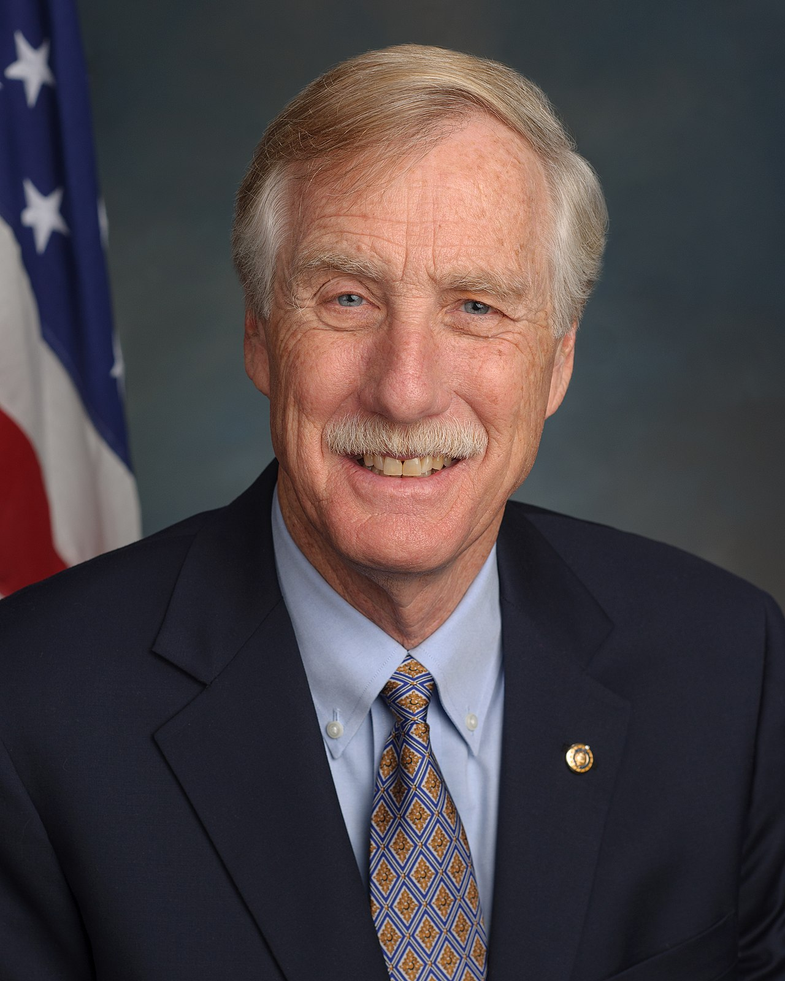
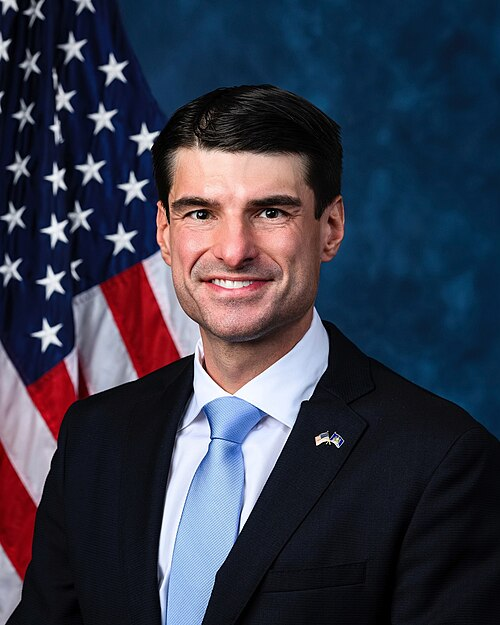
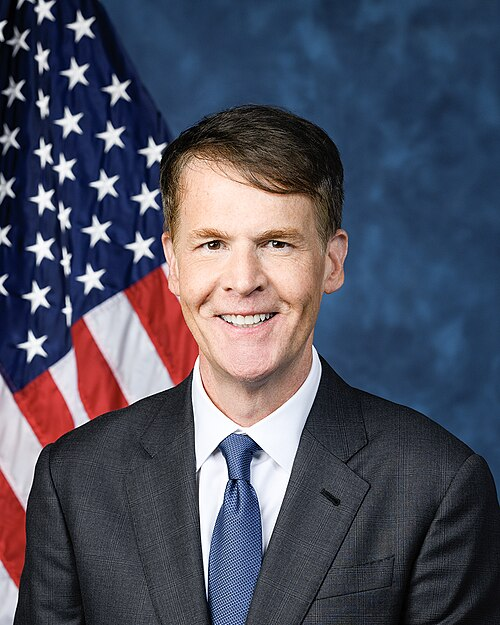
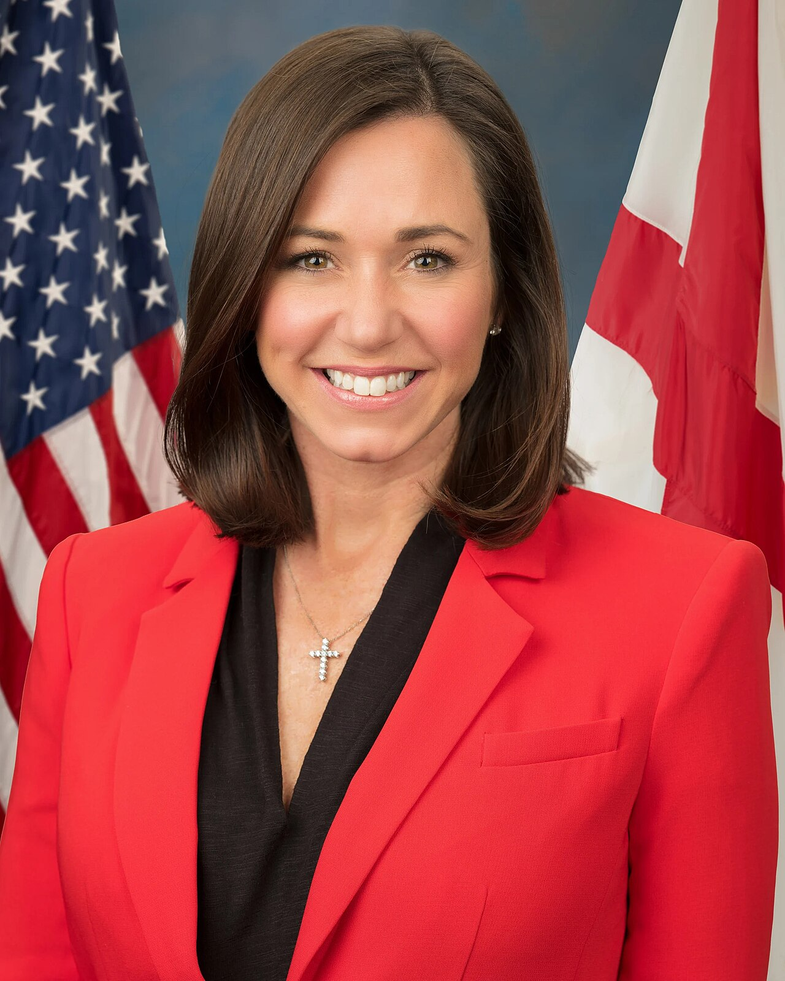
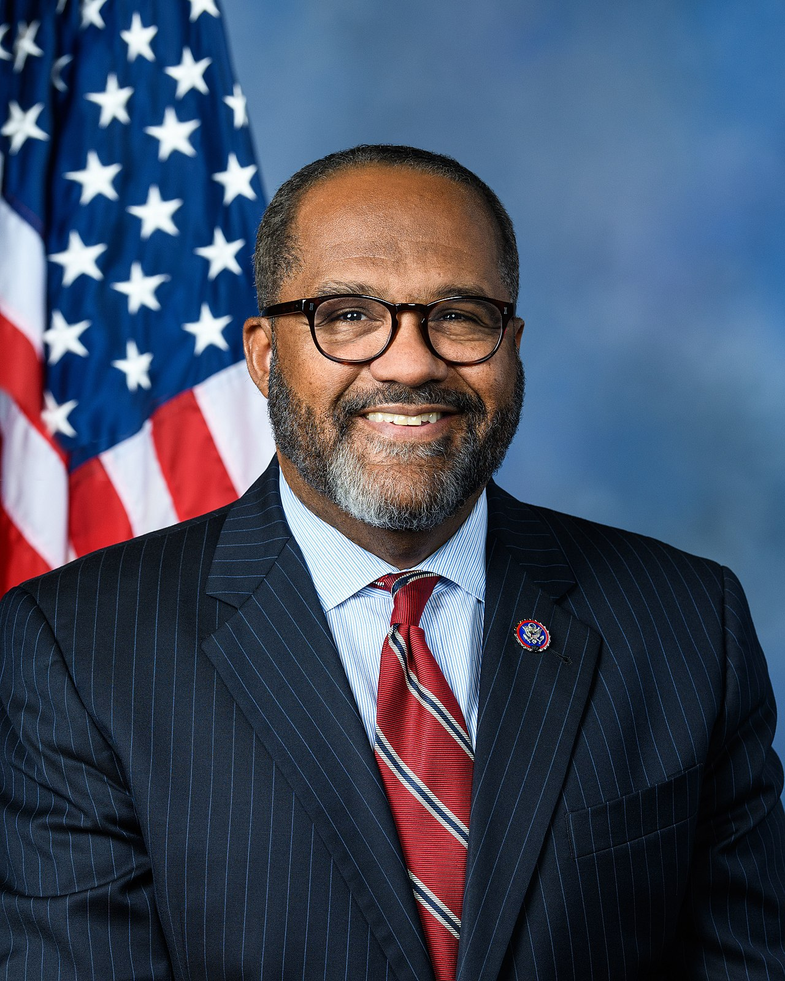
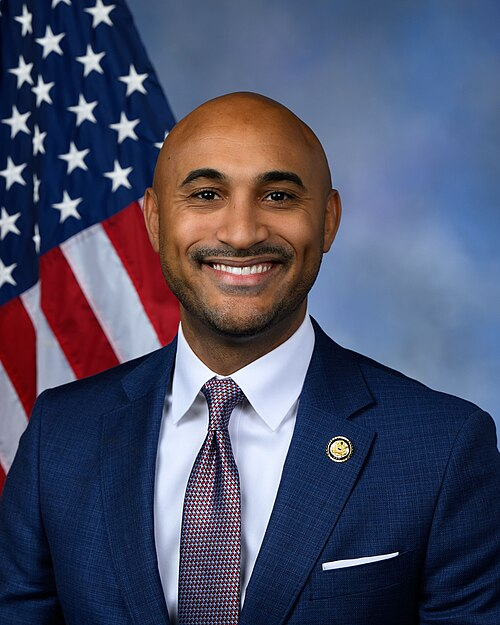
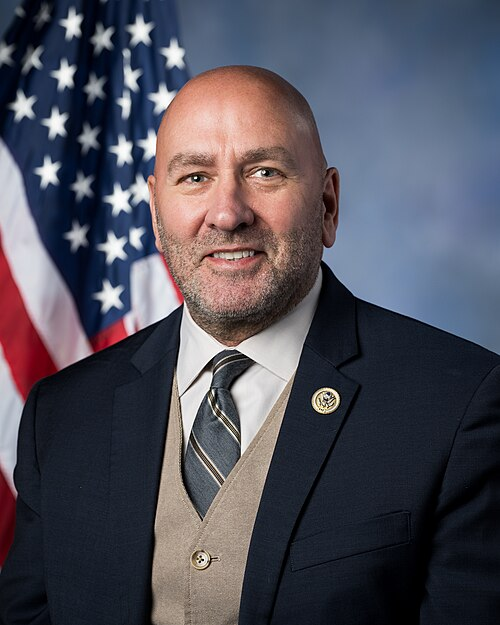
4 bill sponsors
Actions
4 actions
| Date | Action |
|---|---|
| Jun. 03, 2026 | Subcommittee Hearings Held |
| May. 29, 2026 | Referred to the Subcommittee on Water, Wildlife and Fisheries. |
| Apr. 28, 2026 | Introduced in House |
| Apr. 28, 2026 | Referred to the House Committee on Natural Resources. |
Corporate Lobbying
0 companies lobbying
None found.
* Note that there can be significant delays in lobbying disclosures, and our data may be incomplete.