H.R. 8520: Human-Services Emergency Logistics Program Act of 2026
The Human-Services Emergency Logistics Program Act of 2026 (referred to as the HELP Act of 2026) aims to enhance the coordination and accessibility of 211 services across the United States, which provide information and referrals for health and human services. The bill consists of several key components:
Program Establishment
The Secretary of Health and Human Services will set up a program to:
- Increase the capacity of 211 services so they are directly accessible to all individuals in each state.
- Improve coordination between 211 services, as well as 911 and 988 service providers.
- Raise public awareness and usage of 211 services.
Administration and Funding
The Secretary will select an administering agency to help implement the program. Funds for this program will be allocated as grants to qualified 211 service entities in each state, based on a formula that considers factors such as population and poverty rates.
Eligibility and Duties of Administering Agency
Entities eligible to be selected as the administering agency must:
- Be a nonprofit or governmental organization.
- Have experience with 211 services and technical assistance.
- Have established relationships with local organizations.
- Be experienced in disaster response and managing federal grants.
The administering agency is responsible for:
- Advising the Secretary on state funding allotments.
- Conducting evaluations of 211 services nationwide.
- Implementing public awareness campaigns about 211 services.
Shared Data Platforms
The agency can use funds to support shared data platforms for better integration and sharing of 211 resources and data.
Grants to 211 Service Entities
The administering agency will make grants to expand the capacity and accessibility of 211 services, which can be used for:
- Operating and maintaining 211 contact centers.
- Raising public awareness about 211 services.
- Coordinating information databases.
- Covering costs to extend 211 services to unserved areas.
Evaluation and Reporting
The administering agency will conduct evaluations to assess access to 211 services, their effectiveness, public awareness, and user satisfaction. Reports will be submitted to the Secretary, detailing activities funded by grants along with their effectiveness in connecting individuals to services.
Definitions and Funding
Definitions include what constitutes a 211 service, qualified 211 service entities, and health and human services. The bill authorizes $250 million per fiscal year from 2026 through 2032 for implementation, with up to 10% reserved for administrative costs.
Relevant Companies
None found.
This is an AI-generated summary of the bill text. There may be mistakes.
Sponsors
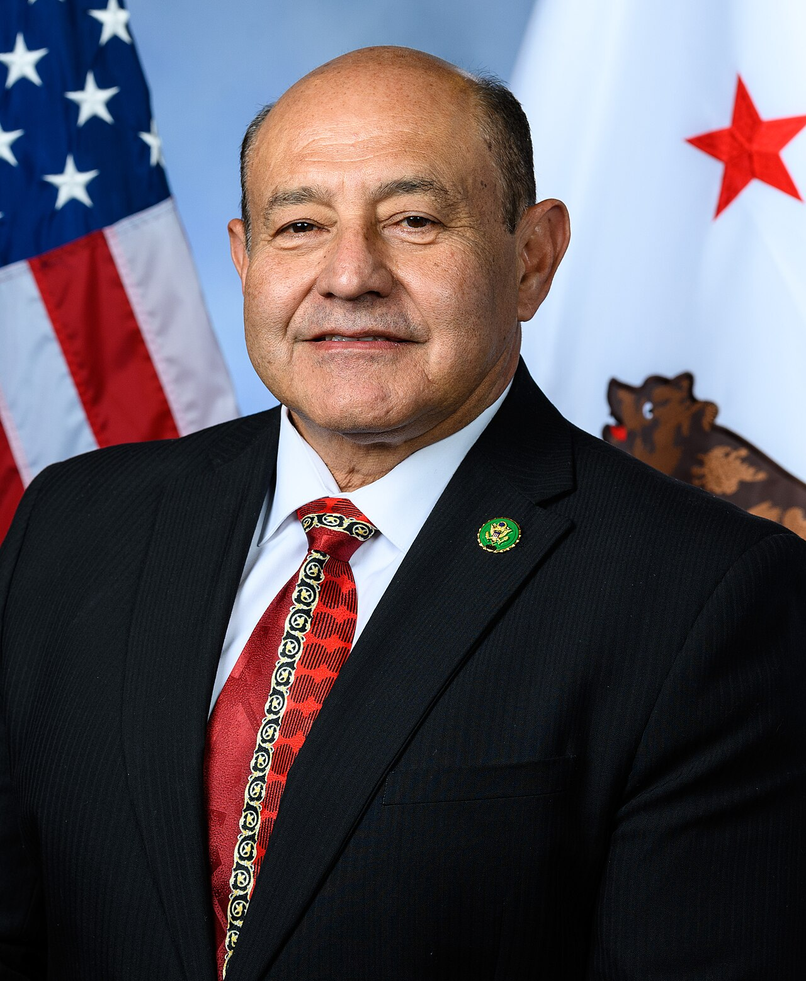
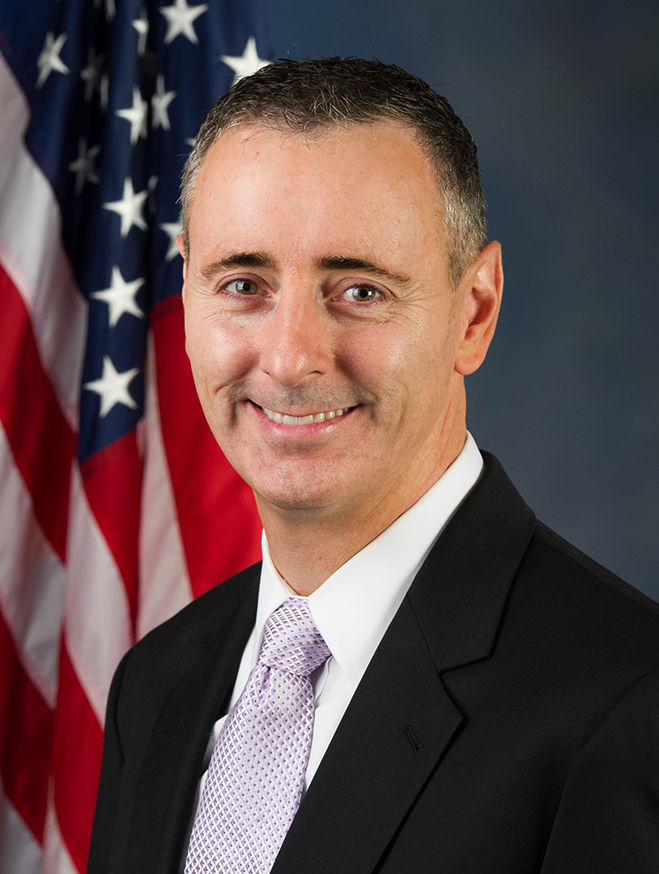
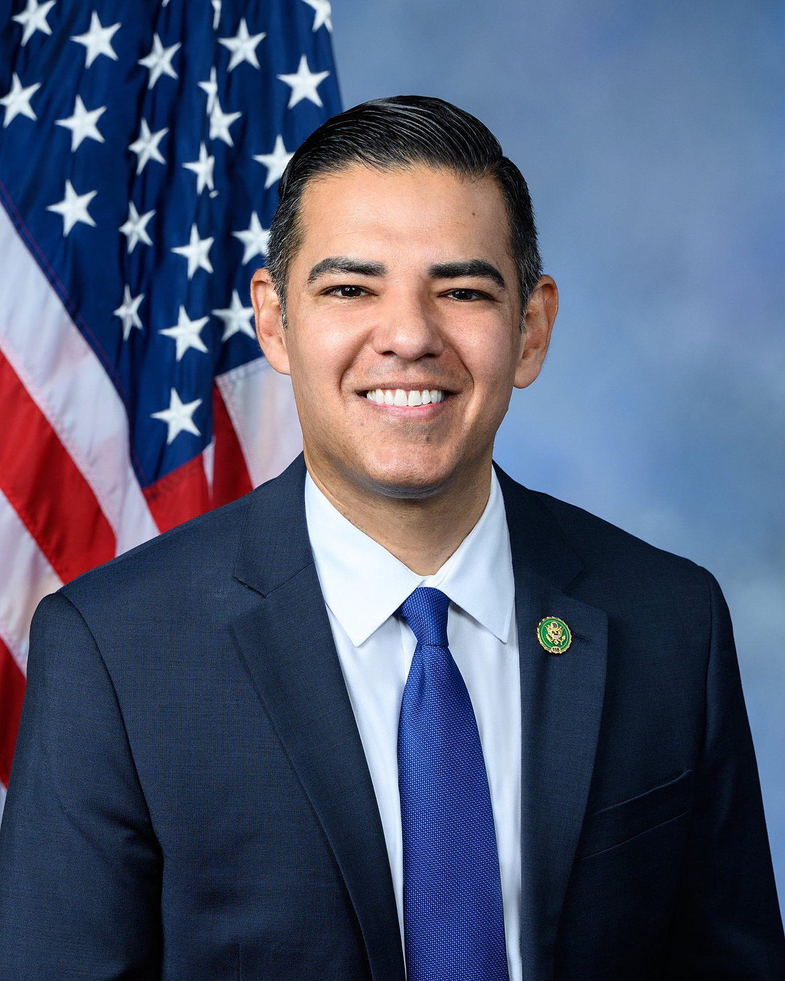
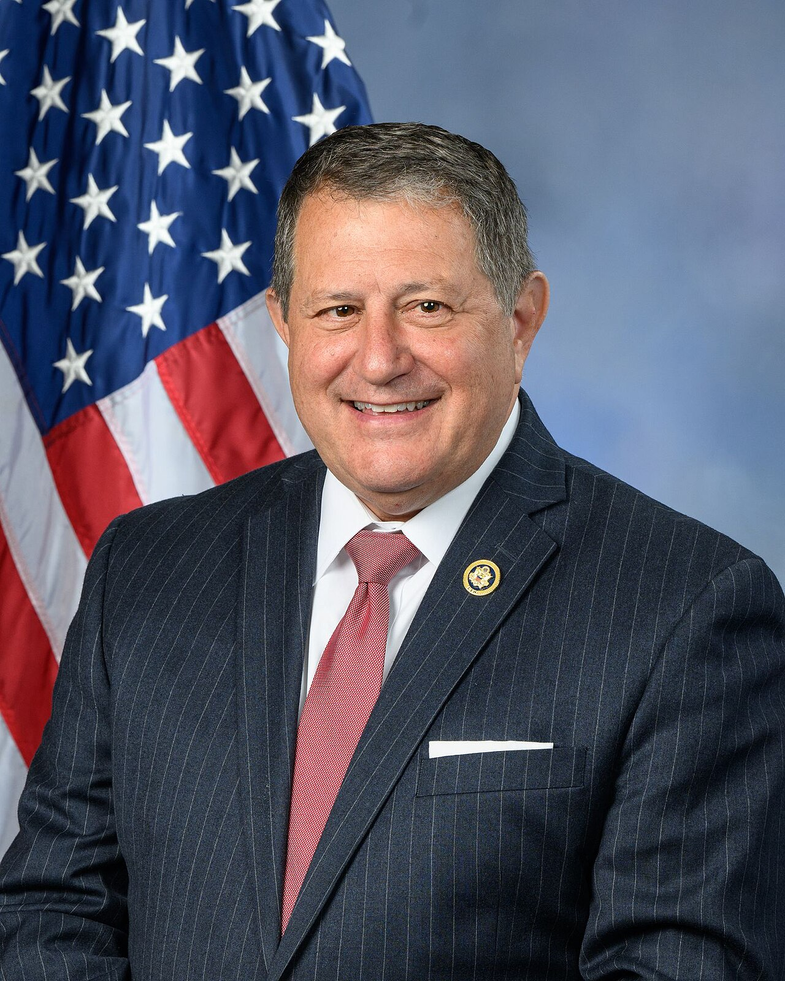
8 bill sponsors



Actions
2 actions
| Date | Action |
|---|---|
| Apr. 27, 2026 | Introduced in House |
| Apr. 27, 2026 | Referred to the House Committee on Energy and Commerce. |
Corporate Lobbying
0 companies lobbying
None found.
* Note that there can be significant delays in lobbying disclosures, and our data may be incomplete.
Potentially Relevant Congressional Stock Trades
No relevant congressional stock trades found.