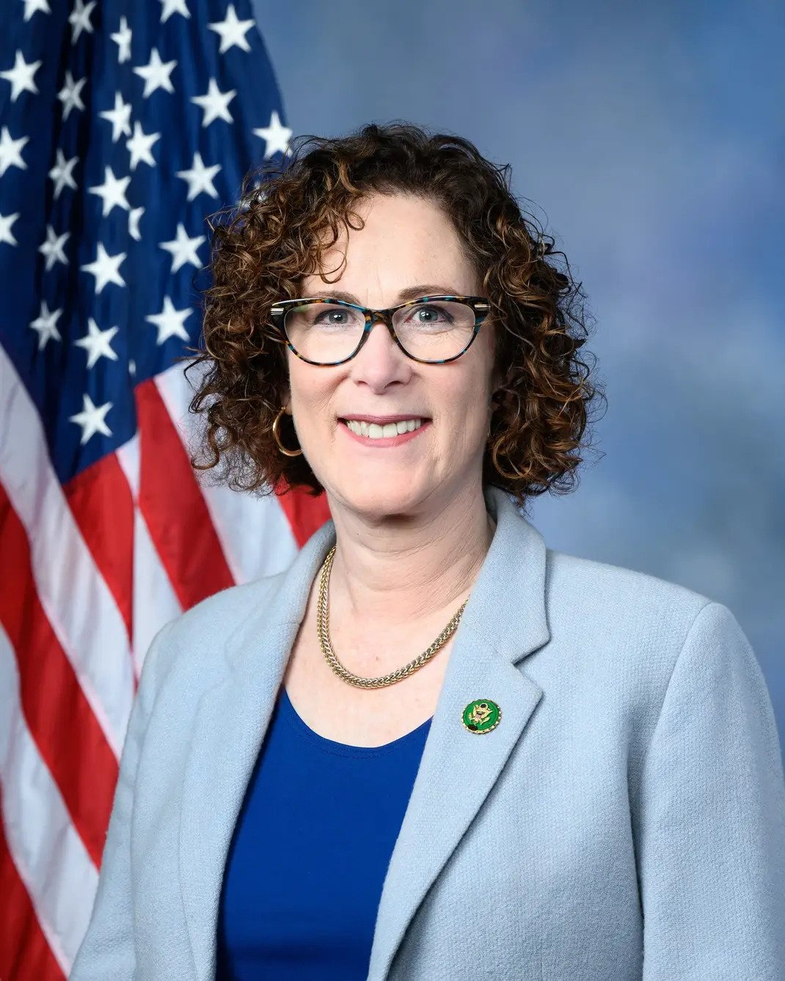
H.R. 8501: Rehabilitation of Historic Schools Act of 2026
This bill, titled the Rehabilitation of Historic Schools Act of 2026, aims to modify existing tax regulations to enable public schools to qualify for rehabilitation tax credits. Currently, rehabilitation tax credits are available for certain buildings, but the bill sets out to change how these credits apply to public educational facilities.
Key Provisions of the Bill
- Expansion of Rehabilitation Tax Credits: The bill amends the Internal Revenue Code to allow expenditures on the rehabilitation of public school buildings to qualify for rehabilitation credit. This change means that public schools can receive tax benefits when they invest in repairing and upgrading their facilities.
- Specific Eligibility Criteria: For a public school to qualify for these rehabilitation credits, it must have been used as a qualified public educational facility at any time during the five years prior to the beginning of the rehabilitation and must be used as such directly after the rehabilitation. This ensures that the tax credits apply only to buildings actively serving educational purposes.
Reporting Requirements
The bill mandates a report to Congress within five years of its enactment. The report will include:
- The number of public education facilities that were rehabilitated, with separate data by state and the number of students using these facilities.
- The number of facilities rehabilitated in low-income areas and their student usage statistics.
- The total amount of rehabilitation expenditures for each qualified facility.
- Any other useful data deemed relevant by the Secretary of the Treasury for evaluating the amendment's impact.
Effective Date
The provisions of this bill would take effect for properties that are put into service after the bill is enacted, impacting future rehabilitation projects but not those that have already commenced prior to its adoption.
Relevant Companies
- CMI (Cummins Inc.): As a provider of engines and power generation technology, Cummins may see increased demand if public schools invest in new energy-efficient systems as part of their rehabilitation.
- FLR (Fluor Corporation): Fluor, being involved in construction and engineering, could be impacted through increased project opportunities for rehabilitating public school facilities.
- AME (Ametek Inc.): Ametek provides electronic instruments and electromechanical devices, which may be utilized in upgraded school facilities, hence potentially benefiting from increased expenditures on rehabilitation initiatives.
This is an AI-generated summary of the bill text. There may be mistakes.
Sponsors
11 bill sponsors
-
TrackDwight Evans

Sponsor
-
TrackBrendan F. Boyle
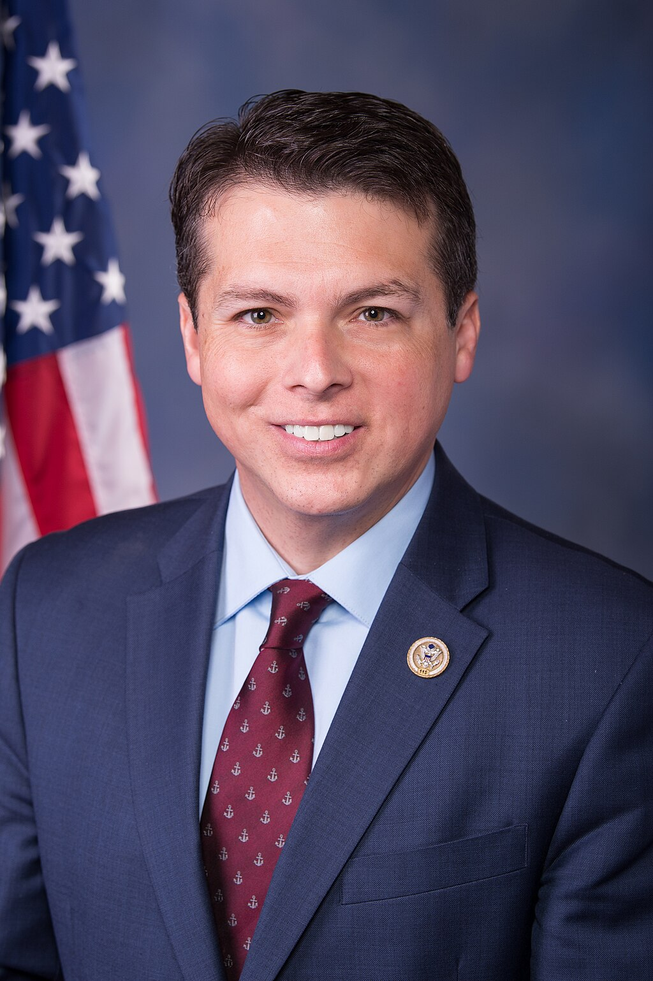
Co-Sponsor
-
TrackDanny K. Davis

Co-Sponsor
-
TrackShomari Figures

Co-Sponsor
-
TrackBrian K. Fitzpatrick

Co-Sponsor
-
TrackRaja Krishnamoorthi

Co-Sponsor
-
TrackGwen Moore

Co-Sponsor
-
TrackEleanor Holmes Norton

Co-Sponsor
-
TrackMary Gay Scanlon

Co-Sponsor
-
TrackJanice D. Schakowsky

Co-Sponsor
-
TrackMike Thompson
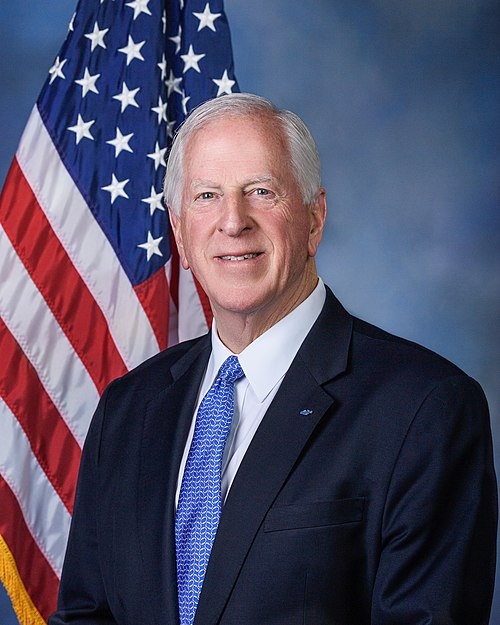
Co-Sponsor
Actions
2 actions
| Date | Action |
|---|---|
| Apr. 27, 2026 | Introduced in House |
| Apr. 27, 2026 | Referred to the House Committee on Ways and Means. |
Corporate Lobbying
0 companies lobbying
None found.
* Note that there can be significant delays in lobbying disclosures, and our data may be incomplete.