
H.R. 8489: HUD Payment Integrity and Accountability Act of 2026
This bill, known as the HUD Payment Integrity and Accountability Act of 2026, focuses on improving the oversight and management of housing assistance programs managed by the Department of Housing and Urban Development (HUD). The bill mandates several key actions to enhance the integrity of these programs and ensure that federal assistance is used properly. Below are the main components of the bill:
Improper Payment Assessment
The Secretary of Housing and Urban Development is required to conduct an assessment of improper payments related to two types of housing assistance:
- Project-based assistance: Financial support tied to specific housing projects.
- Tenant-based assistance: Financial aid that individuals receive to help pay for their housing costs.
This assessment must be included in the agency's financial report by December 1, 2027, ensuring compliance with federal guidelines.
Implementation Plan and Timeline
The Secretary needs to create a detailed plan for testing and reporting on improper payment estimates for both tenant-based and project-based rental assistance programs. This will involve compliance with applicable federal laws and guidelines.
Fraud Detection Mechanisms
The bill establishes procedures for identifying potential fraud in housing assistance:
- If there is a significant increase (more than 100%) in the total payments made for housing assistance in a specific area, or if the number of landlords receiving assistance doubles, the Secretary must notify the Inspector General.
Similar reporting requirements exist for community development and disaster recovery grants, requiring notifications for significant changes in funding or recipients within specific jurisdictions.
Inspector General Audits
Beginning two years after the bill's enactment, the Inspector General of HUD is mandated to conduct annual audits to identify areas where payments or the number of housing providers may have significantly increased (by at least 400%) over a five-year period. The Inspector General will review these areas to ensure compliance with improper payment testing requirements and to detect any fraudulent activity.
Oversight Procedures
The bill requires the Inspector General to perform several oversight functions:
- Pre-Validation: Six months before the compliance date, the Inspector General must certify the methodology used for assessing improper payments.
- Fraud Risk Assessment: The Inspector General will analyze the approximately $50 billion spent annually on rental assistance, identifying high-risk areas in the payment chain for both project-based and tenant-based assistance.
- Data Analysis: The assessment will include a comprehensive data draw from departmental systems to identify challenges and barriers that prevent effective oversight.
The findings from these assessments will be reported to the relevant congressional committees for further review.
Goals of the Bill
The overall aim of the HUD Payment Integrity and Accountability Act of 2026 is to reduce fraud, waste, and abuse in housing assistance programs, ensuring that federal funds are effectively managed and directed to those who genuinely need assistance.
Relevant Companies
None found.
This is an AI-generated summary of the bill text. There may be mistakes.
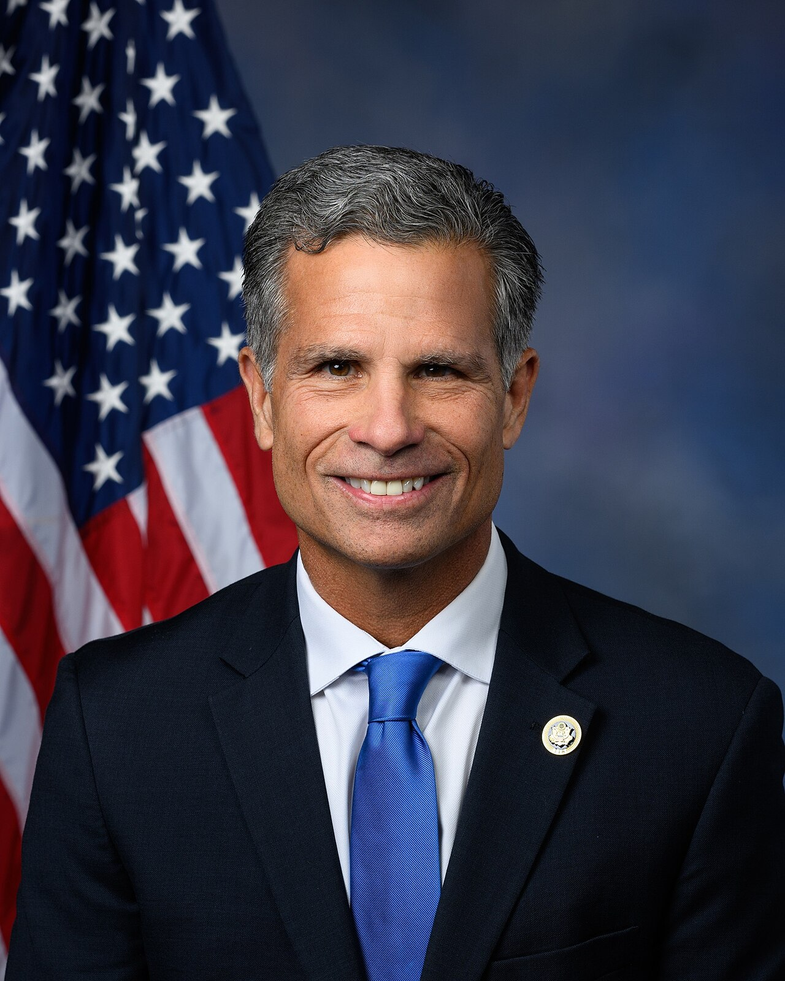
Sponsors
1 sponsor
Actions
2 actions
| Date | Action |
|---|---|
| Apr. 23, 2026 | Introduced in House |
| Apr. 23, 2026 | Referred to the House Committee on Financial Services. |
Corporate Lobbying
0 companies lobbying
None found.
* Note that there can be significant delays in lobbying disclosures, and our data may be incomplete.
Potentially Relevant Congressional Stock Trades
No relevant congressional stock trades found.