H.R. 8484: Hazard Pay for Health Care Heroes Act
This bill, known as the Hazard Pay for Health Care Heroes Act, aims to provide additional support and financial compensation for health care workers during declared emergencies and disasters. Here is a breakdown of its main components:
Emergency Grants
The bill establishes a framework for providing emergency grants to safeguarding essential health care workers. These grants can be disbursed to:
- Public or private nonprofit health care facilities
- Home health agencies
Definitions
To ensure clarity, the bill defines several key terms:
- Emergency or disaster: Includes various types of emergencies as declared by the President, such as major declared disasters or public health emergencies.
- Eligible health care worker: Refers to health care workers whose jobs cannot be done remotely, typically involving direct patient care.
- Essential health care worker: This includes several roles like health care providers, medical technologists, public health workers, and more, as well as support staff like environmental services workers.
Grants and Usage of Funds
The Secretary of Health and Human Services is authorized to make grants, which must be used for:
- Hazardous duty compensation: Health care workers may receive additional pay for work conducted during emergencies. This compensation can be up to $13 per hour on top of regular wages, with a cap of $25,000 per year for each worker.
- Provision of safety measures: Funds can also be used for safety equipment and measures to protect health care workers, such as personal protective gear or alternative transportation options during emergencies.
Authorization of Appropriations
The bill authorizes the necessary sums of money to carry out these provisions effectively, indicating that budgetary resources will be allocated as needed for the implementation of this act.
Summary
Overall, the Hazard Pay for Health Care Heroes Act focuses on providing financial recognition and added safety to essential health care workers during times of emergency, thus ensuring that those who are on the front lines in health care settings receive adequate compensation and support when performing their duties under hazardous conditions.
Relevant Companies
- UNH - UnitedHealth Group: As a major health care provider, changes in emergency funding and employee compensation could directly impact their labor costs and operational structure.
- HCA - HCA Healthcare: This company operates numerous health facilities, and the bill might affect their wage structures and staffing policies during emergency declarations.
- CHNG - Change Healthcare: Involved in health care IT services, they could see changes in demand for their services as health systems adapt to accommodate the provisions of the bill.
This is an AI-generated summary of the bill text. There may be mistakes.
Sponsors
23 bill sponsors
-
TrackSummer L. Lee

Sponsor
-
TrackBecca Balint
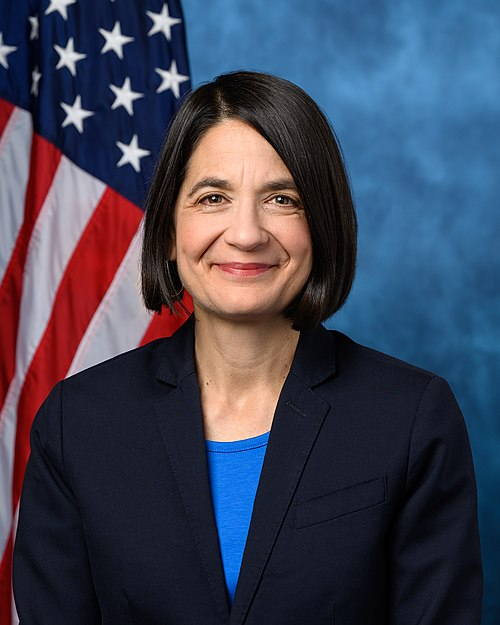
Co-Sponsor
-
TrackAndré Carson
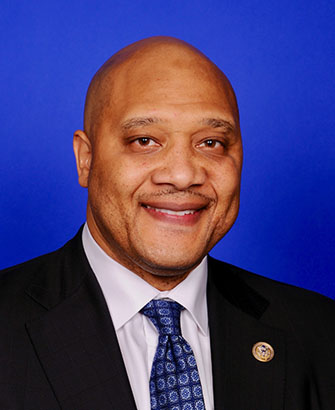
Co-Sponsor
-
TrackTroy A. Carter
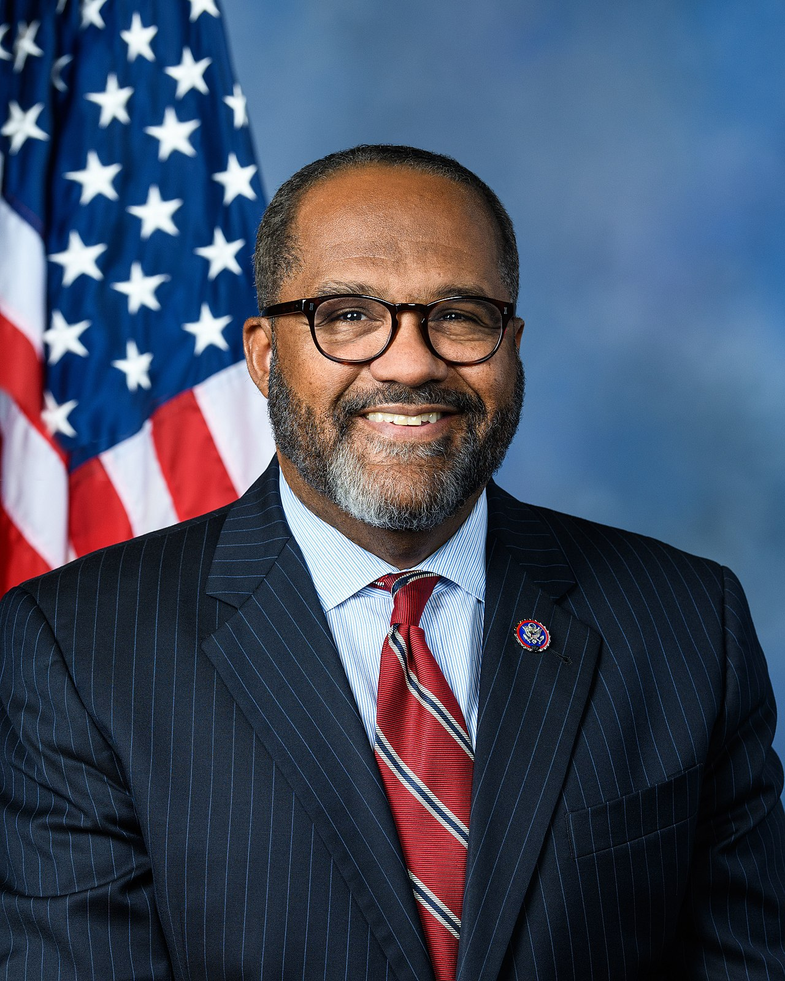
Co-Sponsor
-
TrackGreg Casar

Co-Sponsor
-
TrackYvette D. Clarke
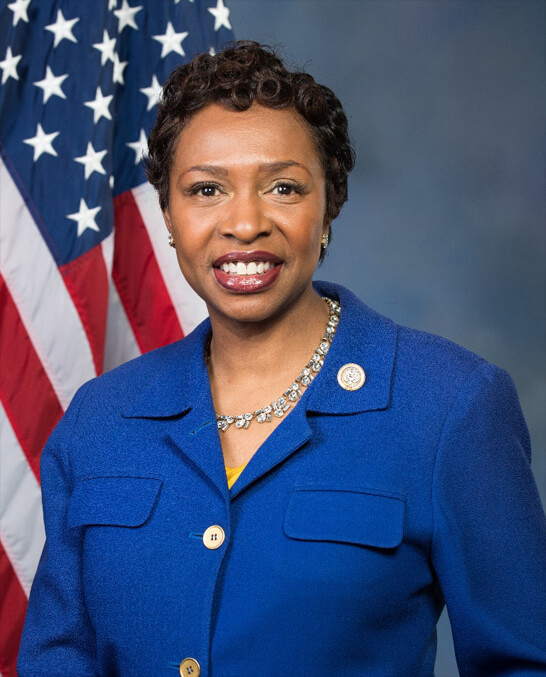
Co-Sponsor
-
TrackJasmine Crockett

Co-Sponsor
-
TrackValerie P. Foushee
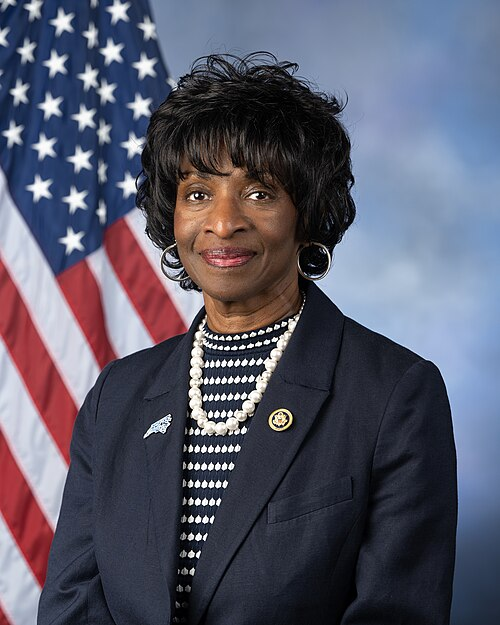
Co-Sponsor
-
TrackMaxwell Frost
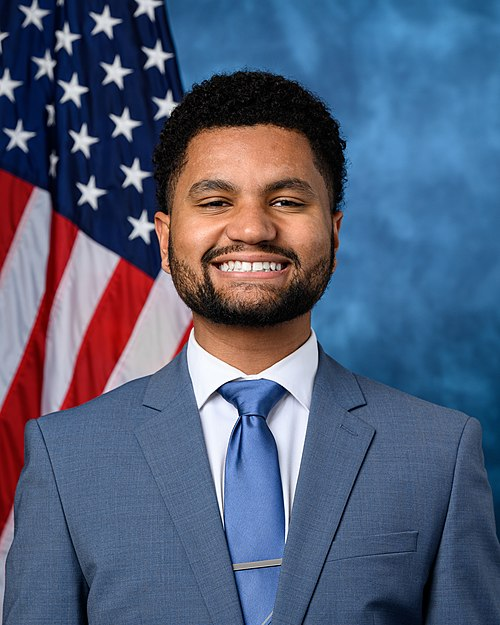
Co-Sponsor
-
TrackRobert Garcia
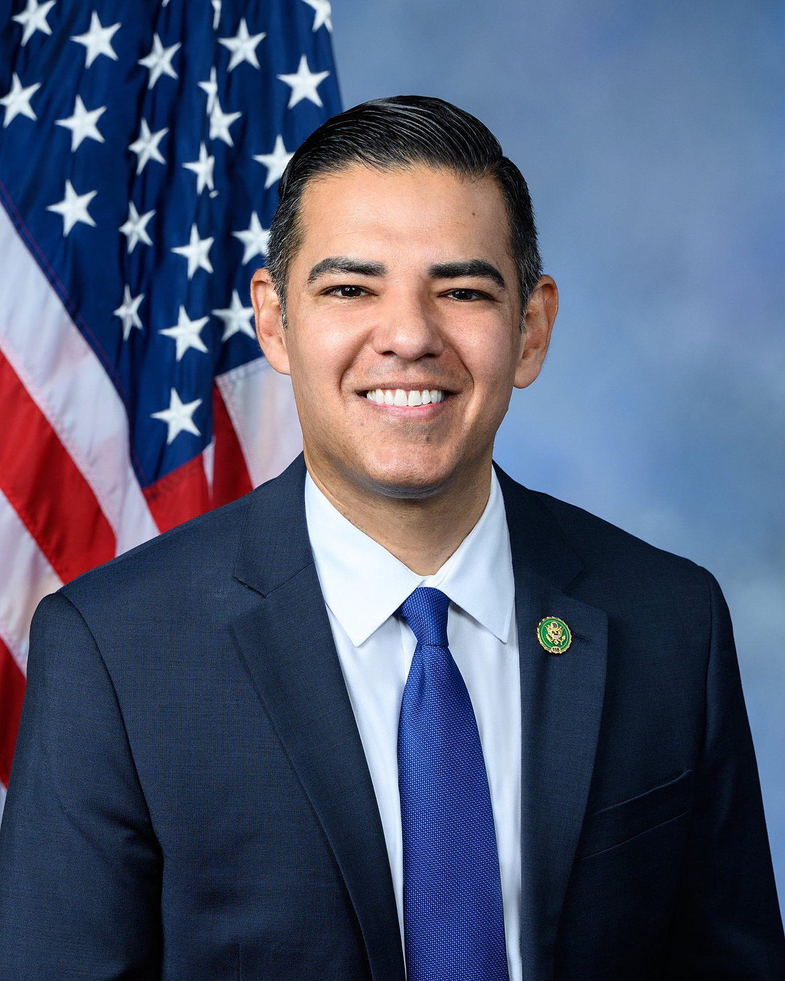
Co-Sponsor
-
TrackJonathan L. Jackson
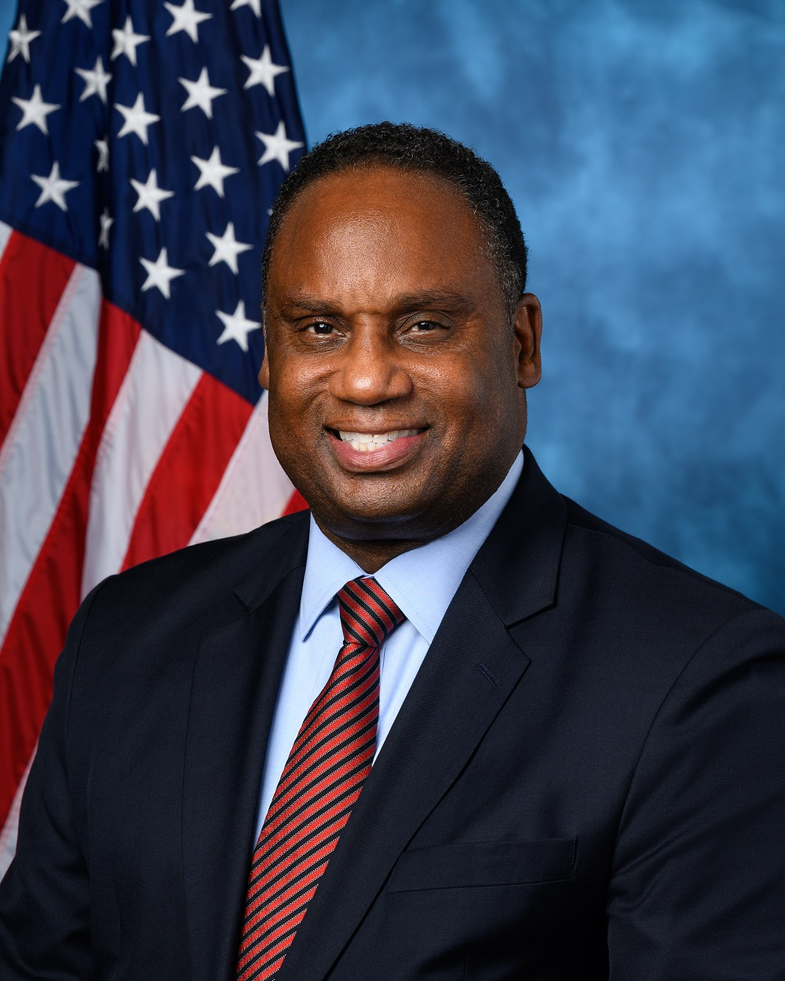
Co-Sponsor
-
TrackPramila Jayapal

Co-Sponsor
-
TrackSydney Kamlager-Dove
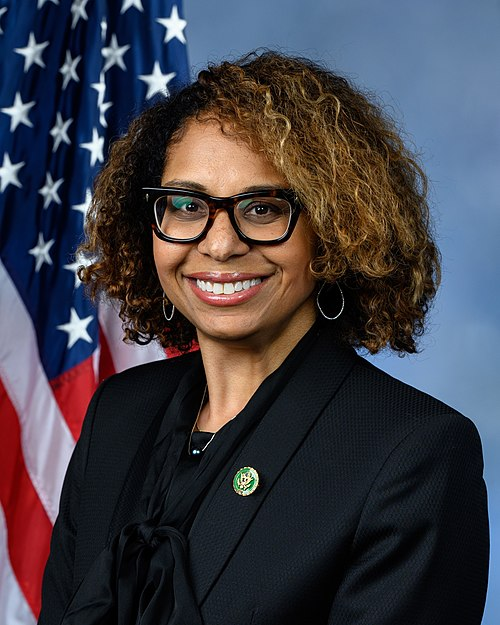
Co-Sponsor
-
TrackRo Khanna
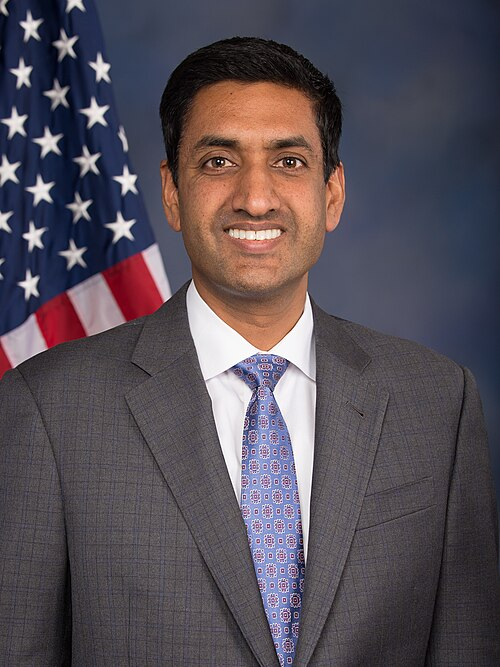
Co-Sponsor
-
TrackJennifer L. McClellan
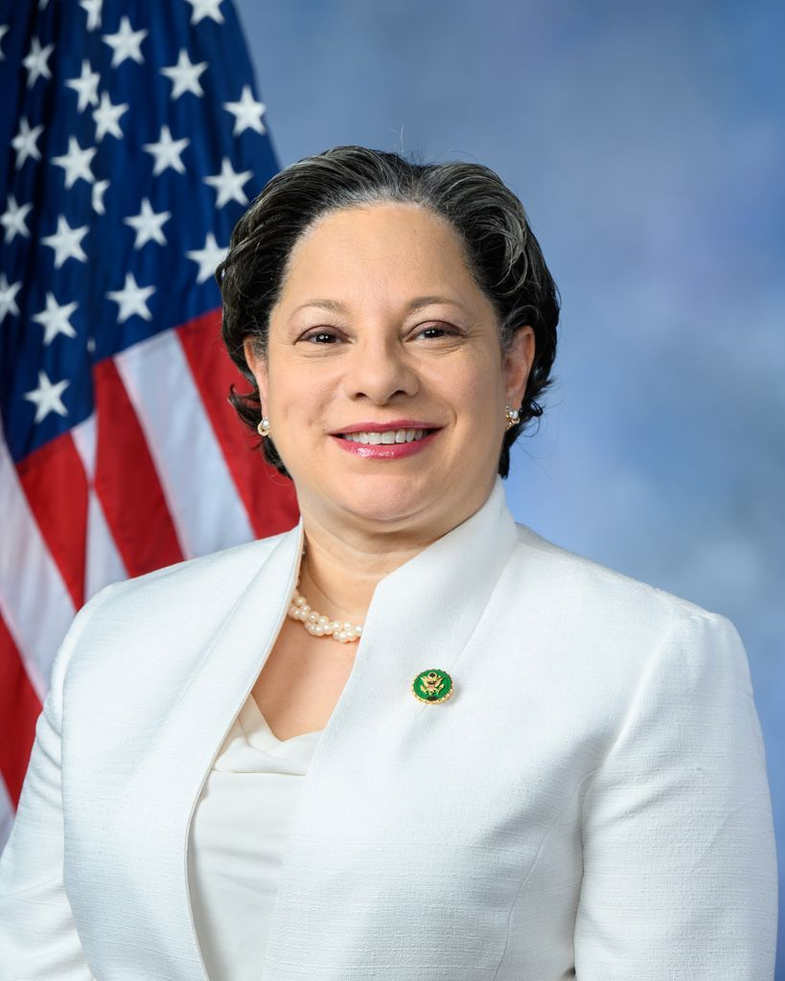
Co-Sponsor
-
TrackEleanor Holmes Norton

Co-Sponsor
-
TrackAyanna Pressley
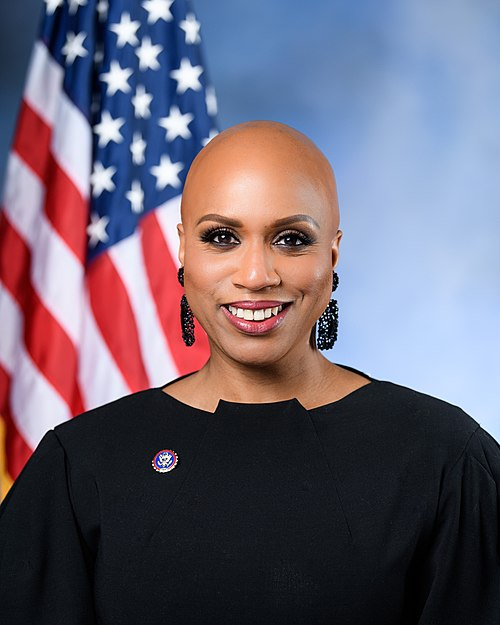
Co-Sponsor
-
TrackTerri A. Sewell
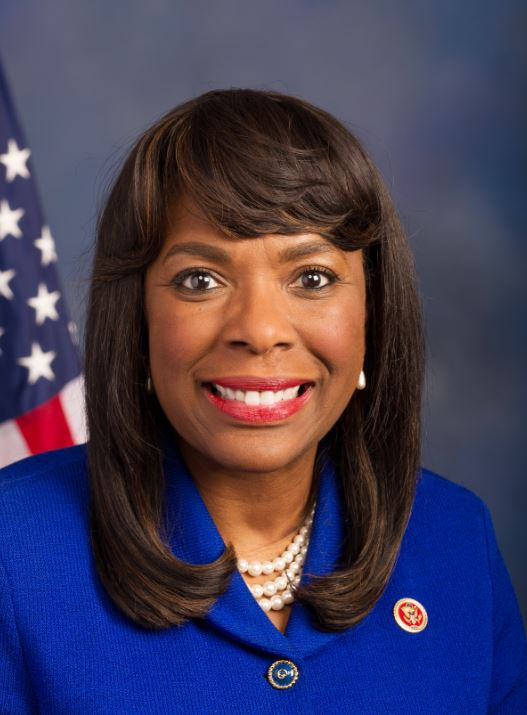
Co-Sponsor
-
TrackLateefah Simon

Co-Sponsor
-
TrackMarilyn Strickland
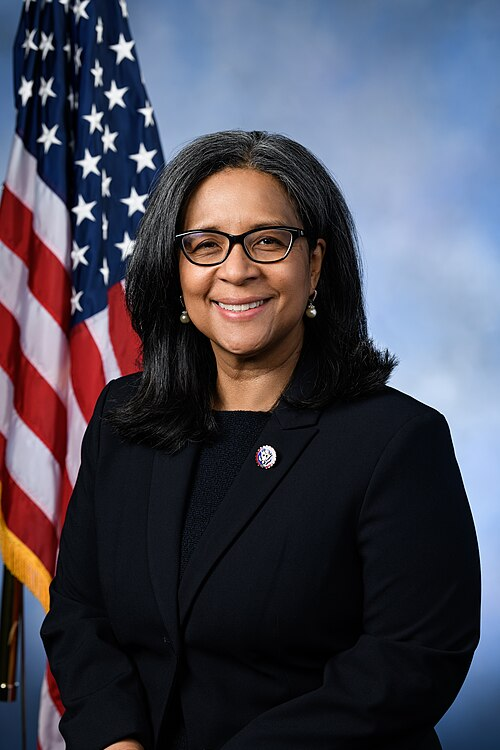
Co-Sponsor
-
TrackRashida Tlaib
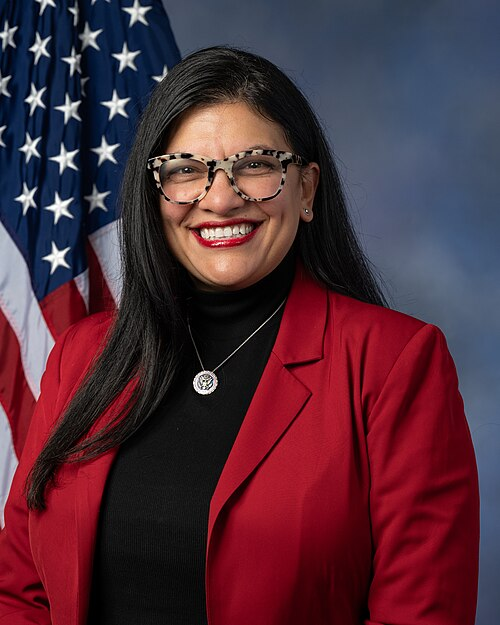
Co-Sponsor
-
TrackJill N. Tokuda
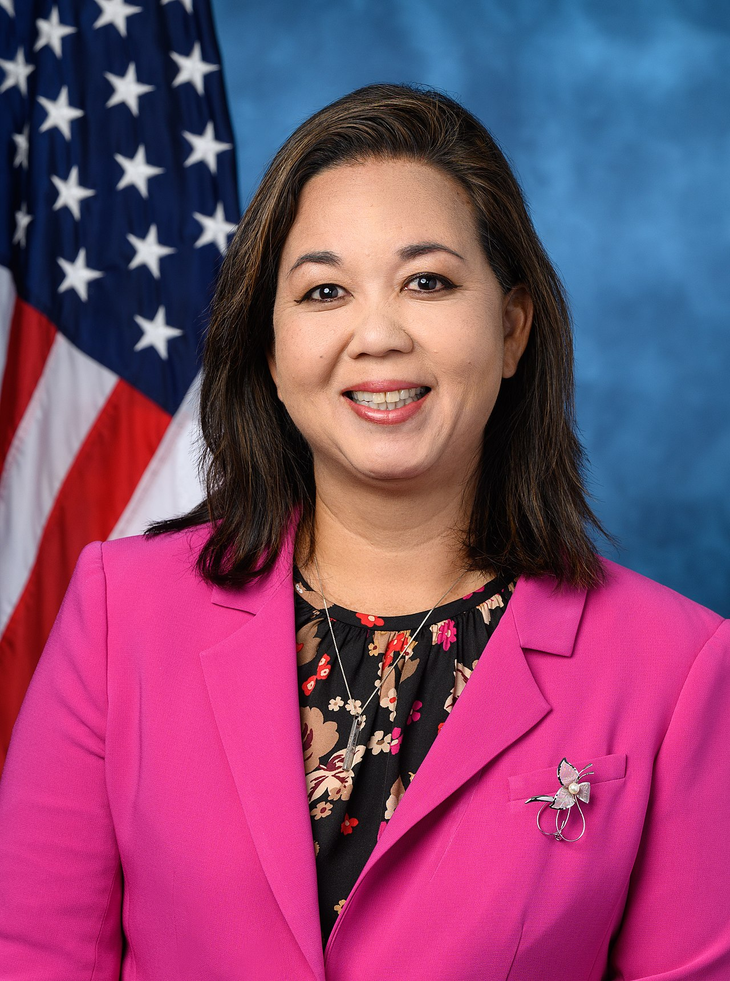
Co-Sponsor
-
TrackBonnie Watson Coleman
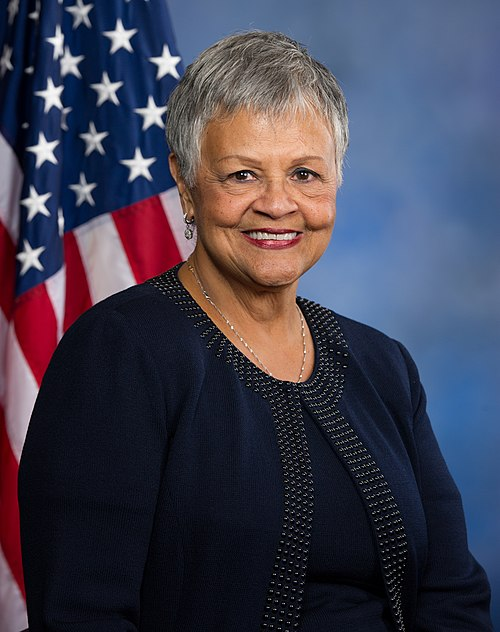
Co-Sponsor
Actions
2 actions
| Date | Action |
|---|---|
| Apr. 23, 2026 | Introduced in House |
| Apr. 23, 2026 | Referred to the House Committee on Energy and Commerce. |
Corporate Lobbying
0 companies lobbying
None found.
* Note that there can be significant delays in lobbying disclosures, and our data may be incomplete.