H.R. 8467: Zeroing Out Monetary Benefits Improperly Expended Act
The bill titled "Zeroing Out Monetary Benefits Improperly Expended Act" aims to reform existing legislation concerning payment integrity within the federal government. Its primary goals are to enhance the government's focus on preventing fraud, refining how improper payments are reported, and ensuring that agencies manage funds more effectively to avoid financial loss to the government. Below are the specific provisions the bill proposes:
Revisions to Definitions and Payment Integrity Information
The bill amends definitions related to improper payments in the Payment Integrity Information Act of 2019 to be more specific about what constitutes "financial loss to the Government." This includes emphasizing the need to report information on improper payments that result in such financial losses as part of each agency's annual budget justification.
Annual Reporting and Risk Assessment
The bill mandates that executive agencies not only estimate improper payments leading to financial loss but also include these estimates in their annual reports. Agencies will be required to conduct regular risk assessments and establish controls to mitigate fraud and improper payments.
Focus on Fraud Prevention
To address fraud specifically, the bill directs agencies to improve their frameworks for managing fraud risk, including developing risk assessment guidance within one year of the enactment. These assessments will evaluate potential payment errors and their impact on financial losses, ensuring ongoing scrutiny and improvement in fraud management practices.
New Reporting Requirements
The bill introduces new reporting requirements to ensure agencies regularly evaluate their programs and activities related to managing improper payments. Executive agencies must now submit prioritized lists of risks associated with these payments, detailing actions taken to prevent financial losses and improve program integrity.
Increased Frequency of Evaluations
Rather than reviewing programs at predefined intervals, the bill requires ongoing assessments of payment integrity across federal programs, with a minimum frequency of once every three years for each program included in risk assessments.
Expanded Recovery and Remediation Protocols
When improper payments occur, the act encourages stronger measures for recovery and outlines the responsibilities of agency heads to directly engage with the Office of Management and Budget to address issues related to improper payments that lead to losses.
Implementation of Best Practices
The act emphasizes the adoption of governmentwide best practices in managing improper payments and fraud risks, specifically encouraging adherence to established guidelines from reputable sources like the Government Accountability Office.
Agency Accountability
It also includes provisions for senior officials within executive agencies to be designated as liaisons responsible for ensuring compliance with the act. These officials must meet regularly with relevant budget and oversight authorities to discuss progress and plans related to fraud prevention and management.
Relevant Companies
None found.
This is an AI-generated summary of the bill text. There may be mistakes.
Sponsors
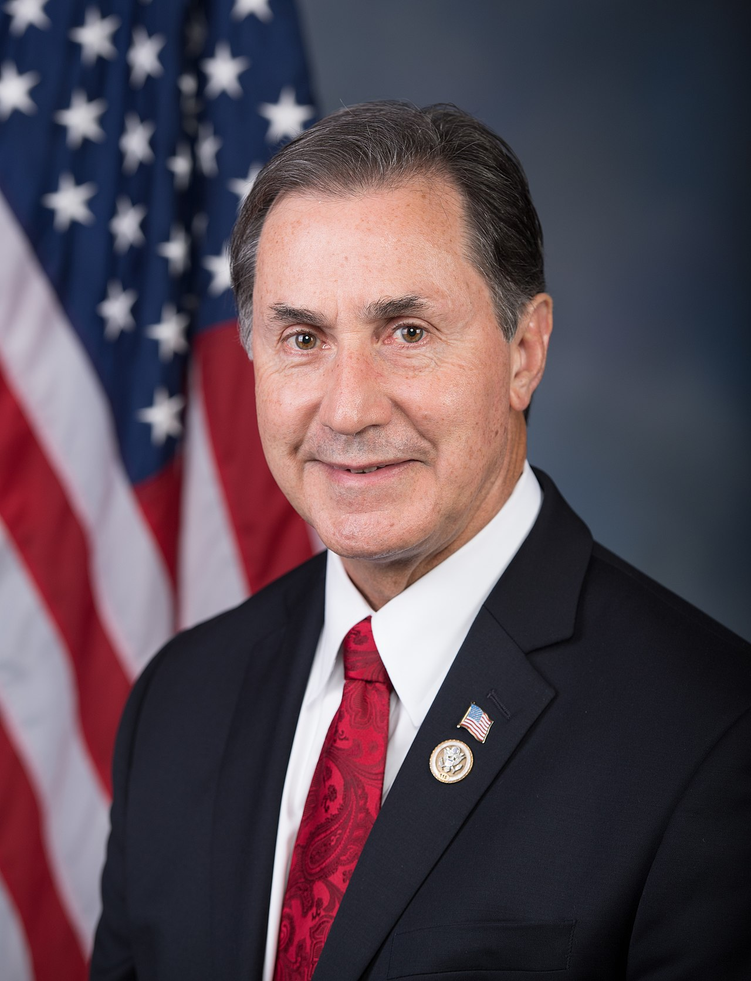
1 sponsor
Actions
13 actions
| Date | Action |
|---|---|
| Jun. 11, 2026 | Received in the Senate. |
| Jun. 10, 2026 | Considered as unfinished business. (consideration: CR H4079) |
| Jun. 10, 2026 | Motion to reconsider laid on the table Agreed to without objection. |
| Jun. 10, 2026 | On motion to suspend the rules and pass the bill, as amended Agreed to by voice vote. |
| Jun. 10, 2026 | Passed/agreed to in House: On motion to suspend the rules and pass the bill, as amended Agreed to by voice vote. |
| Jun. 08, 2026 | At the conclusion of debate, the chair put the question on the motion to suspend the rules. Mr. Gill (TX) objected to the vote on the grounds that a quorum was not present. Further proceedings on the motion were postponed. The point of no quorum was considered as withdrawn. |
| Jun. 08, 2026 | Considered under suspension of the rules. (consideration: CR H3925-3928; text: CR H3925-3928) |
| Jun. 08, 2026 | DEBATE - The House proceeded with forty minutes of debate on H.R. 8467. |
| Jun. 08, 2026 | Mr. Gill (TX) moved to suspend the rules and pass the bill, as amended. |
| Apr. 29, 2026 | Committee Consideration and Mark-up Session Held |
| Apr. 29, 2026 | Ordered to be Reported (Amended) by the Yeas and Nays: 40 - 0. |
| Apr. 23, 2026 | Introduced in House |
| Apr. 23, 2026 | Referred to the House Committee on Oversight and Government Reform. |
Corporate Lobbying
0 companies lobbying
None found.
* Note that there can be significant delays in lobbying disclosures, and our data may be incomplete.
Potentially Relevant Congressional Stock Trades
No relevant congressional stock trades found.