H.R. 8450: Save Willy Act of 2026
This bill, known as the Save Willy Act of 2026, aims to establish a pilot program specifically designed to reduce the impact of vessel traffic on large cetaceans—such as whales—in the San Francisco Bay region. The main points of the bill can be summarized as follows:
Establishment of the Program
Within one year of the bill's enactment, the Secretary of the department overseeing the Coast Guard is tasked with launching a pilot program that features a new Cetacean Desk. This desk will be:
- Located within the San Francisco Vessel Traffic Service.
- Focused on improving coordination with the maritime industry to minimize risks such as vessel strikes and disturbances, and to track the presence of large cetaceans in the area.
Program Duration and Staffing
The pilot program is set for a duration of four years, requiring up to two full-time equivalent staff members to manage its operations while also assisting with other activities of the San Francisco Vessel Traffic Service. Additional support from existing Federal employees may also be utilized.
Engagement with Vessel Operators
Personnel from the Cetacean Desk will actively engage with vessel operators in areas where large cetaceans are present. This includes:
- Ensuring compliance with relevant laws and guidelines.
- Communicating sightings of large cetaceans to vessel operators to help them avoid interactions.
Data Sharing and Collaboration
The bill encourages real-time data sharing on cetacean sightings and movements between various organizations, including state entities and the National Oceanic and Atmospheric Administration (NOAA), facilitating better decision-making for vessel operators.
Use of Technology
The Secretary will assess and potentially implement new technologies to enhance the effectiveness of the Cetacean Desk. This may involve:
- Tools for detecting and tracking large cetaceans.
- Improved data integration and dissemination methods from various sources.
- Enhanced communication capabilities with vessel operators.
Consultation with Stakeholders
Consultations will occur with a range of stakeholders including Tribal governments, the State of California, academic institutions, maritime industry representatives, local ports, and non-governmental organizations to ensure a multifaceted approach to the program.
Implementation of Local Variances
The Secretary has the authority to implement local variances to improve communication and coordination between vessel operators and the San Francisco Vessel Traffic Service. Such measures will aim to reduce the risk of large cetacean strikes while ensuring safe navigation practices.
Reporting Requirements
Annual reports will be required to evaluate the success of the program, focusing on:
- The operational status and effectiveness of the Cetacean Desk.
- The success of communications between the Cetacean Desk and the maritime industry.
- Data collection methods and stakeholder engagement.
Definitions
The bill includes specific definitions such as:
- "Large cetacean" refers to specific species of whales.
- "Cetacean Desk" is the newly established operational unit under this pilot program.
Relevant Companies
- GOOGL: Companies involved in maritime logistics or vessel operations may need to adapt to the new coordination requirements established by the CETacean Desk.
- CMI: This can include shipping companies, which may have to revise routes or operations to comply with the new requirements aimed at protecting large cetaceans.
This is an AI-generated summary of the bill text. There may be mistakes.
Sponsors
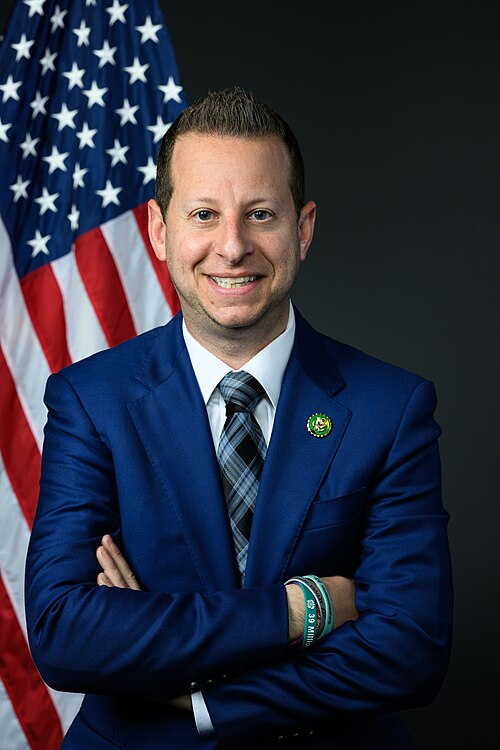
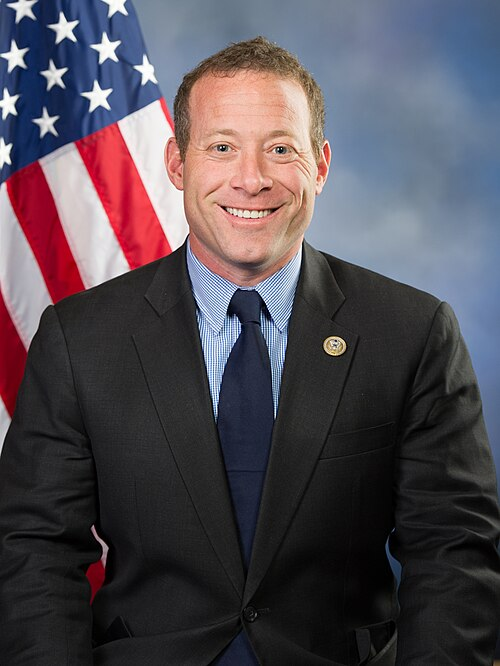
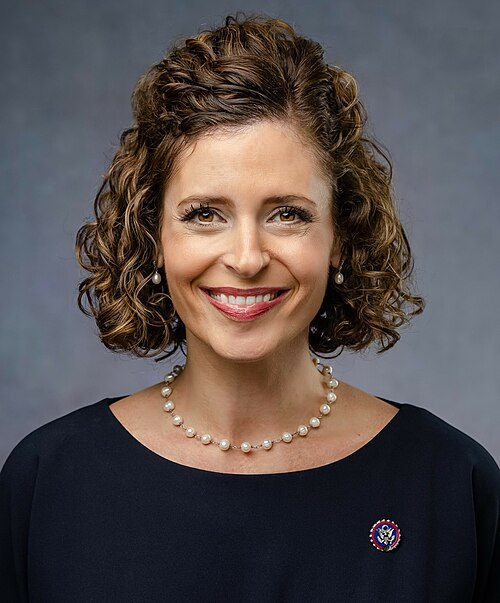
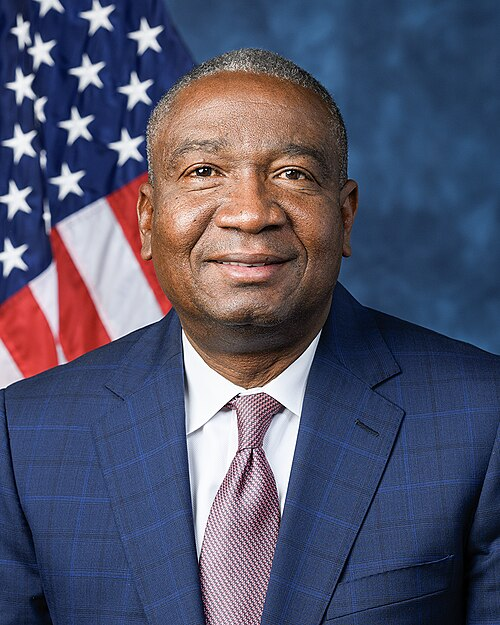
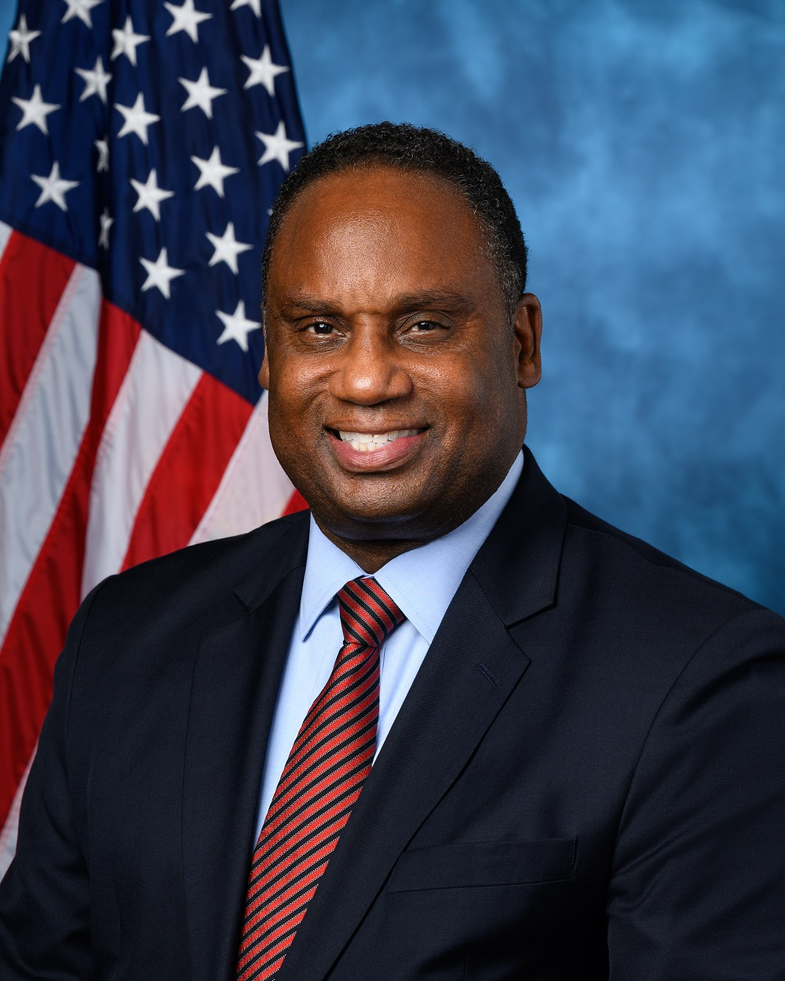
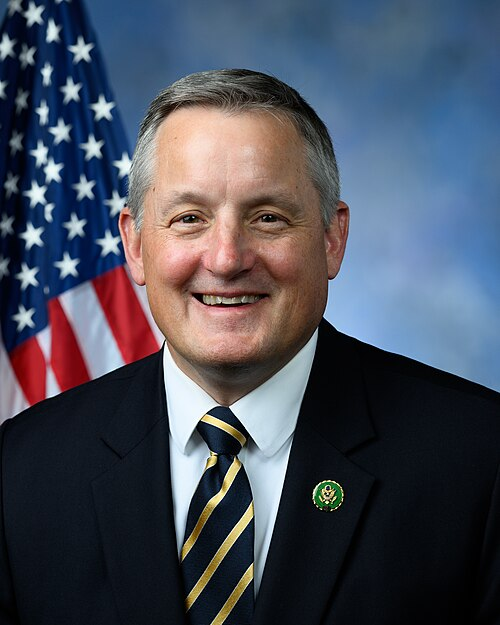
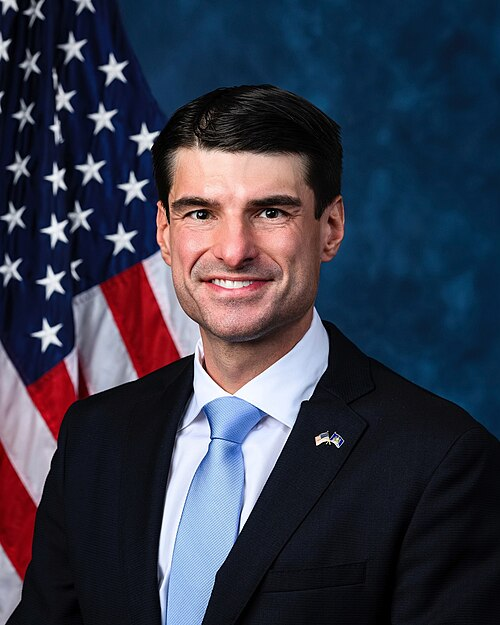
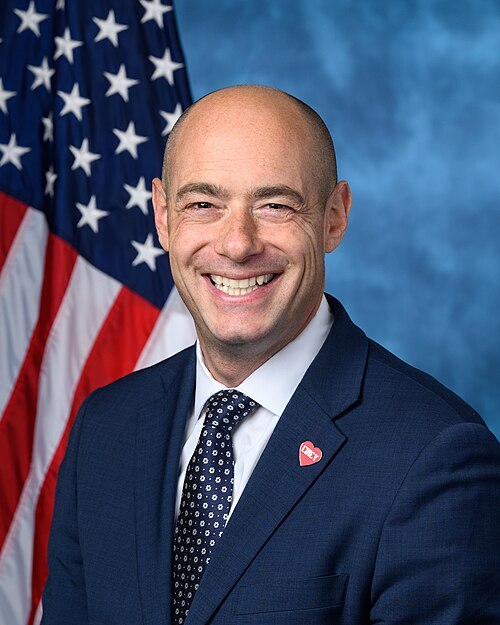
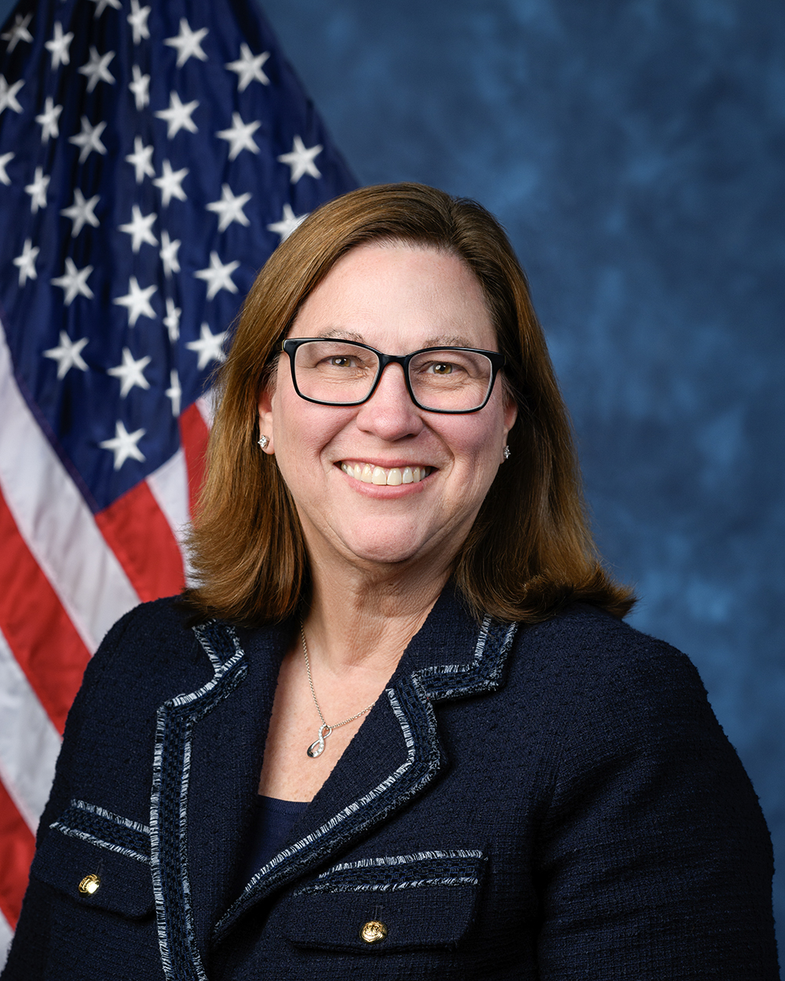
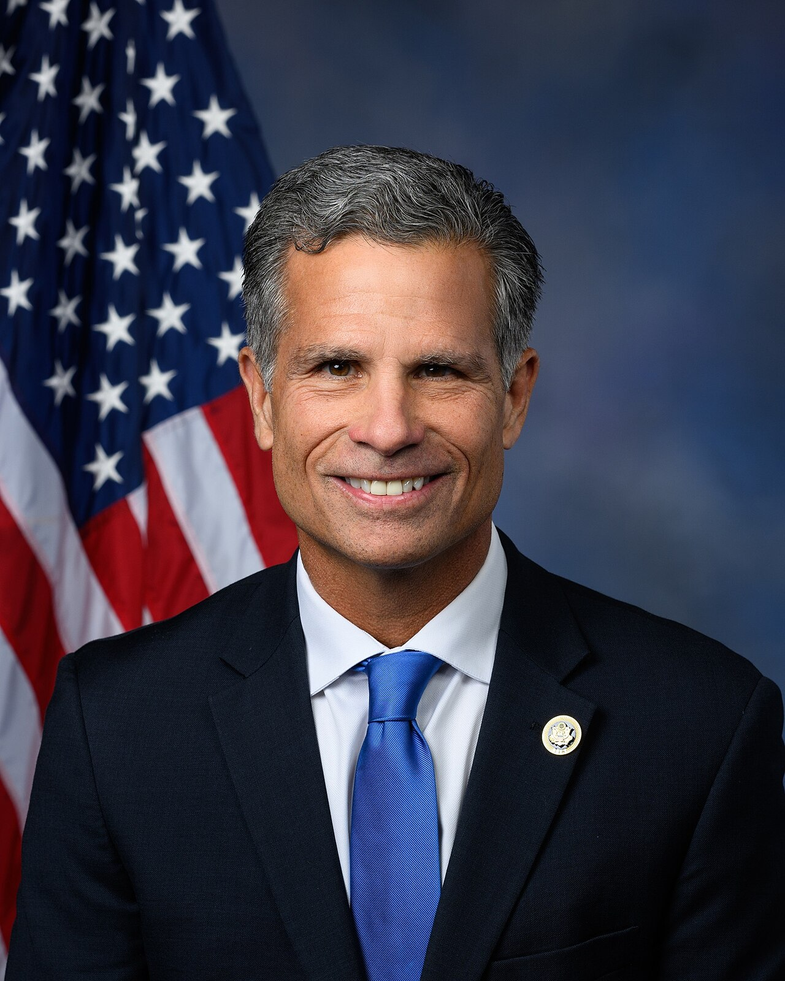
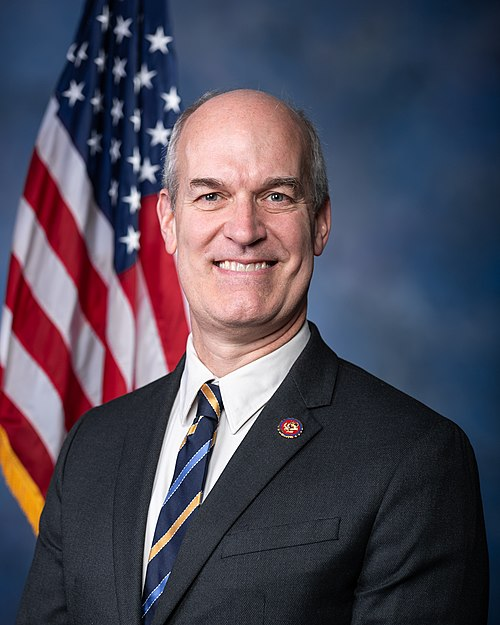
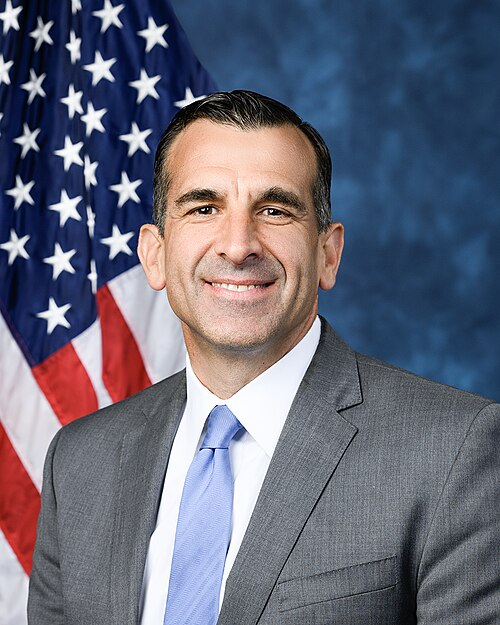
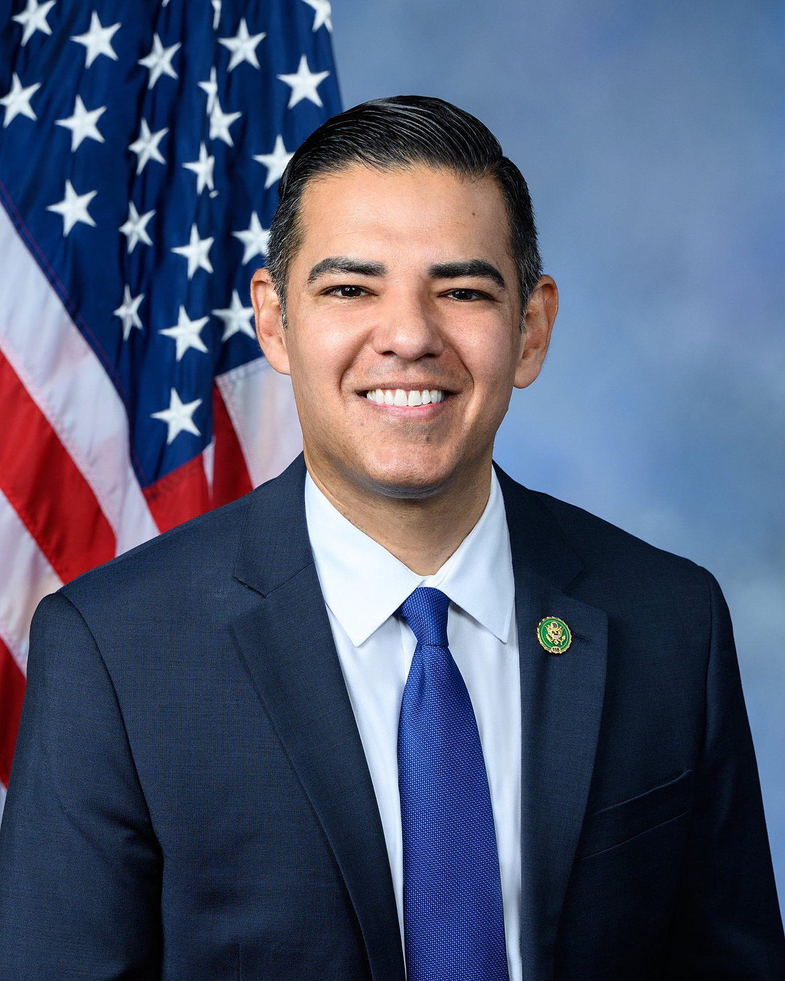
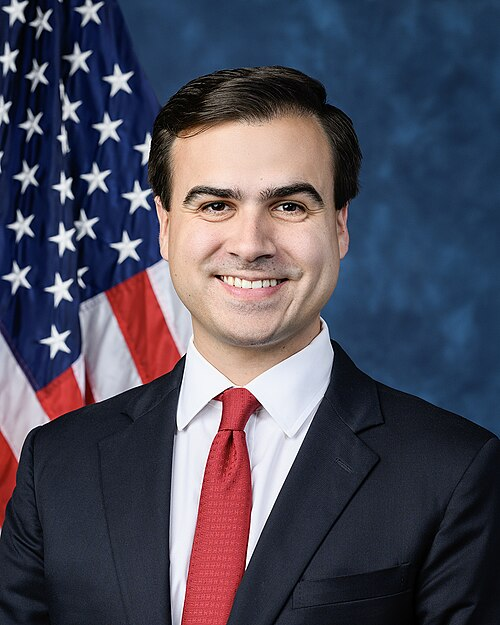
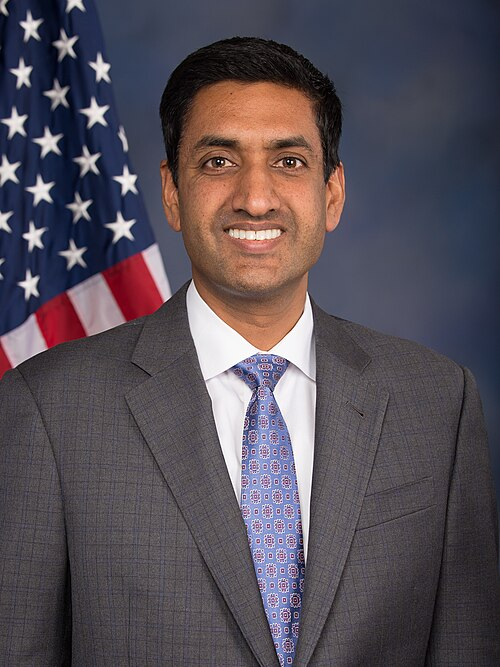
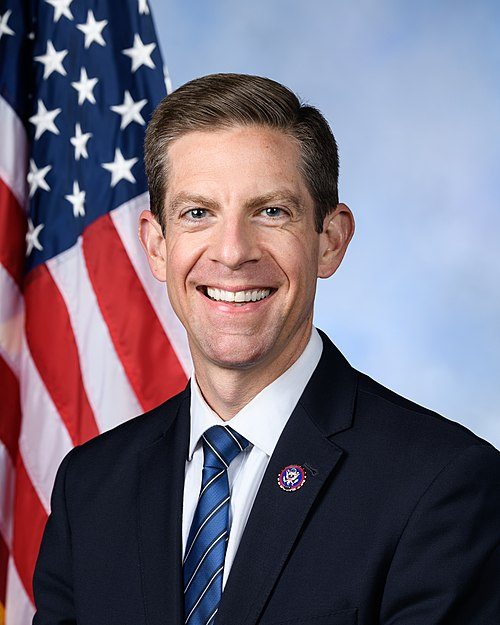
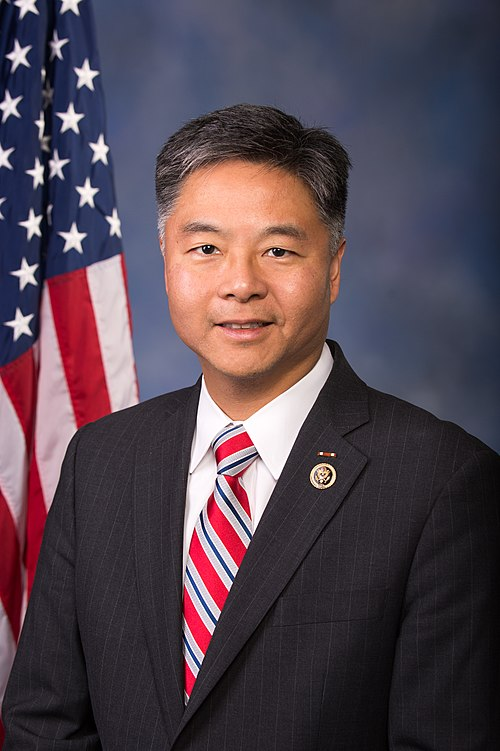
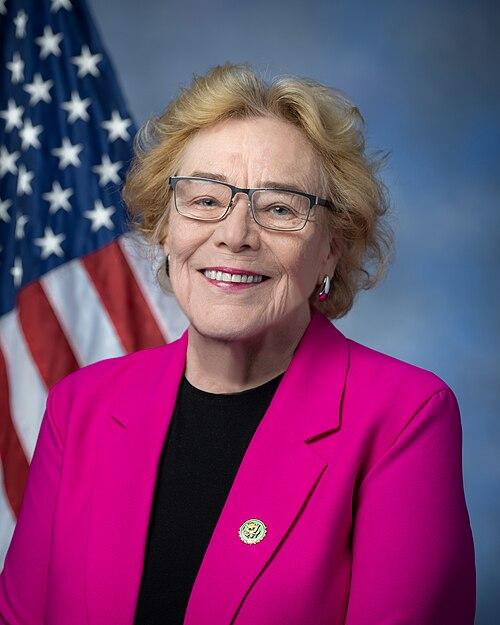
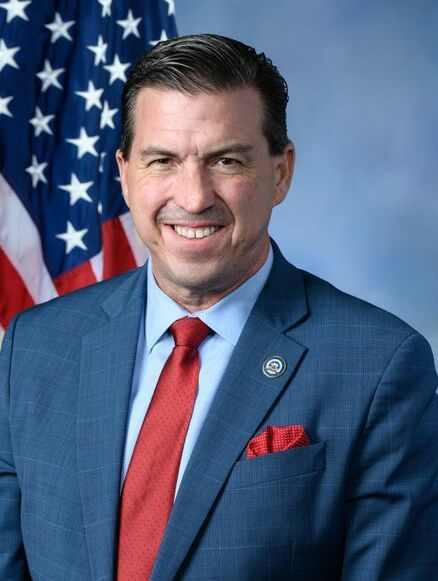
10 bill sponsors

Actions
2 actions
| Date | Action |
|---|---|
| Apr. 22, 2026 | Introduced in House |
| Apr. 22, 2026 | Referred to the House Committee on Transportation and Infrastructure. |
Corporate Lobbying
0 companies lobbying
None found.
* Note that there can be significant delays in lobbying disclosures, and our data may be incomplete.