H.R. 8443: End H–1B Visa Abuse Act of 2026
This bill, titled the "End H–1B Visa Abuse Act of 2026," aims to modify the existing H–1B visa program in several specific ways. The changes primarily revolve around suspending new H–1B visa issuances, instituting new requirements for employers, and restructuring the visa process itself.
1. Suspension of H–1B Visa Issuance
The bill proposes a pause on the issuance of H–1B visas for a period of three years starting from the enactment of this bill. During this time, no new nonimmigrant visas under section 101(a)(15)(H)(i)(b) of the Immigration and Nationality Act can be granted.
2. Reforms to the H–1B Program
a. Ending Dual Intent
The bill seeks to amend the law regarding "dual intent" for H–1B visa holders, which currently allows these nonimmigrant workers the option to pursue permanent residency. The amendment will eliminate this provision, making it clear that H–1B visa applicants cannot apply for permanent residency while holding their nonimmigrant status.
b. Numerical Limitations and Visa Duration
Changes will reduce the annual cap of H–1B visas from the current level to a maximum of 25,000 visas per fiscal year. Additionally, the maximum length of stay on H–1B visas will be decreased from six years to three years.
c. Additional Fees
A new fee of $100,000 will be imposed on employers filing petitions for H–1B visas, which includes obtaining approval for alien workers to change companies. This fee will be directed to the U.S. Treasury.
d. Wage Floor and Recruitment Requirements
The bill increases the wage floor for H–1B positions to $200,000 and institutes stricter recruitment requirements. Employers must attest that:
- There are no qualified citizens available for the job.
- The employment of the H–1B holder will not negatively impact wages and working conditions for similar U.S. workers.
- They have not conducted layoffs in the past year and do not plan to do so.
e. Eliminating H–1B Lottery
The bill proposes to eliminate the current lottery system used for H–1B applications. Instead, visas will be awarded based on the wage levels offered by employers, with higher wages being prioritized.
f. Prohibiting Concurrent and Third-Party Employment
The bill adds new rules that prevent H–1B holders from working for more than one employer at the same time. Additionally, it prohibits third-party staffing agencies from sponsoring H–1B visa applicants or from helping to recruit H–1B workers for other companies.
3. Primary Workers Restriction
Changes will restrict H nonimmigrant statuses to primary workers only, meaning spouses and children of H–1B visa holders will no longer be allowed to accompany them under the same visa classification.
4. Prohibitions on Federal Employment
The bill states that no federal government agency may file petitions or employ nonimmigrants holding H–1B visas, essentially barring these workers from federal jobs.
5. Employment Authorization for Foreign Students
The bill eliminates work authorization for certain foreign student visa holders, specifically those under categories F and M, as well as J visas for students who were admitted for educational purposes.
6. Adjustment of Status Prohibition
Nonimmigrants on H–1B visas will not be allowed to adjust their status to become permanent residents while residing in the United States. This also entails that any previous authorizations for employment connected to this status will be rescinded immediately upon enactment of this bill.
7. Restrictions on Change of Status
The bill prohibits the Secretary of Homeland Security from allowing changes from one nonimmigrant classification to another, thus making it more difficult for H–1B holders to switch to different types of visas.
8. Implementation Timeline
All amendments introduced by this bill would take effect upon the date of enactment.
Relevant Companies
- IBM - A significant user of H–1B workers; changes in visa rules could impact staffing plans and operational capabilities.
- Alphabet (GOOGL) - Could face restrictions on hiring highly skilled foreign workers, impacting projects relying on such labor.
- Cisco Systems - May experience challenges in maintaining its workforce stability and filling key roles due to limitations on visa issuance.
- Oracle - Likely to be affected by increased costs associated with new fees and potential staffing shortages.
- Microsoft - Changes could influence talent acquisition strategies, affecting innovation and project timelines.
This is an AI-generated summary of the bill text. There may be mistakes.
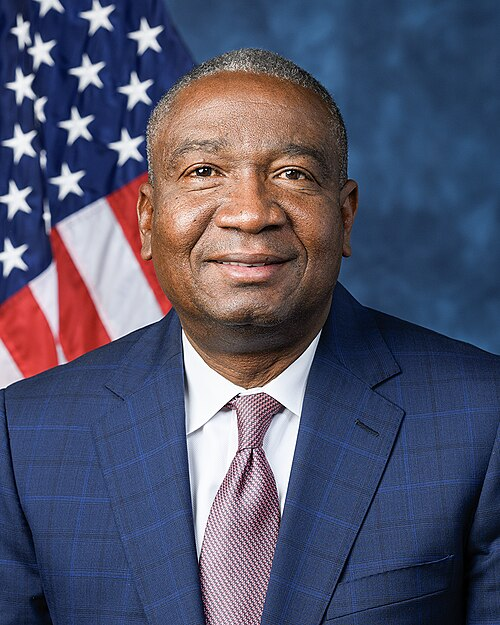
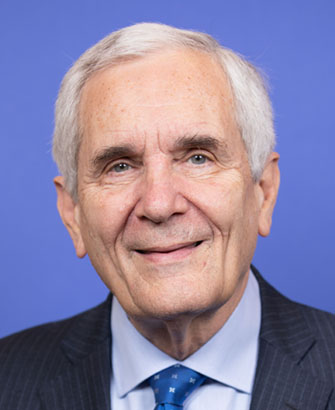
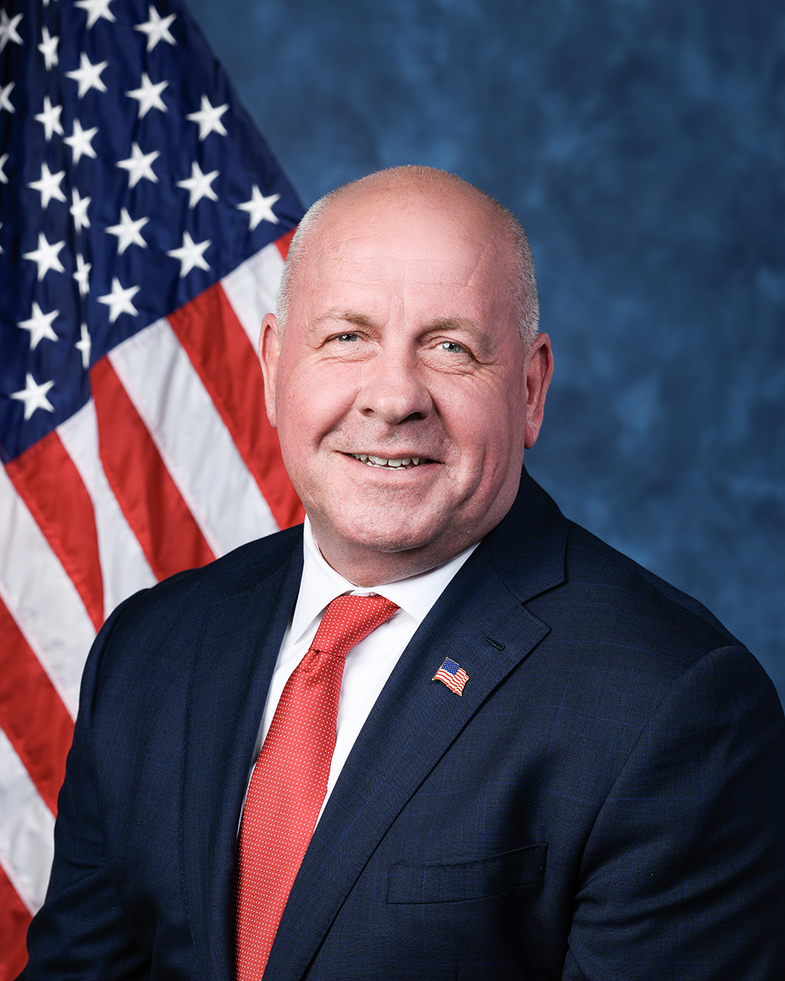
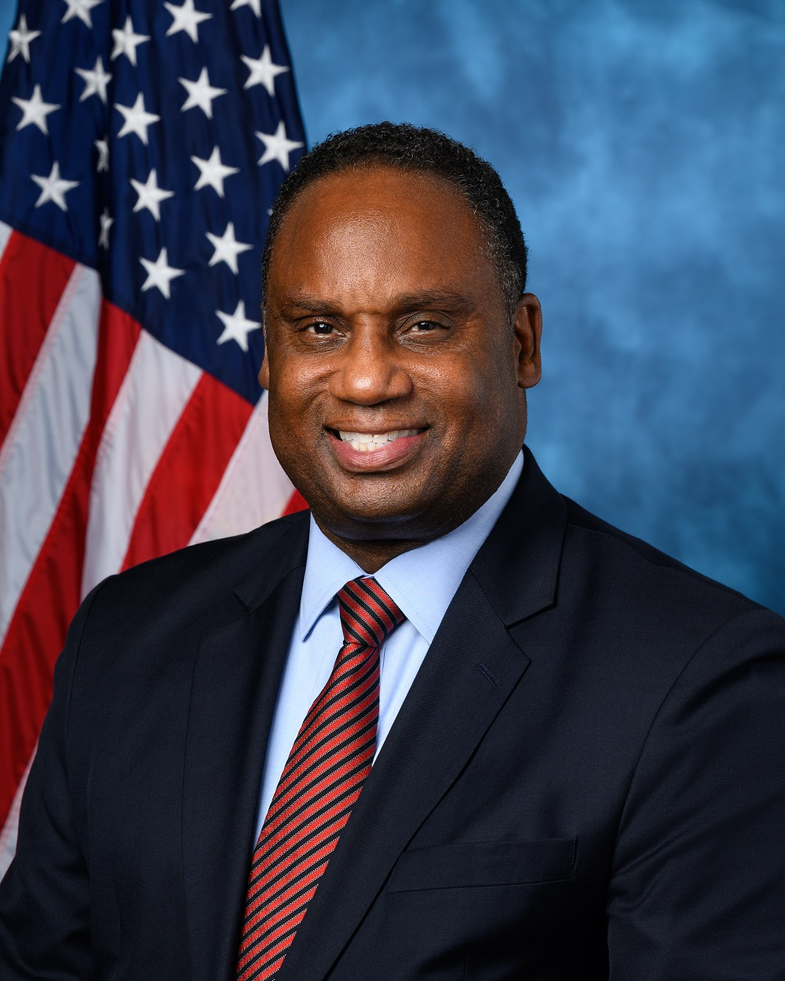
Sponsors
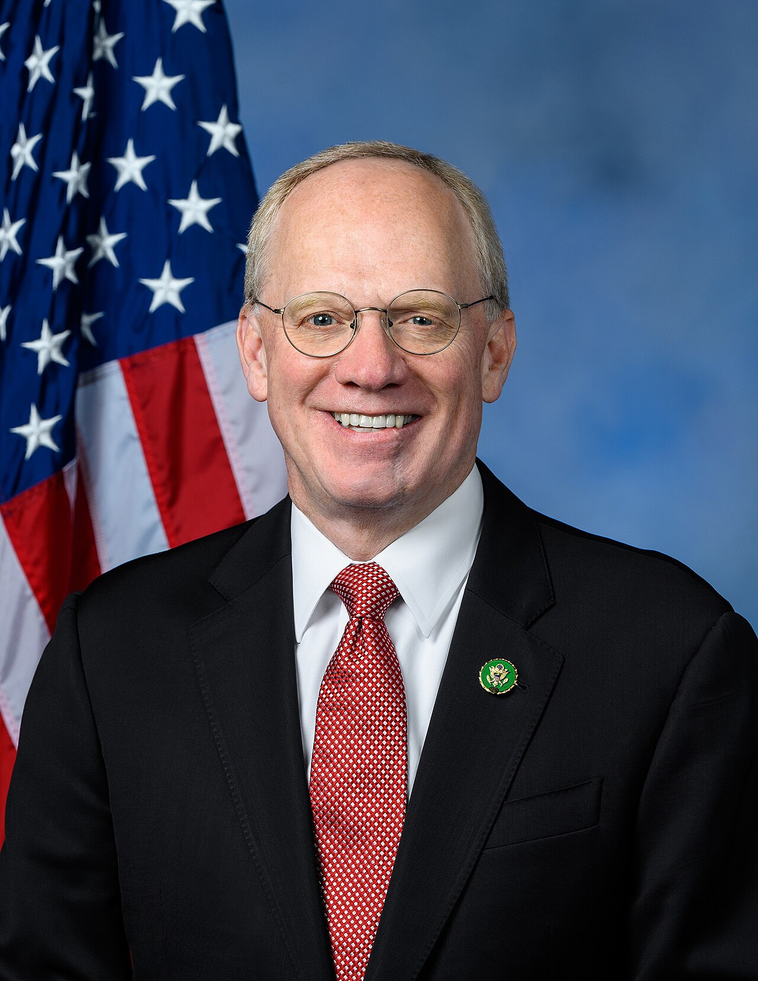
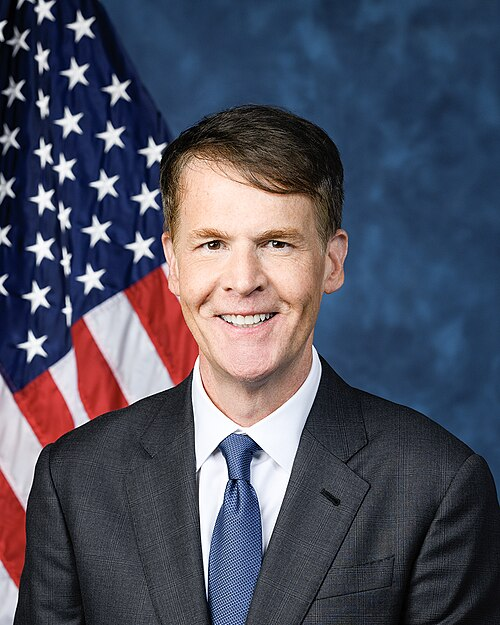
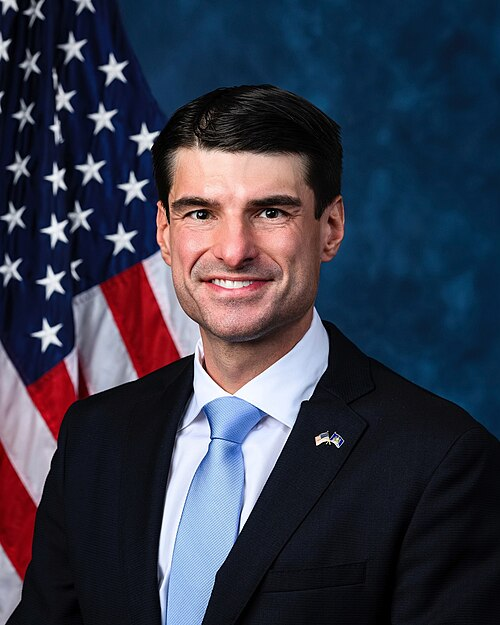
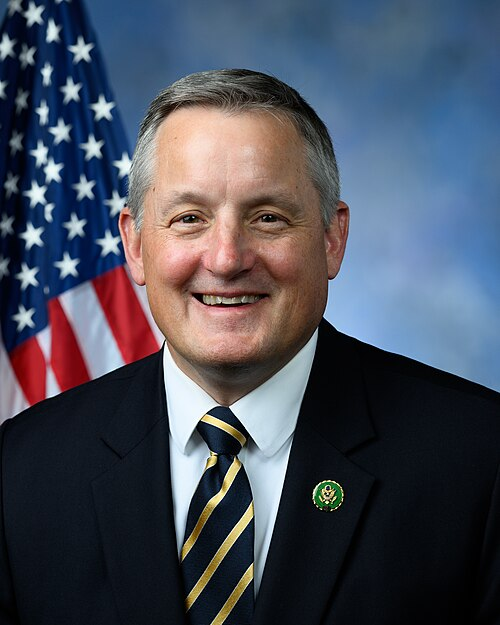
12 bill sponsors
-
TrackElijah Crane
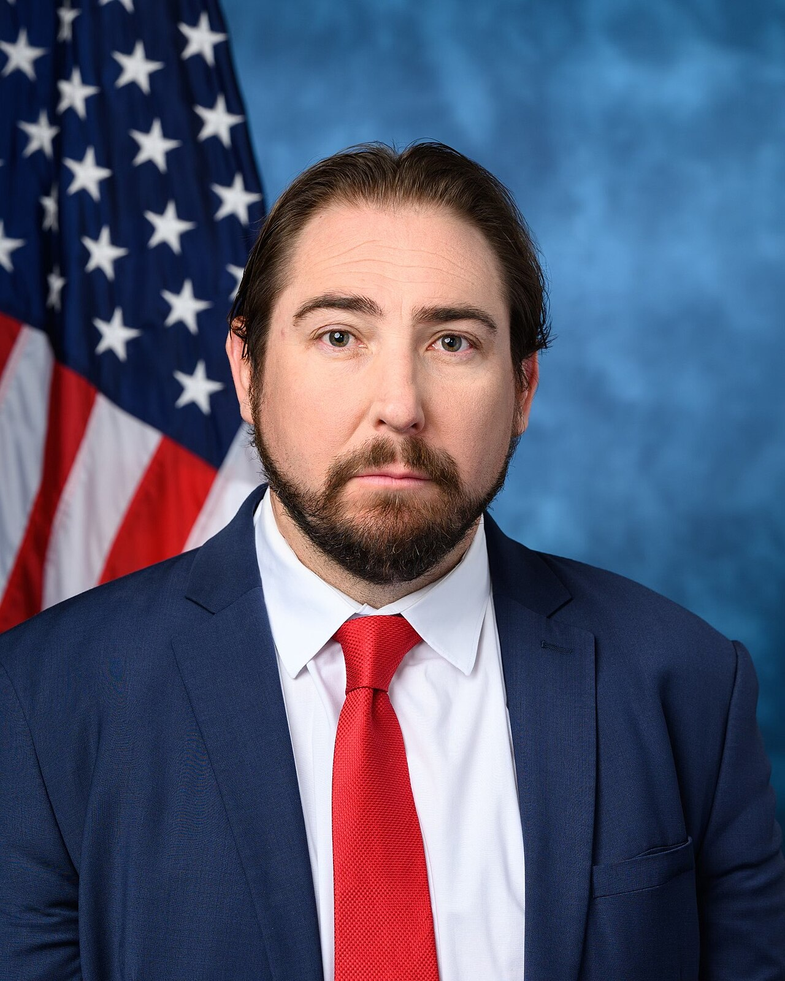
Sponsor
-
TrackBrian Babin
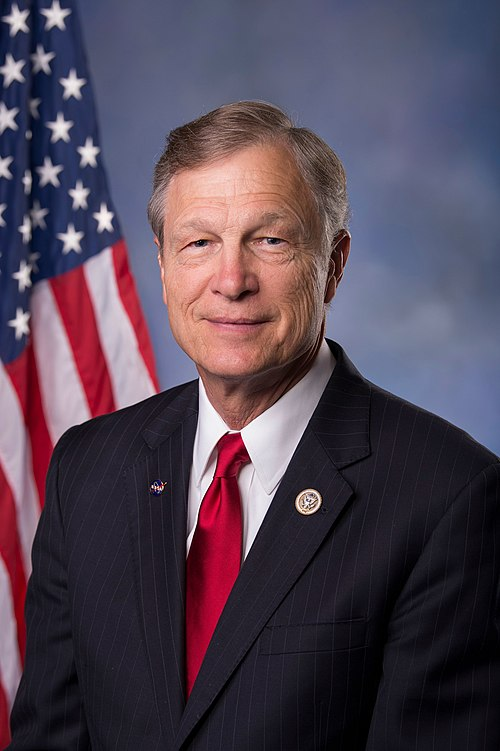
Co-Sponsor
-
TrackBrandon Gill
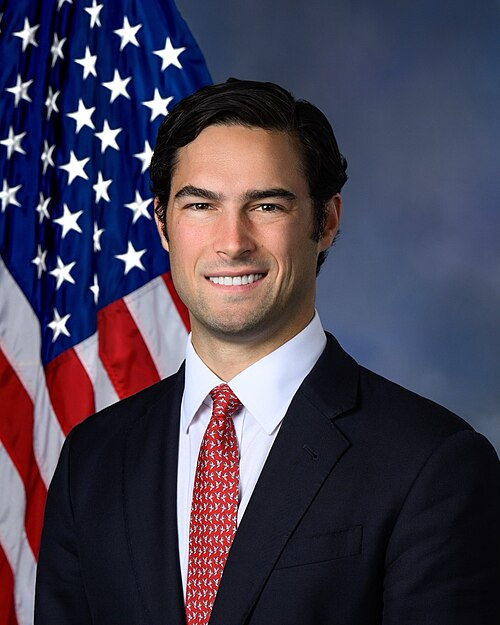
Co-Sponsor
-
TrackPaul A. Gosar

Co-Sponsor
-
TrackMark Harris
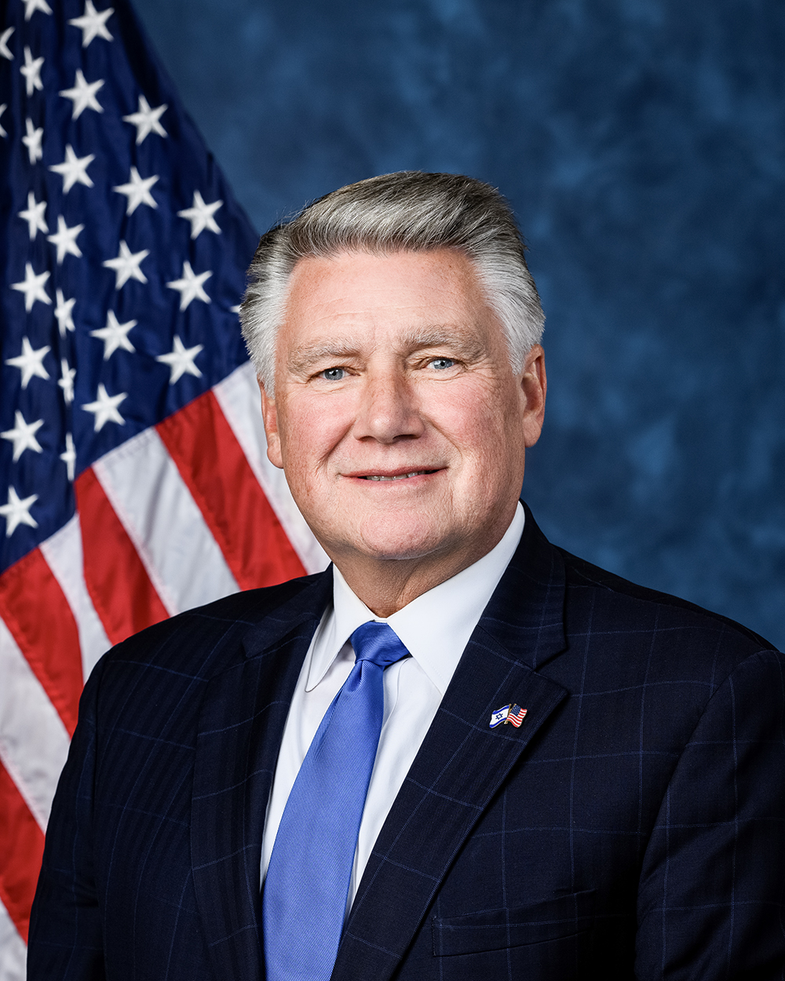
Co-Sponsor
-
TrackDiana Harshbarger
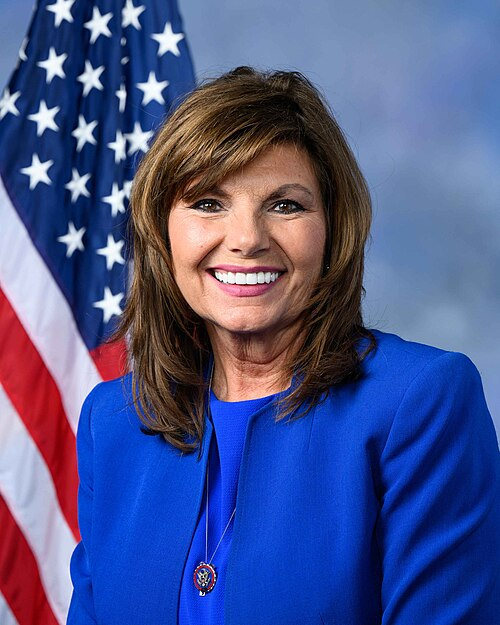
Co-Sponsor
-
TrackWesley Hunt
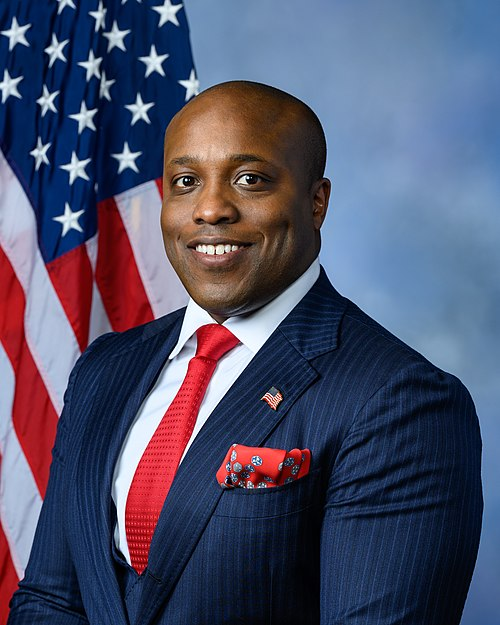
Co-Sponsor
-
TrackTom McClintock
Co-Sponsor
-
TrackBarry Moore
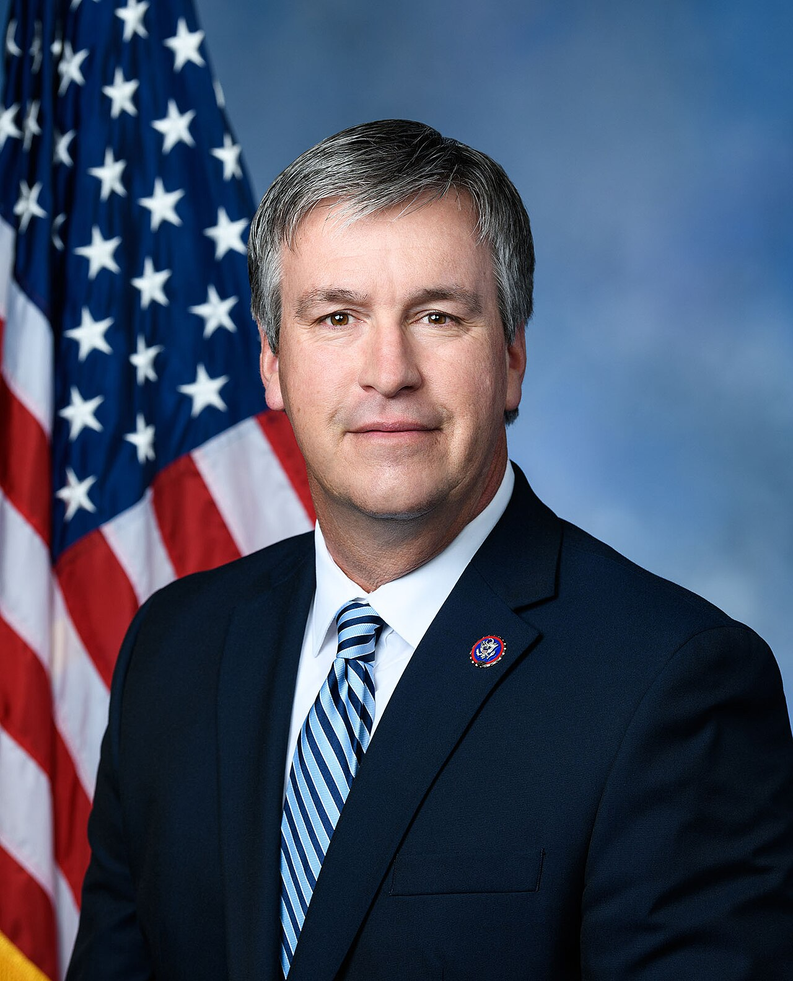
Co-Sponsor
-
TrackAndrew Ogles
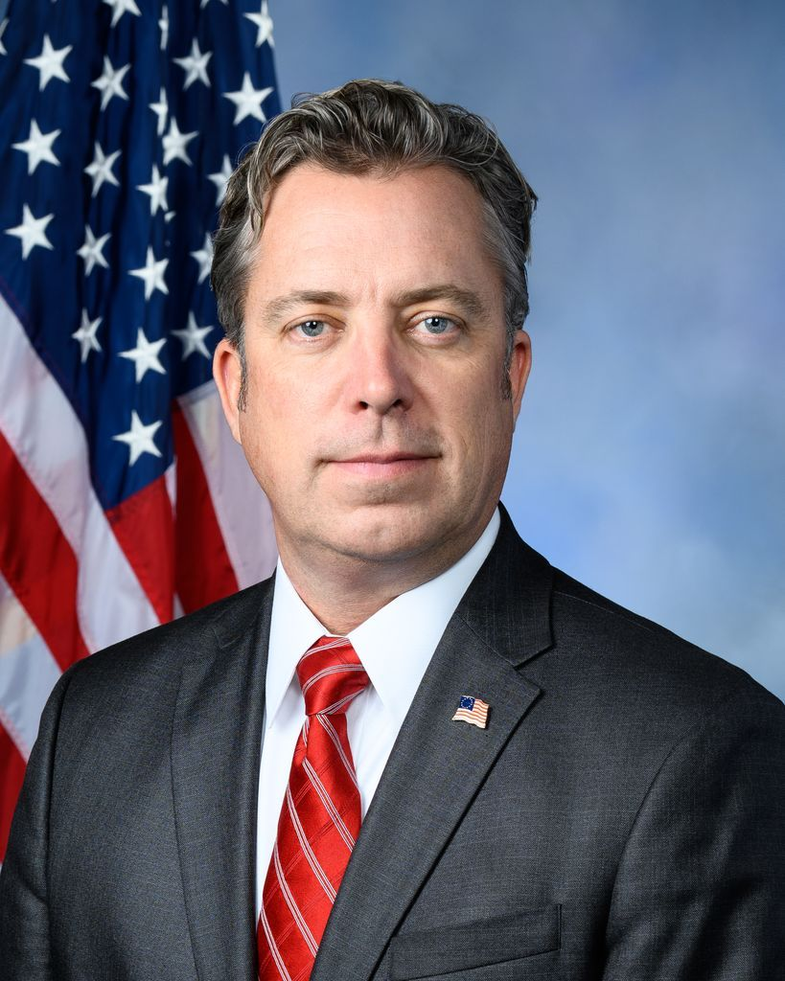
Co-Sponsor
-
TrackChip Roy
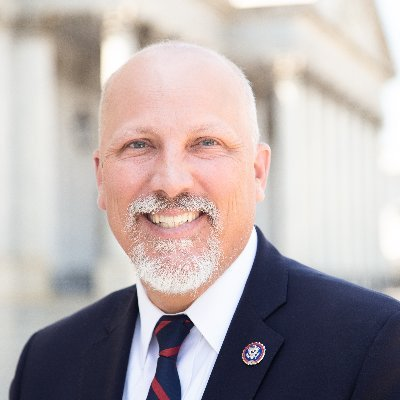
Co-Sponsor
-
TrackKeith Self
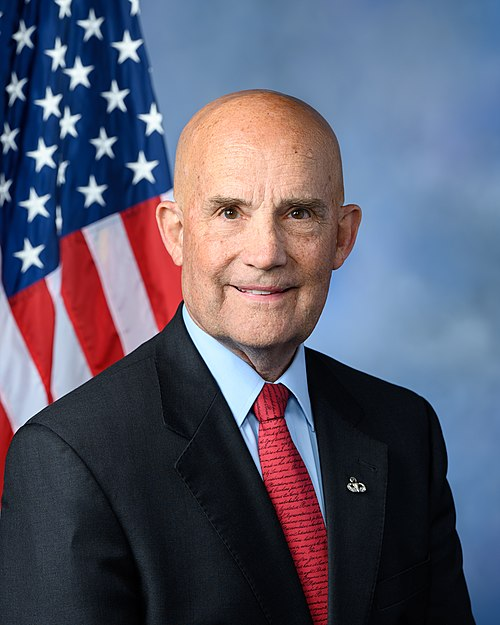
Co-Sponsor
Actions
2 actions
| Date | Action |
|---|---|
| Apr. 22, 2026 | Introduced in House |
| Apr. 22, 2026 | Referred to the House Committee on the Judiciary. |
Corporate Lobbying
0 companies lobbying
None found.
* Note that there can be significant delays in lobbying disclosures, and our data may be incomplete.