
H.R. 8402: Civics Learning Act of 2026
The Civics Learning Act of 2026 aims to enhance civics education in the United States by amending the Elementary and Secondary Education Act of 1965. The bill addresses concerns regarding the lack of civics education in schools, which has contributed to political polarization and a poorly informed electorate.
Key Elements of the Bill
- Increased Civics Education: The bill seeks to prioritize civics learning in schools, encouraging innovative teaching methods and engaging activities that help students understand their roles as citizens.
- Focus on Higher Needs: It emphasizes support for high-need schools, ensuring that students in these areas receive adequate civics education.
- Grant Programs: The bill proposes the establishment of grant programs to support civics education initiatives. It requires that grant funds be allocated to various educational levels:
- At least 30% to elementary school students and teachers
- At least 30% to middle school students and teachers
- No more than 40% to high school students and teachers
- Diverse Learning Activities: It encourages a range of civics-focused activities, such as hands-on civic engagement, historical discussions, service learning, and extracurricular programs. This includes content on the Constitution, the civil rights movement, and women's suffrage.
- Annual Reporting: The Secretary of Education will be required to submit an annual report on the grant program's effectiveness, detailing the recipients and the outcomes related to civic education.
- Funding Authorization: The bill authorizes $70 million for fiscal year 2027 to support these initiatives and programs aimed at improving civics education in schools.
Context and Rationale
The bill is founded on the recognition of significant gaps in civic knowledge among American students. Findings include:
- A 2022 survey indicated that only 47% of Americans could name the three branches of government, and a substantial percentage were unaware of basic constitutional rights.
- Only 22% of eighth graders performed at or above proficiency levels on civics assessments, highlighting the need for improved educational efforts in this area.
- The bill emphasizes the importance of teaching historical events, particularly the civil rights movement, to foster a well-informed and engaged citizenry.
Implementation Goals
The Civics Learning Act of 2026 aims to cultivate a more knowledgeable and active electorate capable of participating in democratic processes. By enhancing civics education, the bill seeks to improve understanding of government functions and history, ultimately contributing to a healthier democratic environment.
Relevant Companies
None found.This is an AI-generated summary of the bill text. There may be mistakes.
Sponsors
24 bill sponsors
-
TrackEmanuel Cleaver
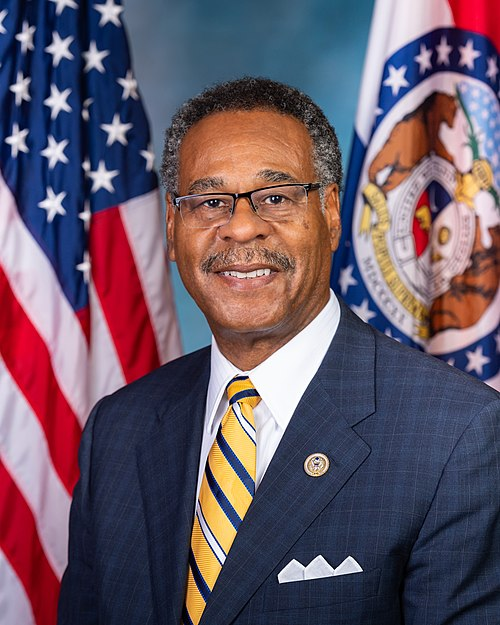
Sponsor
-
TrackAndré Carson
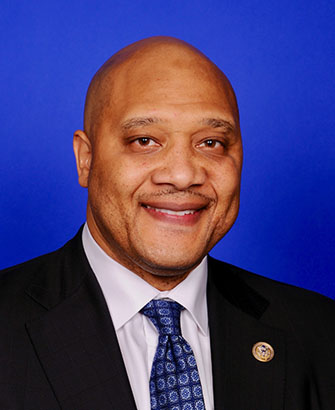
Co-Sponsor
-
TrackSean Casten

Co-Sponsor
-
TrackAngie Craig

Co-Sponsor
-
TrackMark DeSaulnier
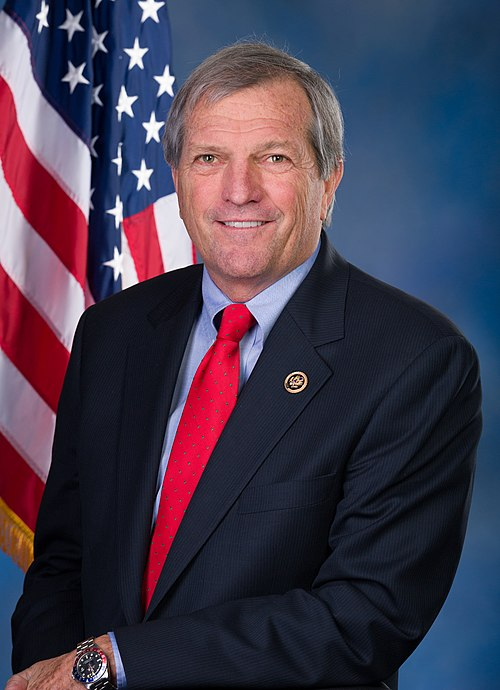
Co-Sponsor
-
TrackDwight Evans
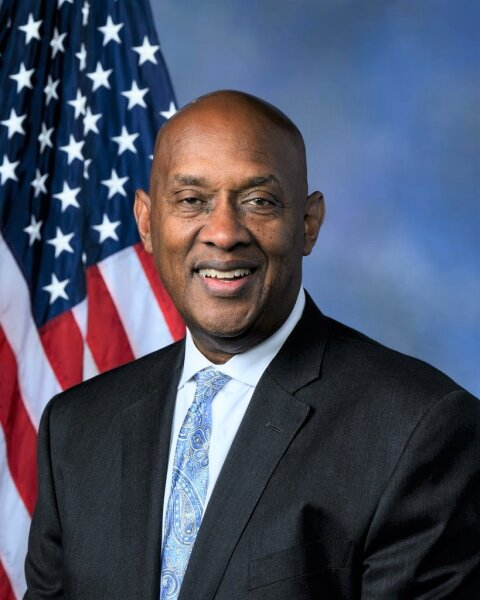
Co-Sponsor
-
TrackJosh Gottheimer
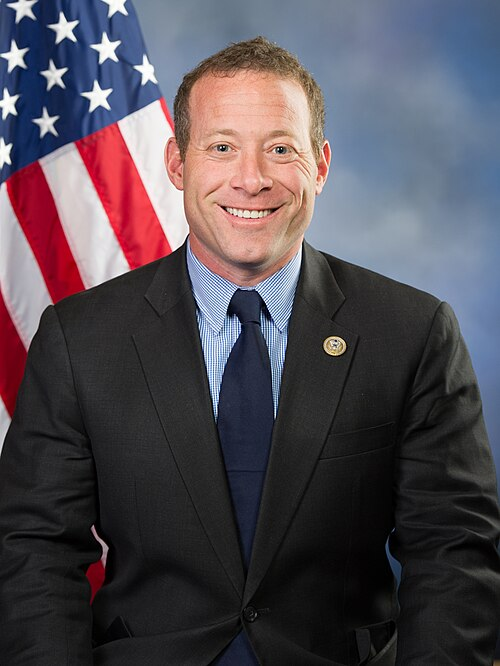
Co-Sponsor
-
TrackWilliam R. Keating

Co-Sponsor
-
TrackRobin L. Kelly

Co-Sponsor
-
TrackStephen F. Lynch

Co-Sponsor
-
TrackBetty McCollum
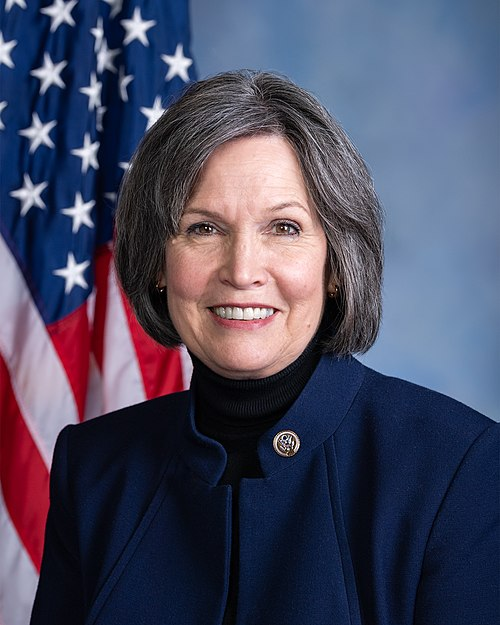
Co-Sponsor
-
TrackGwen Moore
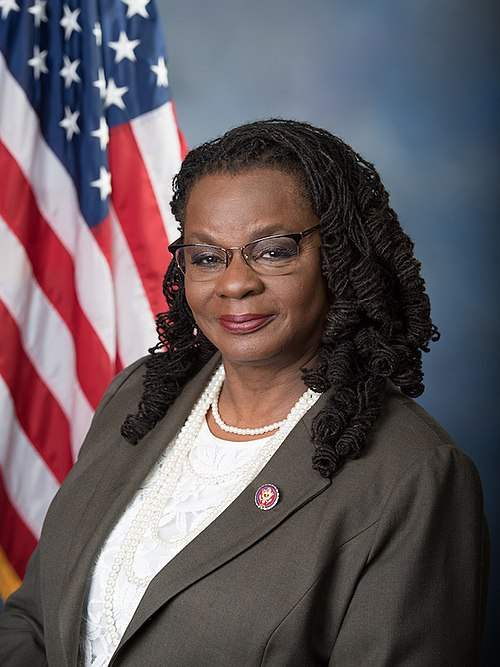
Co-Sponsor
-
TrackKevin Mullin
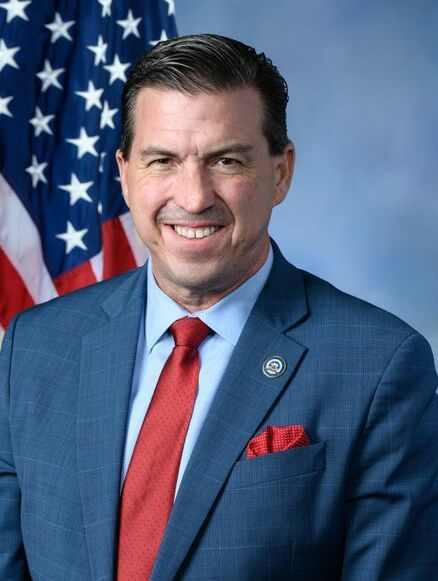
Co-Sponsor
-
TrackJerrold Nadler
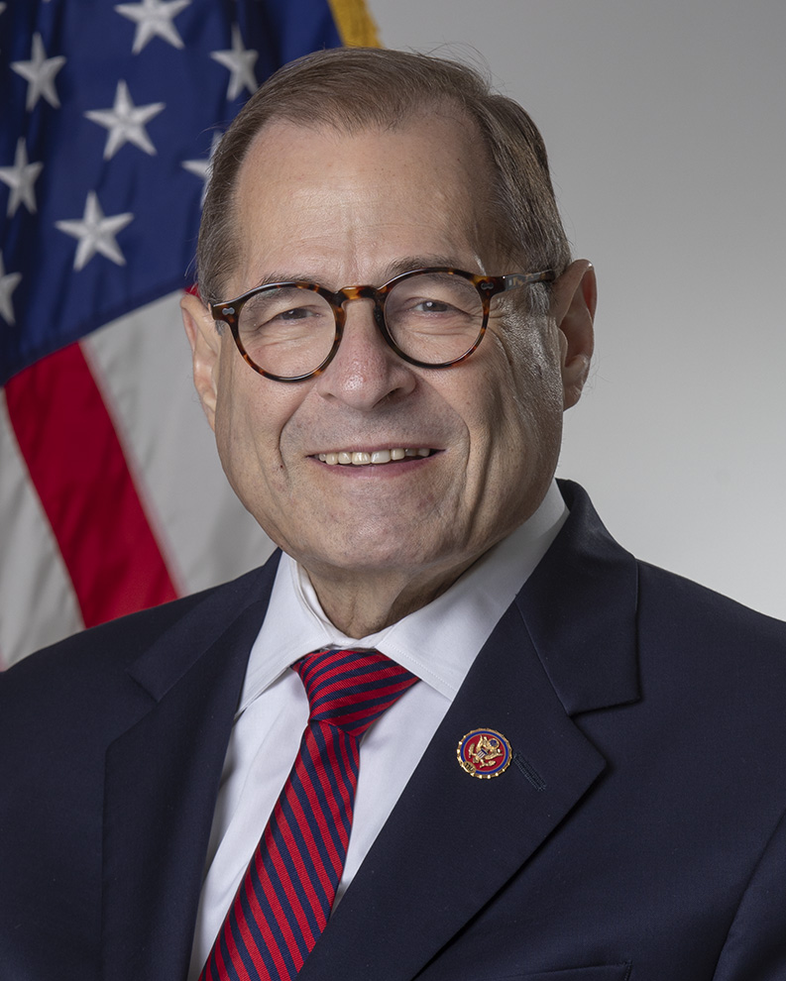
Co-Sponsor
-
TrackEleanor Holmes Norton

Co-Sponsor
-
TrackDeborah K. Ross

Co-Sponsor
-
TrackMary Gay Scanlon

Co-Sponsor
-
TrackJanice D. Schakowsky

Co-Sponsor
-
TrackTerri A. Sewell
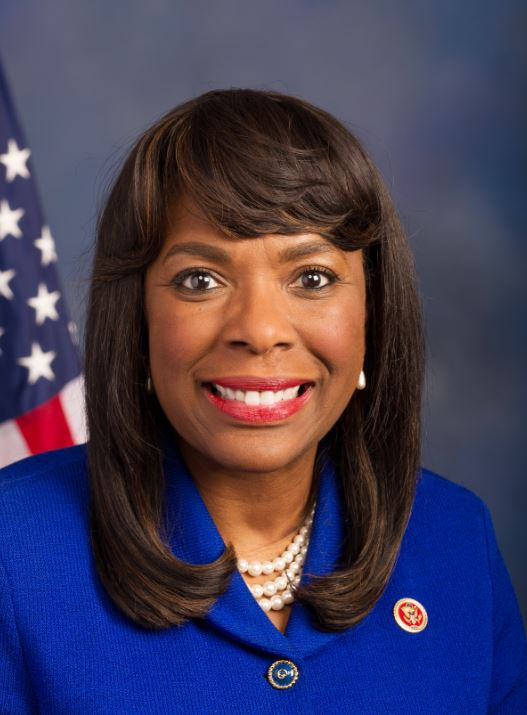
Co-Sponsor
-
TrackLinda T. Sánchez

Co-Sponsor
-
TrackDina Titus

Co-Sponsor
-
TrackJill N. Tokuda
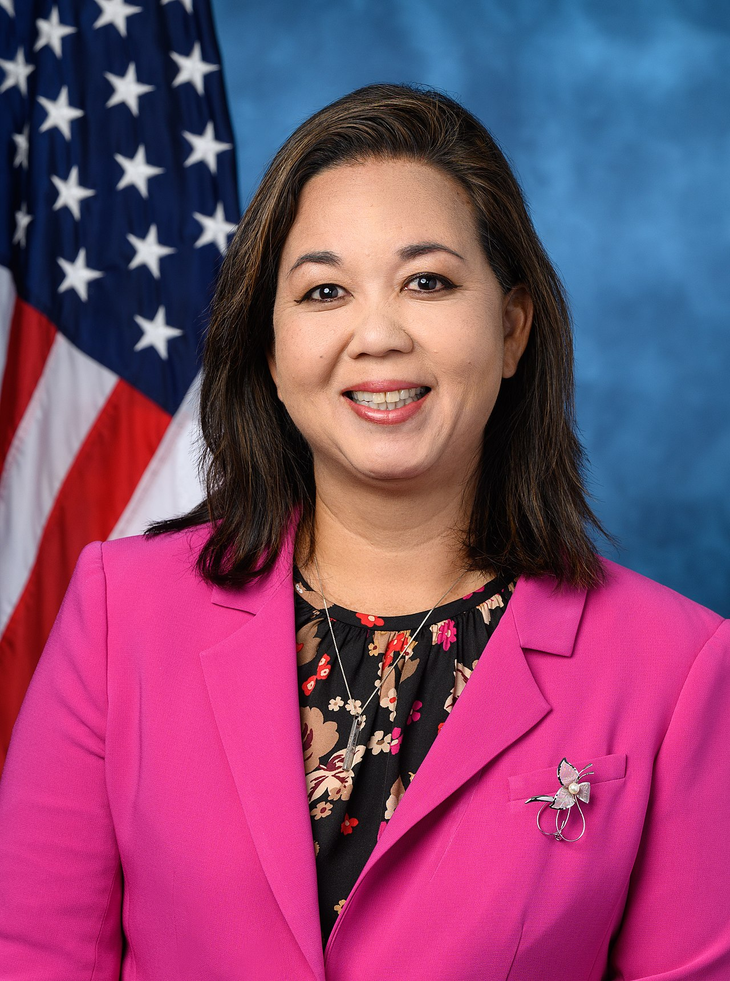
Co-Sponsor
-
TrackNydia M. Velázquez
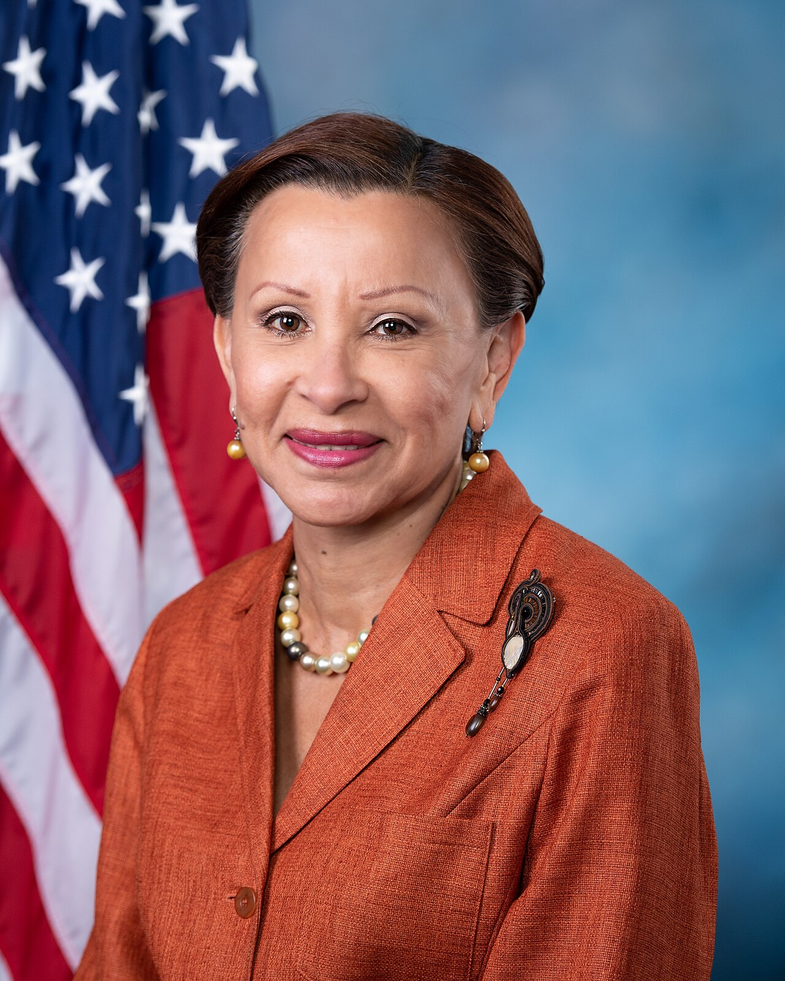
Co-Sponsor
-
TrackFrederica S. Wilson
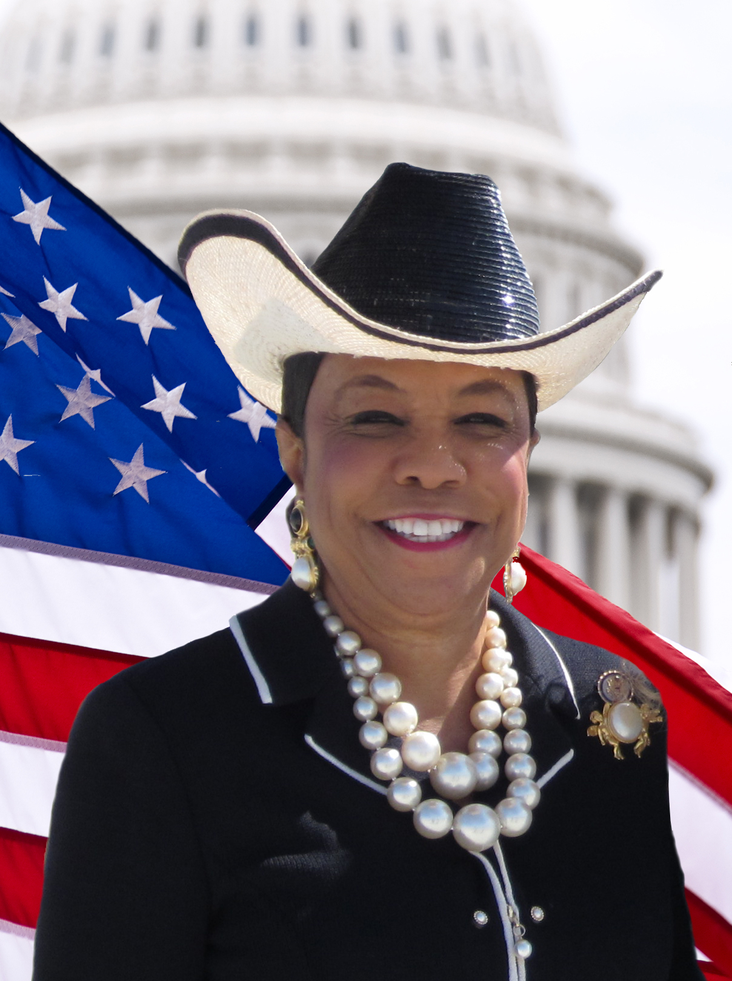
Co-Sponsor
Actions
2 actions
| Date | Action |
|---|---|
| Apr. 21, 2026 | Introduced in House |
| Apr. 21, 2026 | Referred to the House Committee on Education and Workforce. |
Corporate Lobbying
0 companies lobbying
None found.
* Note that there can be significant delays in lobbying disclosures, and our data may be incomplete.
Potentially Relevant Congressional Stock Trades
No relevant congressional stock trades found.