H.R. 8400: Decentralized Access to Technology Alternatives Act of 2026
This bill, titled the **Decentralized Access to Technology Alternatives Act of 2026** or **DATA Act of 2026**, aims to change how certain electric utilities are regulated in the United States. Here's a breakdown of its main provisions:
Purpose and Definitions
The bill defines a new category of electric utilities called **consumer-regulated electric utilities** (CREUs). These CREUs are distinct as they would only serve new electric loads and not be connected to existing public utilities or the larger electric power systems. They are intended to operate independently and provide services to customers who are not currently receiving electricity from existing suppliers.
Regulatory Exemptions
One of the key features of the bill is that it would exempt these consumer-regulated electric utilities from various requirements and regulations under the **Federal Power Act** and other federal laws. Specifically, the exemptions include:
- Rates and pricing oversight
- Corporate and financial scrutiny
- Regulations regarding transmission and distribution of electricity
- Reliability and interconnection standards
- Federal Energy Regulatory Commission (FERC) and Department of Energy (DOE) oversight
Initialization of Operations
The bill states that a CREU would be deemed to start operations when it begins generating, transmitting, distributing, or selling electricity. If a CREU decides to connect to the broader bulk-power system for primary or backup supply, it would lose its exempt status and become subject to standard regulations.
Interconnection Requirements
CREUs would not be required to connect with, purchase from, or sell to any other electric utility, allowing them greater operational independence.
Facilities in Public Rights-of-Way
The bill allows CREUs to construct and operate facilities within existing public rights-of-way, but they must adhere to relevant local permitting and public safety standards applicable to existing public utilities.
Implications of Exemptions
The exemption from federal regulation may lead to less oversight of how these consumer-regulated utilities operate, potentially influencing competition in the energy market and affecting the reliability of electrical services.
Relevant Companies
- NEE (NextEra Energy, Inc.) - As a significant player in the renewable energy sector, NextEra might see impacts depending on how consumer-regulated utilities enter local markets and the degree of competition they represent.
- DUK (Duke Energy Corporation) - Duke Energy is one of the largest utility companies in the U.S., and the establishment of CREUs could directly affect its market dominance and service areas.
- ED (Consolidated Edison, Inc.) - As a major provider of electricity in New York and beyond, the implications of increased competition from CREUs could influence its customer base and regulatory landscape.
This is an AI-generated summary of the bill text. There may be mistakes.
Sponsors
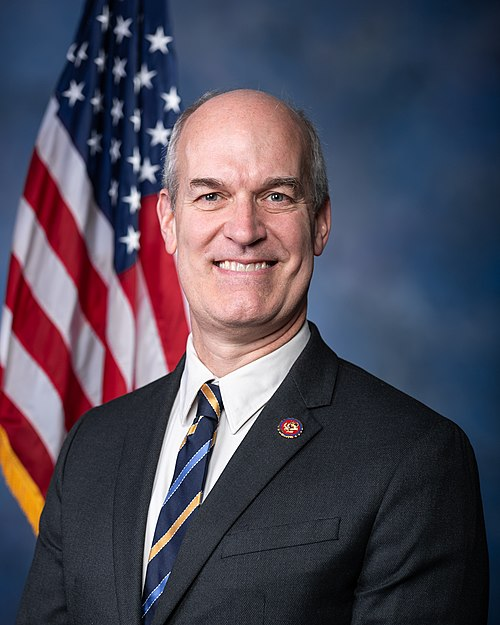
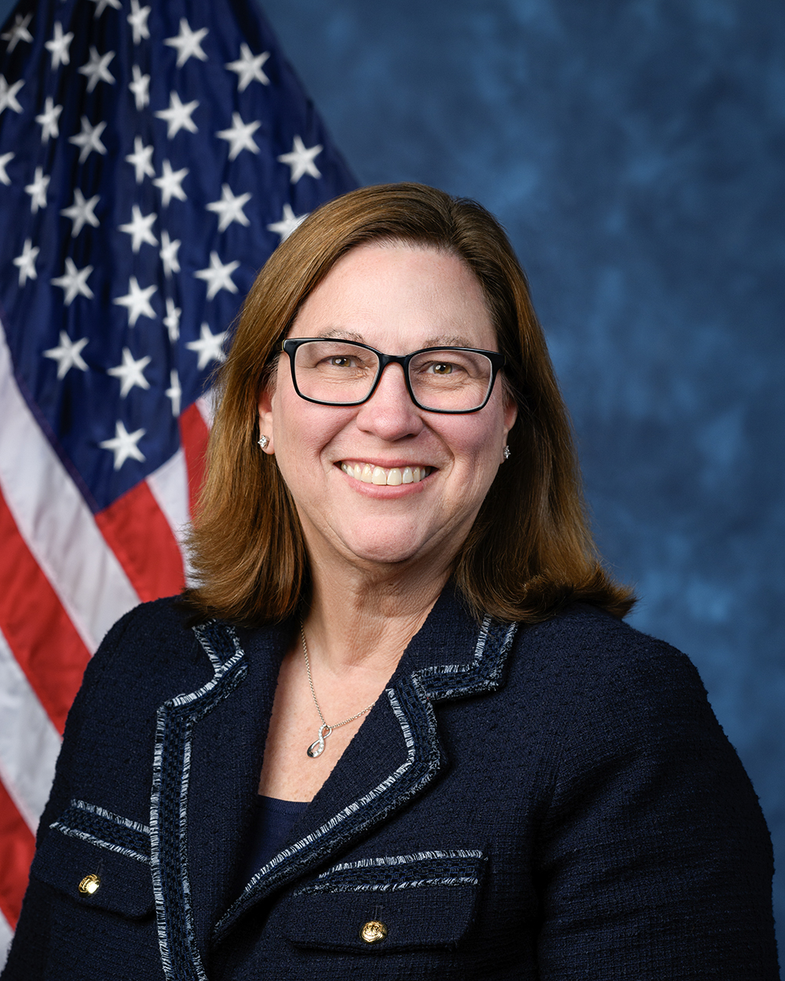
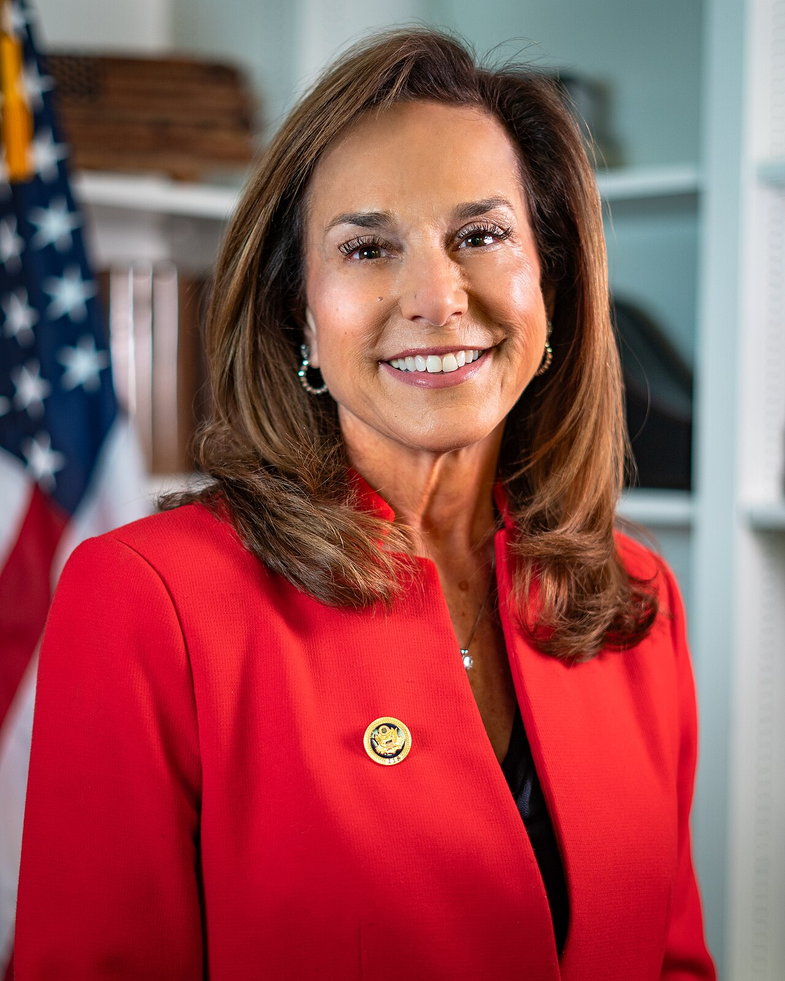
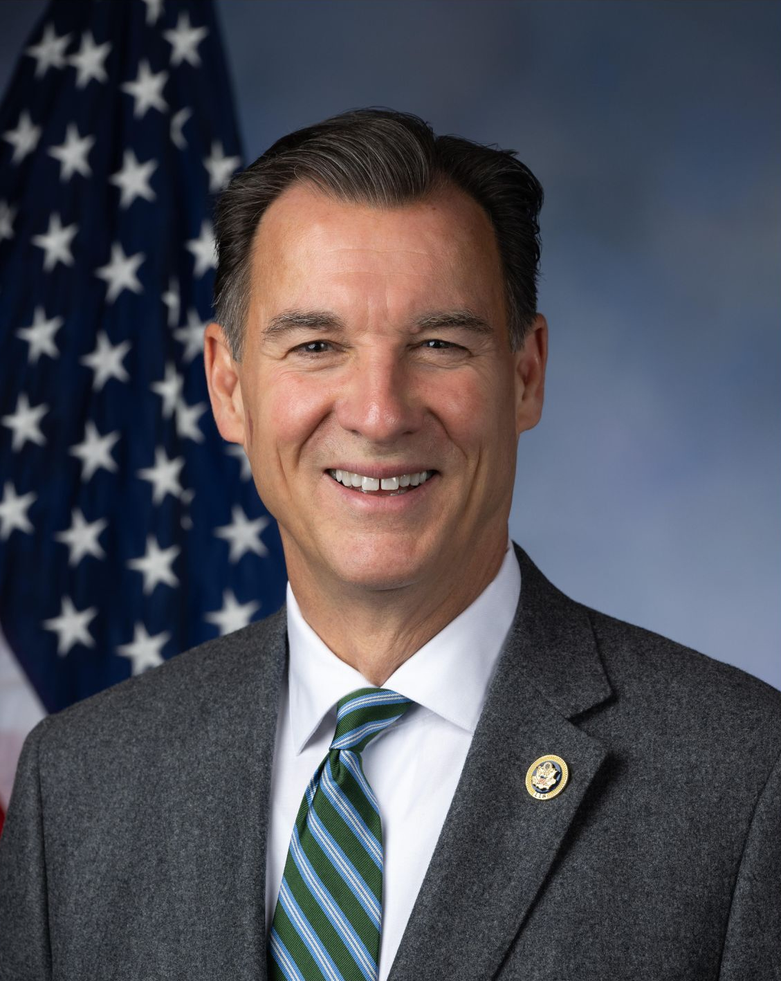
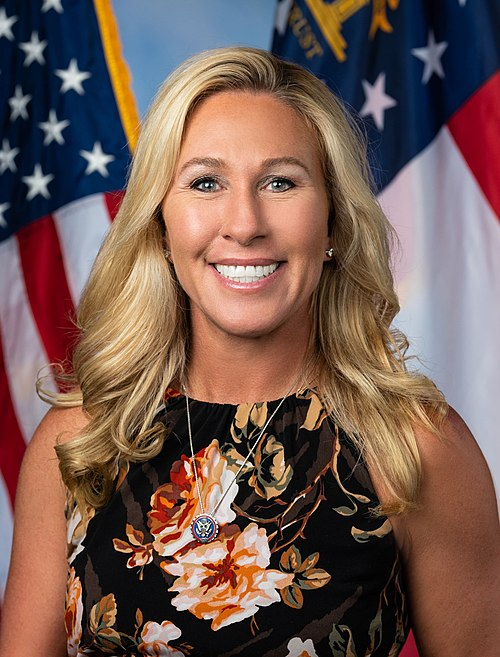
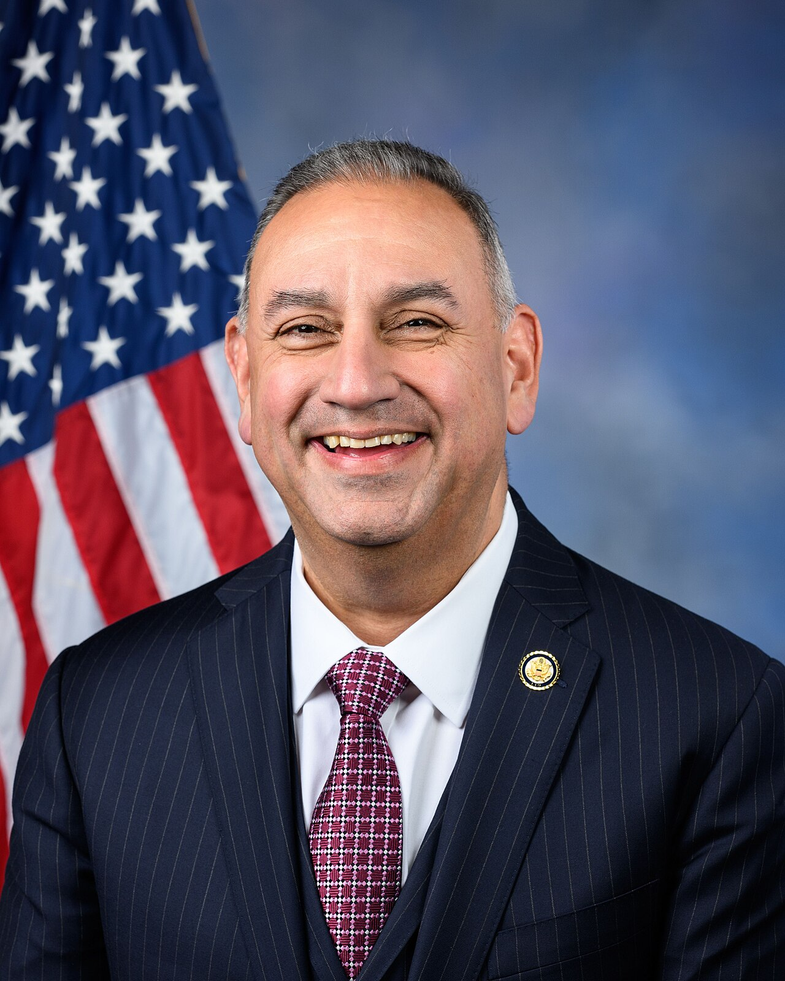
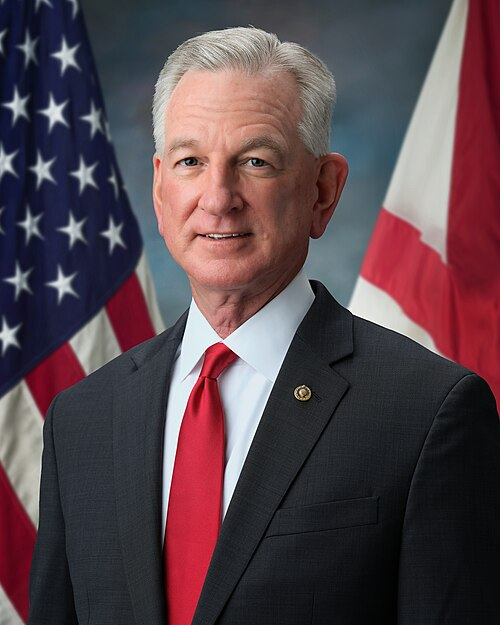
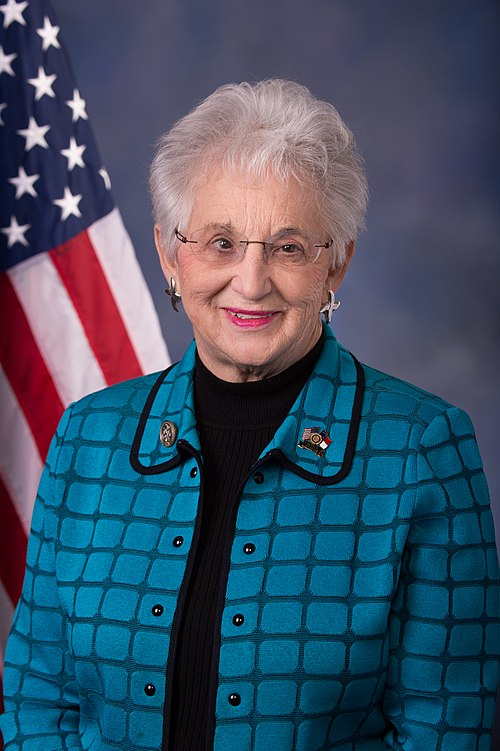
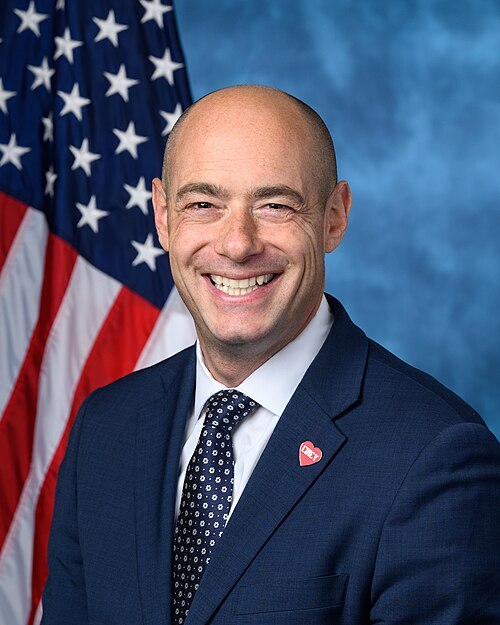
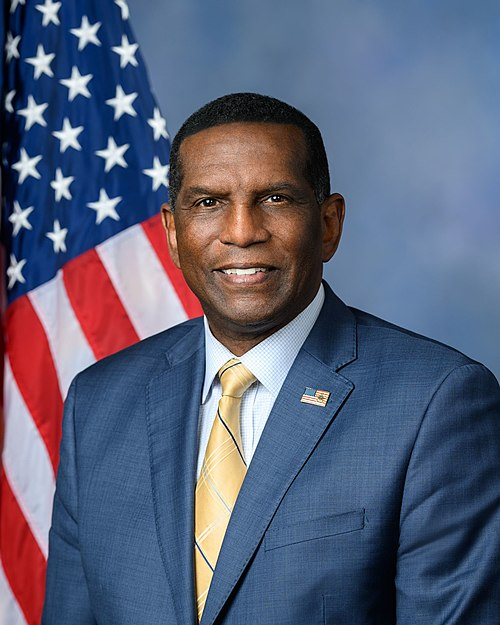
3 bill sponsors


Actions
2 actions
| Date | Action |
|---|---|
| Apr. 21, 2026 | Introduced in House |
| Apr. 21, 2026 | Referred to the House Committee on Energy and Commerce. |
Corporate Lobbying
0 companies lobbying
None found.
* Note that there can be significant delays in lobbying disclosures, and our data may be incomplete.