H.R. 8395: Payments Access and Consumer Efficiency Act of 2026
The Payments Access and Consumer Efficiency Act of 2026, also known as the PACE Act, is a proposed piece of legislation aiming to regulate certain financial service providers known as "covered providers." Below are the key features and provisions of the bill:
Definitions
The bill establishes definitions for key terms used throughout, including:
- Covered Provider: A business that provides payment services and meets certain licensing requirements, either by holding multiple active state money transmitter licenses or by obtaining specific charters from authorized entities.
- Registered Covered Provider: A covered provider that has registered with the federal Comptroller.
- Payment Service: This refers to various activities related to receiving, transmitting, or processing monetary transactions, excluding the provision solely of telecommunications services.
Registration and Oversight
The bill outlines a process for covered providers to register with the Comptroller, which includes:
- Submitting an application that the Comptroller will evaluate based on established criteria, including the applicant's operational focus, financial viability, and compliance capabilities.
- Providing services across all states once registered, thus streamlining regulatory compliance.
- The Comptroller is obligated to inform applicants about their application status within specified timelines and the grounds for any denial of registration.
Customer Protection Standards
Registered covered providers are mandated to adhere to specific standards designed to protect customers, such as:
- Maintaining reserves corresponding to outstanding payment obligations on a one-to-one basis, ensuring the availability of funds.
- Prohibition on rehypothecating reserves without proper compliance.
- Recordkeeping requirements that necessitate tracking obligations and reserves accurately.
Risk Management and Fair Access
The bill includes regulations for managing risks associated with payment services, emphasizing that:
- Registered covered providers must comply with capital and liquidity regulations similar to those for stablecoin issuers, tailored to their specific business models.
- They are also required to ensure fair access to services, meaning they cannot deny services based on protected beliefs or affiliations.
Examinations and Enforcement
The Comptroller retains the authority to conduct evaluations of registered covered providers, focusing on:
- Operational nature and financial health.
- Risks that could threaten the stability of the provider or the financial system.
- Compliance with federal consumer financial laws.
Reporting Requirements
Registered providers must regularly submit reports to the Comptroller detailing:
- Their financial status.
- Compliance with applicable laws and customer obligations.
Insolvency Provisions
In cases of insolvency, the bill outlines the handling of nonbank providers, allowing state regulators to oversee proceedings. It prioritizes:
- Administrative expenses and outstanding payment obligations to customers in liquidation scenarios.
- Ensures that customer funds are safeguarded and prioritized for coverage in resolution situations.
Access to Payments Reserve Accounts
Registered covered providers can request access to payment reserve accounts, much like insured depository institutions, and have procedures outlined for review and potential enforcement in unusual circumstances.
Impact on Securities Laws
The bill amends various existing financial acts to clarify that balances held with a registered covered provider do not constitute securities, thereby providing a regulatory distinction for these accounts.
Relevant Companies
- SQ (Square, Inc.) - As a major player in the digital payment space, Square may be affected by the registration and compliance requirements set forth in the bill.
- AXP (American Express Company) - This company provides payment processing services and could see changes in how it complies with the new regulations for covered providers.
- PYPL (PayPal Holdings, Inc.) - PayPal, as a payment service provider, would need to align its operations with the requirements of this act, potentially affecting its business model.
This is an AI-generated summary of the bill text. There may be mistakes.
Sponsors
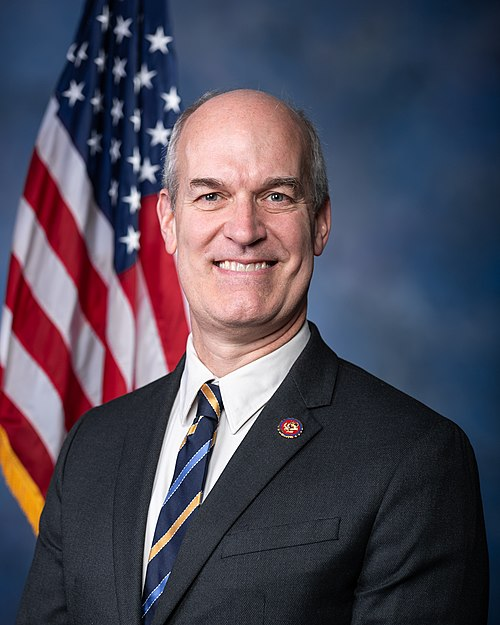
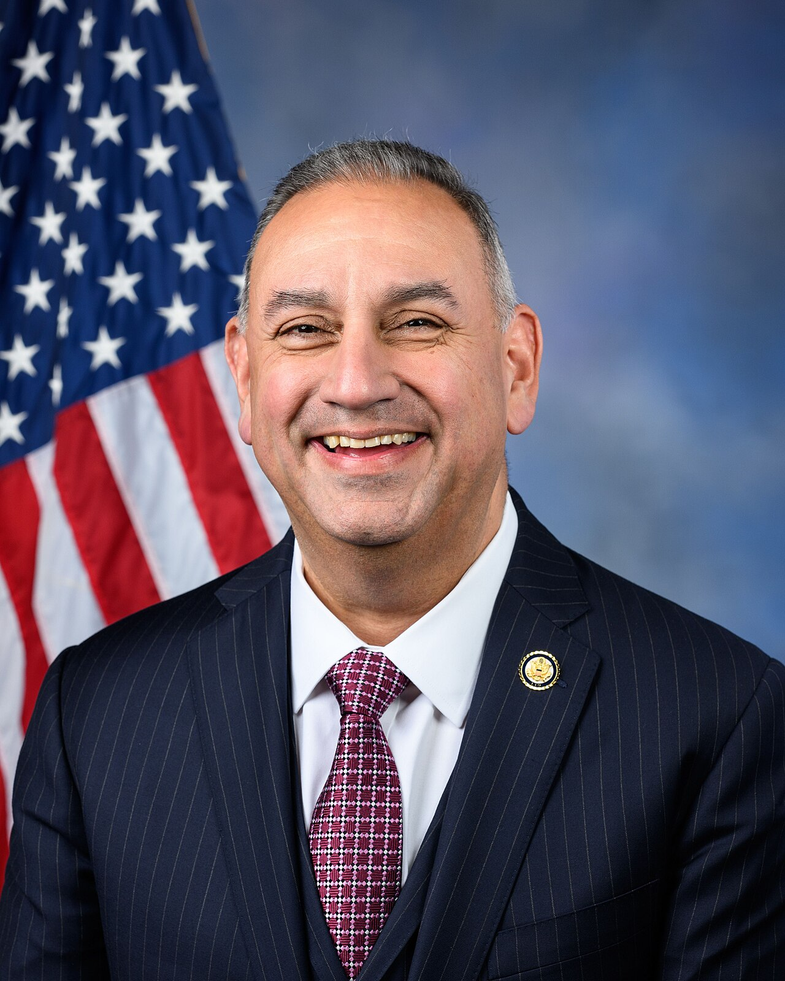
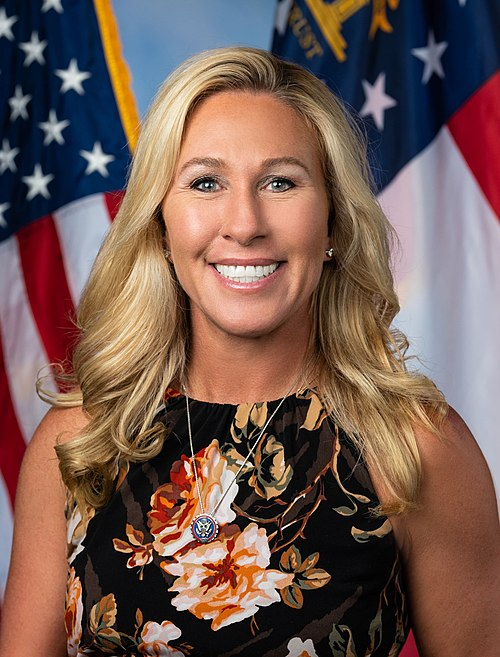
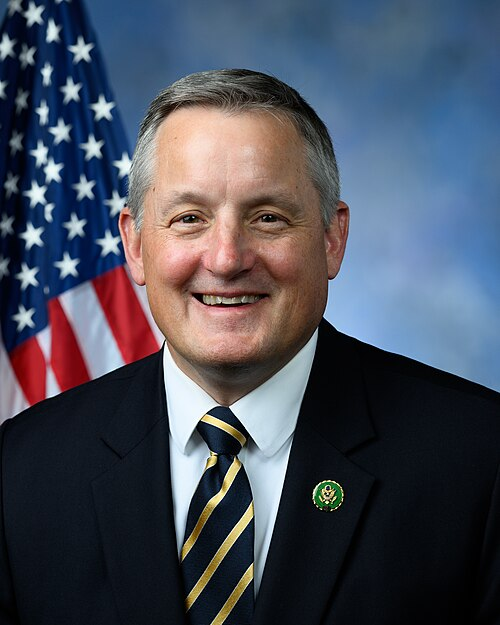
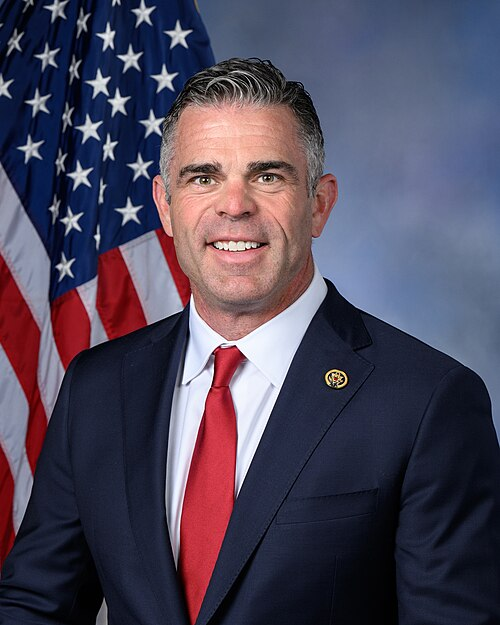
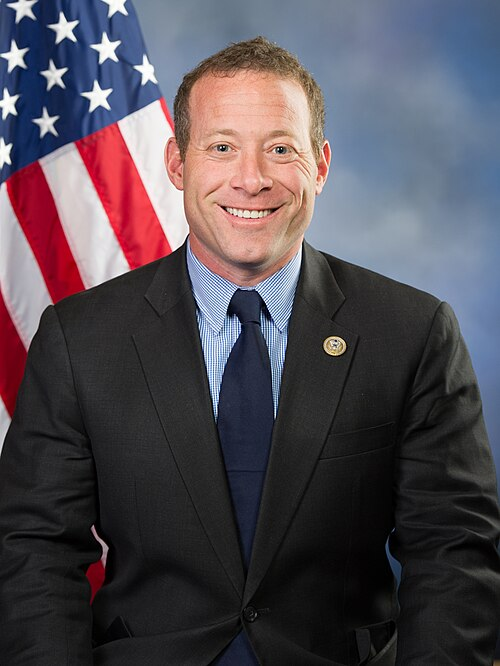
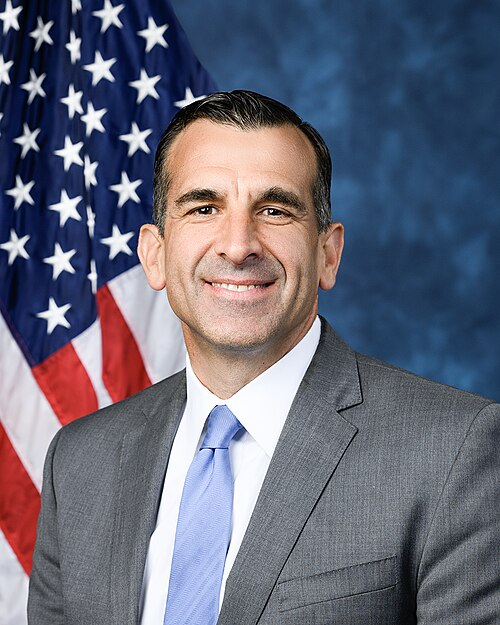
3 bill sponsors


Actions
2 actions
| Date | Action |
|---|---|
| Apr. 21, 2026 | Introduced in House |
| Apr. 21, 2026 | Referred to the House Committee on Financial Services. |
Corporate Lobbying
0 companies lobbying
None found.
* Note that there can be significant delays in lobbying disclosures, and our data may be incomplete.