H.R. 8338: Safeguarding Americans’ Fairly Earned Retirement Act of 2026
This bill, titled the Safeguarding Americans’ Fairly Earned Retirement Act of 2026
, aims to protect certain financial assets held by individuals in financial institutions from being prematurely seized under state escheatment laws. The main provisions of the bill include:
Restrictions on Asset Seizure
Under this act, a financial institution cannot transfer custody of specific assets—such as securities, digital assets, or investment accounts—unless certain conditions are met:
- If the asset is owned by a natural person (an individual), the financial institution must have confirmation of the person's death for at least three years before transferring the asset.
- It must also ensure that no appointed fiduciary has shown interest in the asset during that three-year period.
- If there are other owners of the asset, confirmation of their death must also be obtained.
- If the asset is owned by a non-natural person (like a corporation or partnership), the institution can only transfer custody if it has had no contact with a representative of that entity for at least five years.
Inactive Account Checks
The bill requires financial institutions to periodically check the status of inactive accounts. For accounts belonging to individuals who have reached retirement age, a comparison must be made with state or federal death databases every five years after the last recorded contact with the individual or their representative.
Verification of Death
To confirm the death of an individual, a financial institution may require:
- A death certificate.
- Other legal documents that the institution deems sufficient.
Preemption of State Laws
This legislation overrides any state laws that would require financial institutions to remit or transfer assets in a manner inconsistent with the provisions of this act.
Communication with States
The bill acknowledges that it does not prevent states from requiring communication with financial institutions regarding the status of assets.
Definitions
The bill defines several key terms:
Covered asset
includes securities, digital assets, and investment accounts, but excludes employee benefit plans.Digital asset
refers to any value represented digitally on a secure ledger.Financial institution
includes banks, transfer agents, and digital asset exchanges.Investment account
encompasses accounts used to manage or trade securities or digital assets.
Rule of Application
The provisions apply to assets that were held on or after the enactment date and have not been surrendered under state escheatment laws by that date.
Relevant Companies
- GS (Goldman Sachs) - As a major financial institution, Goldman Sachs may need to adapt its practices regarding asset custody and death verification under this bill.
- JPM (JPMorgan Chase) - This bank may face operational changes to comply with the new death confirmation requirements for individual accounts.
- COIN (Coinbase Global) - As a digital asset exchange, Coinbase may need to revise its policies on asset seizure and custody in light of these new regulations.
This is an AI-generated summary of the bill text. There may be mistakes.
Sponsors
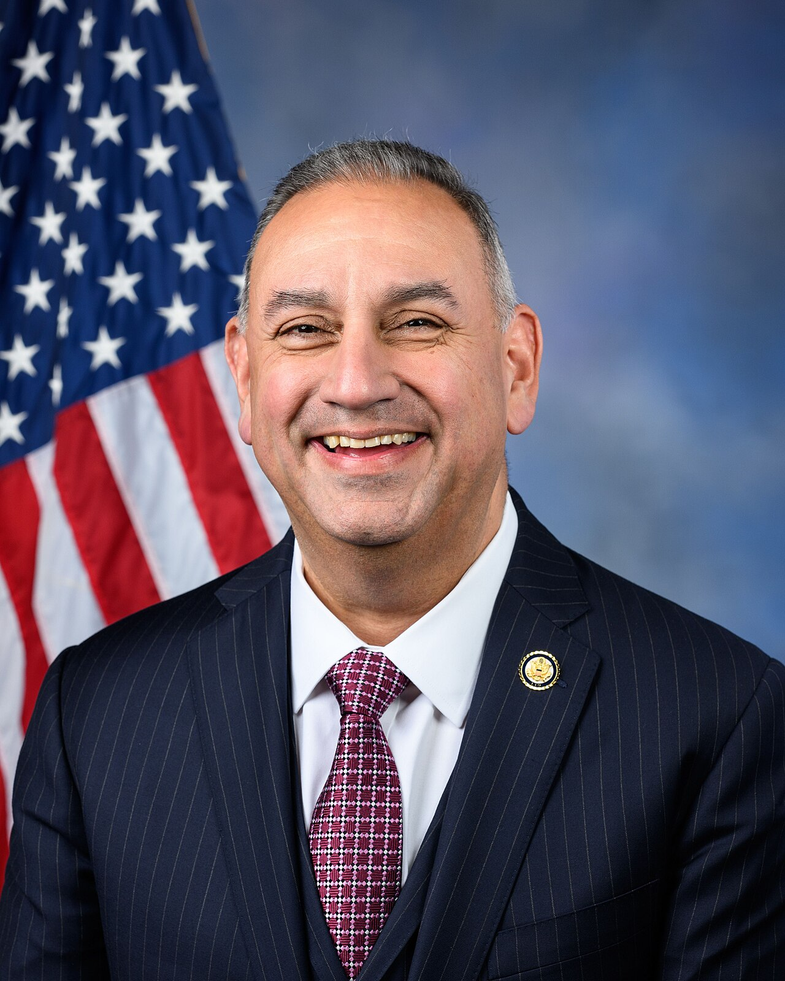
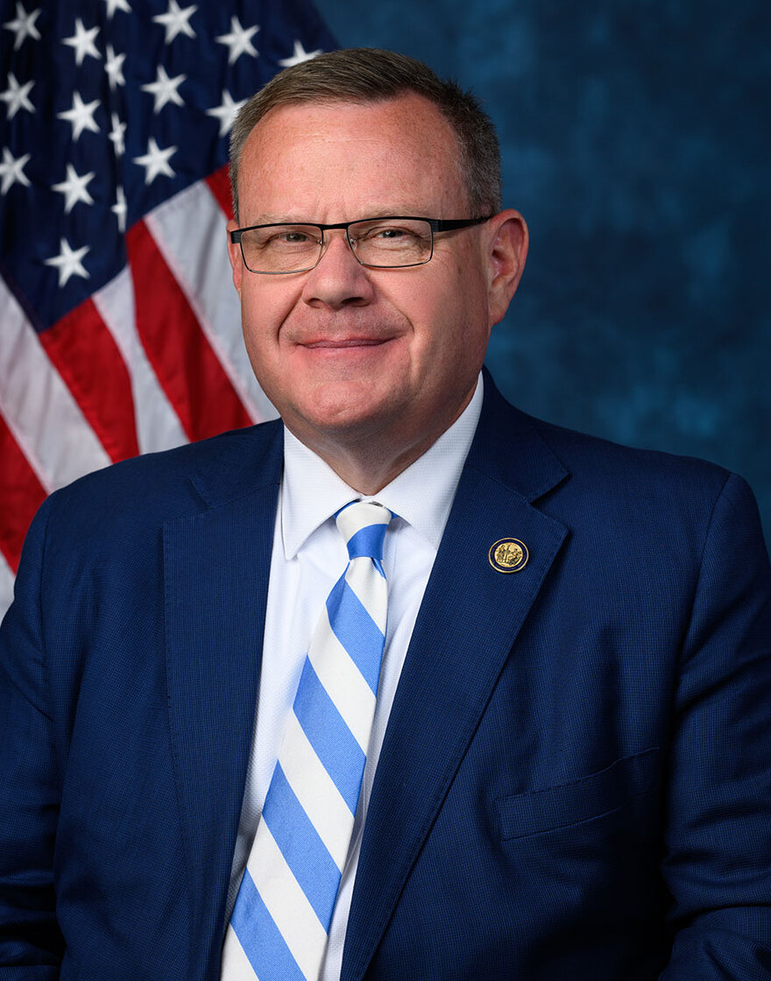
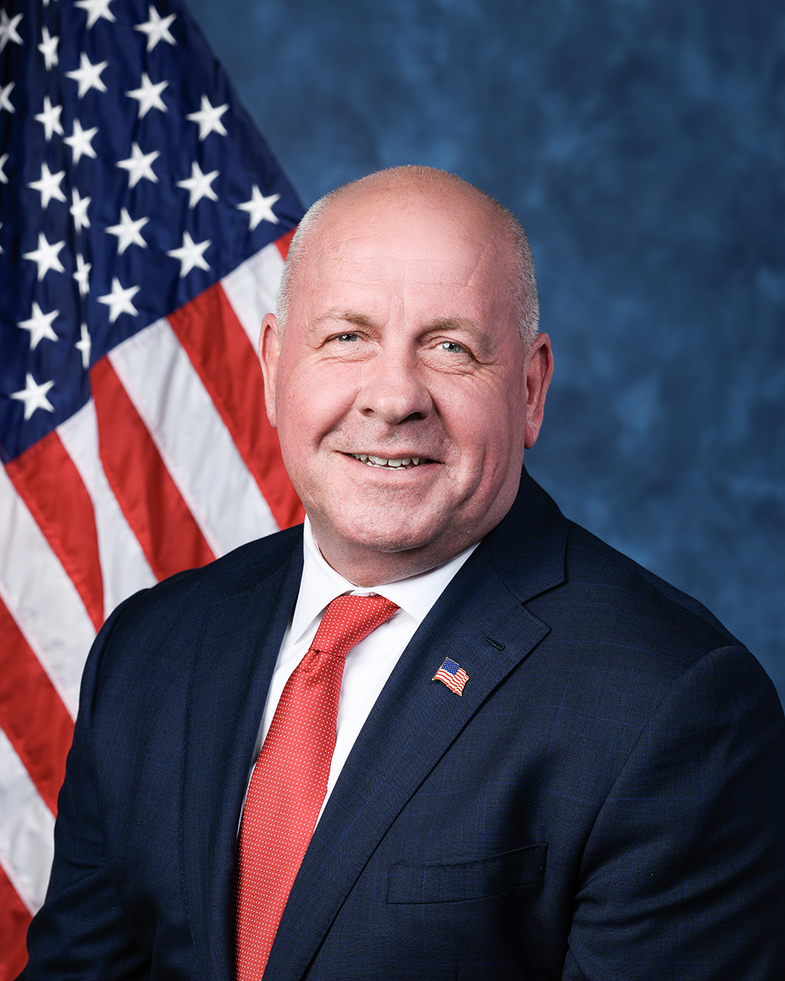
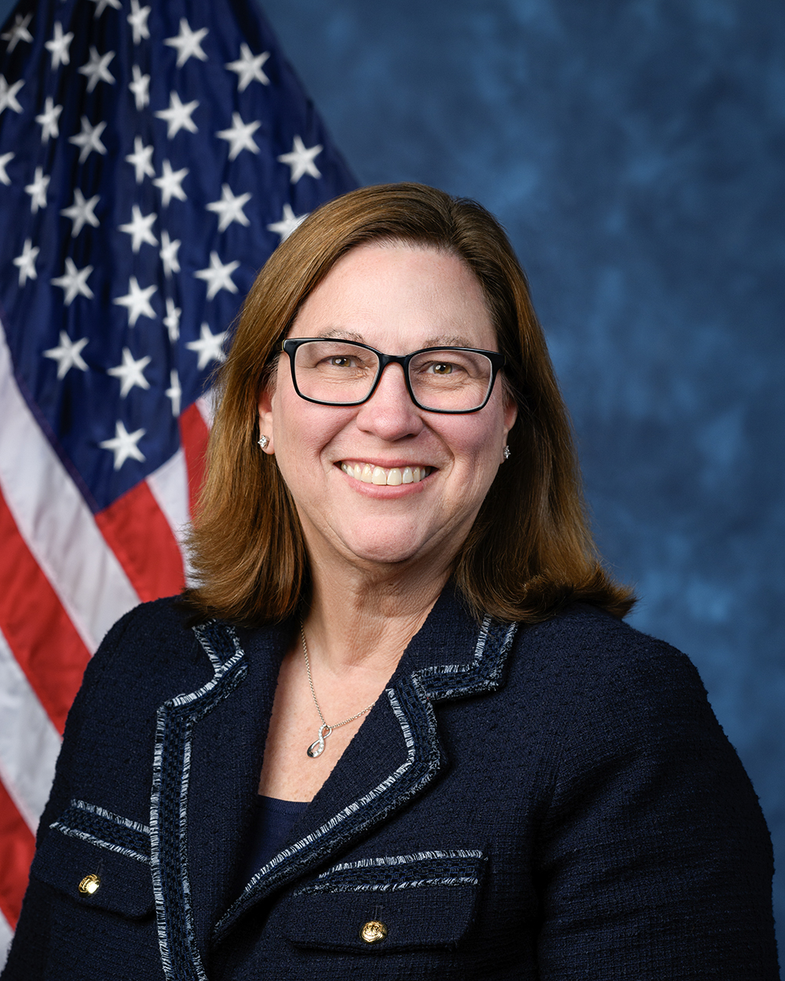
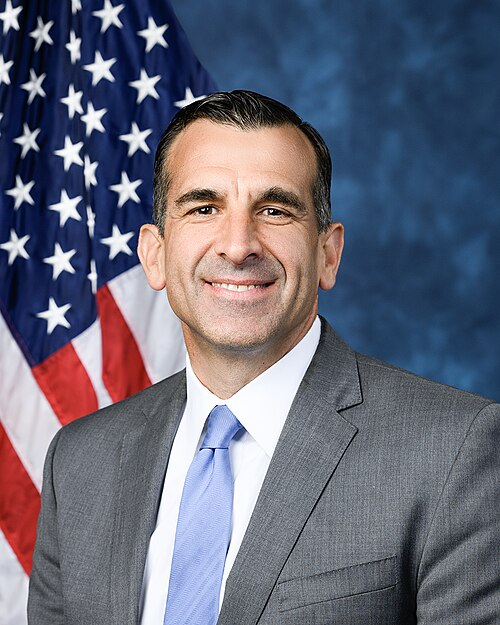
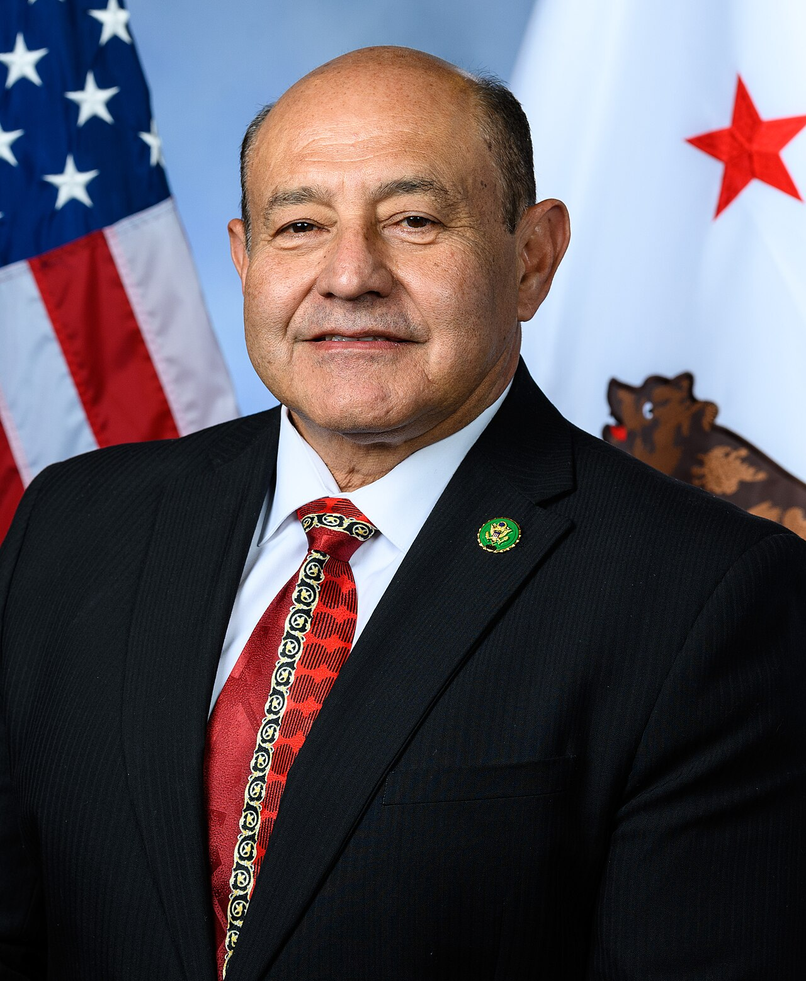
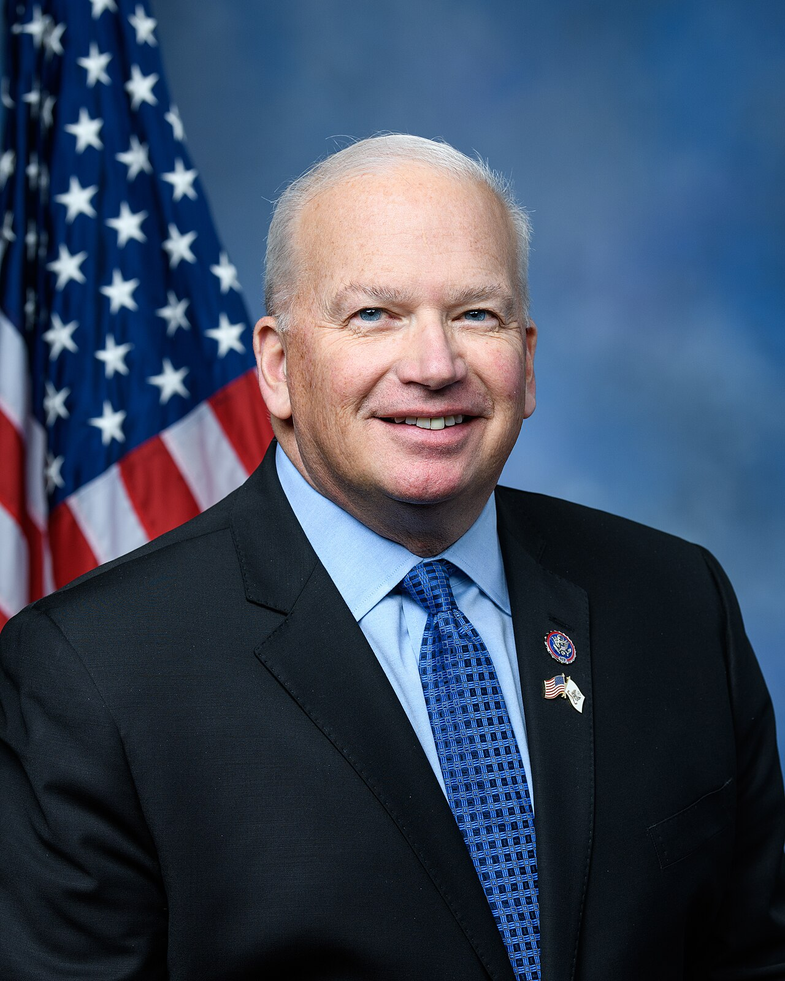
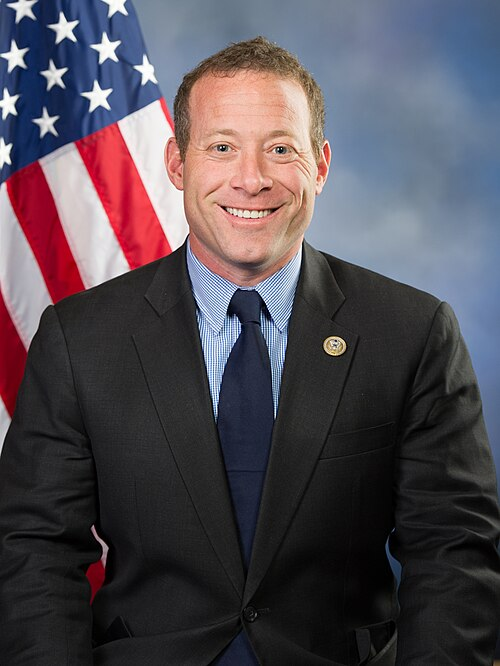
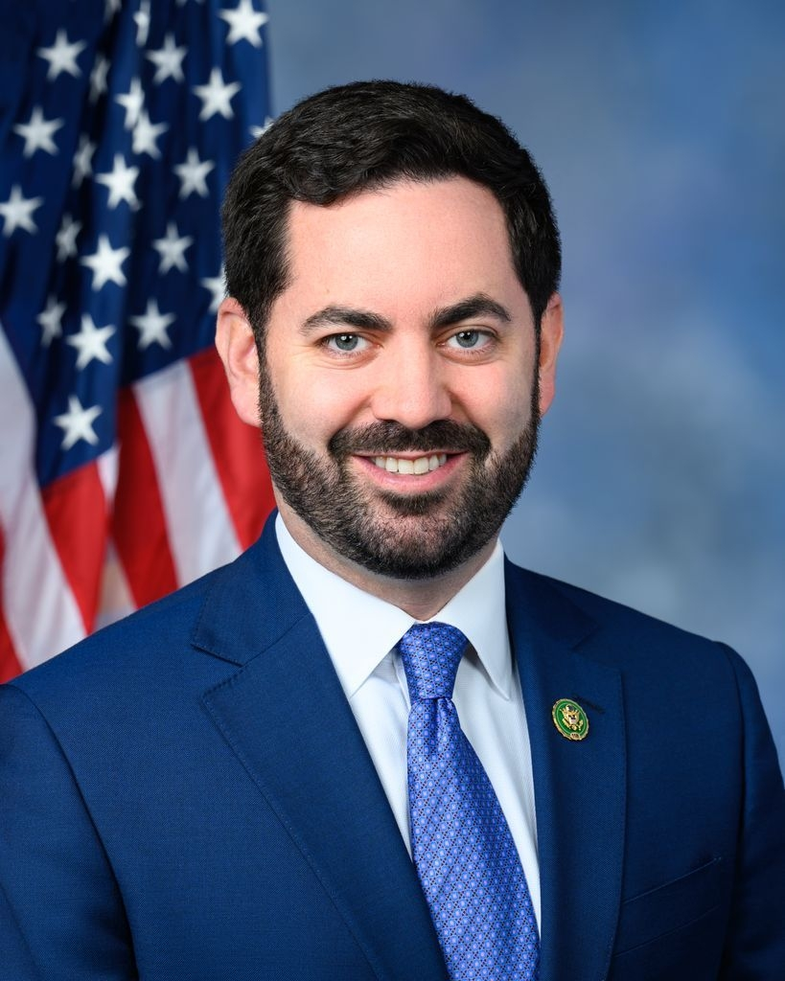
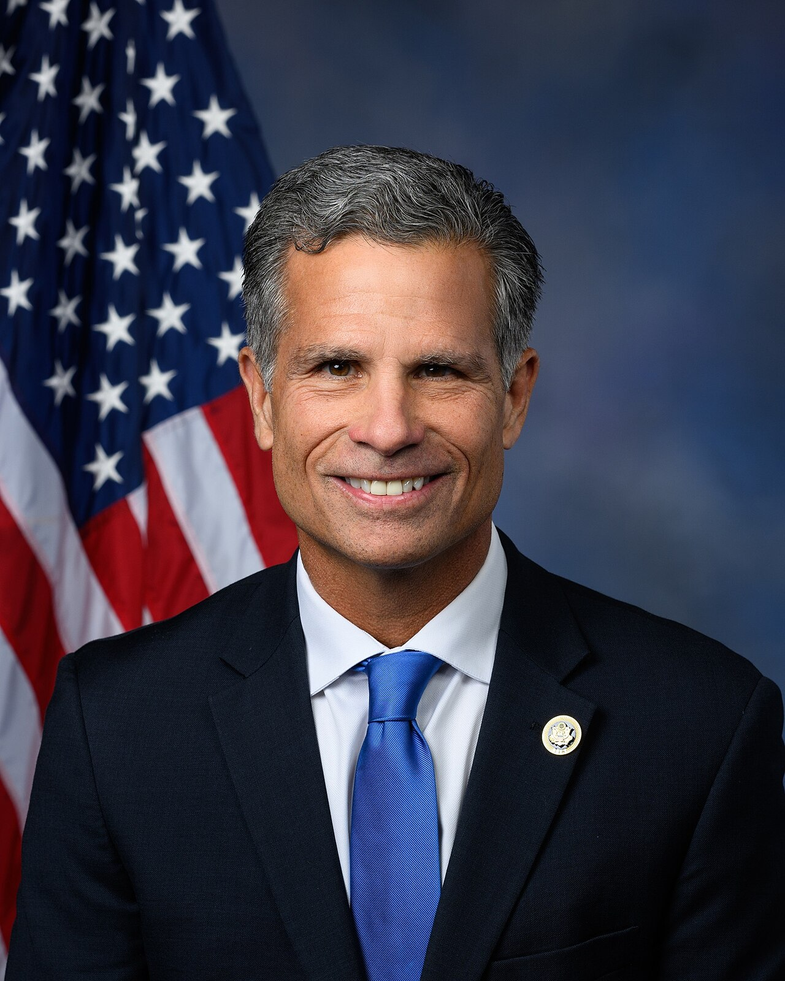
7 bill sponsors

Actions
2 actions
| Date | Action |
|---|---|
| Apr. 16, 2026 | Introduced in House |
| Apr. 16, 2026 | Referred to the House Committee on Financial Services. |
Corporate Lobbying
0 companies lobbying
None found.
* Note that there can be significant delays in lobbying disclosures, and our data may be incomplete.