H.R. 8332: Special Operations Forces Concealed Carry Act
This bill, known as the Special Operations Forces Concealed Carry Act, is designed to allow certain qualified military personnel, specifically those with specialized training and a history of service, to carry concealed firearms more freely than currently permitted under federal law. Here are the key details of what the bill proposes:
Expansion of Concealed Carry Privileges
The bill amends an existing section of the U.S. Code to include "qualified special operators" alongside retired law enforcement officers who are authorized to carry concealed firearms. This means that highly trained military personnel, notably from special operations forces, would be allowed to carry concealed weapons under specific conditions.
Definition of Qualified Special Operators
A "qualified special operator" is defined in the bill as a current or former military member who has served in specialized roles with a specific pay grade. These roles include, but are not limited to:
- Members of the U.S. Army Special Forces (e.g., commanders, medical sergeants)
- Members of the U.S. Army 75th Ranger Regiment (e.g., infantry officers, combat medics)
- Members of the U.S. Navy SEALs
- Members of the U.S. Marine Corps (e.g., scout snipers, reconnaissance marines)
- Members of the U.S. Air Force (e.g., combat controllers, pararescue personnel)
- Members of the U.S. Army Delta Force
Reduced Requirements for Carrying Firearms
The bill also introduces several provisions that reduce the requirements for these qualified special operators:
- No annual certification: Qualified special operators would not need to undergo the annual firearms qualification that is typically required.
- Permanence of qualification: Once authorized, their ability to carry concealed firearms remains active as long as they meet certain conditions, including having an honorable discharge and maintaining their status as a qualified operator.
- No separate certification needed: There is no requirement for a separate certification for firearms training.
Identification and Verification
To carry firearms under this legislation, qualified special operators must present proper identification that verifies their status. Acceptable forms include:
- Photographic ID issued by the Department of Defense or Department of Veterans Affairs
- Valid government-issued ID along with official documentation of their military service
The bill also establishes a program for issuing the necessary identification, ensuring that the details confirming a person's qualifications are verified through relevant military records.
Implementation and Guidance
The bill mandates that the Secretary of Defense and the Secretary of Veterans Affairs work together to implement the identification program within 180 days of the bill's enactment. They are also tasked with providing guidance to law enforcement agencies about the new identification requirements to ensure compliance and proper recognition of qualified special operators' rights to carry firearms.
Effective Date
The provisions allowing qualified special operators to carry firearms will take effect as soon as they have valid documentation confirming their status, prior to the full implementation of the identification program.
Legal and Regulatory Provisions
The bill includes provisions that clarify there are no new private rights of action created, meaning individuals can’t sue the government or other entities over the bill’s implementation. Any legal remedies for noncompliance would be limited to what is already provided under existing law.
Relevant Companies
None found.
This is an AI-generated summary of the bill text. There may be mistakes.
Sponsors
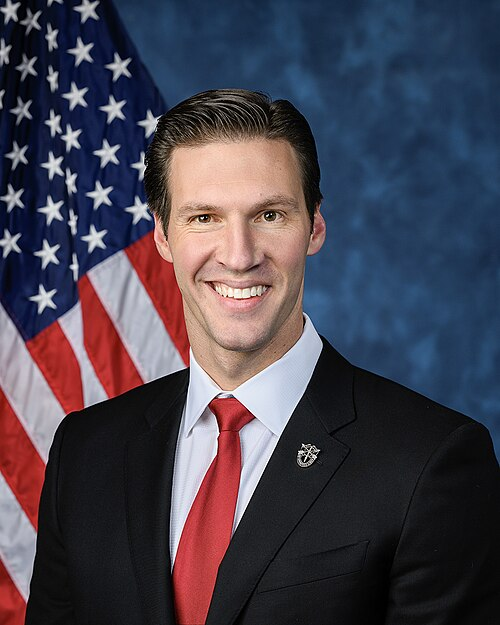
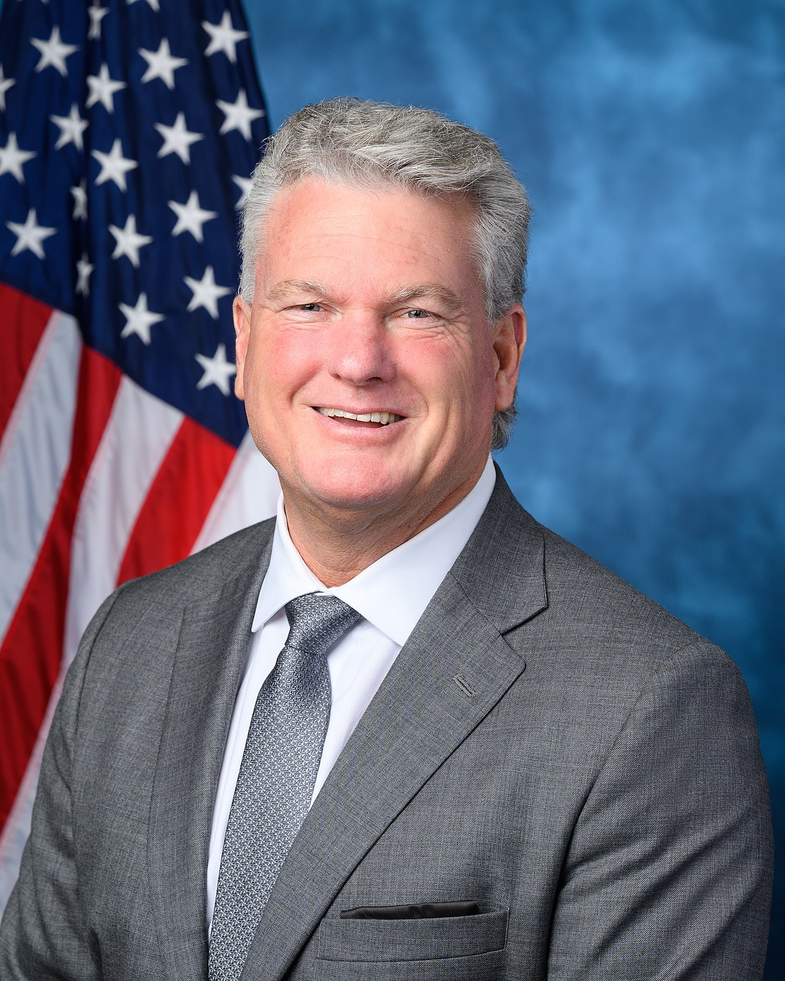
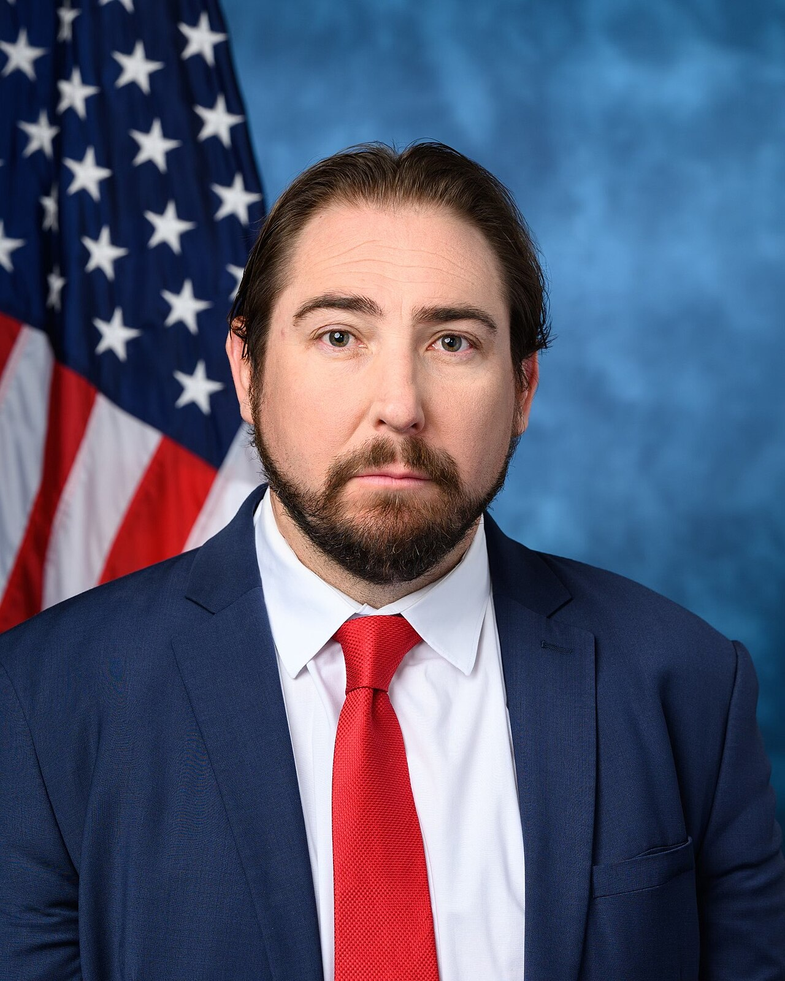
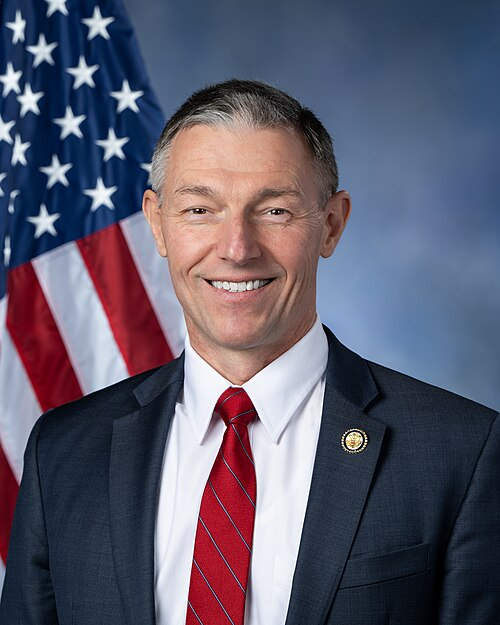
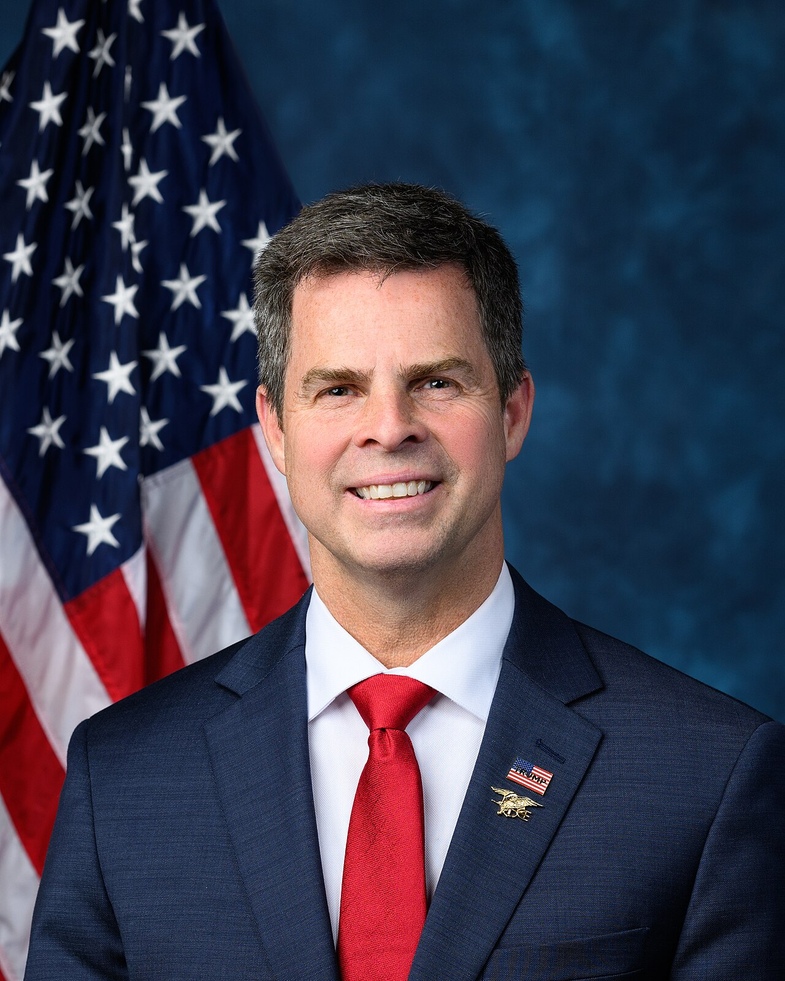
7 bill sponsors


Actions
3 actions
| Date | Action |
|---|---|
| May. 07, 2026 | Referred to the Subcommittee on Disability Assistance and Memorial Affairs. |
| Apr. 16, 2026 | Introduced in House |
| Apr. 16, 2026 | Referred to the Committee on the Judiciary, and in addition to the Committees on Armed Services, and Veterans' Affairs, for a period to be subsequently determined by the Speaker, in each case for consideration of such provisions as fall within the jurisdiction of the committee concerned. |
Corporate Lobbying
0 companies lobbying
None found.
* Note that there can be significant delays in lobbying disclosures, and our data may be incomplete.
Potentially Relevant Congressional Stock Trades
No relevant congressional stock trades found.