H.R. 833: Educational Choice for Children Act of 2025
The Educational Choice for Children Act of 2025 is a proposed piece of legislation that aims to amend the Internal Revenue Code. The key purpose of this bill is to provide tax incentives for individuals and corporations that make charitable contributions to organizations that grant scholarships for elementary and secondary education. Here’s a breakdown of its major features:
Tax Credits for Donations
The bill establishes a tax credit for contributions made to qualified scholarship granting organizations. Key points include:
- Individuals: Individuals can receive a credit against their taxes that is equal to the amount they contribute to these organizations, with some limitations. The maximum credit cannot exceed either 10% of the individual’s adjusted gross income or $5,000 per year.
- Corporations: Corporations can similarly receive a tax credit for contributions, capped at 5% of their taxable income for that year.
Eligibility Criteria
To qualify for these credits, the following conditions must be met:
- Income Limit for Students: Eligible students for these scholarships must come from households with incomes not exceeding 300% of the area median gross income and must be eligible to enroll in public schools.
- Qualified Contributions: Contributions eligible for the credit must be charitable donations in cash or marketable securities specifically designated for scholarship purposes.
- Scholarship Granting Organizations: Organizations that issue these scholarships must be non-profits listed under section 501(c)(3) of the Internal Revenue Code and must primarily provide scholarships for education expenses.
Qualified Education Expenses
The bill delineates what constitutes qualified elementary or secondary education expenses:
- Tuition and fees related to enrollment in public or private schools.
- Costs for curricular materials and books.
- Payments for tutoring services by qualified educators.
- Expenses for educational tests and dual enrollment in higher education.
- Fees for educational therapies for students with disabilities.
Volume Cap on Tax Credits
The bill imposes a volume cap of $10 billion on the total amount of tax credits allowable for contributions made under the new provisions in any given year. A portion of this cap is reserved for individual states, ensuring a more equitable distribution across the country.
Regulations on Scholarship Granting Organizations
Scholarship granting organizations will be required to meet specific regulations to maintain their status and ensure compliance:
- They must provide scholarships to a minimum of two students, with no two students attending the same school using the same grant.
- They cannot earmark contributions for specific students and must ensure contributions are verified as eligible for the tax benefits.
Exemption from Income Tax
Moreover, amounts provided to students via scholarships will not count as gross income for tax purposes, meaning families receiving these scholarships won’t be taxed for them.
Non-Governmental Control
Importantly, the bill includes provisions that prohibit any form of governmental control over scholarship organizations and the schools they support, ensuring that educational choices remain in the hands of families and educators rather than government entities.
Effective Date
The provisions of this legislation would begin to take effect for taxable years starting after December 31, 2025.
Relevant Companies
None found.
This is an AI-generated summary of the bill text. There may be mistakes.
Sponsors
92 bill sponsors
-
TrackAdrian Smith

Sponsor
-
TrackRick W. Allen
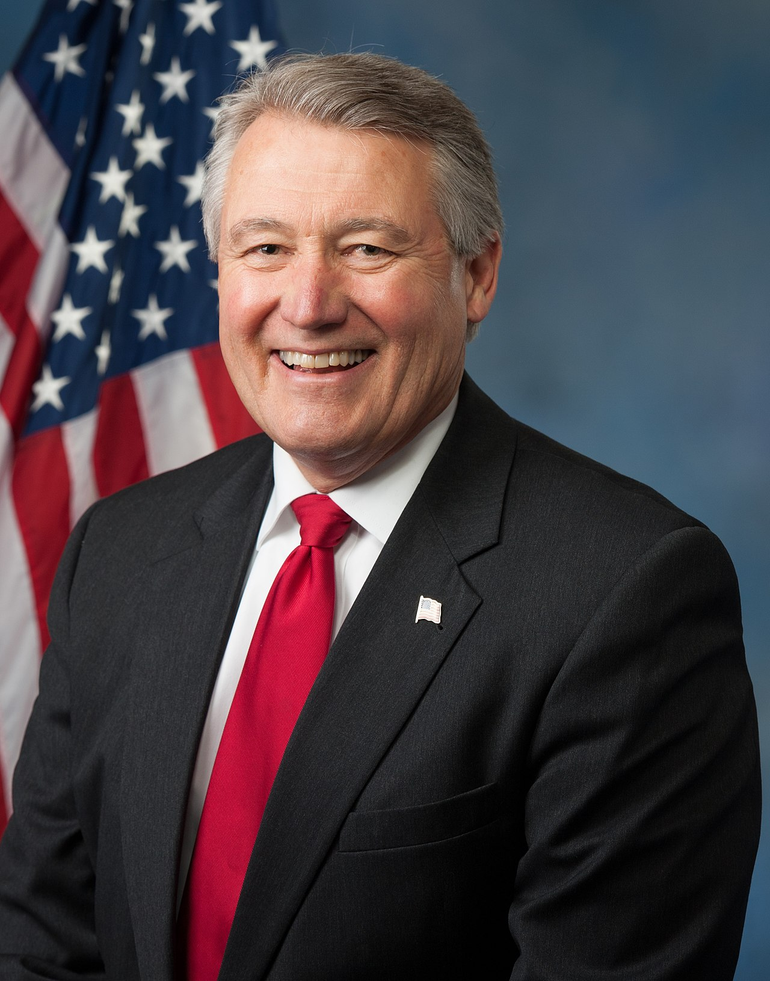
Co-Sponsor
-
TrackBrian Babin
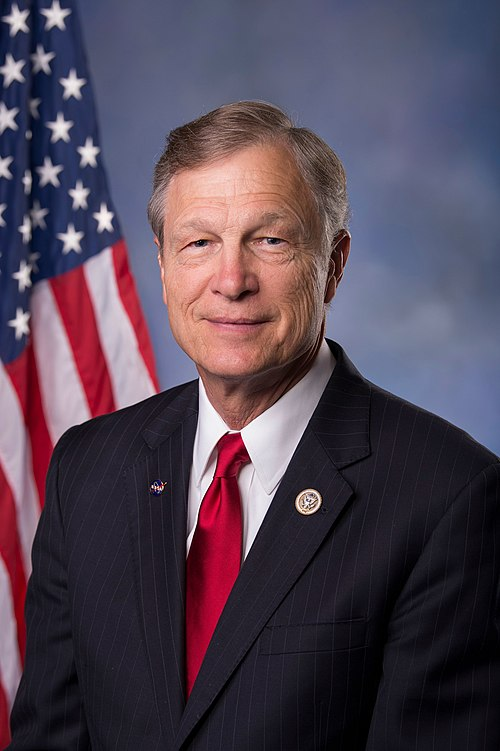
Co-Sponsor
-
TrackTroy Balderson
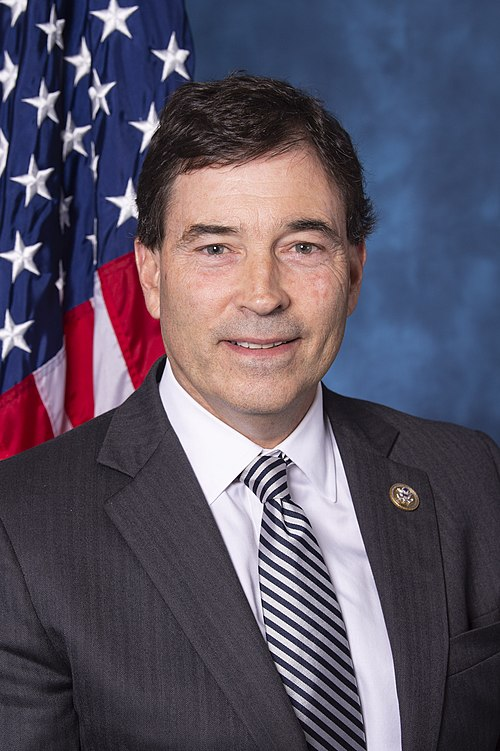
Co-Sponsor
-
TrackAndy Barr
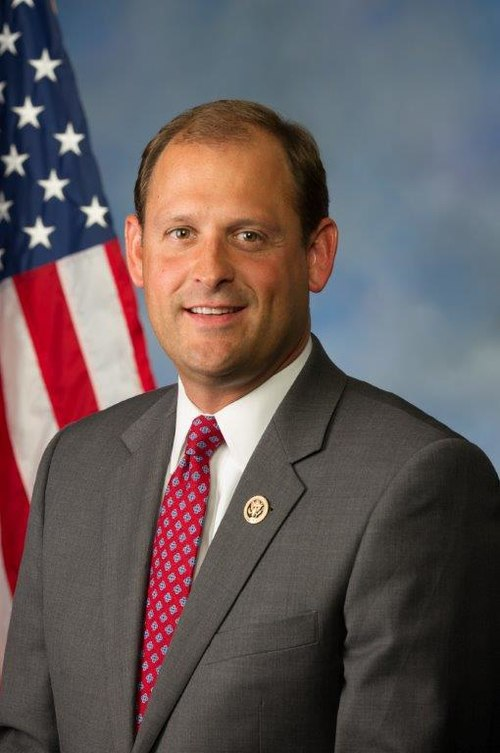
Co-Sponsor
-
TrackTom Barrett
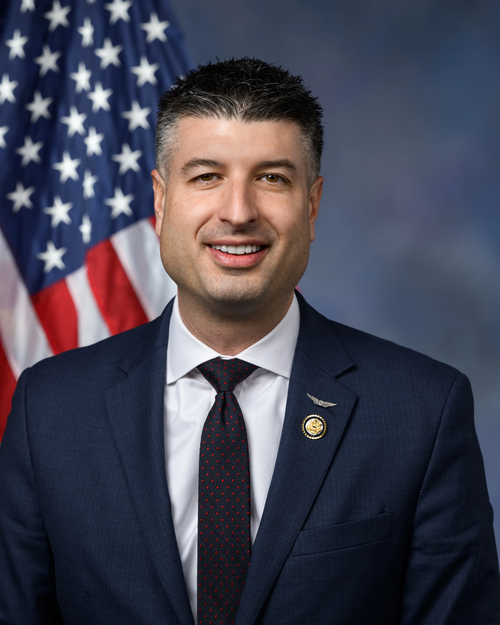
Co-Sponsor
-
TrackMichael Baumgartner

Co-Sponsor
-
TrackJack Bergman
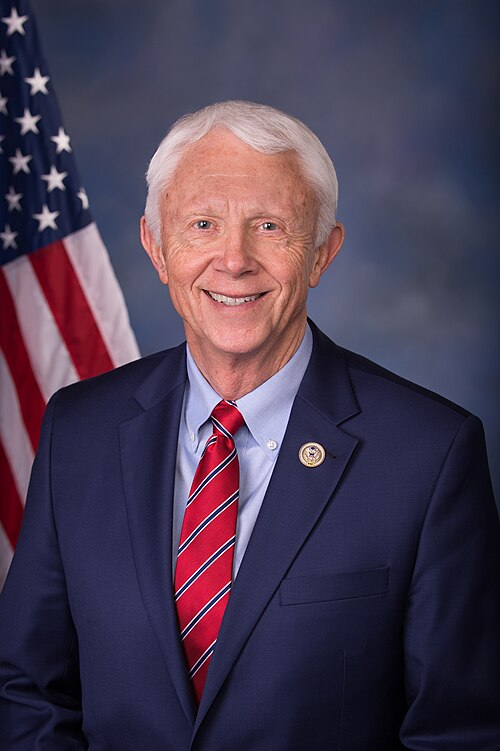
Co-Sponsor
-
TrackStephanie I. Bice
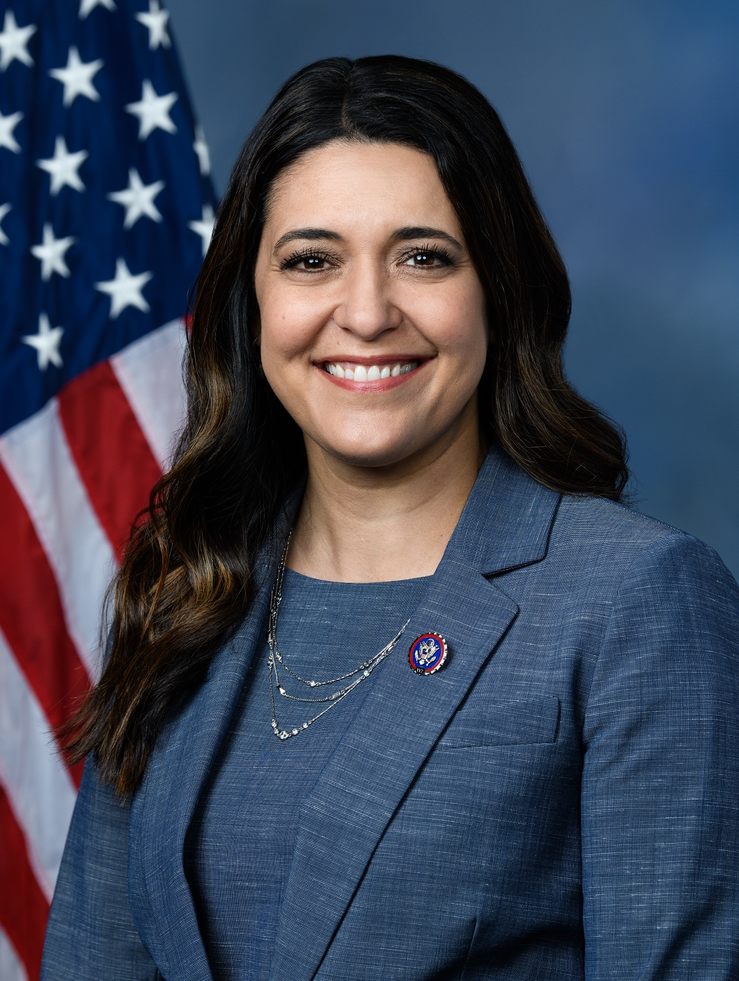
Co-Sponsor
-
TrackSheri Biggs
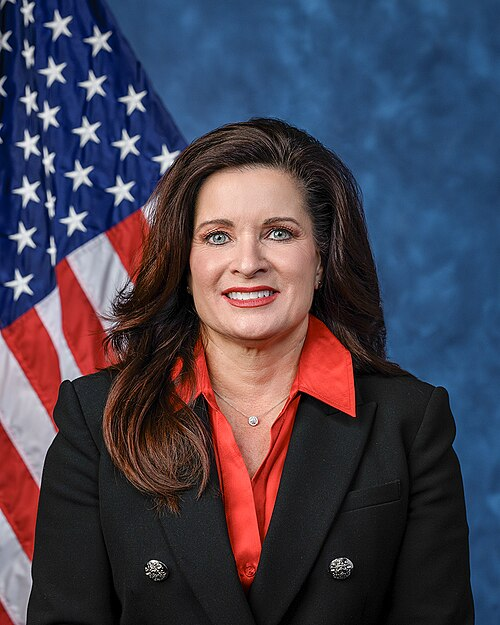
Co-Sponsor
-
TrackMike Bost
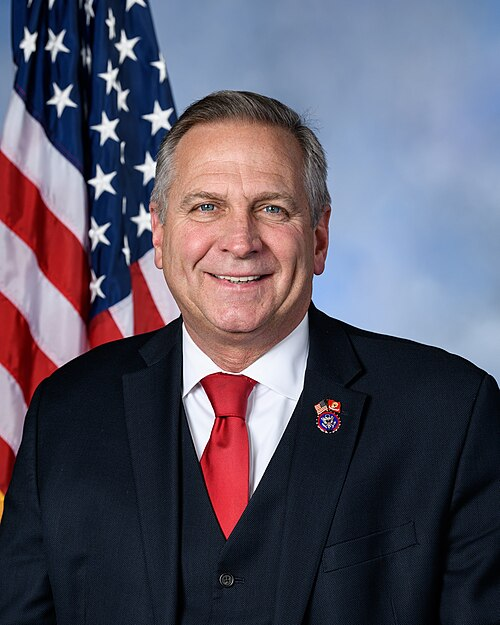
Co-Sponsor
-
TrackVern Buchanan
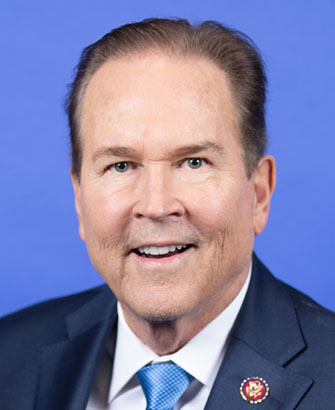
Co-Sponsor
-
TrackEric Burlison
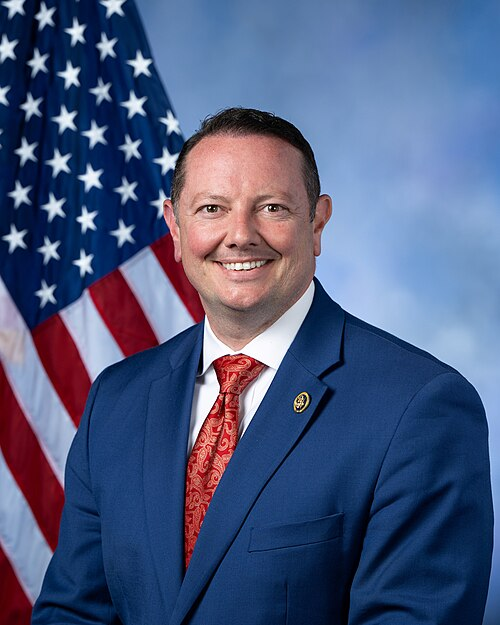
Co-Sponsor
-
TrackKen Calvert
Co-Sponsor
-
TrackMike Carey

Co-Sponsor
-
TrackJuan Ciscomani
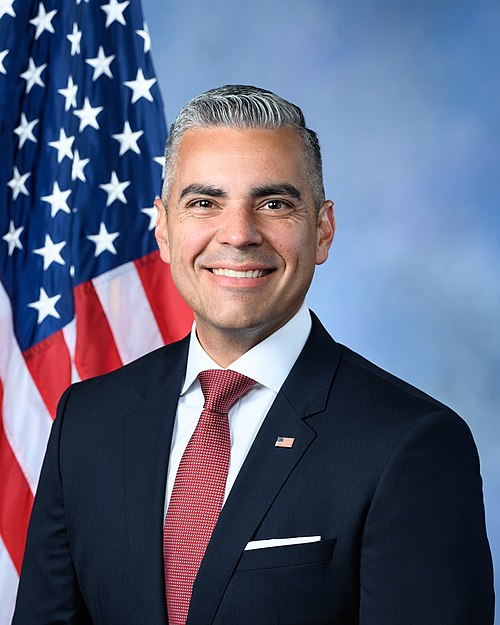
Co-Sponsor
-
TrackBen Cline
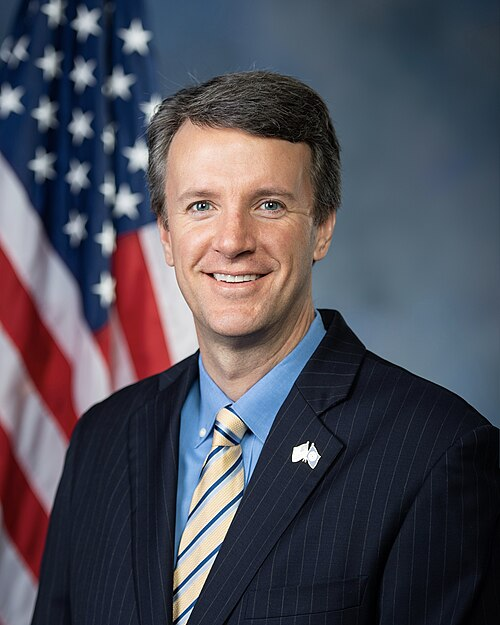
Co-Sponsor
-
TrackMike Collins
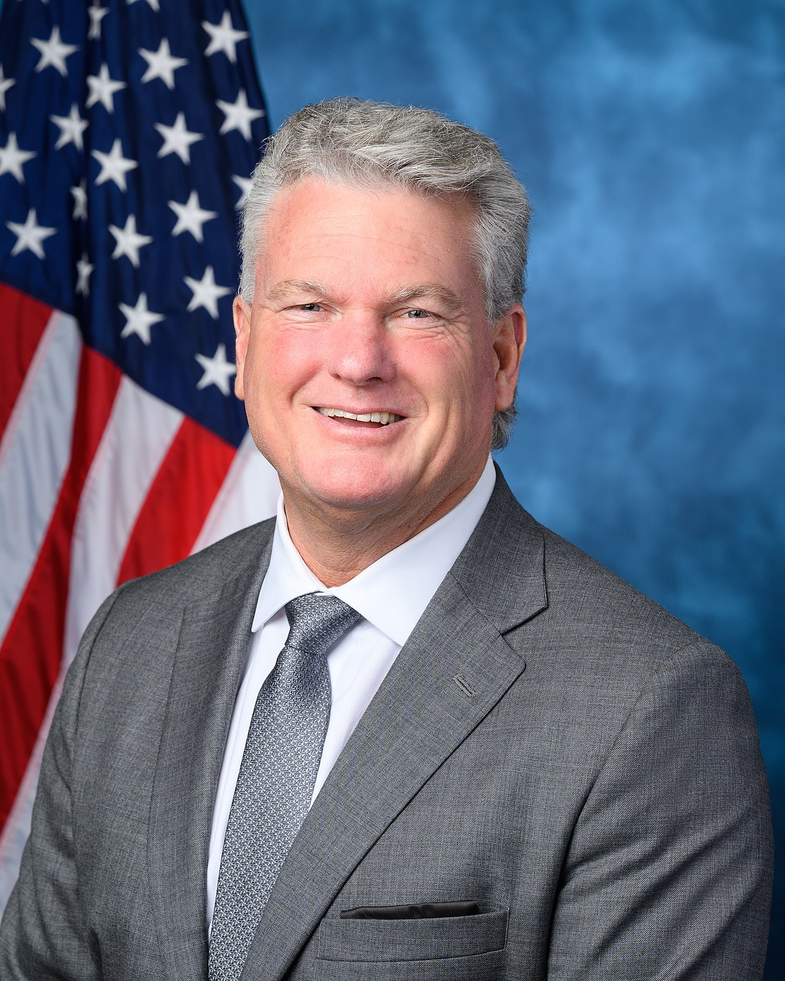
Co-Sponsor
-
TrackJeff Crank
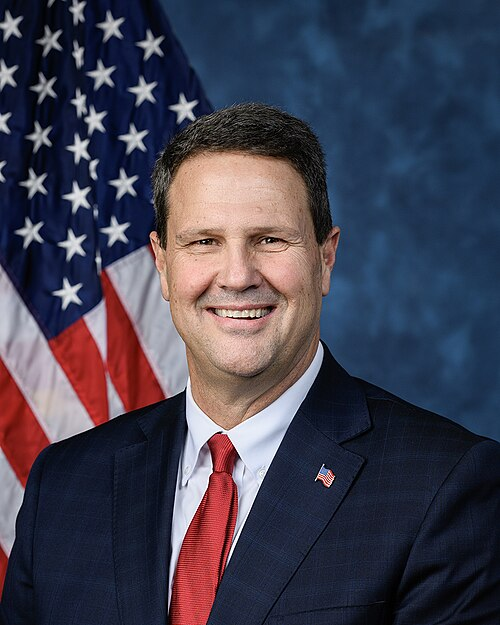
Co-Sponsor
-
TrackDan Crenshaw

Co-Sponsor
-
TrackByron Donalds
Co-Sponsor
-
TrackTroy Downing
Co-Sponsor
-
TrackNeal P. Dunn
Co-Sponsor
-
TrackGabe Evans

Co-Sponsor
-
TrackRandy Feenstra
Co-Sponsor
-
TrackBrad Finstad
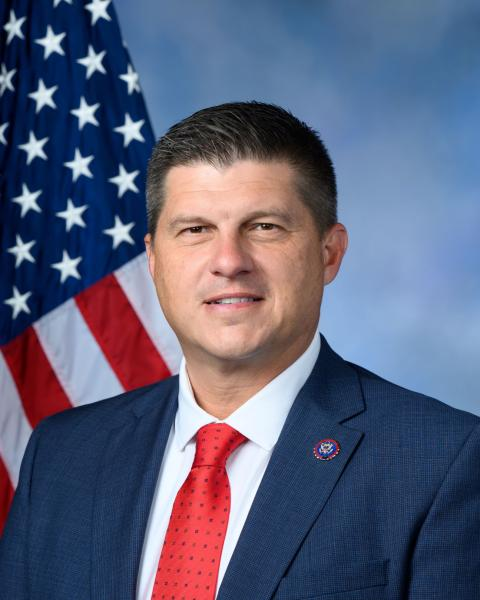
Co-Sponsor
-
TrackVince Fong
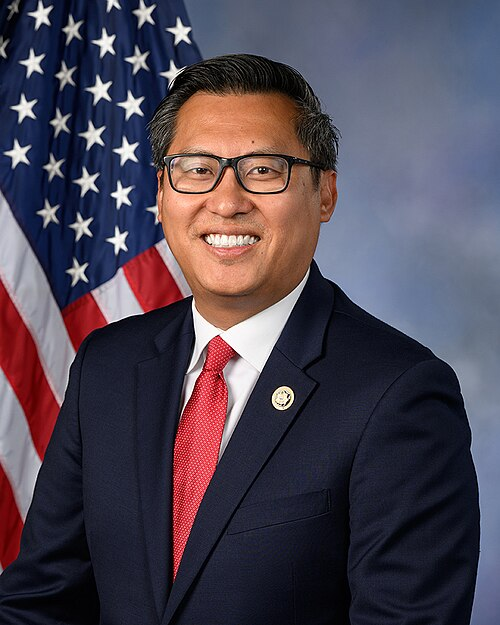
Co-Sponsor
-
TrackScott Franklin
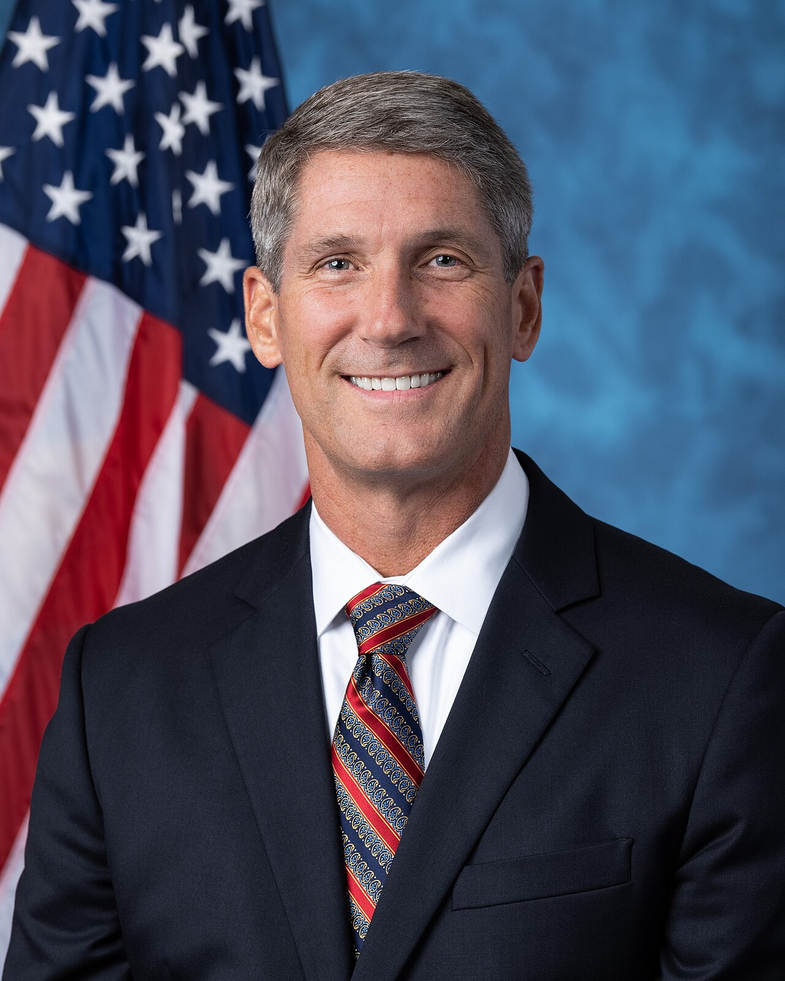
Co-Sponsor
-
TrackBrett Guthrie
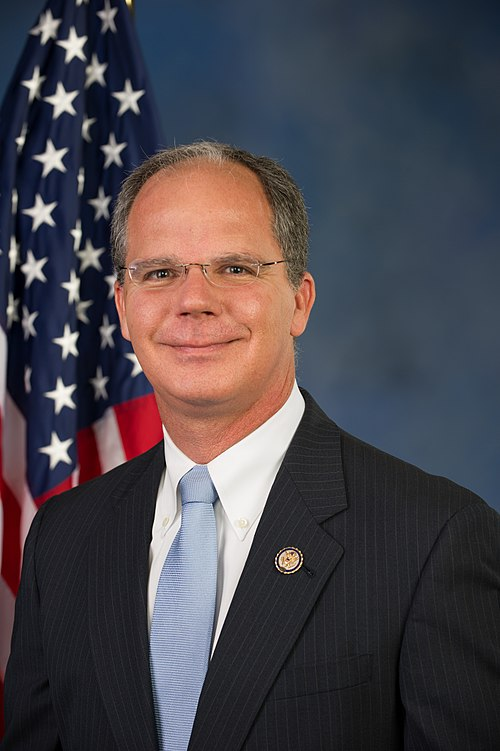
Co-Sponsor
-
TrackAbraham Hamadeh
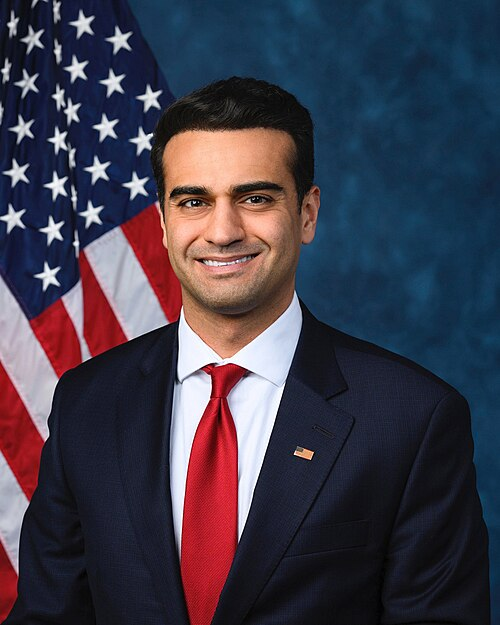
Co-Sponsor
-
TrackMike Haridopolos
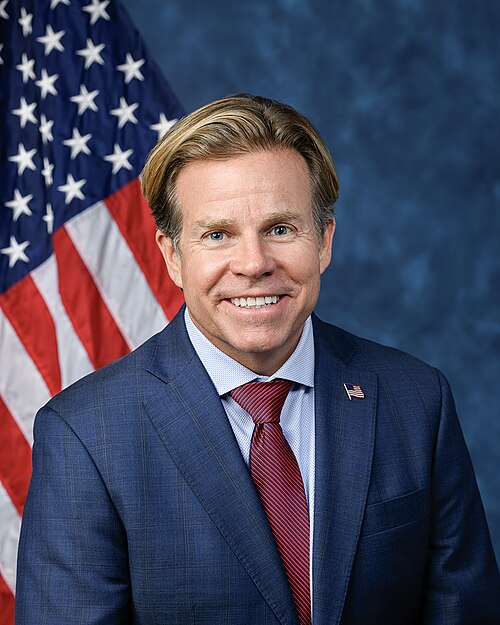
Co-Sponsor
-
TrackPat Harrigan
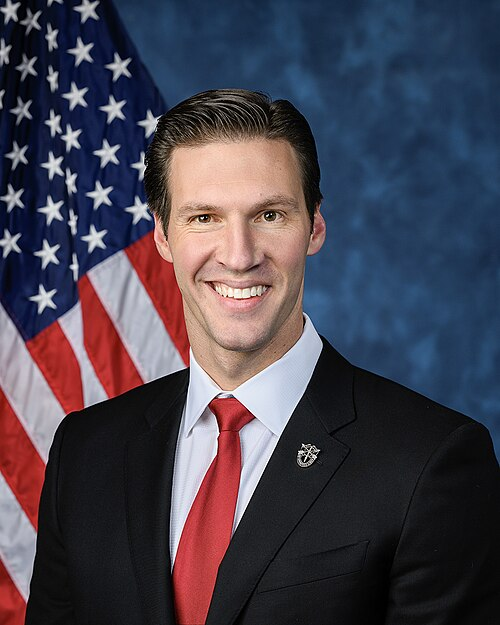
Co-Sponsor
-
TrackKevin Hern
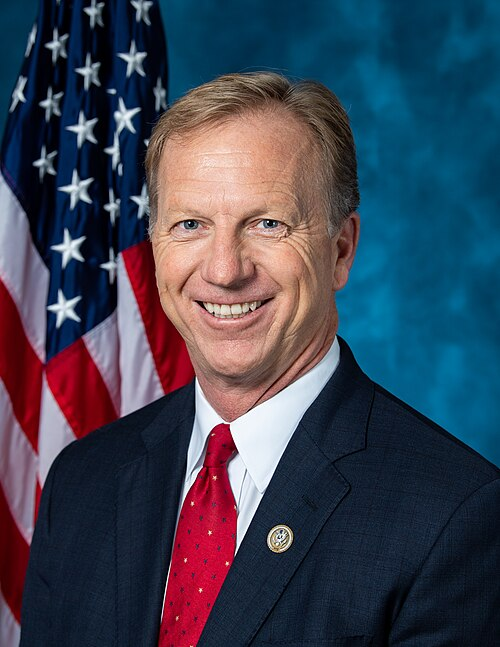
Co-Sponsor
-
TrackJ. French Hill
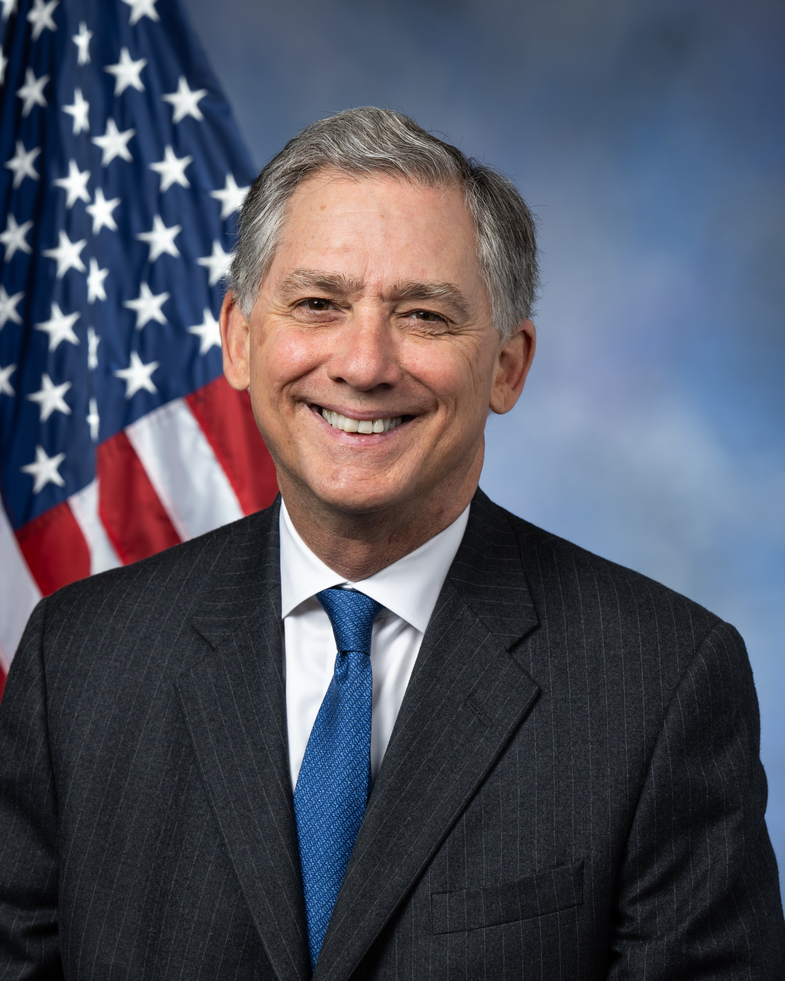
Co-Sponsor
-
TrackAshley Hinson
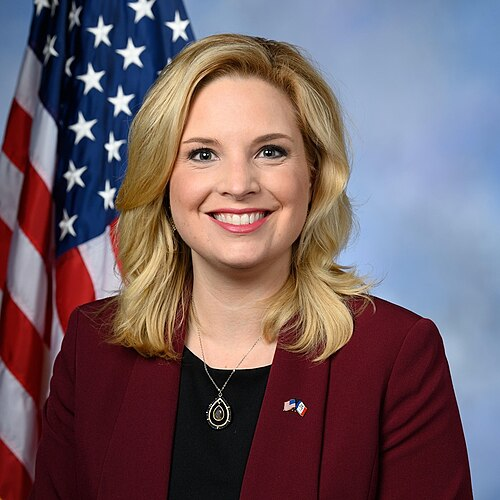
Co-Sponsor
-
TrackErin Houchin
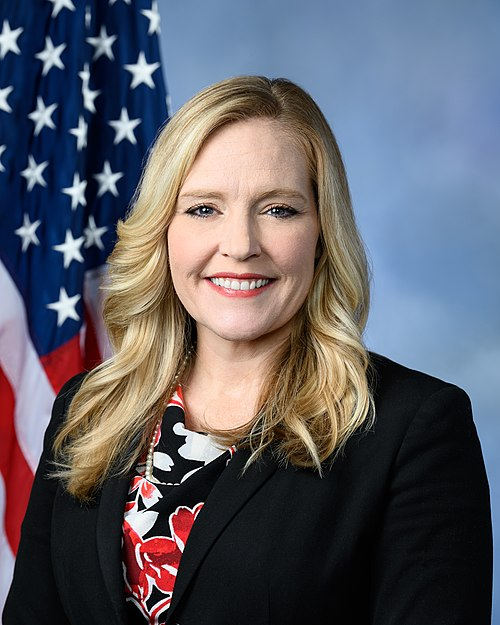
Co-Sponsor
-
TrackRichard Hudson
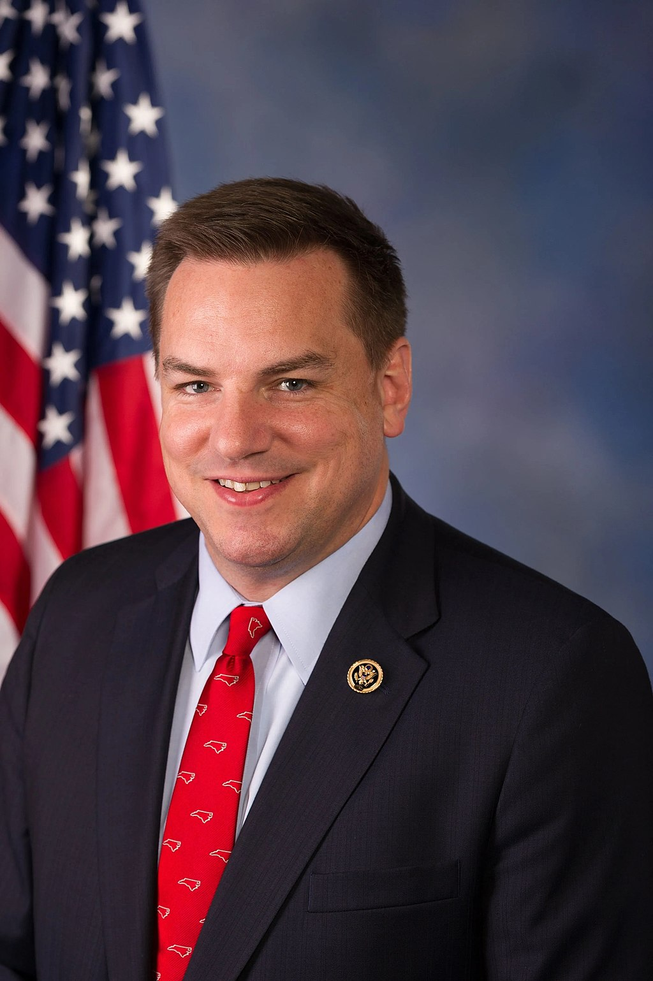
Co-Sponsor
-
TrackBill Huizenga
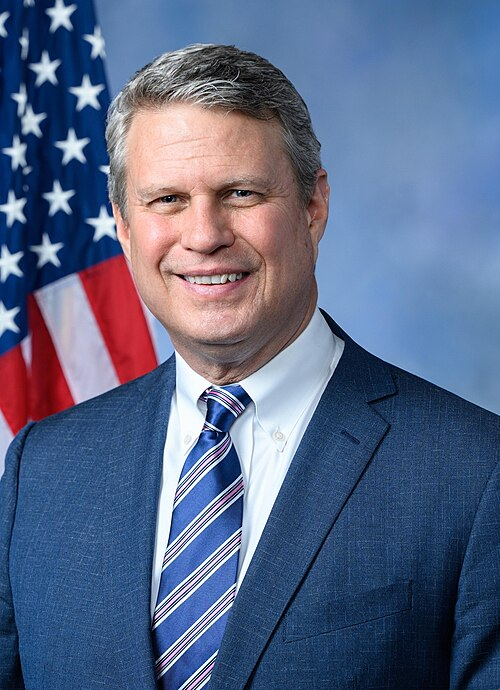
Co-Sponsor
-
TrackJeff Hurd

Co-Sponsor
-
TrackJohn James
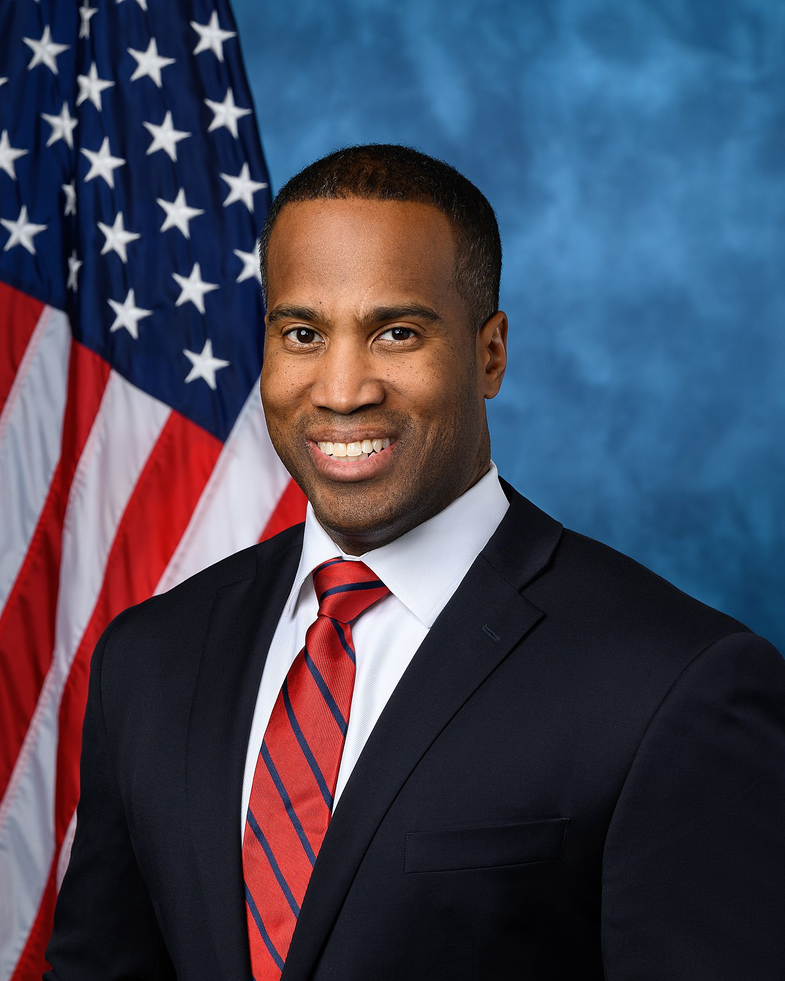
Co-Sponsor
-
TrackJim Jordan
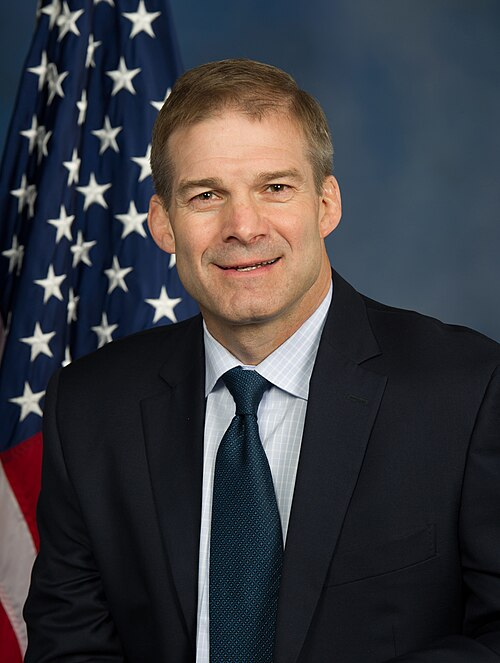
Co-Sponsor
-
TrackJohn Joyce
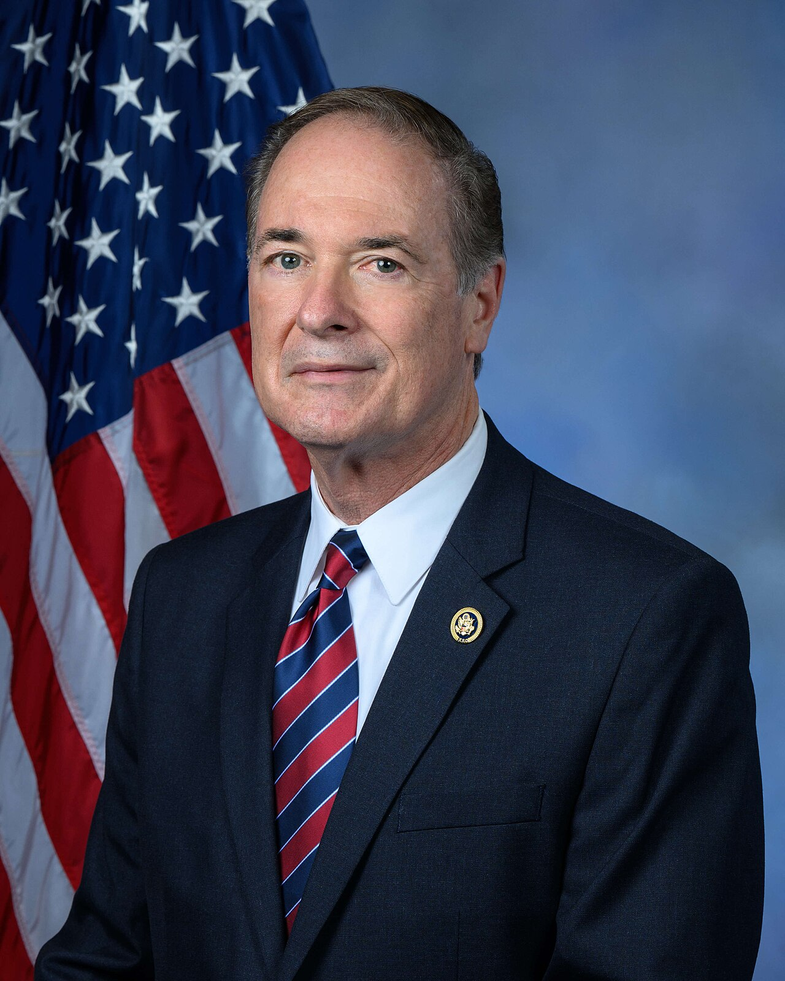
Co-Sponsor
-
TrackMike Kelly
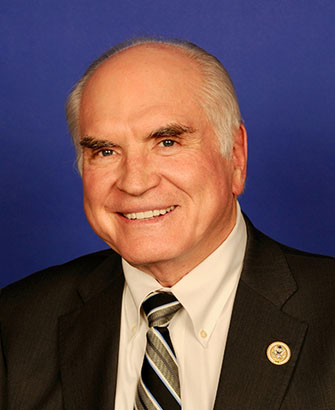
Co-Sponsor
-
TrackKevin Kiley
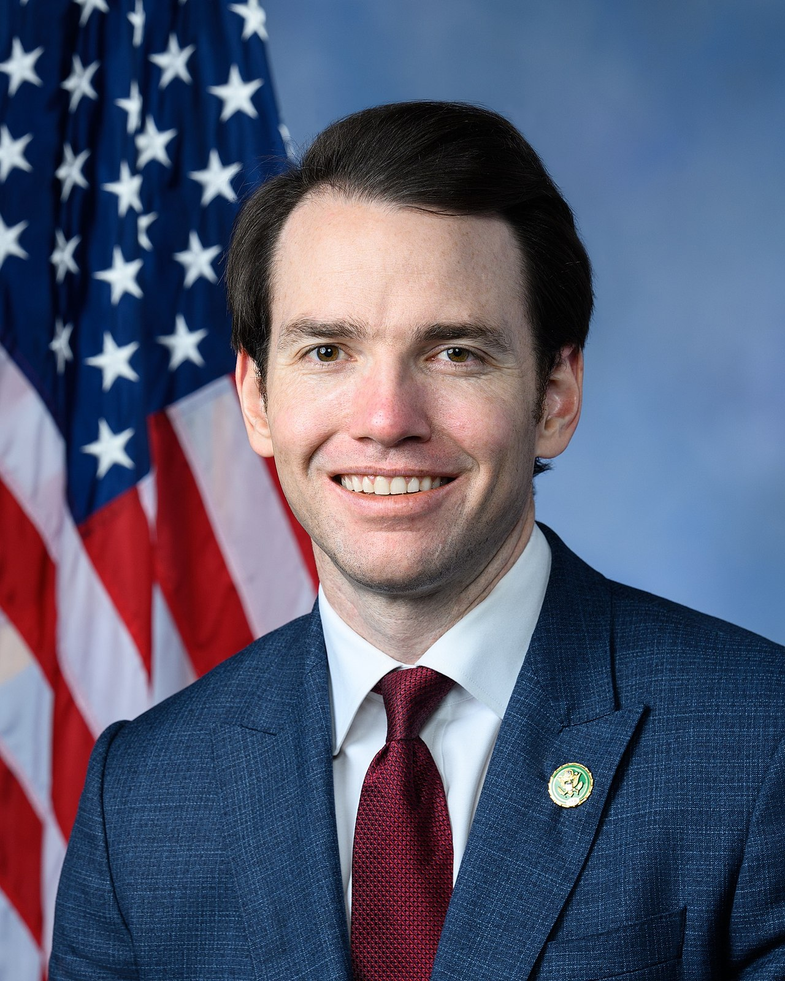
Co-Sponsor
-
TrackYoung Kim

Co-Sponsor
-
TrackDavid Kustoff
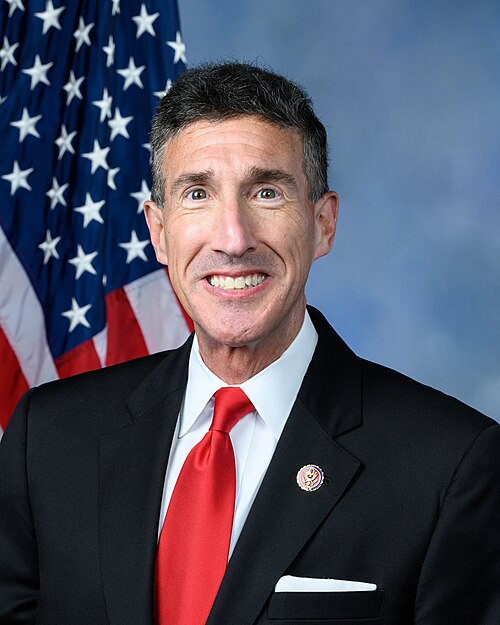
Co-Sponsor
-
TrackDarin LaHood
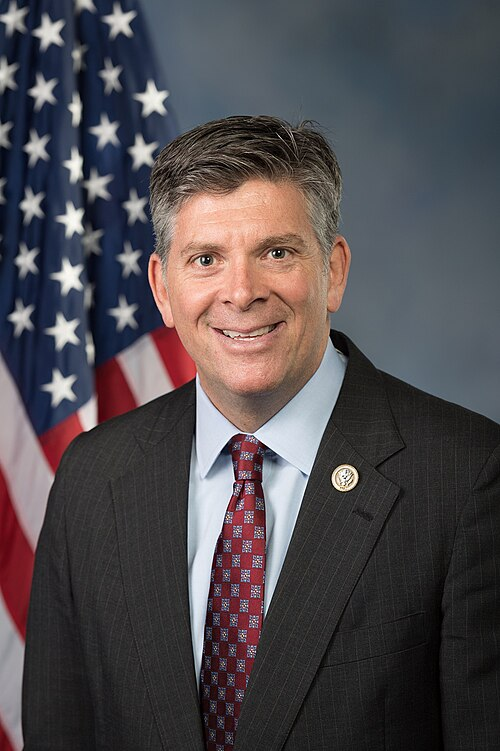
Co-Sponsor
-
TrackNick LaLota
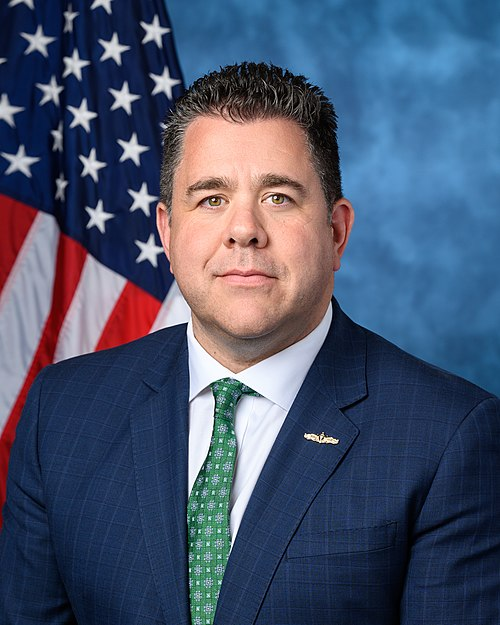
Co-Sponsor
-
TrackNicholas A. Langworthy
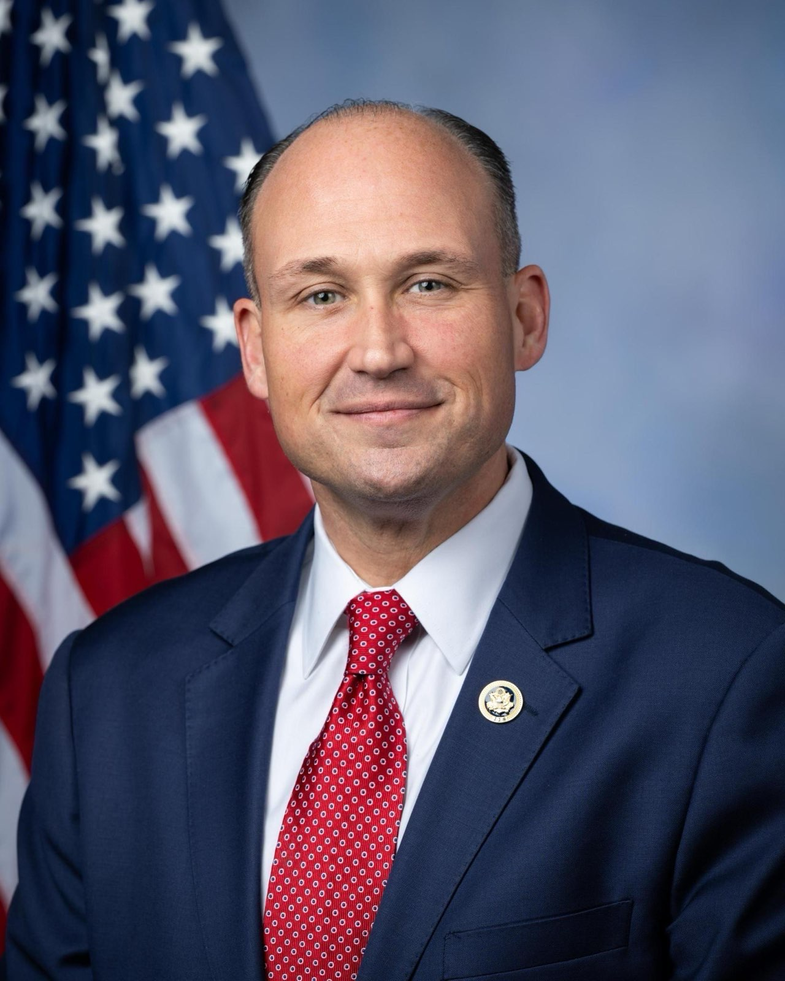
Co-Sponsor
-
TrackMichael Lawler
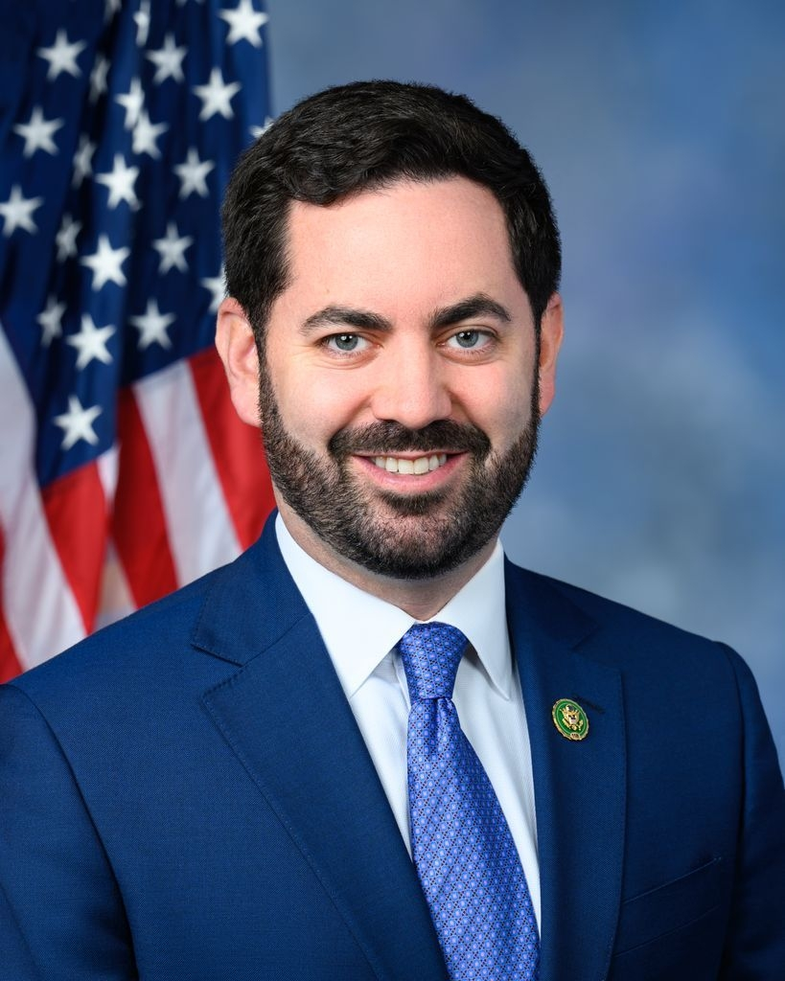
Co-Sponsor
-
TrackLaurel M. Lee
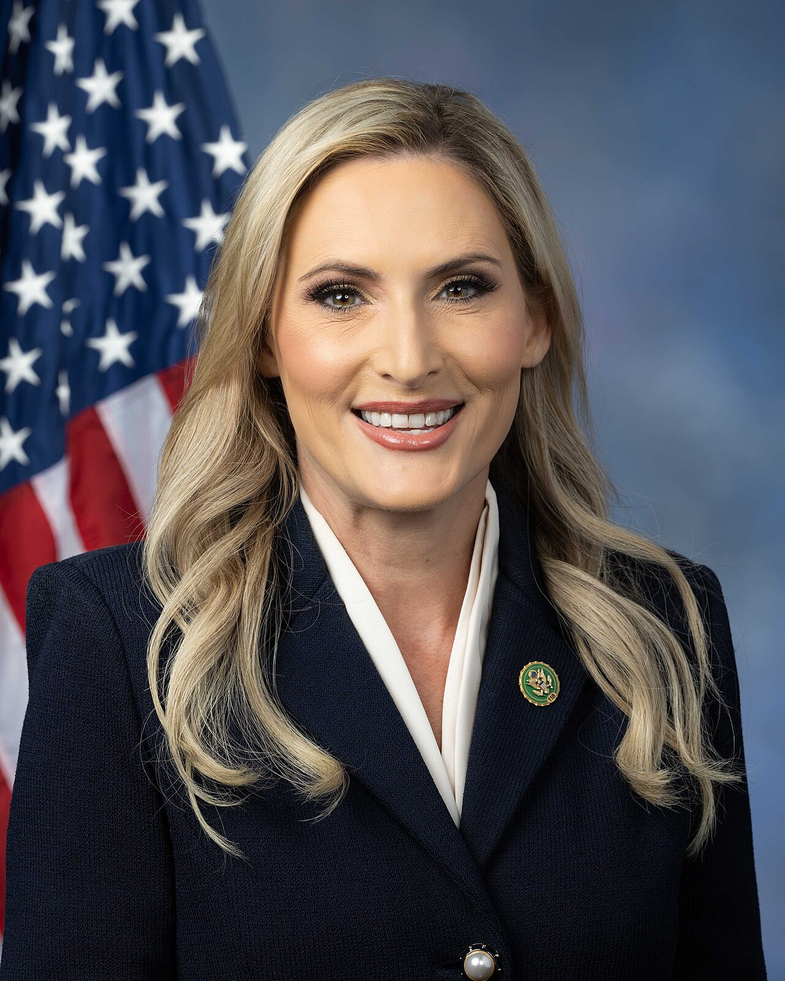
Co-Sponsor
-
TrackJulia Letlow

Co-Sponsor
-
TrackNancy Mace
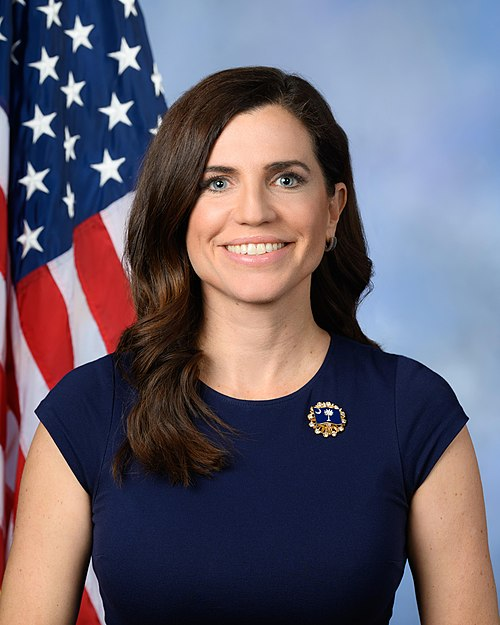
Co-Sponsor
-
TrackRyan Mackenzie
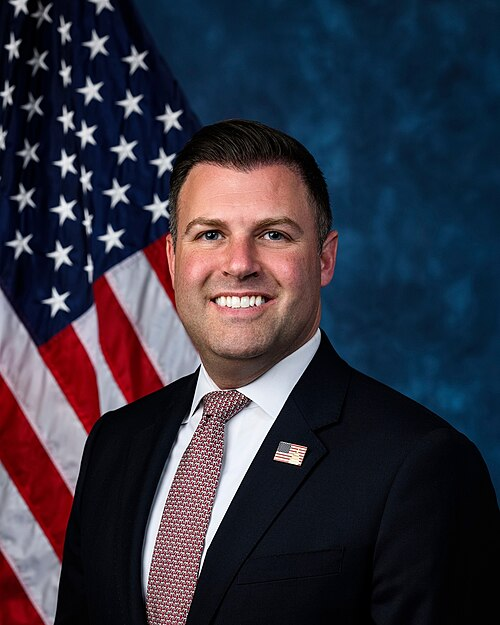
Co-Sponsor
-
TrackNicole Malliotakis
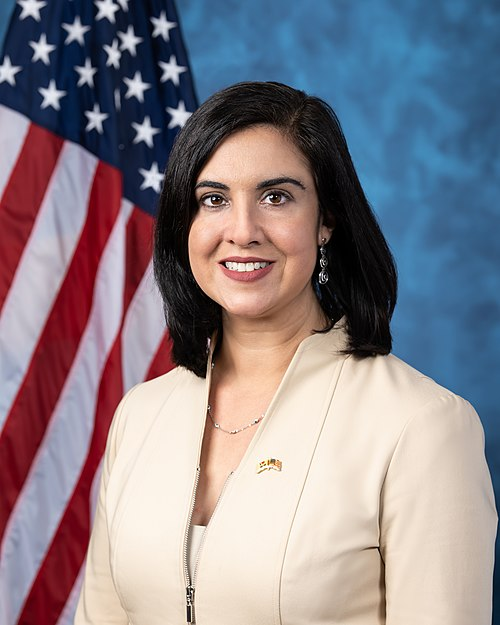
Co-Sponsor
-
TrackTracey Mann
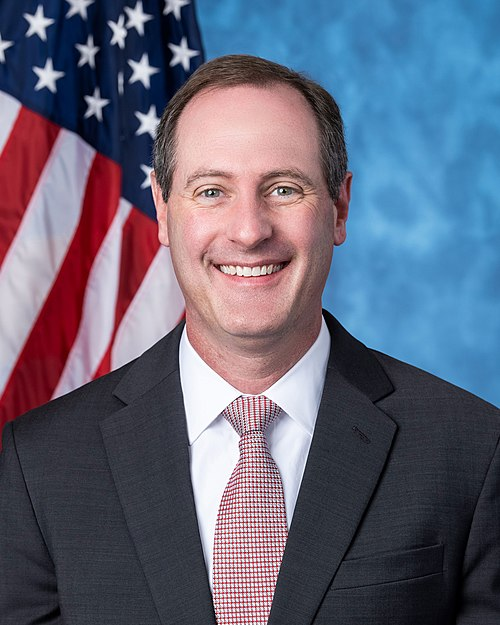
Co-Sponsor
-
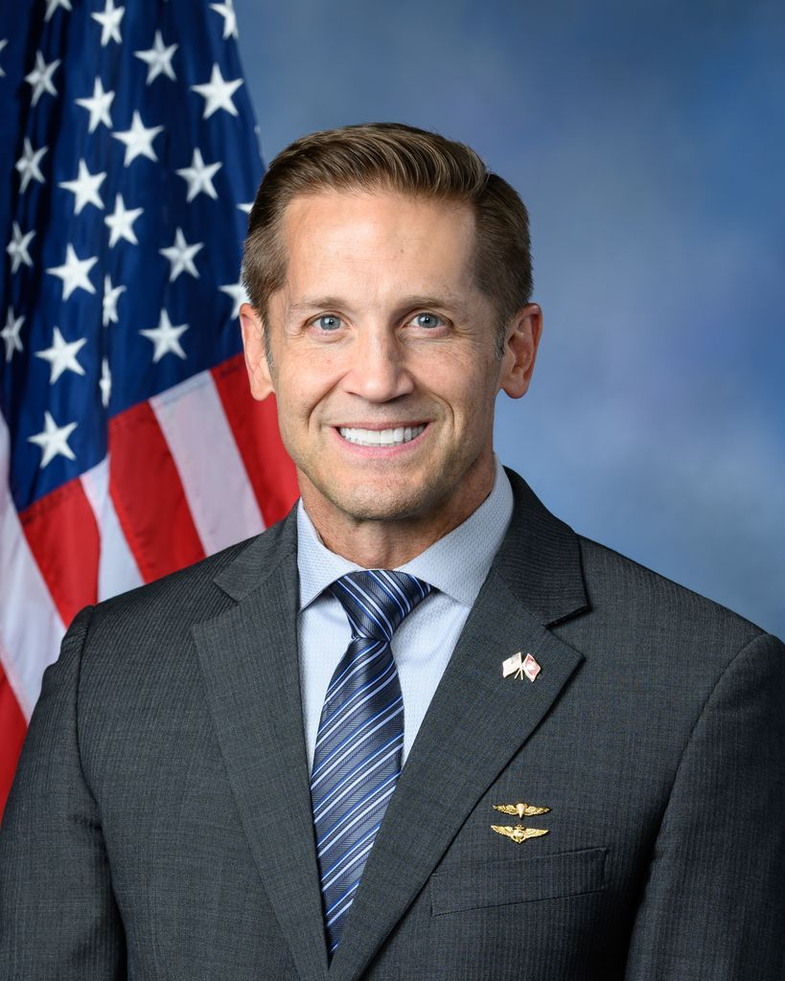
TrackRichard McCormick
Co-Sponsor
-
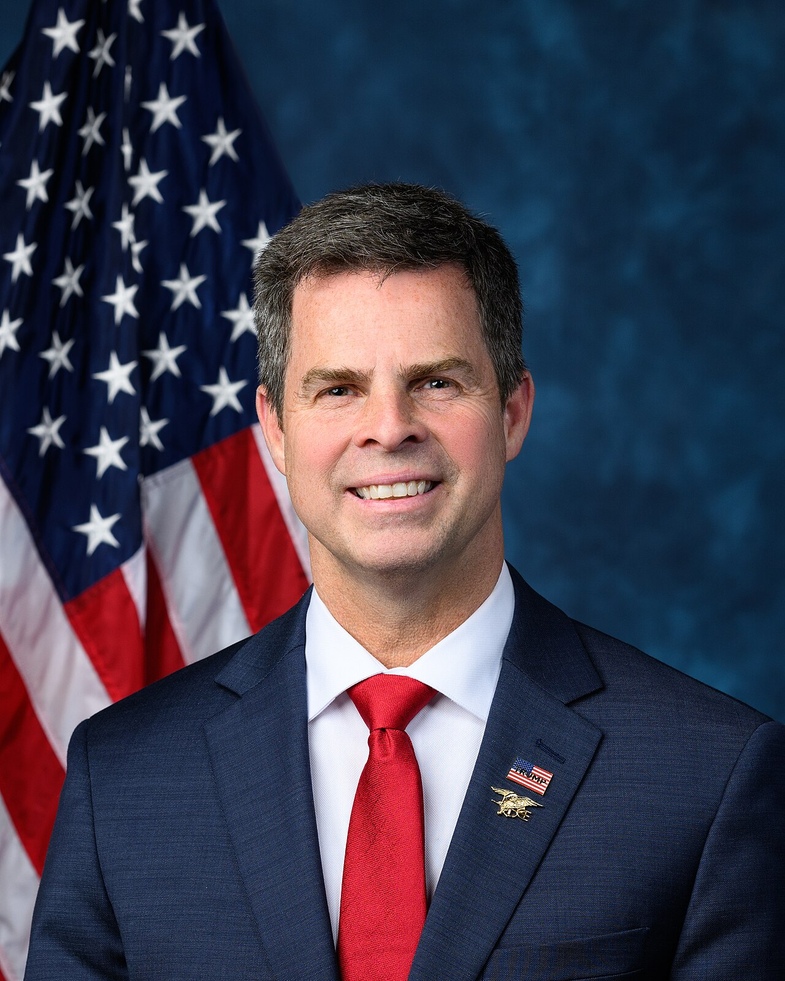
TrackJohn McGuire
Co-Sponsor
-
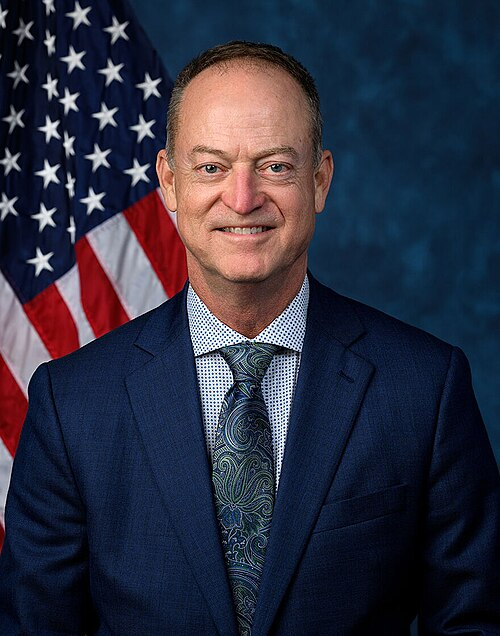
TrackMark Messmer
Co-Sponsor
-
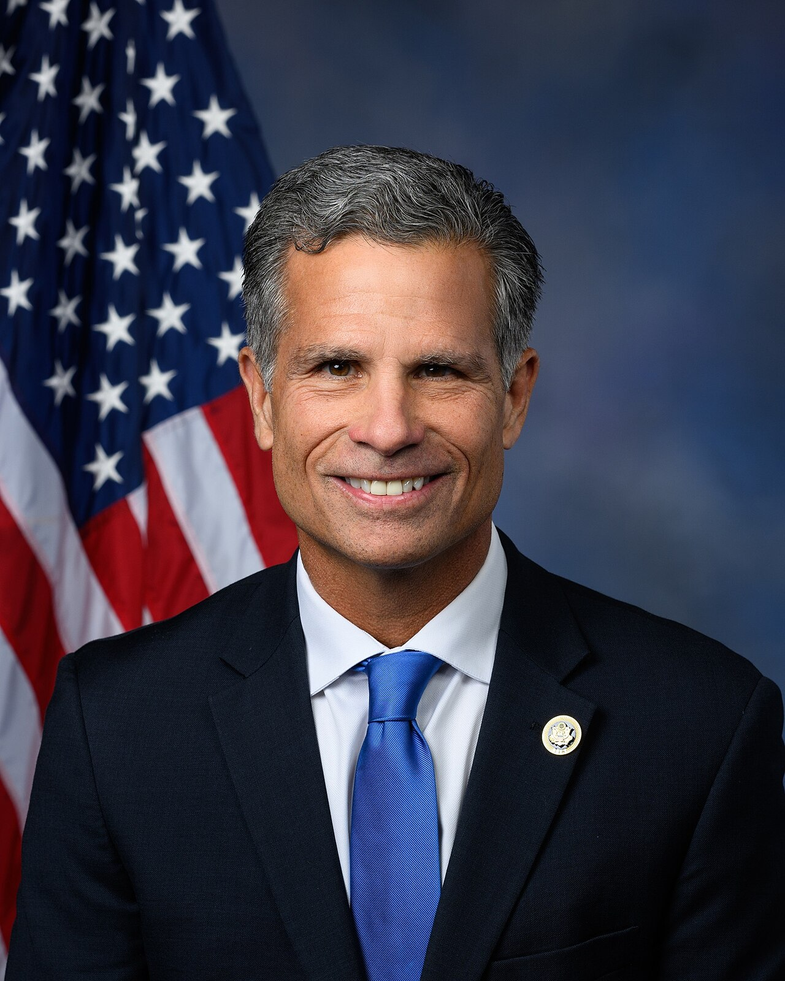
TrackDaniel Meuser
Co-Sponsor
-
TrackMary E. Miller

Co-Sponsor
-
TrackMax L. Miller
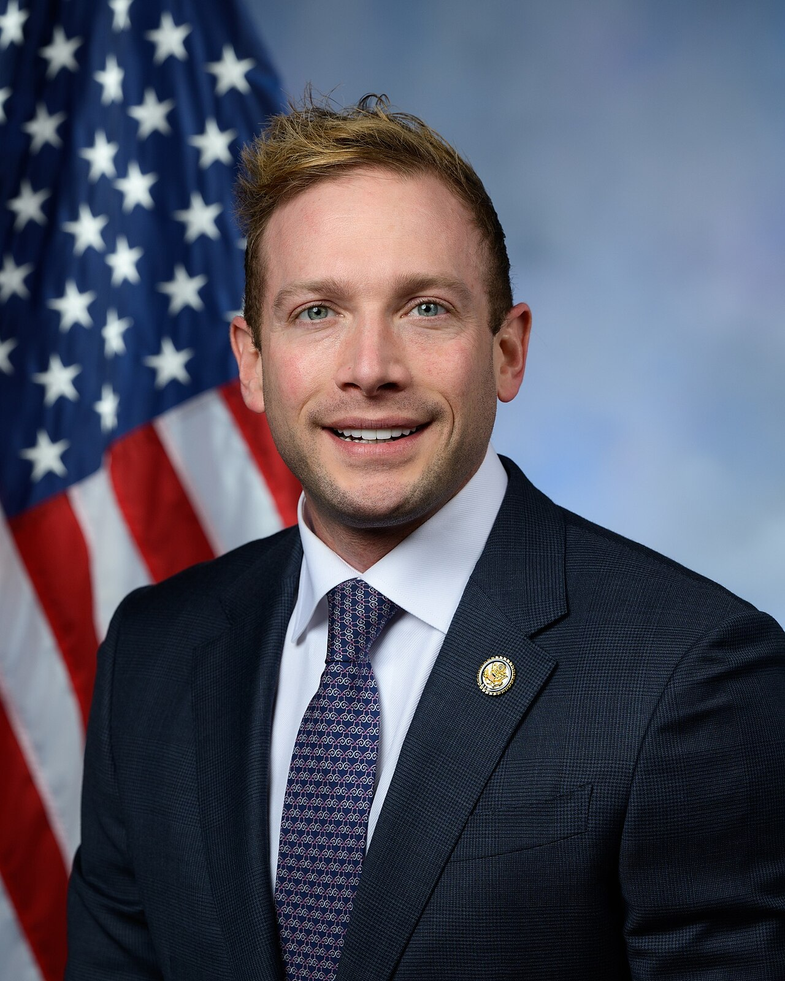
Co-Sponsor
-
TrackMariannette Miller-Meeks
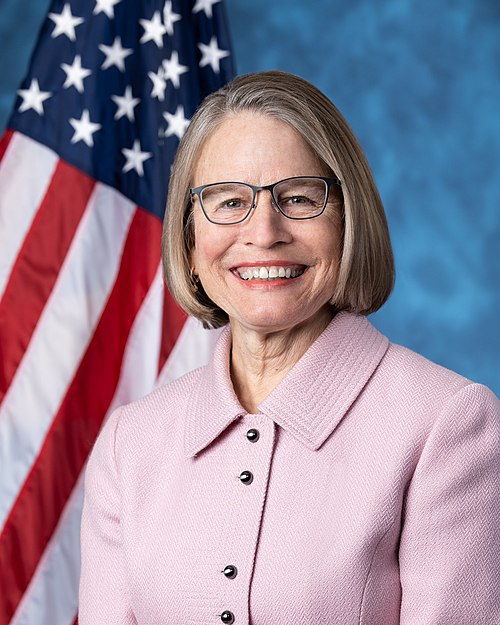
Co-Sponsor
-
TrackJohn R. Moolenaar
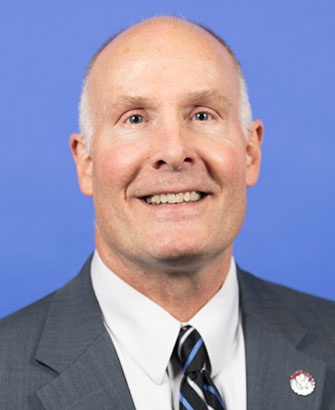
Co-Sponsor
-
TrackTim Moore
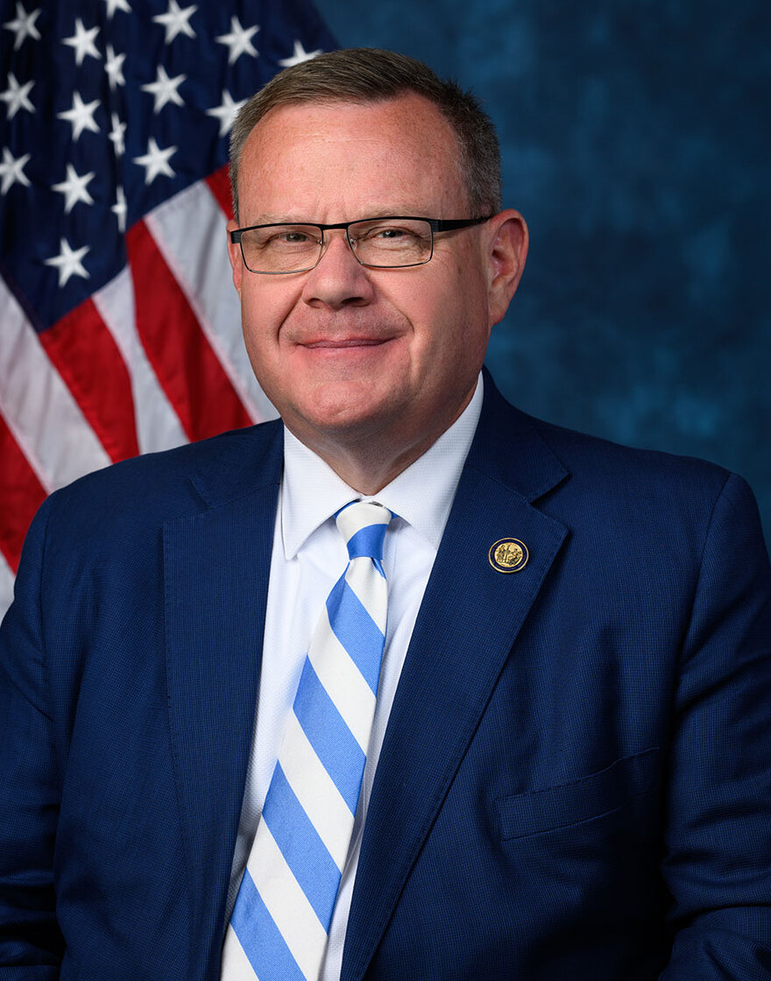
Co-Sponsor
-
TrackBlake D. Moore
Co-Sponsor
-
TrackNathaniel Moran

Co-Sponsor
-
TrackGregory F. Murphy
Co-Sponsor
-
TrackRobert Onder
Co-Sponsor
-
TrackBurgess Owens
Co-Sponsor
-
TrackGary J. Palmer
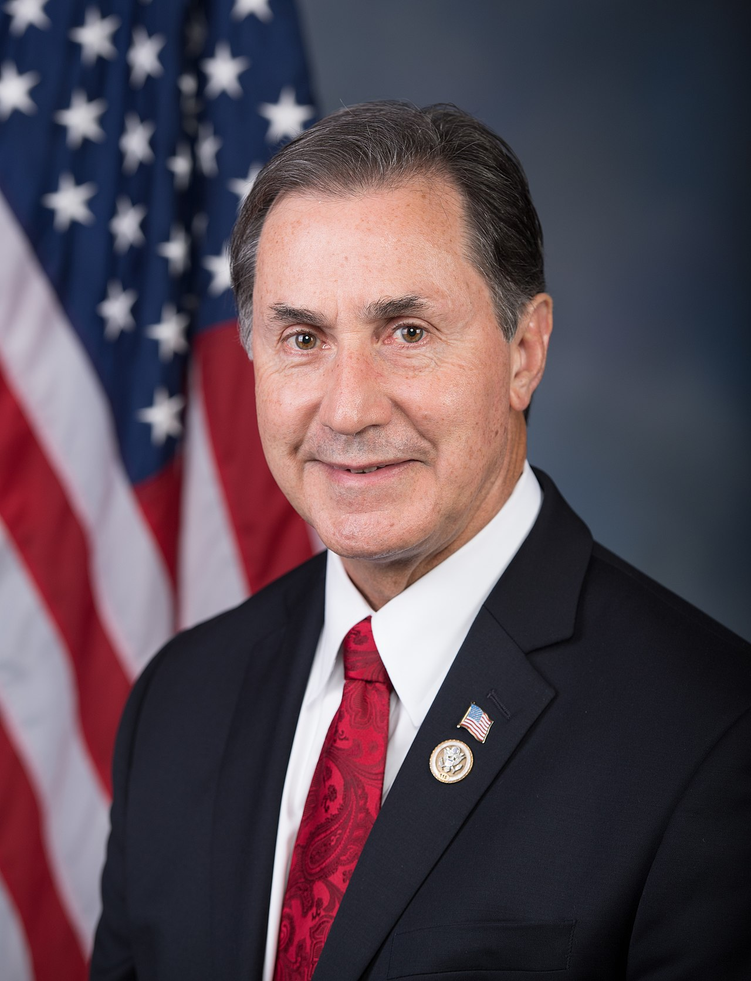
Co-Sponsor
-
TrackJohn W. Rose
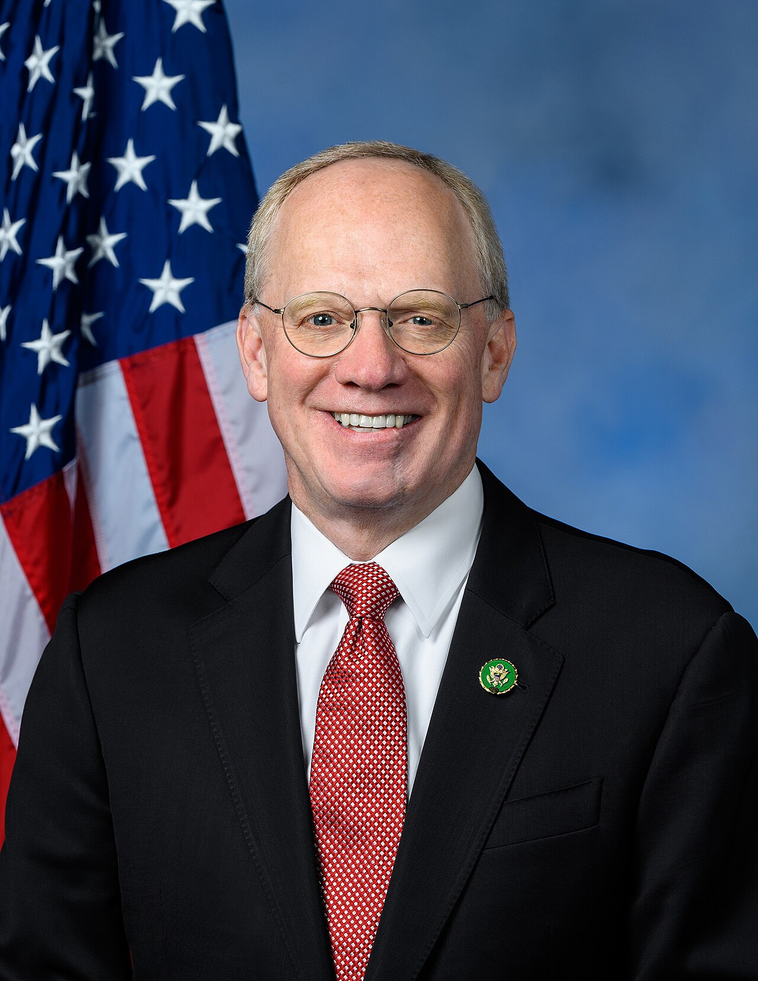
Co-Sponsor
-
TrackDavid Rouzer
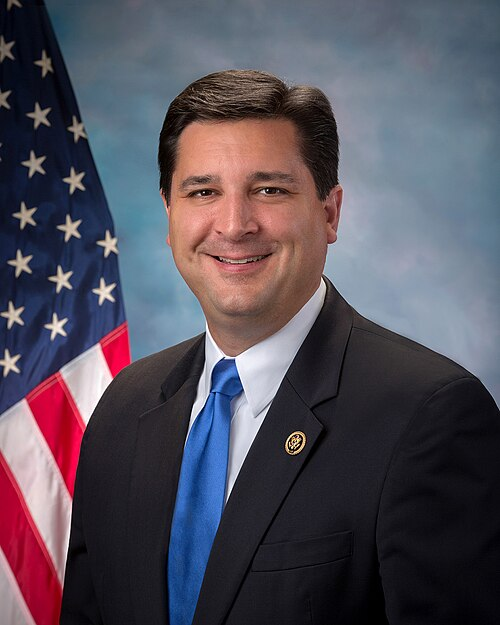
Co-Sponsor
-
TrackMichael A. Rulli

Co-Sponsor
-
TrackJohn H. Rutherford
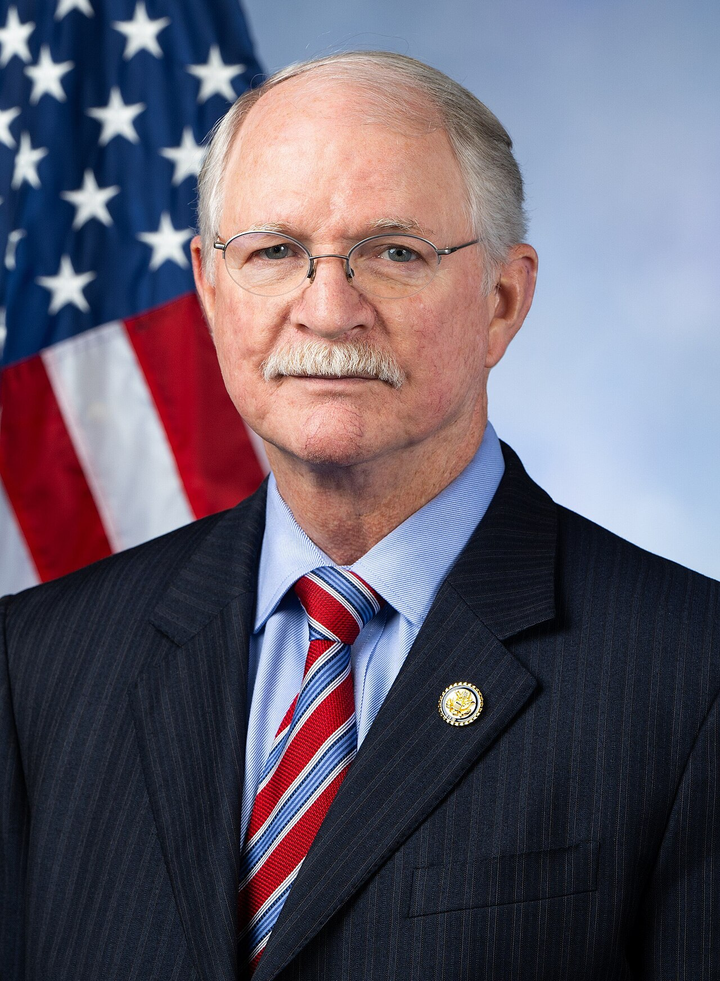
Co-Sponsor
-
TrackMaria Elvira Salazar
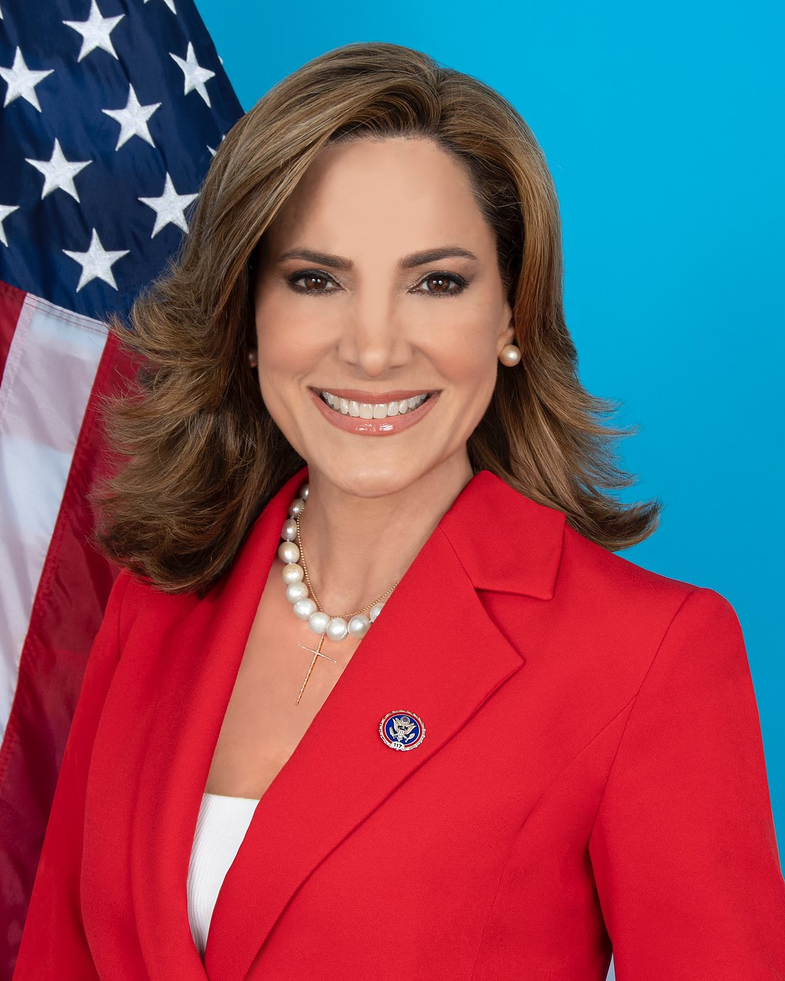
Co-Sponsor
-
TrackPete Sessions
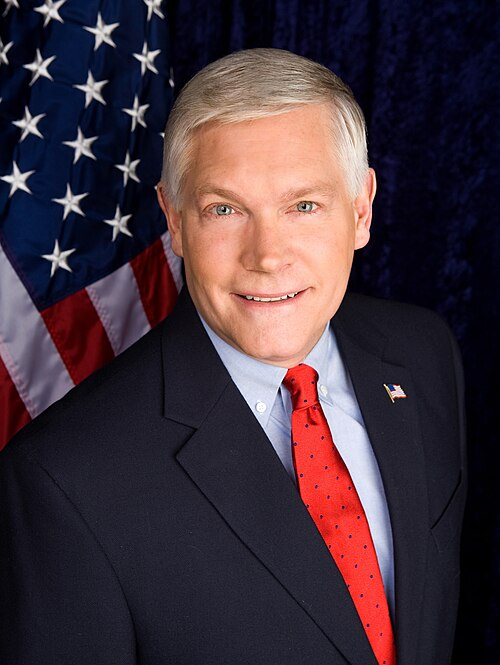
Co-Sponsor
-
TrackChristopher H. Smith
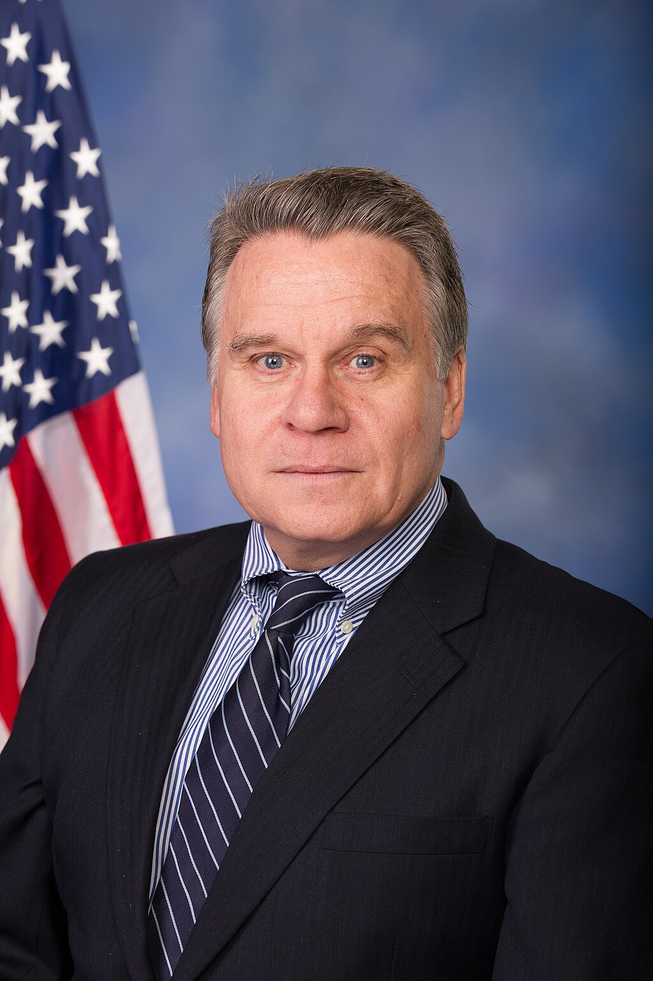
Co-Sponsor
-
TrackLloyd Smucker
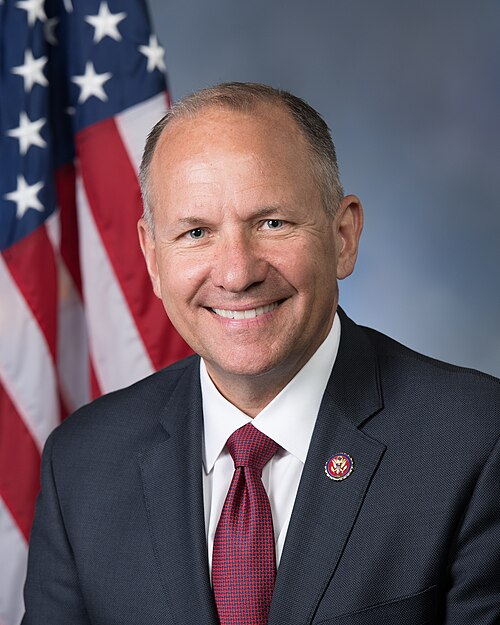
Co-Sponsor
-
TrackPete Stauber
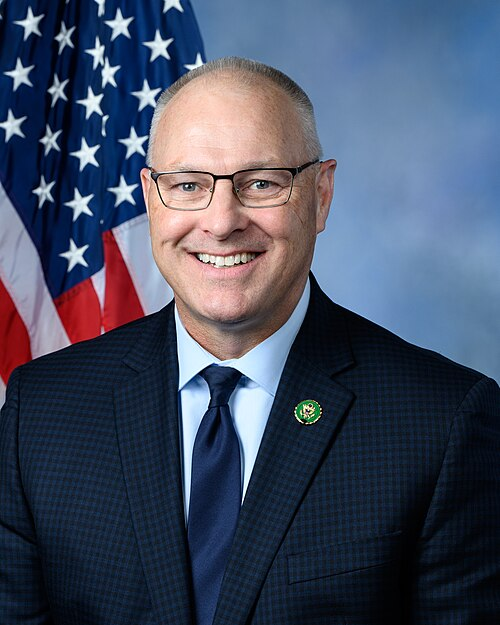
Co-Sponsor
-
TrackElise M. Stefanik
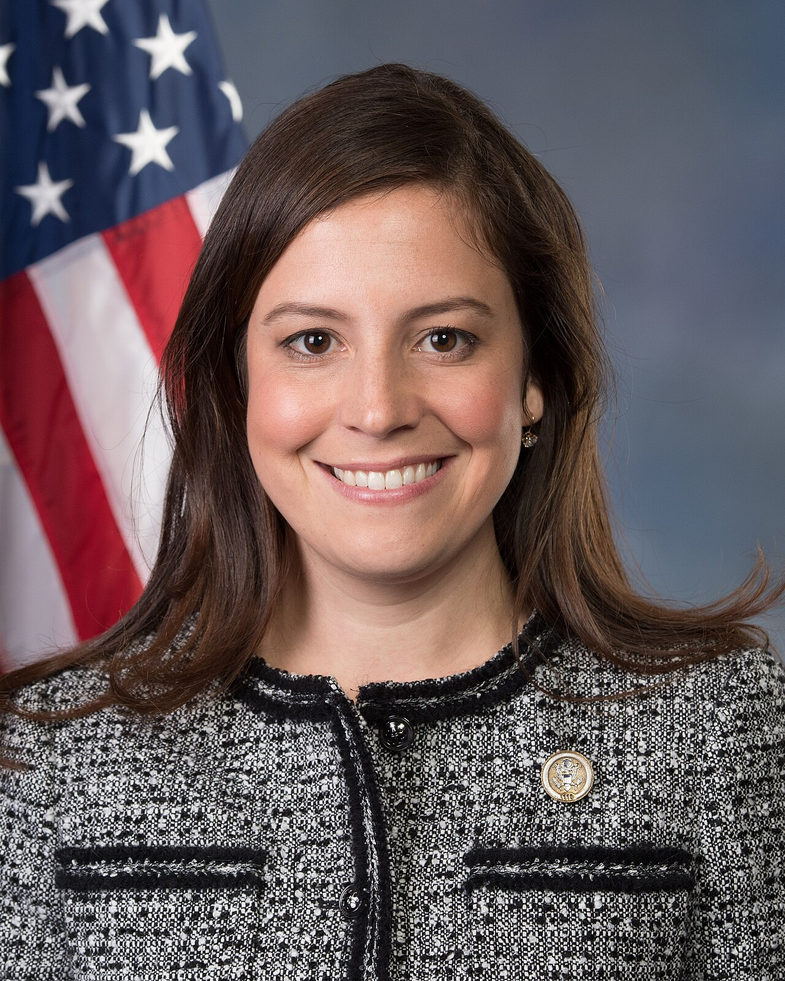
Co-Sponsor
-
TrackBryan Steil
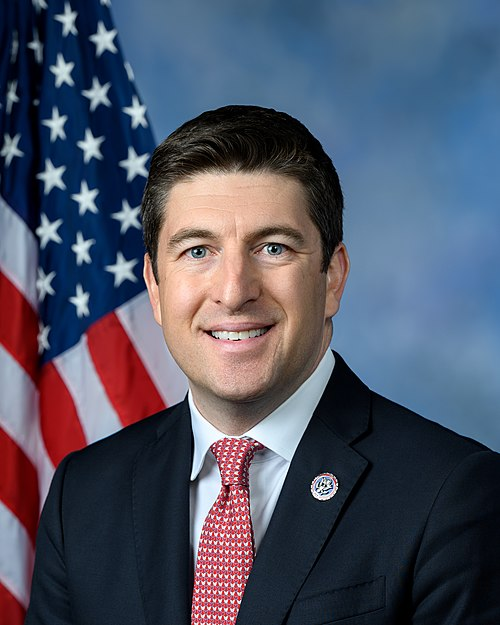
Co-Sponsor
-
TrackClaudia Tenney
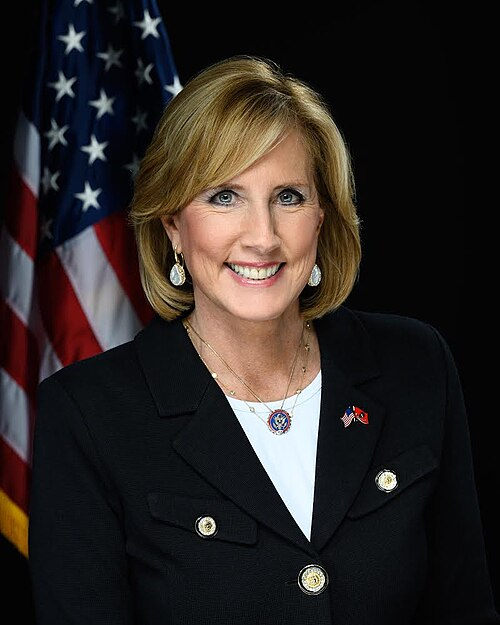
Co-Sponsor
-
TrackThomas P. Tiffany
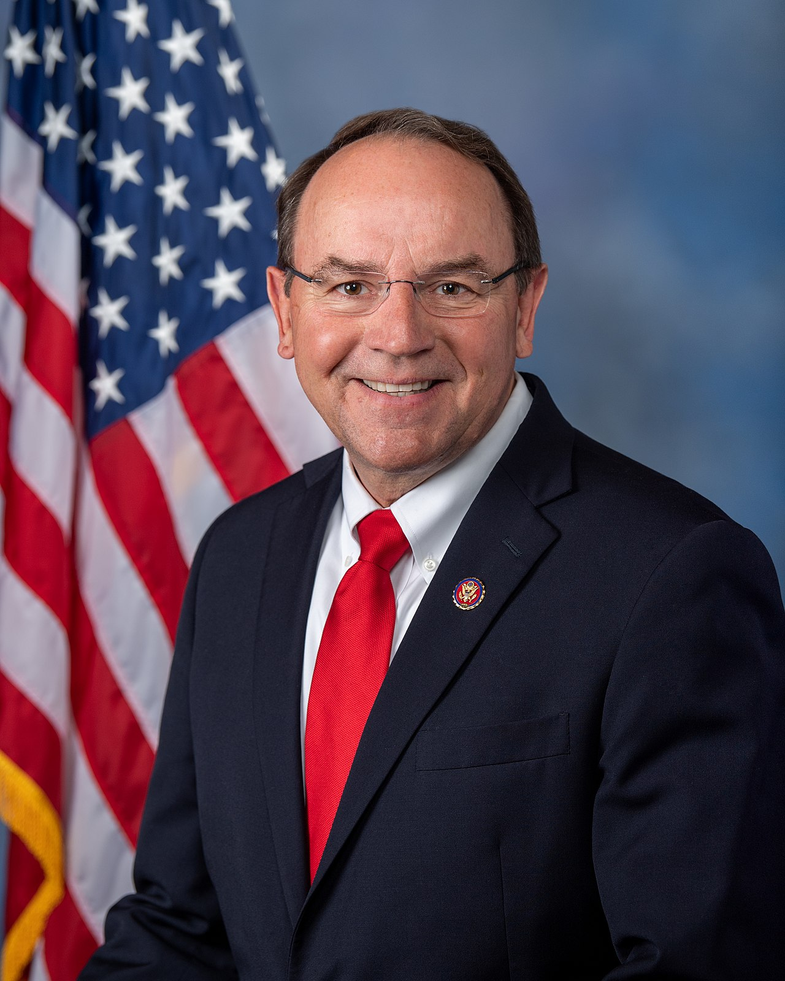
Co-Sponsor
-
TrackWilliam R. Timmons IV
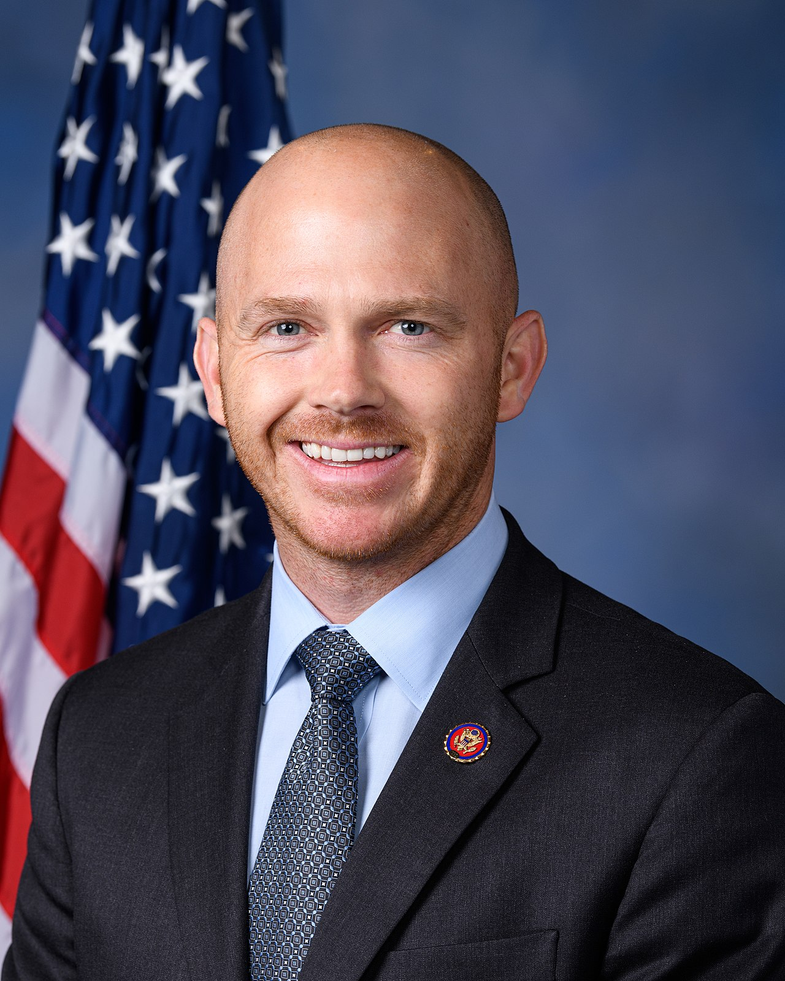
Co-Sponsor
-
TrackMichael R. Turner
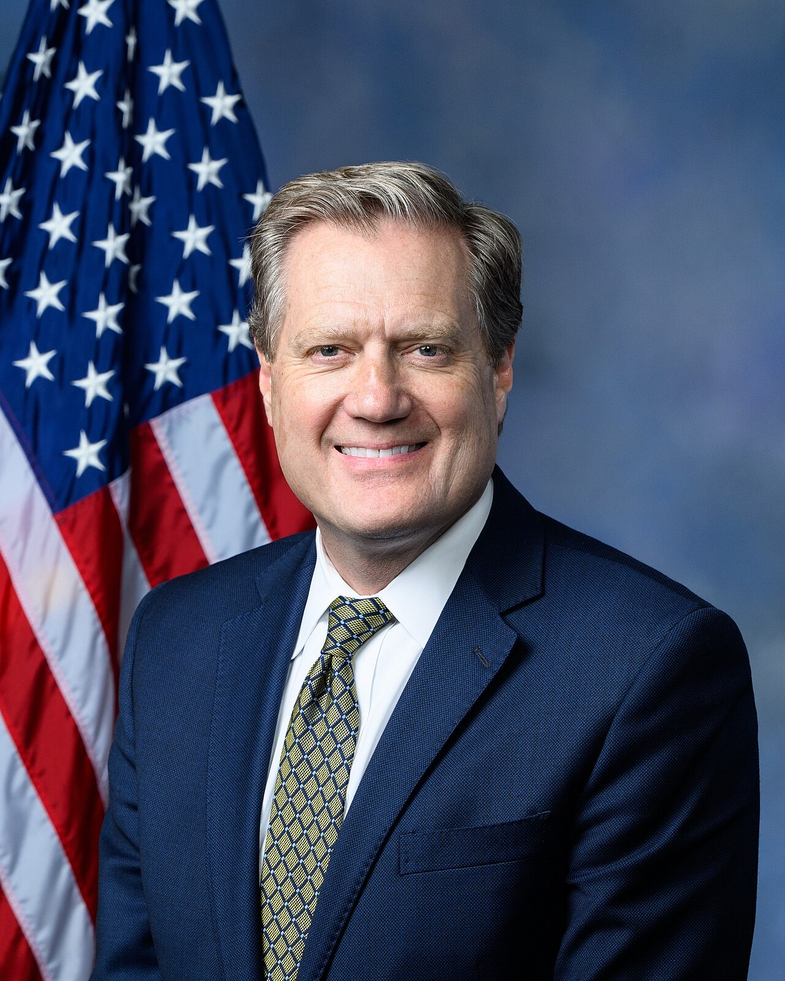
Co-Sponsor
-
TrackAnn Wagner
Co-Sponsor
-
TrackTim Walberg
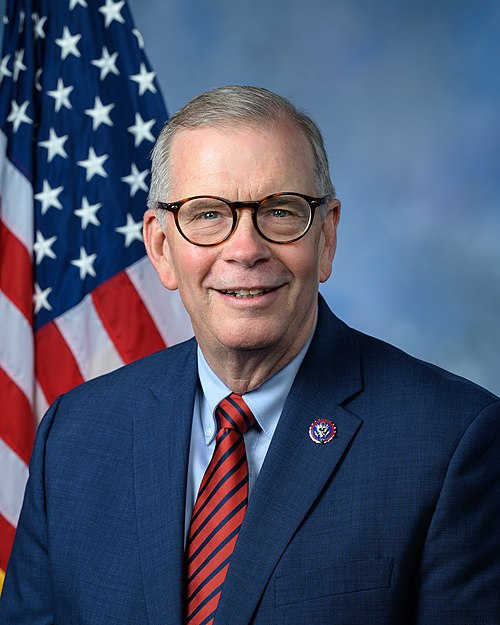
Co-Sponsor
-
TrackRandy K. Weber, Sr.
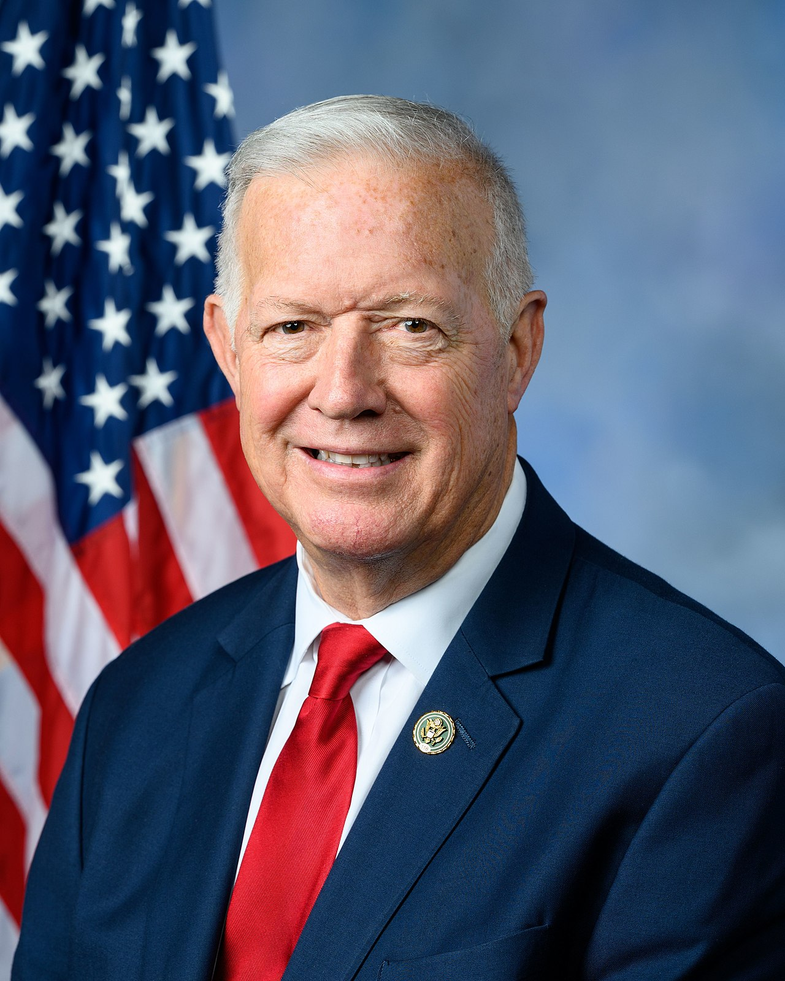
Co-Sponsor
-
TrackDaniel Webster
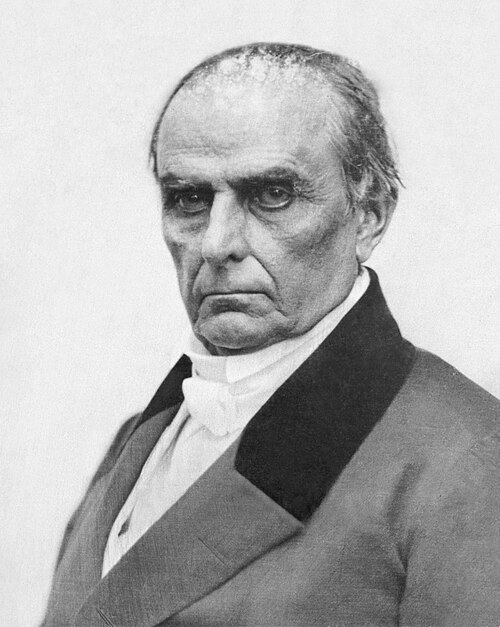
Co-Sponsor
-
TrackJoe Wilson
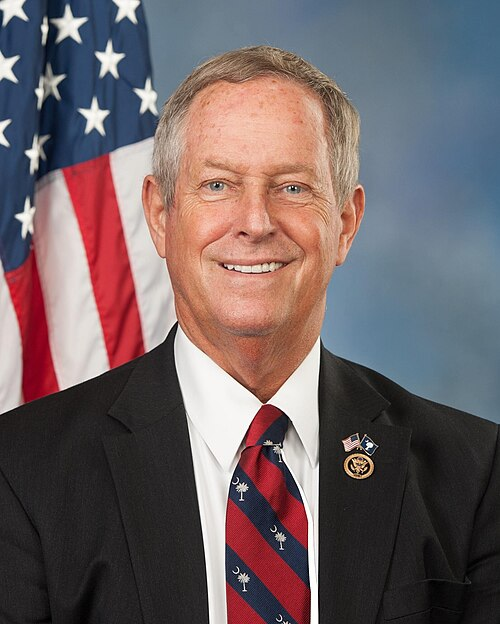
Co-Sponsor
-
TrackRudy Yakym III
Co-Sponsor
Actions
2 actions
| Date | Action |
|---|---|
| Jan. 31, 2025 | Introduced in House |
| Jan. 31, 2025 | Referred to the Committee on Ways and Means, and in addition to the Committee on Education and Workforce, for a period to be subsequently determined by the Speaker, in each case for consideration of such provisions as fall within the jurisdiction of the committee concerned. |
Corporate Lobbying
0 companies lobbying
None found.
* Note that there can be significant delays in lobbying disclosures, and our data may be incomplete.
Potentially Relevant Congressional Stock Trades
No relevant congressional stock trades found.