H.R. 8320: USA 6G Global Leadership Act
The bill titled "USA 6G Global Leadership Act" aims to enhance the United States' position in global telecommunications by focusing on the development and implementation of 6G technology. Here is a summary of the key provisions of the bill:
National Security and Economic Interests
The bill acknowledges that the U.S. has significant interests in achieving global leadership in 6G technology. It emphasizes the importance of competing with other countries, particularly China, which is viewed as using aggressive tactics to advance its telecommunications capabilities.
Role of the Ambassador for Cyberspace and Digital Policy
The bill designates the Ambassador at Large for Cyberspace and Digital Policy with specific responsibilities relating to two major international conferences: the Plenipotentiary Conference of the International Telecommunications Union (ITU) and the World Radiocommunication Conference. The Ambassador's duties will include:
- Coordinating U.S. diplomatic efforts related to these conferences.
- Promoting candidates for the ITU leadership who align with U.S. interests.
- Engaging with private sector entities to incorporate their views in ITU discussions.
- Providing regular updates to Congress on developments leading to these conferences.
Reporting Requirements
The Secretary of State is required to submit a report within 90 days after the bill's enactment regarding actions taken by China and Russia to influence international standards and policies that may limit digital freedoms. This report will cover:
- The ways these countries may attempt to change ITU policies.
- The impact of their private sectors in developing countries.
- Any advantages gained through China or Russian nationals in leadership positions at the ITU.
Project Assistance
The bill tasks the Secretary of State with carrying out projects that bolster U.S. leadership in telecommunications infrastructure globally. The projects will prioritize:
- Enhancing connectivity with trusted vendors in developing countries.
- Utilizing technology produced by U.S. companies or allied nations.
Forms of support for these projects could include development loans, direct investments, and early-stage project development assistance.
6G Technology Dominance Strategy
The Secretary of State must also create a detailed strategy for promoting and maintaining U.S. dominance in 6G technology. This strategy will assess:
- Collaboration with allied countries to lead in 6G networks.
- Cooperation with federal agencies and private sectors for diplomatic efforts in telecommunications standards.
- Effects on competition in emerging technologies like artificial intelligence.
Expiration of Provisions
The provisions set forth in this bill would expire after the conclusion of the World Radiocommunication Conference in 2027.
Relevant Companies
- T - AT&T Inc. - With significant investments in telecommunications infrastructure, AT&T may directly benefit from initiatives to promote U.S. technology globally.
- VZ - Verizon Communications Inc. - As a leading telecommunications provider, Verizon could be impacted by increased efforts to secure U.S. dominance in 6G technology.
- NOK - Nokia Corporation - This company is a key player in global telecommunications and may find opportunity in U.S. efforts to promote trusted vendors in developing markets.
This is an AI-generated summary of the bill text. There may be mistakes.
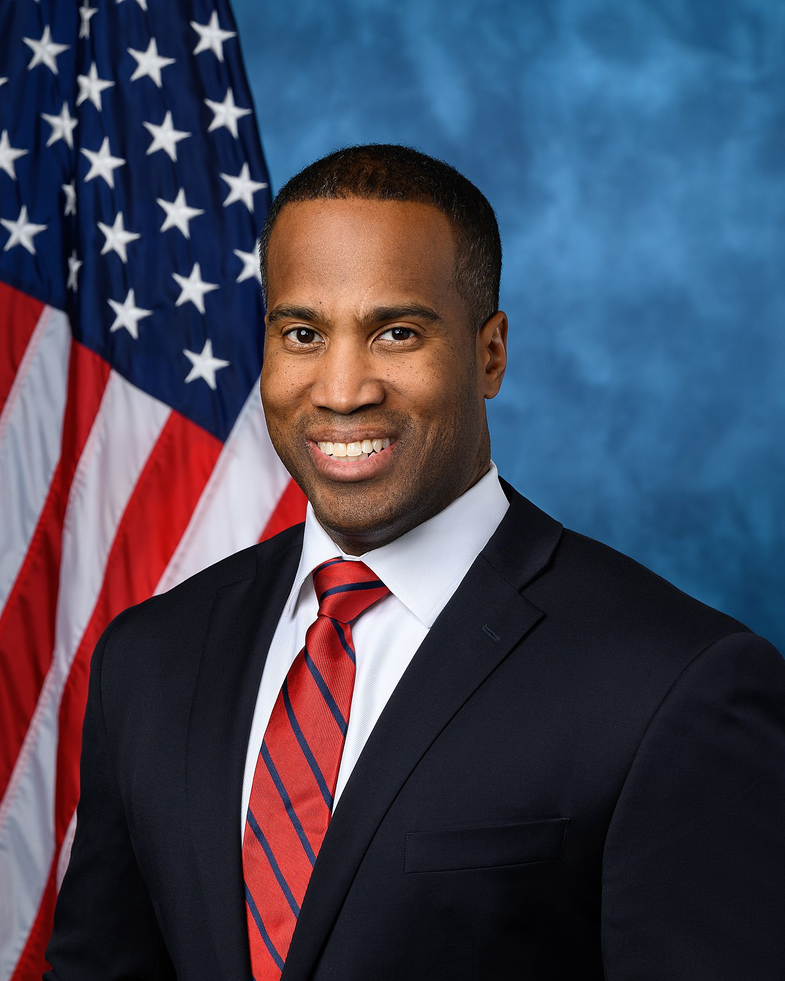
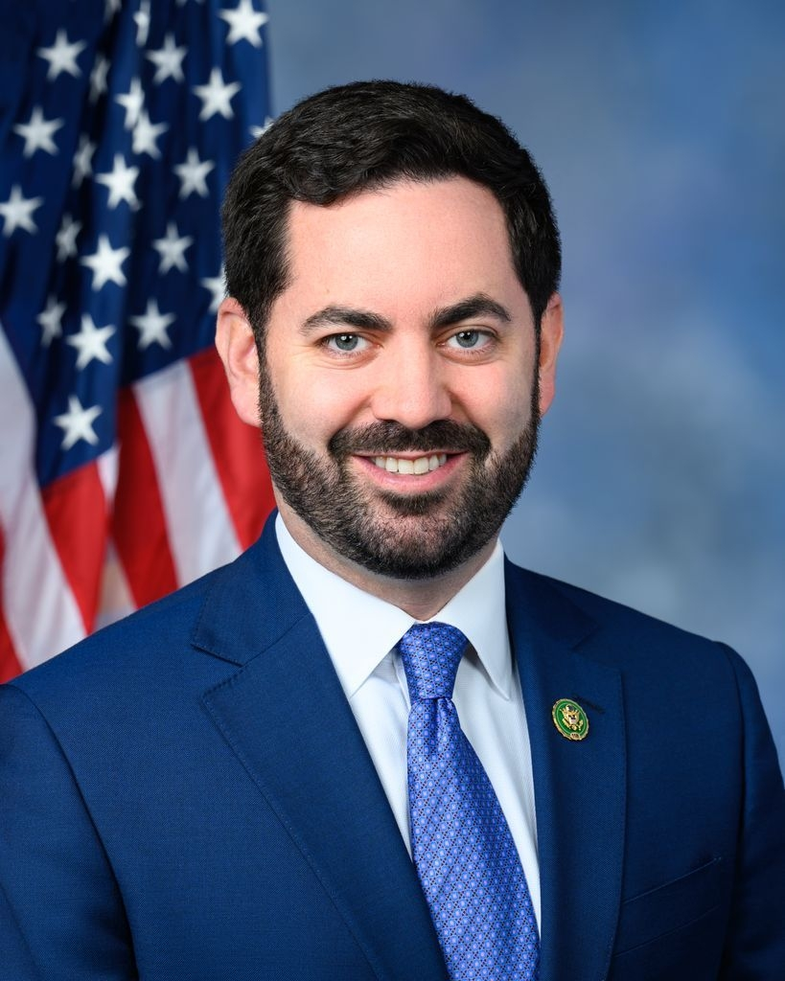
Sponsors
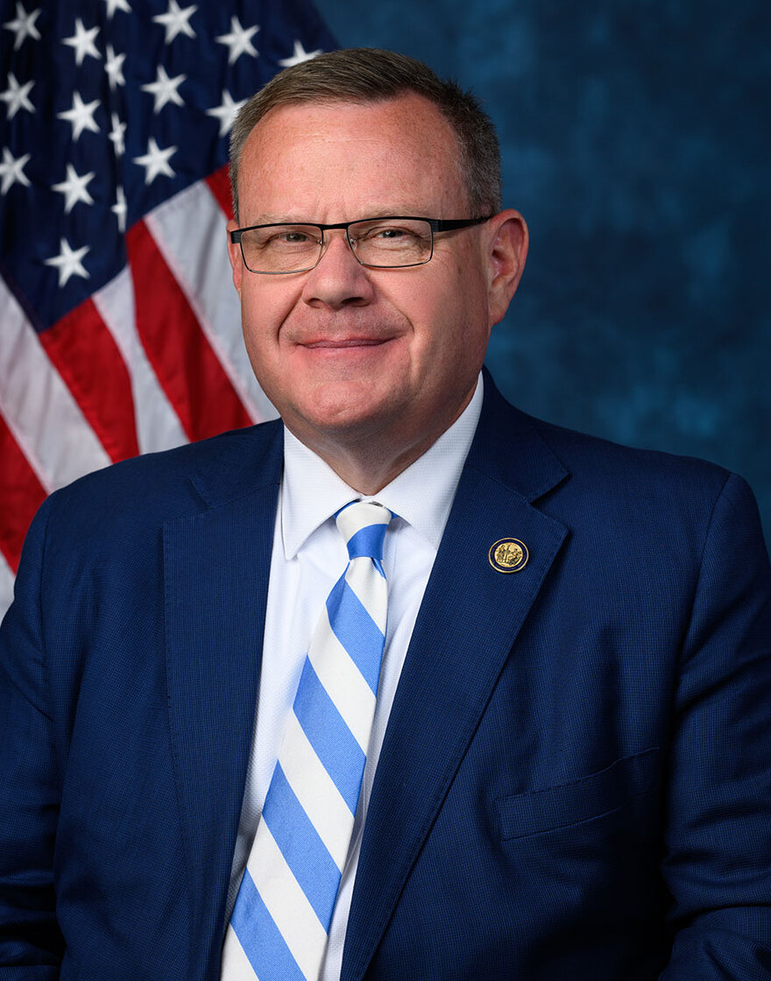
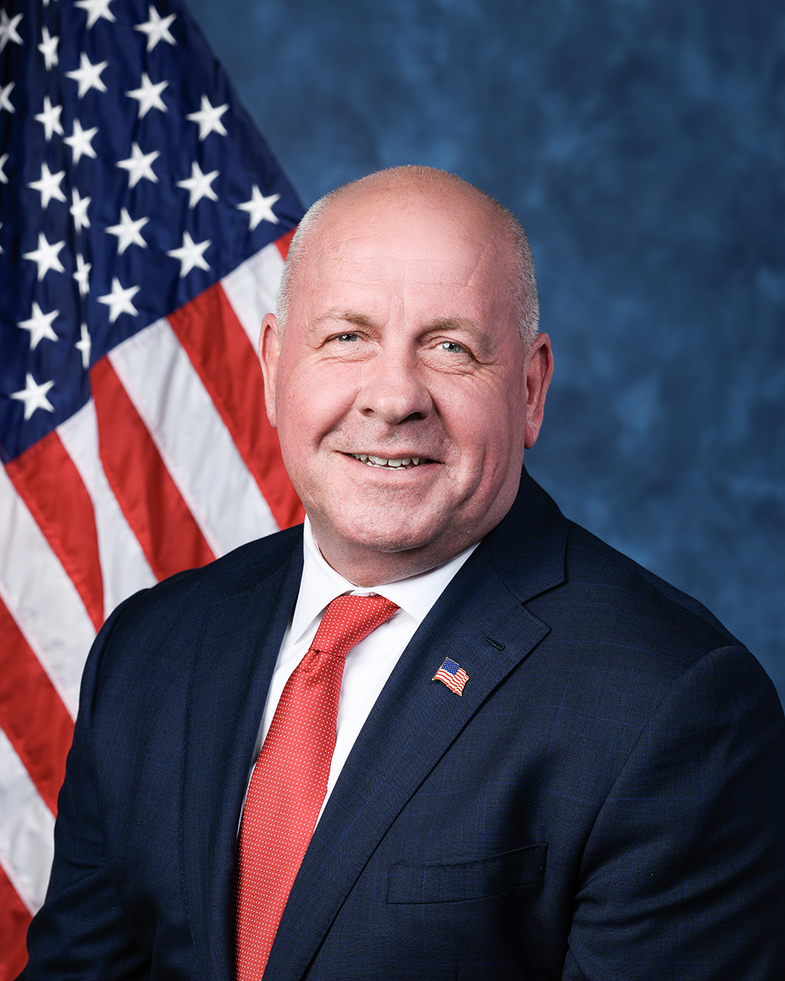
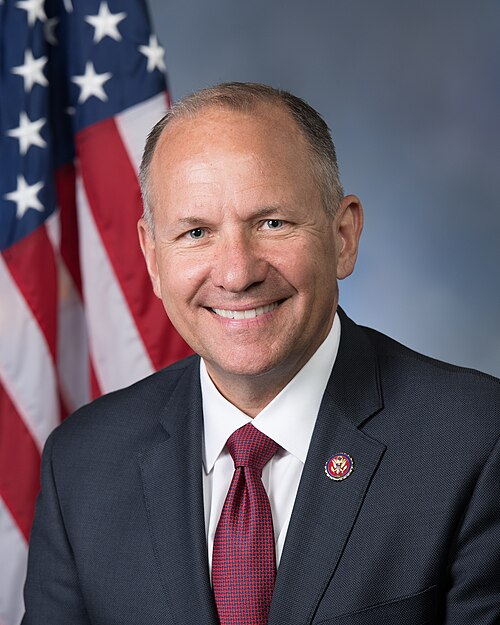
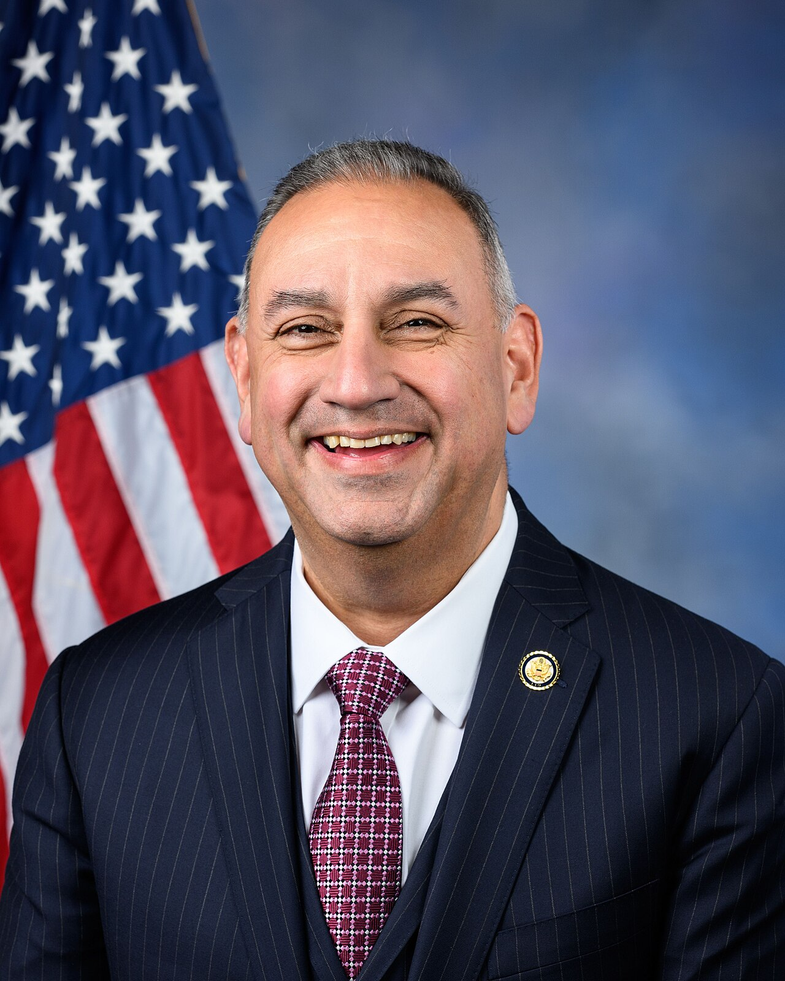
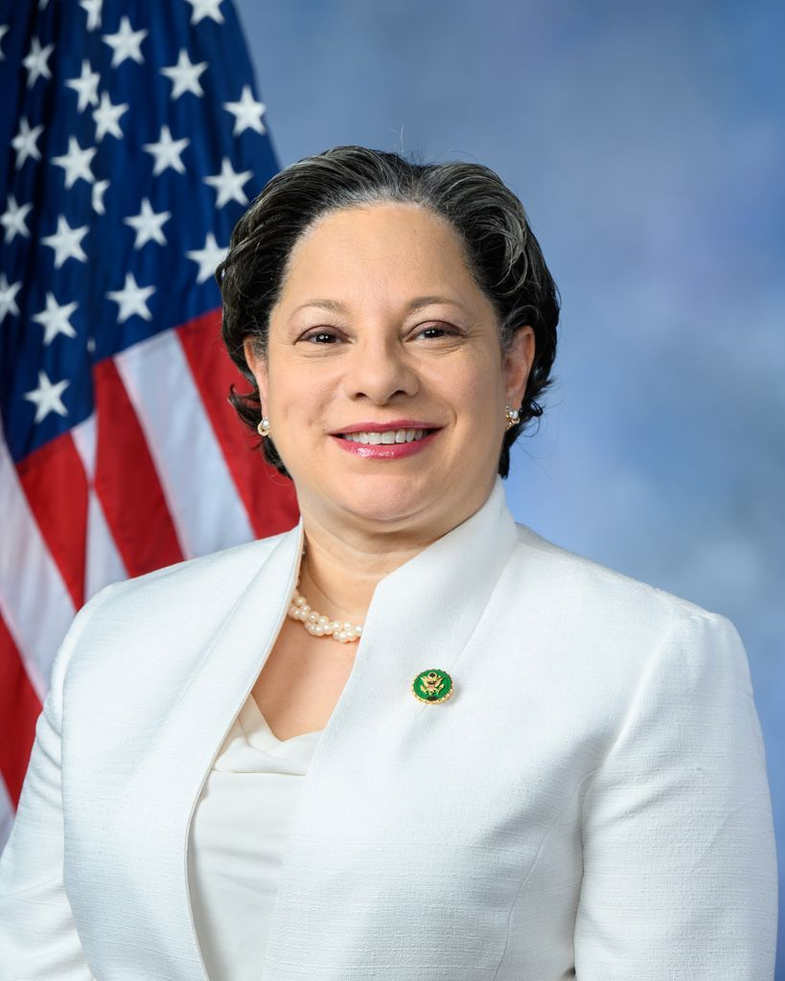
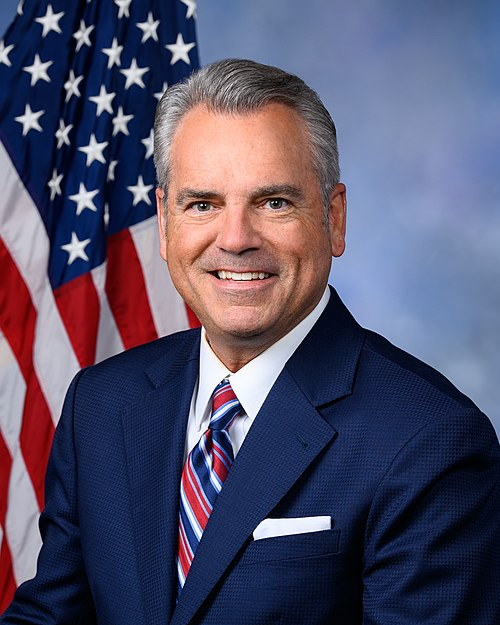
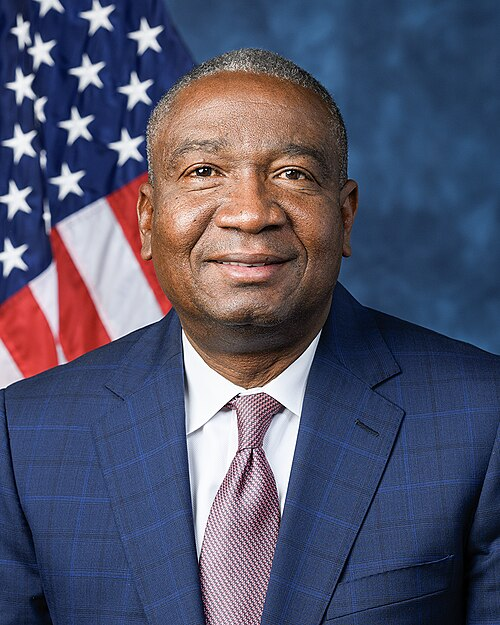
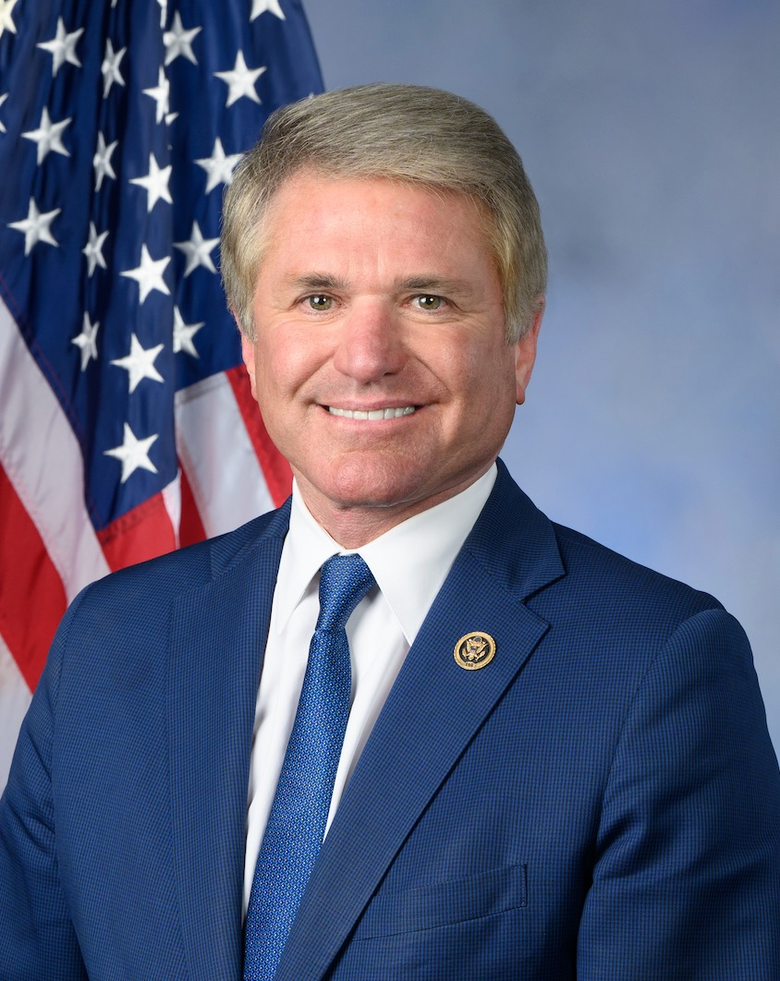
4 bill sponsors



Actions
4 actions
| Date | Action |
|---|---|
| Apr. 22, 2026 | Committee Consideration and Mark-up Session Held |
| Apr. 22, 2026 | Ordered to be Reported by the Yeas and Nays: 41 - 2. |
| Apr. 16, 2026 | Introduced in House |
| Apr. 16, 2026 | Referred to the House Committee on Foreign Affairs. |
Corporate Lobbying
0 companies lobbying
None found.
* Note that there can be significant delays in lobbying disclosures, and our data may be incomplete.