H.R. 8309: To amend title 28, United States Code, to prohibit Presidents and Vice Presidents from receiving damages payments from the United States, and for other purposes.
This bill proposes to change the laws governing payments from the U.S. government to current and former Presidents and Vice Presidents. Here are the key components of the bill:
Prohibition on Payments
- The bill prohibits current and former Presidents and Vice Presidents, as well as certain associated individuals (like their spouses and dependent children), from receiving payments or damages from the U.S. government.
- These payments could be in the form of money, reimbursement for costs (like attorney’s fees), or other non-monetary benefits.
- They cannot settle claims against the United States through agreements or consent decrees that would result in receiving payments.
Filing Claims
- Covered individuals are not allowed to file claims for damages against the U.S. government under this legislation.
- Federal agencies cannot process any claims for damages or similar payments from these individuals.
Court Limits on Lawsuits
- If a covered individual were to bring a civil action against the United States, the court can only award actual or compensatory damages.
- For these damages to be awarded, the court must appoint an independent counsel to represent the interests of the agency being sued, and the agency must cooperate with this counsel.
Transparency Requirements
- The bill mandates that all filings and proceedings in such lawsuits should be made publicly accessible online.
- This includes the requirement for the audio of court sessions to be available online during the proceedings.
Provisions for Former Presidents and Vice Presidents
- After leaving office, former Presidents and Vice Presidents may file claims against the U.S. government, but strict procedures must follow, including the appointment of a career employee to manage the claim.
- Details of any agreements for payments, including amounts and dates, must be published in the Federal Register shortly after they occur.
Penalties for Violations
- Individuals who intentionally violate these provisions could face severe penalties, including disgorgement of payments, civil fines up to $1 million, and potential imprisonment.
- Federal officers or employees who knowingly facilitate violations could also face civil penalties and imprisonment.
Statute of Limitations
- The bill outlines a 10-year statute of limitations on prosecuting violations of these provisions, but this period may be extended during the time a person is in office.
Applicability
- The law applies to any new claims or requests for payment after its enactment, regardless of when the underlying cause of action occurred.
Relevant Companies
None found.This is an AI-generated summary of the bill text. There may be mistakes.
Show More
Sponsors
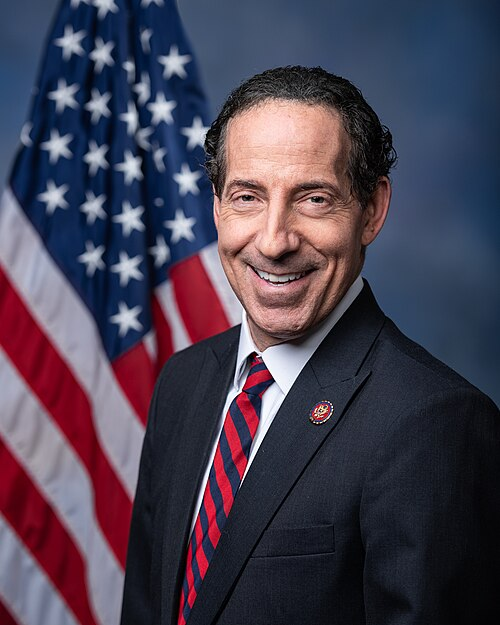
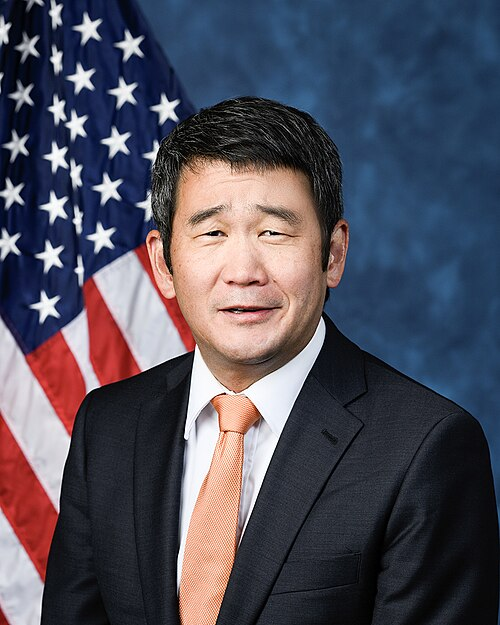
2 bill sponsors
Actions
2 actions
| Date | Action |
|---|---|
| Apr. 15, 2026 | Introduced in House |
| Apr. 15, 2026 | Referred to the House Committee on the Judiciary. |
Corporate Lobbying
0 companies lobbying
None found.
* Note that there can be significant delays in lobbying disclosures, and our data may be incomplete.
Potentially Relevant Congressional Stock Trades
No relevant congressional stock trades found.