
H.R. 8263: Educational Equity Challenge Grant Act of 2026
This bill is known as the **Educational Equity Challenge Grant Act of 2026**. Its primary purpose is to establish a grant program managed by the U.S. Department of Education that aims to address educational inequities faced by students across the country, particularly those exacerbated by the COVID-19 pandemic.
Key Provisions
The bill includes several critical components for its implementation:
Establishment of the Grant Program
The Secretary of Education would create the **Educational Equity Challenge Grant program** to award funds to eligible entities, which could include:
- Local educational agencies (i.e., school districts)
- A consortium of local educational agencies
- State educational agencies
- Educational service agencies
- Partnerships with nonprofit organizations and institutions of higher education
- The Bureau of Indian Education
Focus Areas
Grants will support projects that:
- Implement evidence-based activities to meet various student needs, such as academic, social-emotional, mental, behavioral, and physical health necessities.
- Design and execute innovative proposals to tackle similar needs, provided they undergo independent evaluation for success.
Funding Allocations
The funding awarded through this program is structured as follows:
- **5%** of the total funds may be used for the administration of the program.
- **5%** of funds are specifically reserved for schools and programs within areas served by the Bureau of Indian Education.
- **75%** of the remaining grant funds must be directed to evidence-based proposals, while **25%** can support educator-initiated or field-based projects.
- Additionally, **25%** of funds should be allocated to projects serving rural areas, and **50%** to those that serve low-income student populations.
Application Process and Requirements
To receive funding, applicants must:
- Identify inequities impacting students’ academic and health needs.
- Provide strategies to address these inequities, focusing on various student groups, including marginalized populations.
- Include plans for independent evaluations to measure the effectiveness of their initiatives.
Reporting and Accountability
Grantees will be required to submit annual reports detailing:
- How funds were utilized and their effects on student outcomes.
- Distributions of funds among schools and how it aligns with meeting the needs of high-need student populations.
The Secretary of Education will also publish comprehensive reports to Congress to outline grant allocations and their impacts on student performance.
Funding Authorization
The bill authorizes significant funding over several years:
- $15 billion per year from 2027 to 2029
- $10 billion per year from 2030 to 2033
- $5 billion per year from 2034 to 2036
Priority Considerations
When awarding grants, priority will be given to entities serving:
- High-need populations, such as low-income students, students of color, homeless students, English learners, and students with disabilities.
- Schools and districts that have been disproportionately affected by the COVID-19 pandemic.
Relevant Companies
- None found
This is an AI-generated summary of the bill text. There may be mistakes.
Sponsors
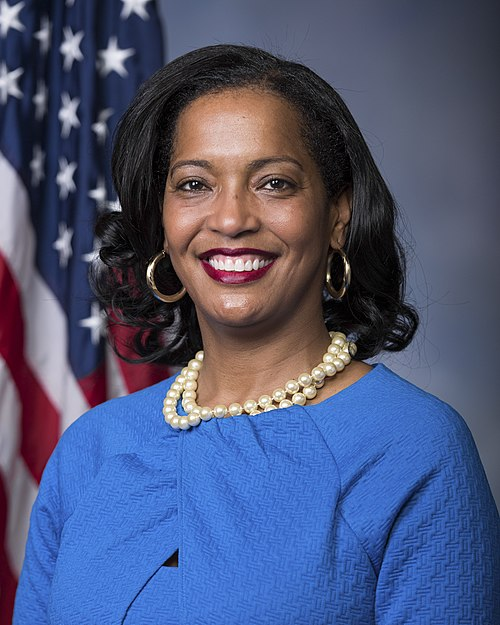
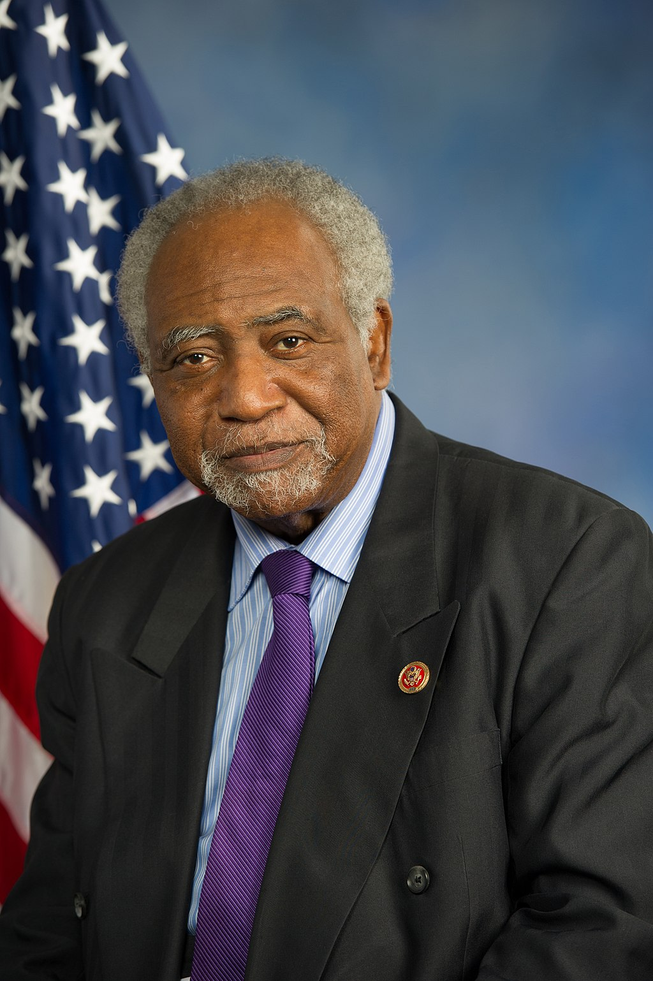
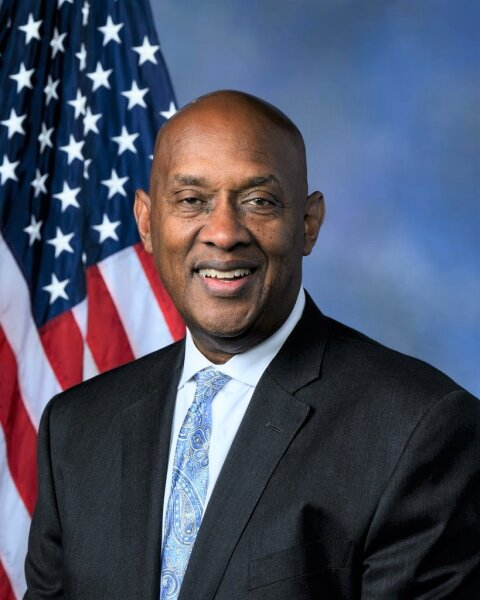
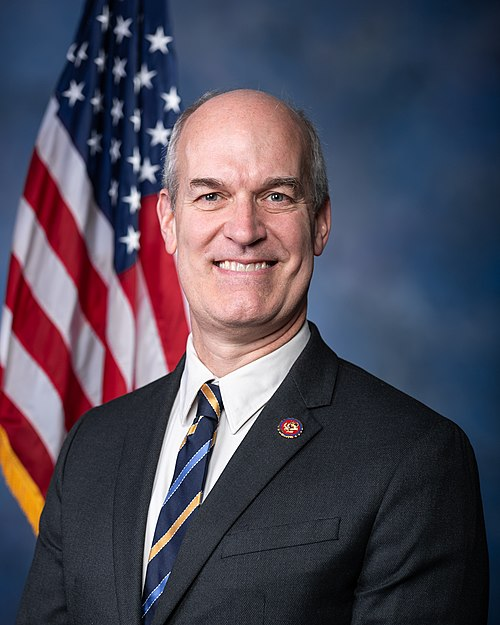
8 bill sponsors




Actions
2 actions
| Date | Action |
|---|---|
| Apr. 14, 2026 | Introduced in House |
| Apr. 14, 2026 | Referred to the House Committee on Education and Workforce. |
Corporate Lobbying
0 companies lobbying
None found.
* Note that there can be significant delays in lobbying disclosures, and our data may be incomplete.
Potentially Relevant Congressional Stock Trades
No relevant congressional stock trades found.