
H.R. 8226: Helicopter Safety Parity Act of 2026
The Helicopter Safety Parity Act of 2026 aims to enhance safety standards for turbine-powered helicopters that carry two or more passengers for compensation or hire. Here’s a breakdown of what the bill intends to accomplish:
Background Findings
The bill starts with a set of findings that highlight issues in current helicopter operations, particularly those regulated under part 135 of the Federal Aviation Regulations. These operations are similar to airline operations (regulated under part 121) but are subjected to less stringent standards in areas such as:
- Pilot training
- Duty and rest regulations
- Maintenance protocols
- Required safety equipment
The Federal Aviation Administration (FAA) has acknowledged this disparity and proposed rules to address it, but those proposals have not yet been implemented. Recent helicopter accidents have further underscored the need for stronger regulations to ensure public safety.
Scope of the Bill
The provisions of the bill apply specifically to operators of turbine-powered helicopters that are authorized to carry multiple passengers for a fee. This does not include operations that are exclusively for emergency medical services.
Safety Equipment Requirements
The bill establishes that operators must meet safety equipment and operational standards that are equivalent to those of part 121 operations. These requirements include:
- Equipment for terrain awareness
- Cockpit voice recorders
- Flight data recorders
- Conformance with pilot qualification, duty, rest, and maintenance standards dictated by part 121 regulations
Compliance Timeline
Operators will need to achieve full compliance with these requirements within two years of the bill's enactment. Extensions of up to six months can be granted if the operators can demonstrate good faith efforts toward compliance.
Rulemaking and Enforcement
The FAA must issue final regulations to implement the bill within 18 months of its passage. Additionally, any existing inconsistent exemptions or guidance must be rescinded or modified.
Operators failing to comply with the new requirements will face penalties similar to those that part 121 operators encounter.
Funding for Implementation
The bill authorizes $50 million for each fiscal year from 2026 to 2030 to support the FAA in carrying out its mandates related to the new regulations, including enhancing inspection services and oversight of helicopter operations.
Implementation Reporting
The FAA is required to submit a report within the year following enactment that details:
- Staffing needs for implementing the bill
- Steps to hire and train more aviation safety inspectors
- Progress in integrating rotorcraft operators into existing oversight systems based on part 121 standards
Effective Date
The requirements set forth in this act are set to take effect two years after its enactment.
Relevant Companies
- HAE - Helicopter services may face new compliance costs and operational changes due to the enhanced safety regulations.
- HELI - The company will need to adapt its operations to meet the new required safety standards, which might involve updating equipment and protocols.
- MDGN - As a provider of safety features and technologies, potential demand for their products may increase, driven by the new equipment standards in the bill.
This is an AI-generated summary of the bill text. There may be mistakes.
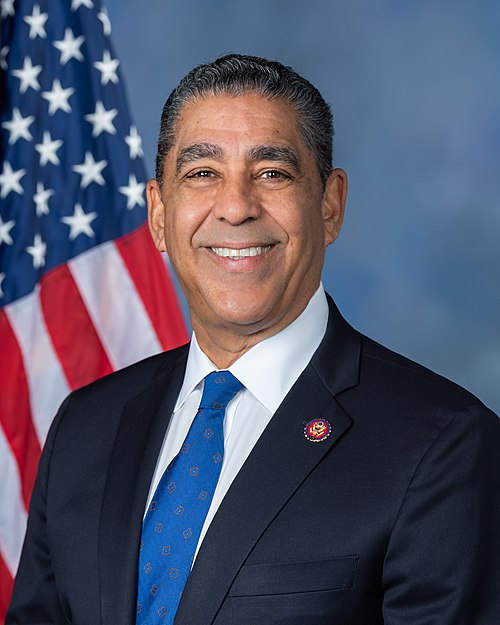
Sponsors
6 bill sponsors





Actions
2 actions
| Date | Action |
|---|---|
| Apr. 09, 2026 | Introduced in House |
| Apr. 09, 2026 | Referred to the House Committee on Transportation and Infrastructure. |
Corporate Lobbying
0 companies lobbying
None found.
* Note that there can be significant delays in lobbying disclosures, and our data may be incomplete.
Potentially Relevant Congressional Stock Trades
No relevant congressional stock trades found.