H.R. 8210: A Stronger Workforce for America Act of 2026
The Stronger Workforce for America Act of 2026 is a legislative proposal aimed at updating and enhancing the Workforce Innovation and Opportunity Act (WIOA) to improve workforce development across the United States. The core objectives and provisions of the bill include the following:
Workforce Development Enhancements
The bill focuses on improving alignment and collaboration between state and local workforce plans. It aims to define roles, enhance performance accountability, and ultimately cultivate a more skilled workforce to match the needs of employers.
Local Workforce Area Redesignation
Governors will have procedures to review and redesignate local workforce areas, with a requirement for majority approval from local elected officials. This ensures that local perspectives are accounted for in workforce planning and coordination.
Data Reporting and Privacy Protection
The Secretary of Labor will be tasked with ensuring that data reporting requirements for workforce programs are necessary and do not impose excessive burdens. There will be guidelines to protect individual privacy, allowing local areas to access wage records while adhering to federal privacy standards, along with routine assessments and technical support for states.
Vocational Rehabilitation Programs
The bill stipulates that no more than 1.5% of federal funds in a state can be used for vocational rehabilitation programs. It will also set standards for provider eligibility and performance evaluations, as well as criteria to assess local and state training programs.
Youth Workforce Development
Amendments will enhance eligibility for out-of-school youth in workforce activities, update funding structures, and prioritize partnerships aimed at developing foundational skills and individual training accounts for youth between the ages of 16 to 21.
Critical Industry Skills Fund
A new fund will be established to support performance-based payments for skills development programs that align with in-demand job fields. Additionally, an Industry Partnership and Career Pathways Fund will be created to support regional economic growth and improve workforce training opportunities, managed at the state level.
Training Services and Funding
The bill proposes to enhance training services, expand employer-led skills development, and increase funding for youth and adult training programs, while also outlining eligibility and program requirements for various workforce initiatives.
Terminology Updates
The bill will replace the term "centers" with "campuses" within the context of the WIOA, refine the roles of the Secretary concerning the Job Corps program, and authorize funding for future fiscal years.
Support for Dislocated Workers
Eligibility and funding requirements for programs aimed at dislocated workers will be adjusted, addressing geographic barriers and heightening performance accountability. There will be an emphasis on substance use treatment and support for rural and tribal communities.
Reentry Employment Opportunities Program
This program aims to improve job skills and employment opportunities for individuals involved with the justice system, adopting evidence-based strategies and providing grant funding for related projects. The Secretary of Labor will oversee performance monitoring and program evaluations.
Apprenticeship and Pre-Apprenticeship Programs
Requirements for project proposals aimed at serving youth through apprenticeship initiatives will be detailed, covering elements such as project design, targeted populations, training components, and expected outcomes, with a focus on performance metrics.
Capacity Building Initiatives
Eligible institutions will need to develop initiatives to enhance their capabilities, assess participant performance, and prioritize individuals facing employment barriers. Grants can be awarded without previous experience, provided that institutions collaborate with employers to support workforce development.
Pilot Project Requirements
The bill outlines limitations and requirements for states and local areas seeking approval for pilot projects, including application procedures and performance accountability measures, giving the Secretary discretion over approvals based on specified criteria.
State Leadership in Workforce Activities
The legislation aims to enhance state leadership in workforce development activities, prioritize integrated education and training solutions, and base practices on evidence while encouraging coordination with career and technical education, including programs for correctional education settings.
Additional Funding for Training Services
Local areas will be permitted to request additional funds for training services once their allocated budget is exhausted, while clarifying that there is no entitlement to services without available federal funds.
Relevant Companies
- HEB - Likely to be affected due to workforce training and development programs impacting retail and service sector hiring.
- ADBE - Potential impacts on training programs in technology sectors that require skilled digital workforce.
This is an AI-generated summary of the bill text. There may be mistakes.
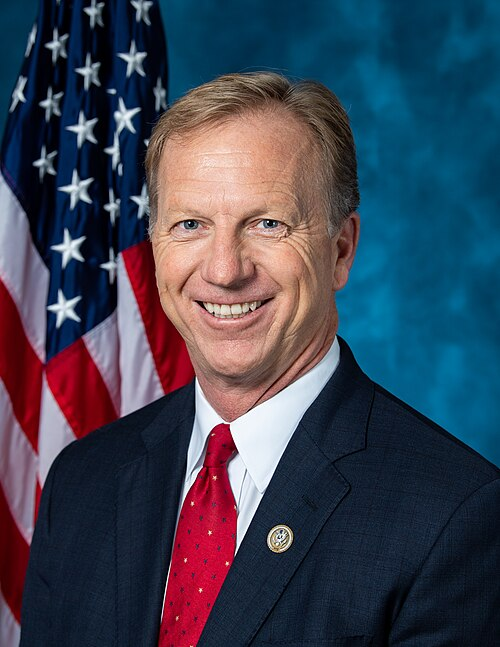
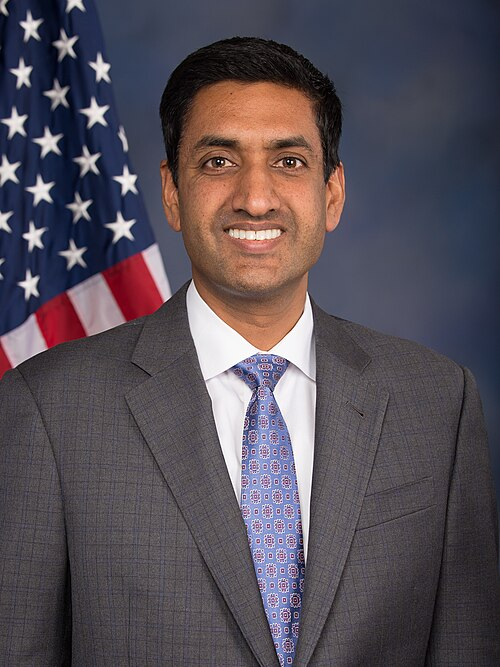
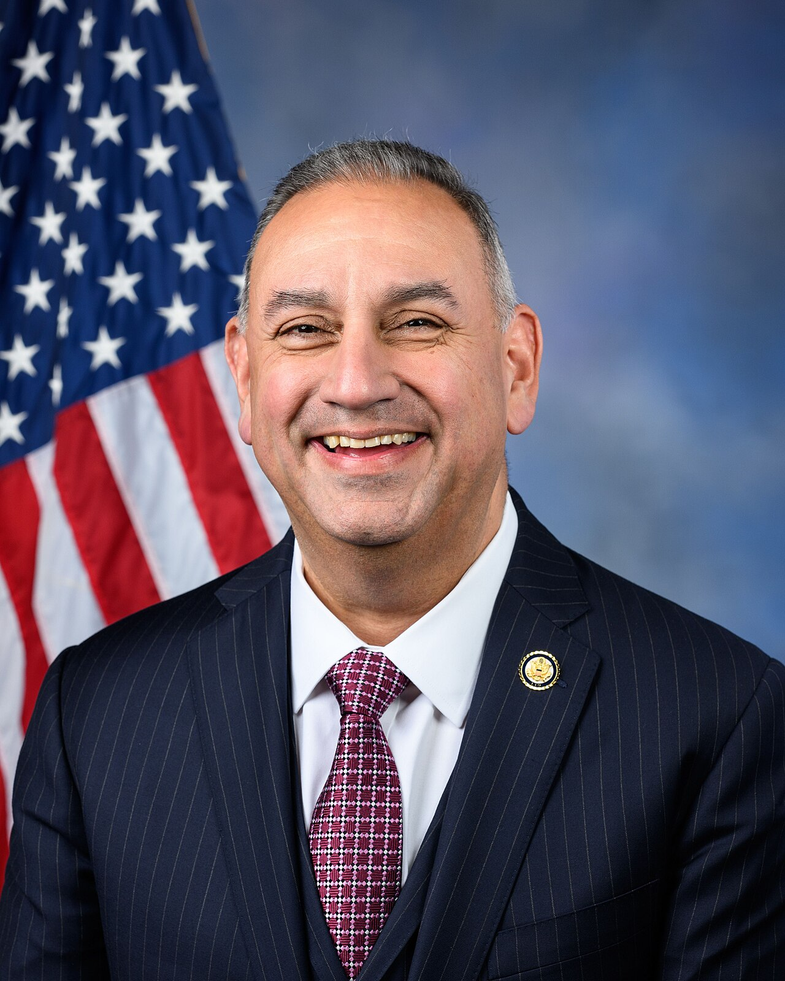
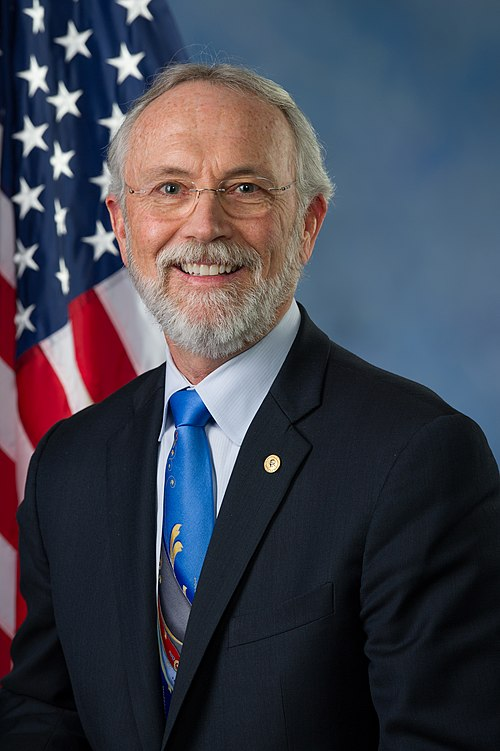
Sponsors
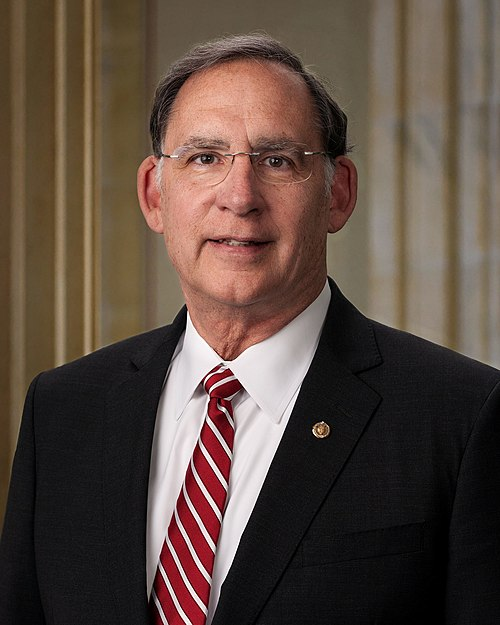
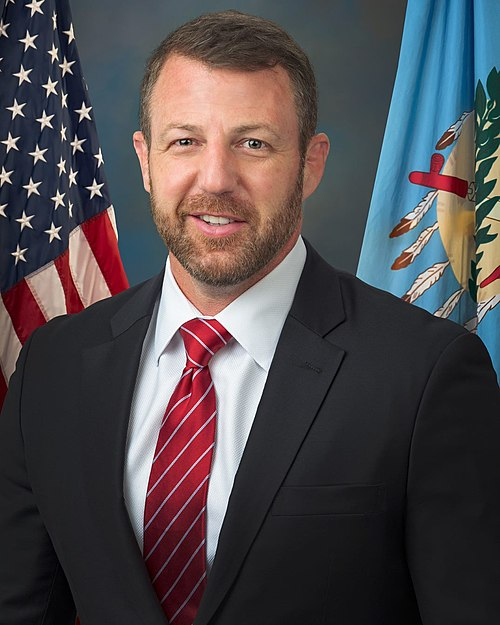
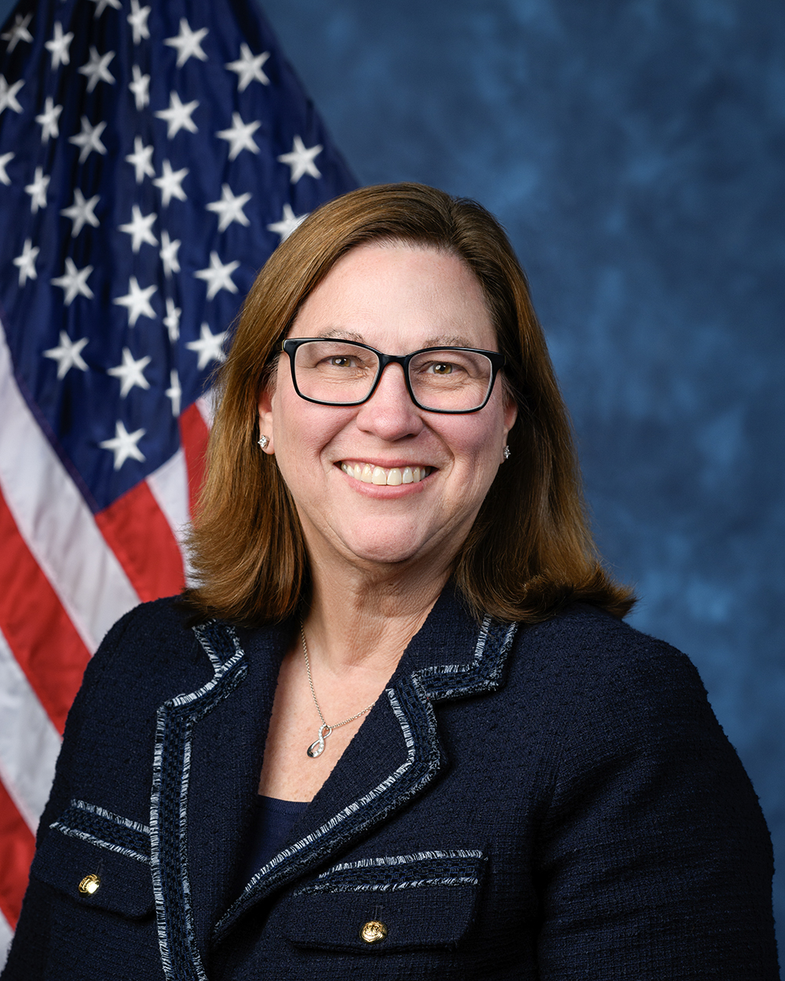
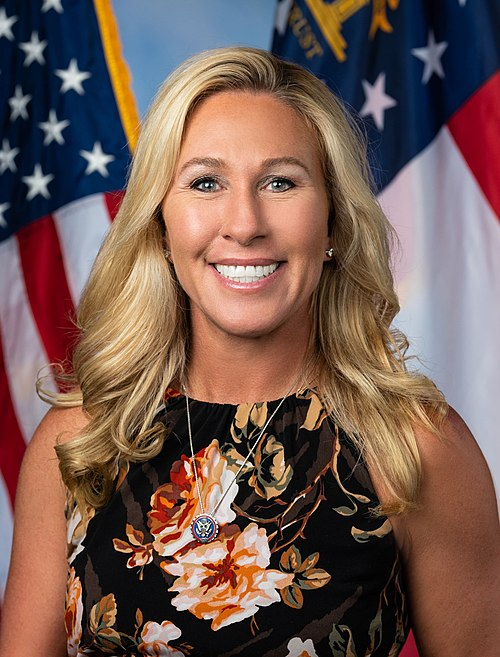
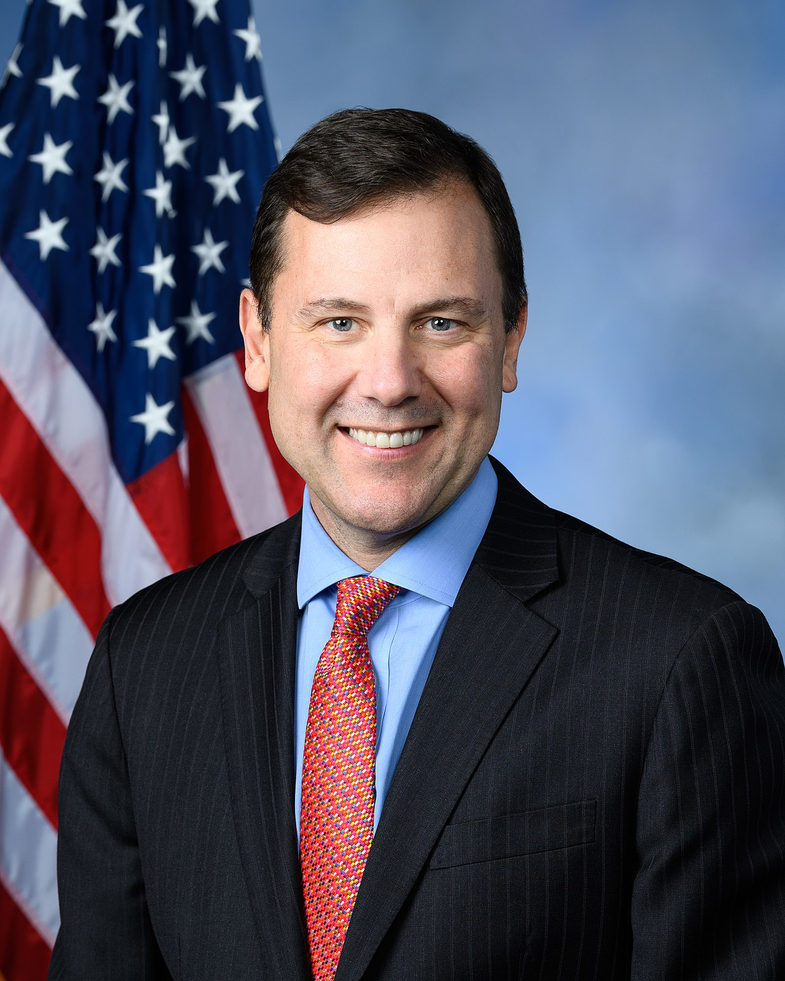
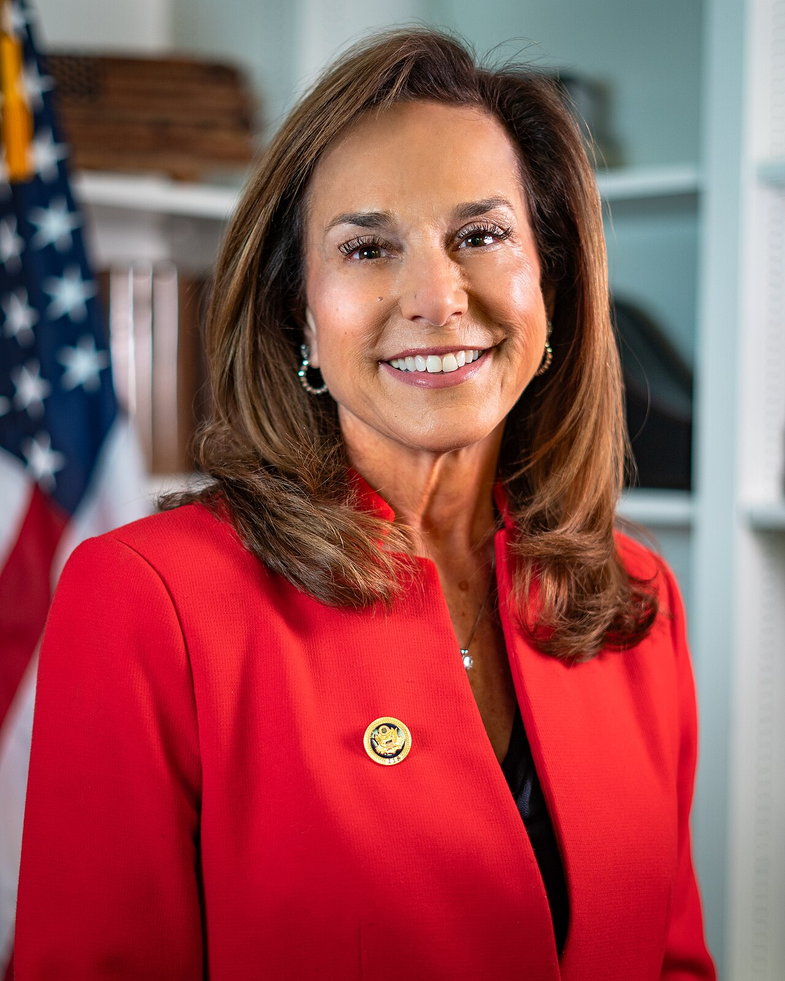
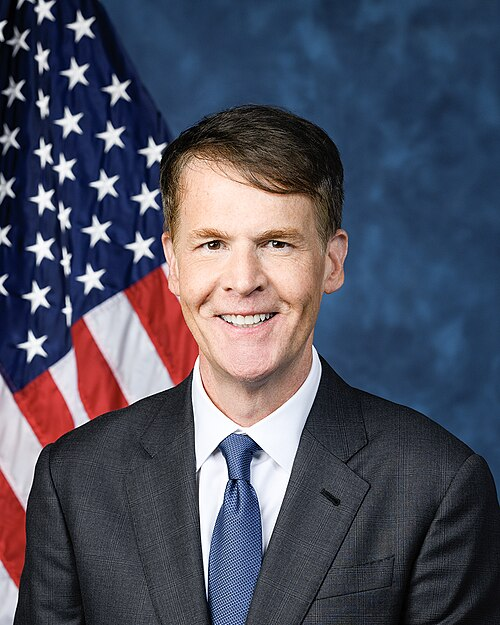
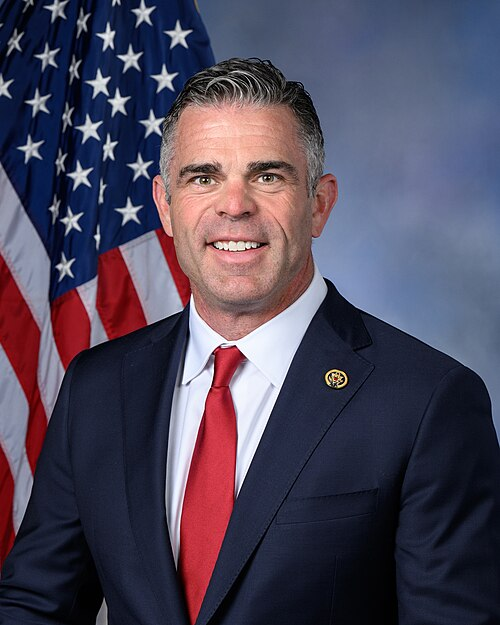
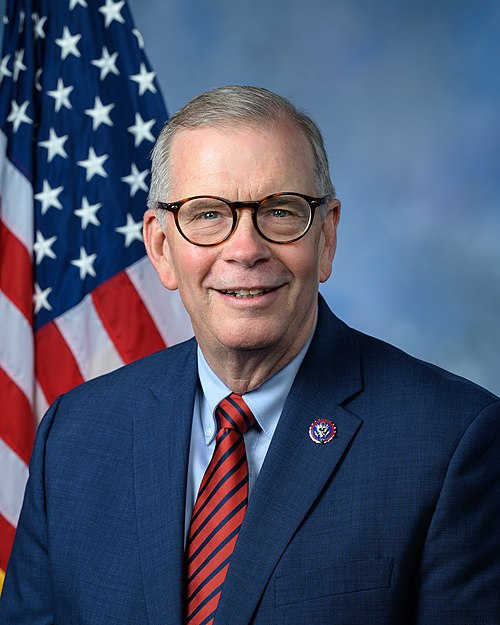
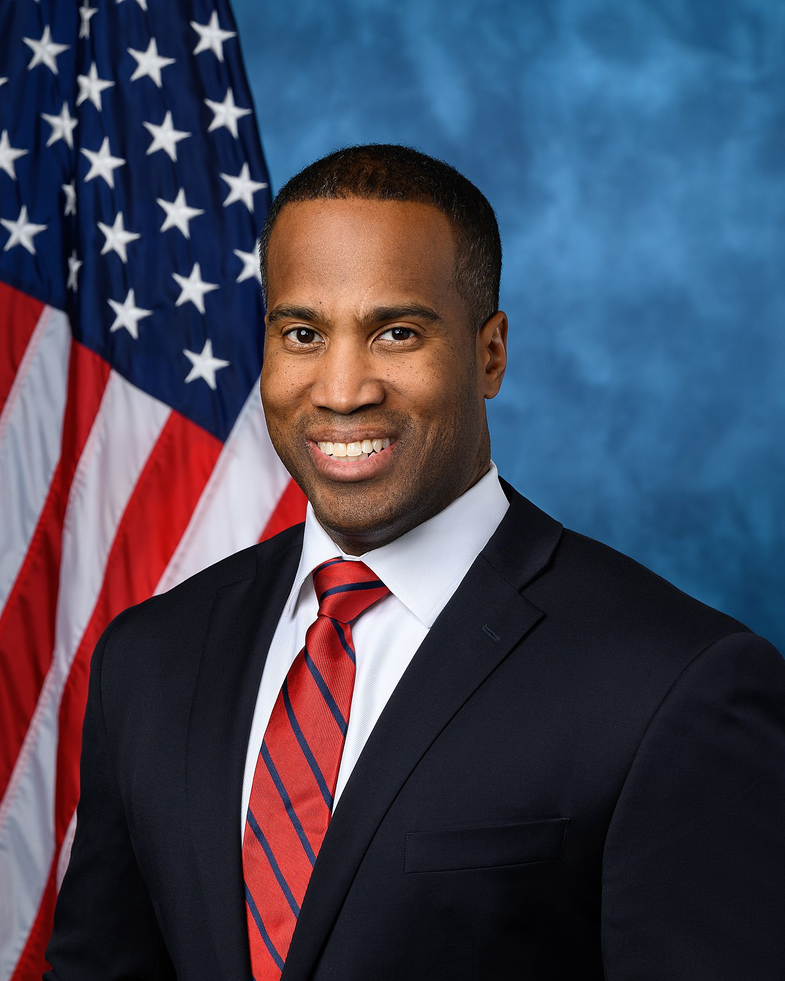
2 bill sponsors
Actions
4 actions
| Date | Action |
|---|---|
| Apr. 21, 2026 | Committee Consideration and Mark-up Session Held |
| Apr. 21, 2026 | Ordered to be Reported (Amended) by the Yeas and Nays: 19 - 14. |
| Apr. 06, 2026 | Introduced in House |
| Apr. 06, 2026 | Referred to the Committee on Education and Workforce, and in addition to the Committee on Ways and Means, for a period to be subsequently determined by the Speaker, in each case for consideration of such provisions as fall within the jurisdiction of the committee concerned. |
Corporate Lobbying
0 companies lobbying
None found.
* Note that there can be significant delays in lobbying disclosures, and our data may be incomplete.