
H.R. 8200: Interstate Ferry Fairness Act
The Interstate Ferry Fairness Act aims to amend existing laws to allow privately owned or majority-privately owned ferries and ferry terminal facilities to be eligible for federal funding through the Ferry Boat Program. Here is a breakdown of the main provisions in layman's terms:
Eligibility for Funding
The bill modifies existing federal regulations, specifically Title 23 of the U.S. Code, to broaden the eligibility criteria for participating in the Ferry Boat Program. Currently, this program primarily supports publicly owned or operated ferries. Under this new bill:
- Privately Owned Ferries: Privately owned ferries can receive federal funds for construction or improvement if they operate between two adjoining states or connect public roads.
- Majority Privately Owned Ferries: Ferries that are majority privately owned can also qualify for support, provided they demonstrate that they meet significant public needs or offer substantial public benefits.
Specific Criteria for Federal Participation
The bill establishes that federal support may involve:
- Construction or purchase of ferry boats that transport vehicles and passengers between adjoining states.
- Development of terminal facilities supporting these ferry operations.
This provision would enable a more diverse set of ferry services to access financial assistance necessary for their operations and improvements.
Regulations on Fares
Privately owned or majority privately owned ferries operating between two adjoining states may charge fares. However, the fare structure must comply with specific guidelines:
- The fare can only be set to cover actual operational costs, maintenance, and repairs along with a reasonable profit margin as determined by federal guidelines.
Amendments to Existing Programs
The bill makes conforming amendments to other sections concerning surface transportation block grants and the construction of ferry facilities, ensuring these entities are recognized for funding under the updated criteria.
Effective Date
The changes proposed by this act would take effect one year after the bill is enacted, allowing for a transition period for those affected by these new regulations.
Relevant Companies
None found.
This is an AI-generated summary of the bill text. There may be mistakes.
Sponsors
12 bill sponsors
-
TrackNick LaLota
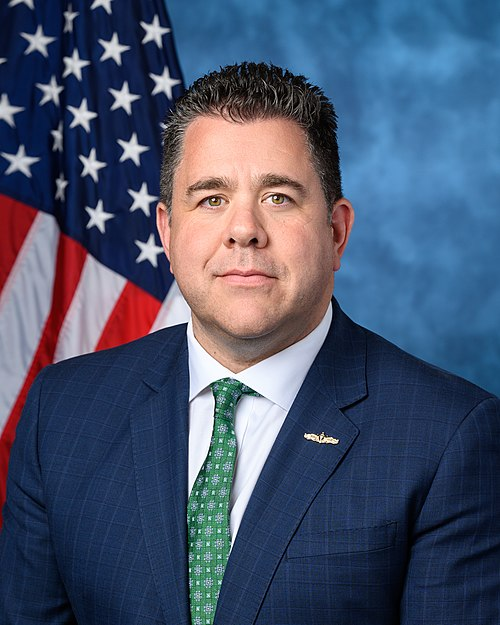
Sponsor
-
TrackMike Bost
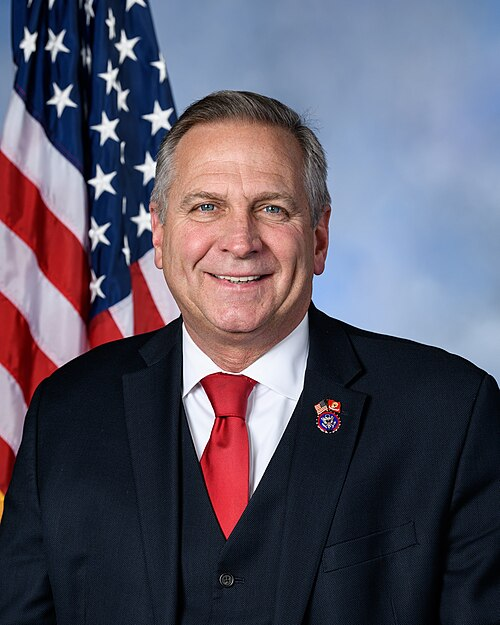
Co-Sponsor
-
TrackJames Comer
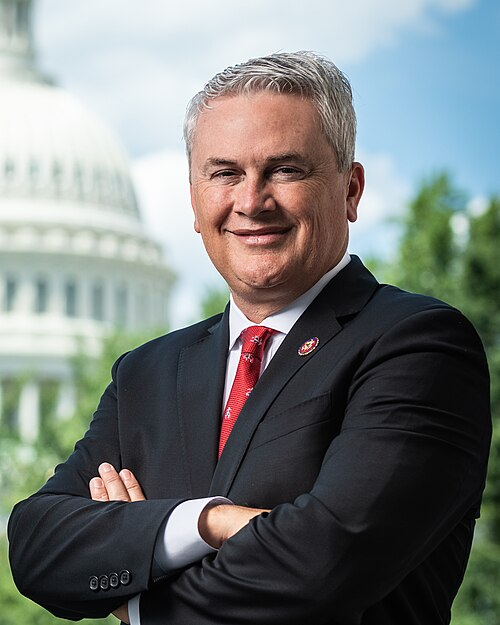
Co-Sponsor
-
TrackJoe Courtney
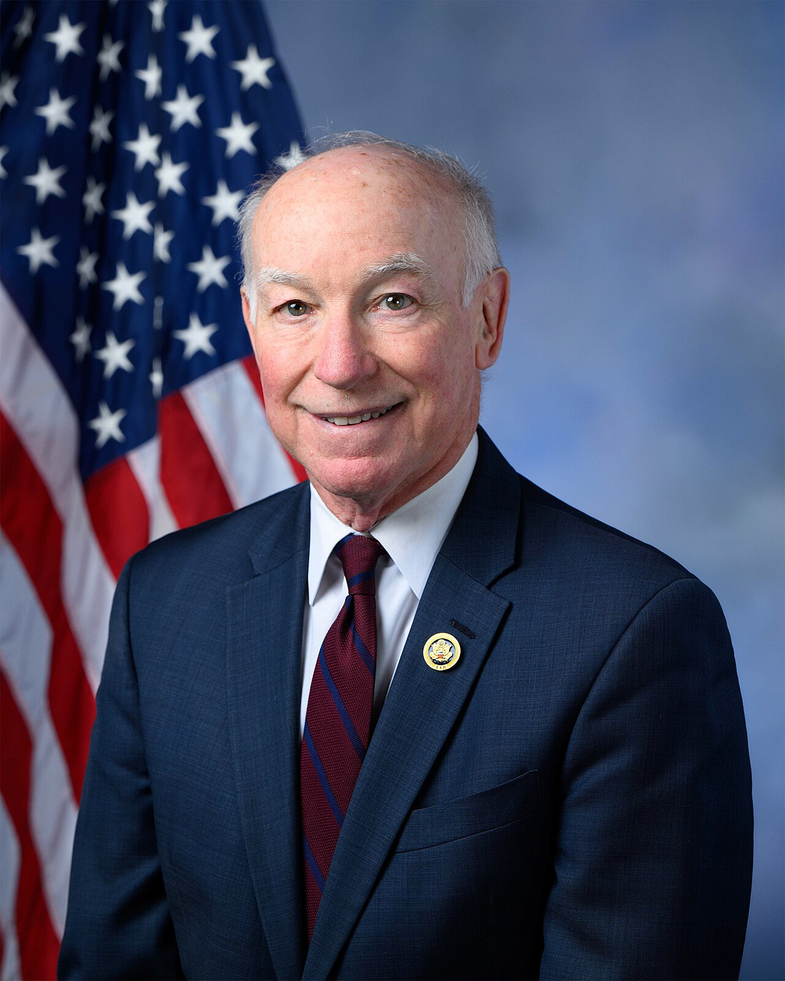
Co-Sponsor
-
TrackRosa L. DeLauro

Co-Sponsor
-
TrackAndrew R. Garbarino
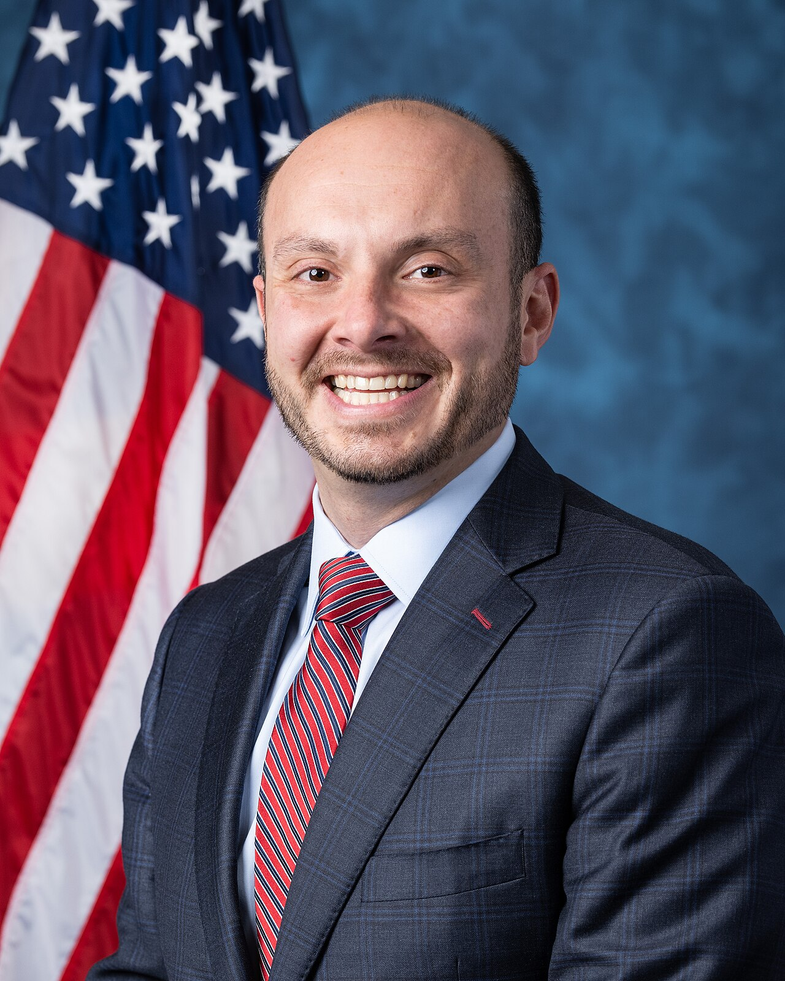
Co-Sponsor
-
TrackLaura Gillen
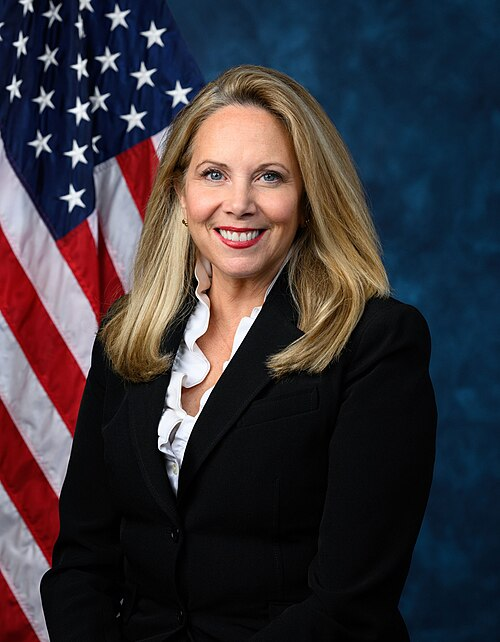
Co-Sponsor
-
TrackJames A. Himes
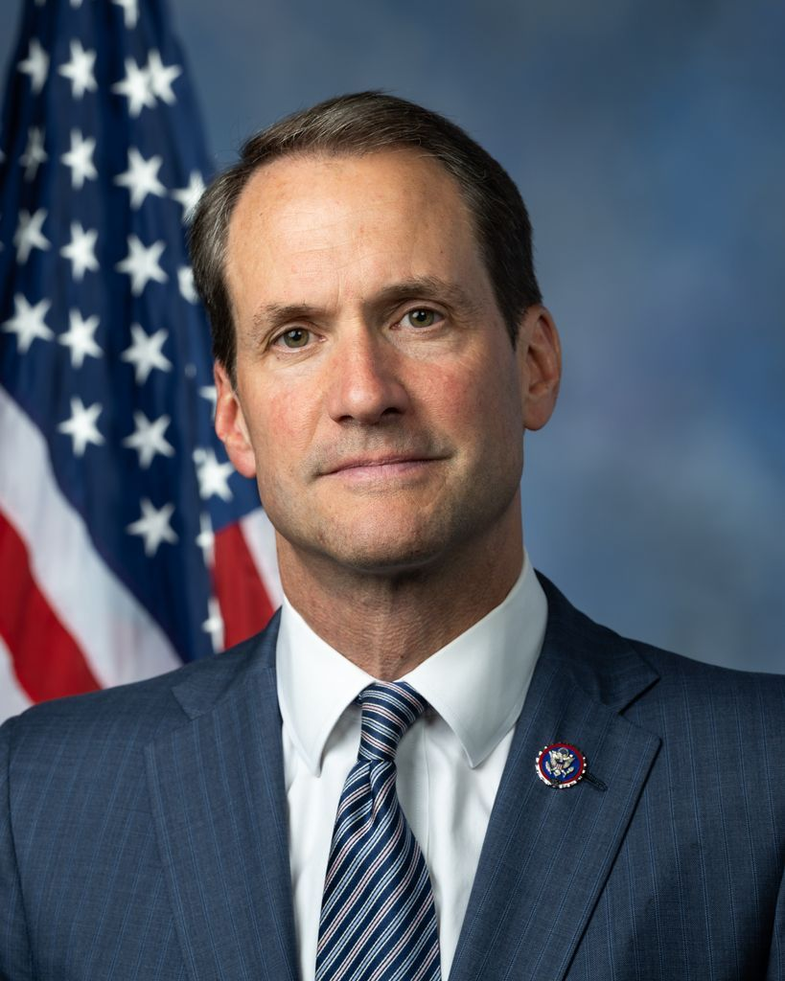
Co-Sponsor
-
TrackJohn B. Larson
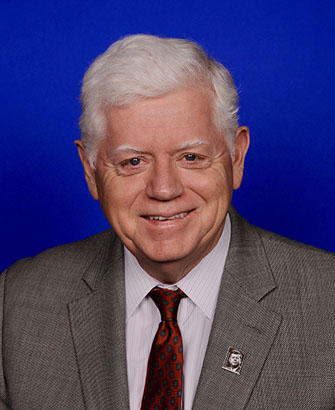
Co-Sponsor
-
TrackMichael Lawler
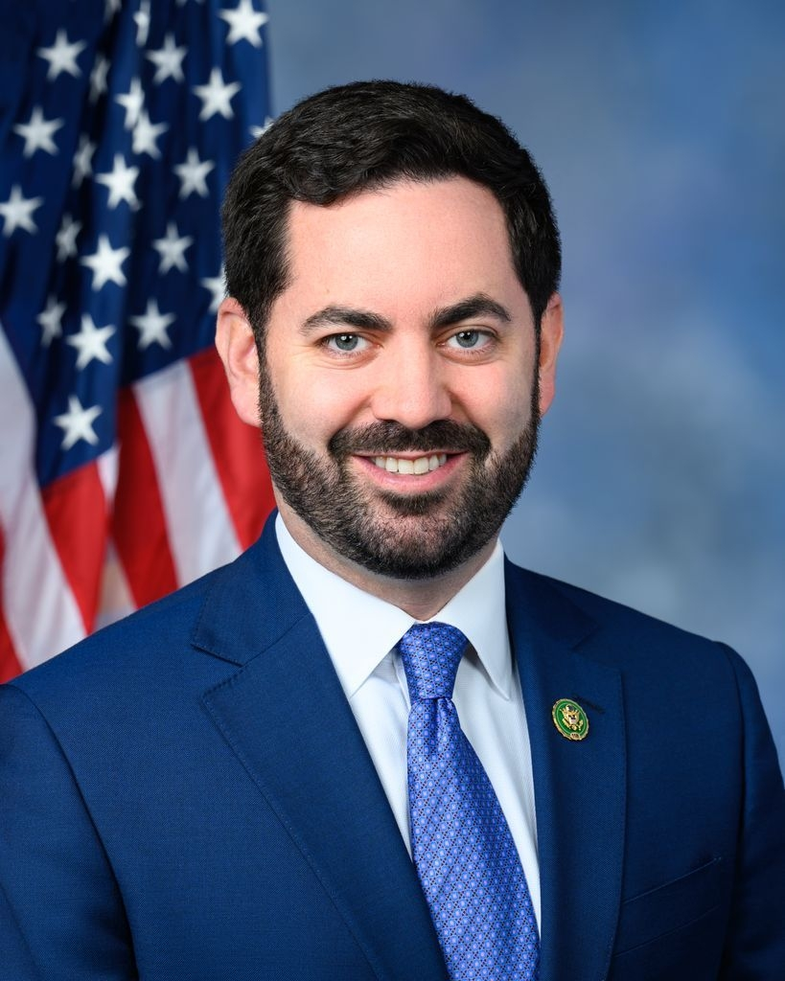
Co-Sponsor
-
TrackJohn R. Moolenaar
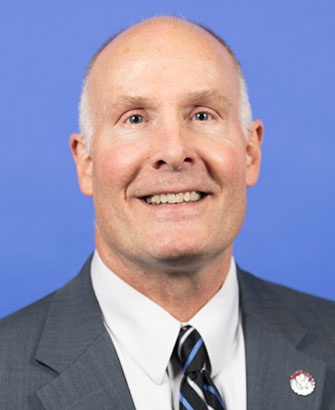
Co-Sponsor
-
TrackThomas R. Suozzi
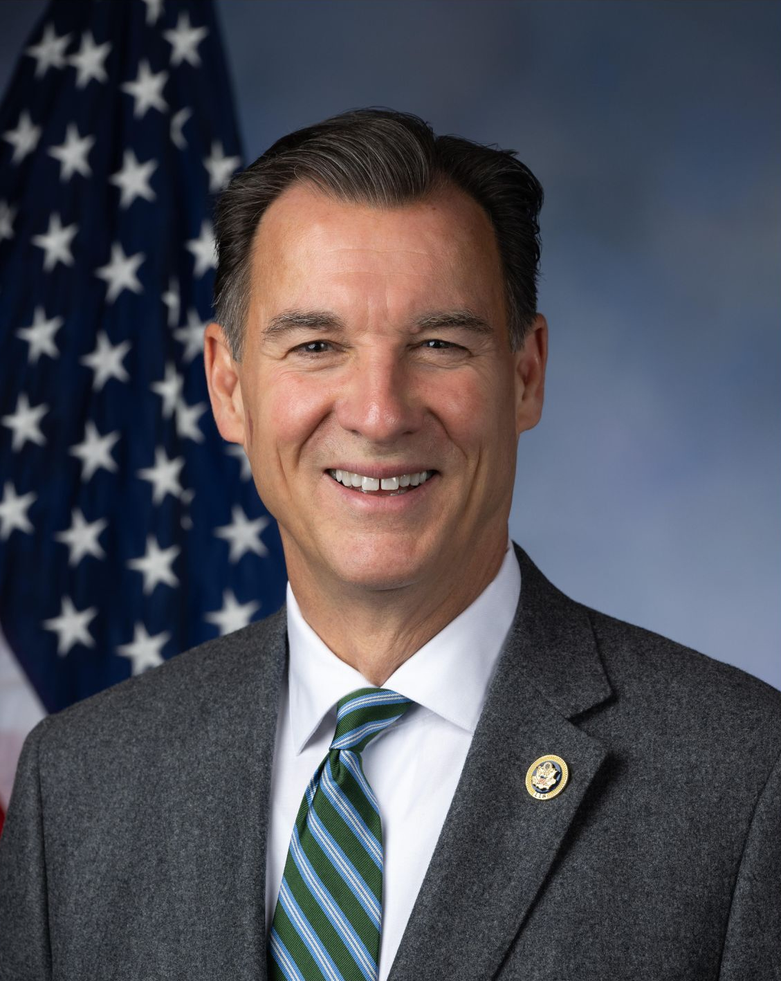
Co-Sponsor
Actions
3 actions
| Date | Action |
|---|---|
| Apr. 07, 2026 | Referred to the Subcommittee on Highways and Transit. |
| Apr. 06, 2026 | Introduced in House |
| Apr. 06, 2026 | Referred to the House Committee on Transportation and Infrastructure. |
Corporate Lobbying
0 companies lobbying
None found.
* Note that there can be significant delays in lobbying disclosures, and our data may be incomplete.
Potentially Relevant Congressional Stock Trades
No relevant congressional stock trades found.