
H.R. 8195: Responsible Cormorant Management and Control Act of 2026
The bill titled "Responsible Cormorant Management and Control Act of 2026" seeks to establish a systematic approach for managing double-crested cormorants, a bird species known to impact local ecosystems, particularly fisheries. Below is a breakdown of what the bill entails:
Development of Regional Management Frameworks
The Secretary of the Interior is required to develop regional management frameworks for the management and control (referred to as "take") of double-crested cormorants. This framework should be completed within 180 days after the bill is enacted and will be coordinated with the relevant Regional Flyway Councils. The management frameworks will be based on current scientific information regarding the cormorant population.
Framework Requirements
Each regional management framework will have several specific requirements:
- Ensure that the breeding population of double-crested cormorants remains at a sustainable level, adhering to guidelines set by the Migratory Bird Treaty Act.
- Specify allowed methods and time periods for taking double-crested cormorants.
- Identify parties that may take double-crested cormorants, including state and tribal agencies, licensed hunters, lake managers, and pond managers.
- Allow states and tribal authorities to undertake management actions regarding double-crested cormorants in line with the regional frameworks.
- Address the effects of cormorant populations on fisheries, sensitive vegetation, other migratory bird populations, human health and safety, water quality, and endangered species.
Integration with National Wildlife Refuge System
The bill mandates the Secretary to work alongside state and tribal agencies as well as Regional Flyway Councils to determine suitable management actions that can be taken within the National Wildlife Refuge System, ensuring these actions align with the refuge's primary purposes.
Population Surveys
The Secretary must conduct population surveys of double-crested cormorants no later than five years after the enactment of the bill and every five years thereafter, coordinating these surveys with the Regional Flyway Councils.
Updates to Frameworks
The bill requires that the regional management frameworks are reviewed and updated every five years. These updates should incorporate the findings from the most recent population surveys.
Definitions and Key Terms
The bill includes specific definitions for terms such as:
- Double-crested cormorant: Referring to the species Nannopterum auritum.
- Regional Flyway Council: Groups that include the Atlantic Flyway Council, the Central Flyway Council, the Mississippi Flyway Council, and the Pacific Flyway Council.
- Take: Defined in accordance with federal regulations.
Overall Purpose
The overarching goal of the bill is to ensure responsible management of double-crested cormorants to balance their population with ecological health, particularly in light of their impact on fish populations and associated environments.
Relevant Companies
- None found
This is an AI-generated summary of the bill text. There may be mistakes.
Sponsors
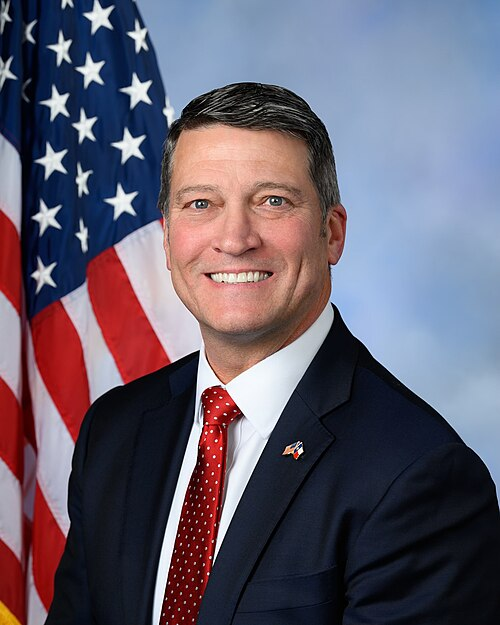
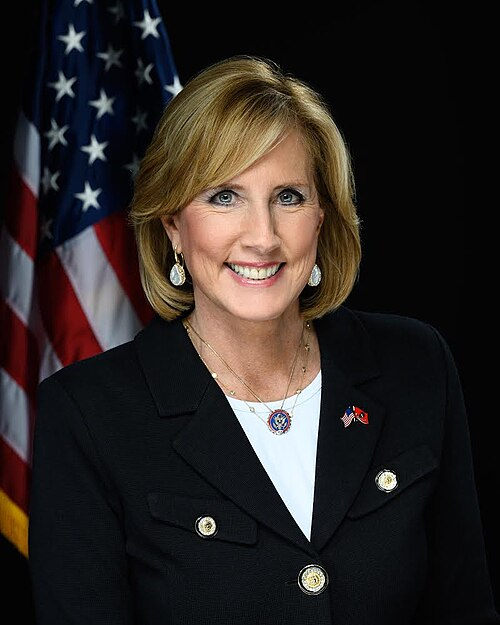
7 bill sponsors





Actions
7 actions
| Date | Action |
|---|---|
| Sep. 15, 2026 | Committee Consideration and Mark-up Session Held |
| Sep. 15, 2026 | Ordered to be Reported in the Nature of a Substitute by Unanimous Consent. |
| Sep. 15, 2026 | Subcommittee on Water, Wildlife and Fisheries Discharged |
| Apr. 16, 2026 | Subcommittee Hearings Held |
| Apr. 09, 2026 | Referred to the Subcommittee on Water, Wildlife and Fisheries. |
| Apr. 02, 2026 | Introduced in House |
| Apr. 02, 2026 | Referred to the House Committee on Natural Resources. |
Corporate Lobbying
0 companies lobbying
None found.
* Note that there can be significant delays in lobbying disclosures, and our data may be incomplete.
Potentially Relevant Congressional Stock Trades
No relevant congressional stock trades found.