
H.R. 8157: Risk-based Oversight for Integrity Act
The Risk-based Oversight for Integrity Act proposes changes to the oversight of organic food production in the United States. The bill starts by amending the Organic Foods Production Act of 1990 to introduce new definitions and protocols aimed at enhancing the integrity of organic products. Here are the main points of the bill:
Definitions
- The bill introduces the term oversight protocols, which refers to regulations and procedures established by the Secretary of Agriculture.
- It defines risk to organic integrity as the likelihood that a product marketed as organic may not actually adhere to organic farming standards.
Inspection Requirements
The bill modifies inspection protocols for organic farms and handling operations, stating that:
- All certified organic farms and handling operations must undergo an on-site inspection conducted by a certifying agent annually.
- For operations outside the United States, inspections must be on-site annually.
- For U.S.-based operations, inspections will be on-site every three years, supplemented by annual inspections, either on-site or virtually, depending on the assessed risk level to organic integrity.
- For handling operations that do not interact physically with organic products, inspections may be conducted using alternative methods, including virtual inspections.
Study and Reform of Oversight Protocols
The Secretary of Agriculture is tasked to conduct a comprehensive study within 12 months of the bill's enactment. The study aims to determine the necessity and appropriateness of implementing:
- Risk-based oversight protocols.
- A differential treatment approach to non-compliance based on its impact on organic integrity.
- Standardized organic plans aligned with risk assessments.
- A multi-tiered certification process based on the size and risk associated with organic operations.
- Improved guidance on standards for certifying agents and organic producers.
Reporting and Consultation
After conducting the study, the Secretary must report findings to Congress and the public within 18 months. The study will involve consultations with:
- The National Organic Standards Board
- Certifying agents
- Certified organic farms and handling operations
- Organic consumers
- Other relevant stakeholders in the organic sector
Regulation Authority
Based on the findings, the Secretary can propose new regulations or modify existing oversight protocols. The aim of these rules will be to maintain high organic standards while:
- Reducing costs and administrative burdens for organic operations deemed lower risk.
- Prioritizing oversight resources on activities presenting higher risks to organic integrity.
Also, the Secretary maintains the right to enforce compliance to protect organic integrity, ensuring that changes do not compromise the standards of organic products.
Relevant Companies
None found
This is an AI-generated summary of the bill text. There may be mistakes.
Sponsors
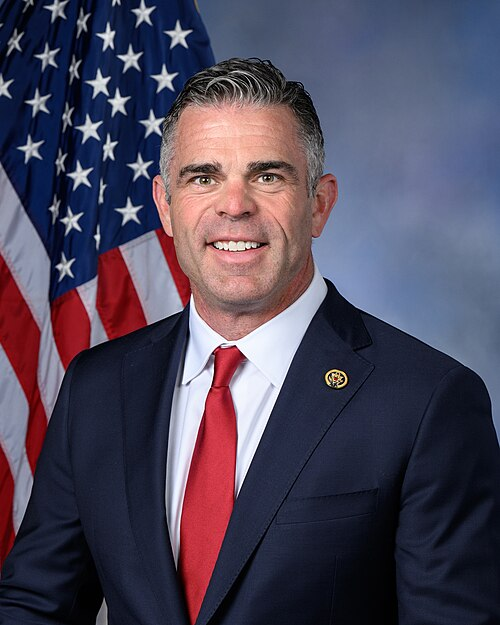
2 bill sponsors

Actions
4 actions
| Date | Action |
|---|---|
| Apr. 03, 2026 | Referred to the Subcommittee on Forestry and Horticulture. |
| Apr. 03, 2026 | Referred to the Subcommittee on Nutrition and Foreign Agriculture. |
| Mar. 27, 2026 | Introduced in House |
| Mar. 27, 2026 | Referred to the House Committee on Agriculture. |
Corporate Lobbying
0 companies lobbying
None found.
* Note that there can be significant delays in lobbying disclosures, and our data may be incomplete.
Potentially Relevant Congressional Stock Trades
No relevant congressional stock trades found.