H.R. 8135: Cost-of-living Emergency Act
This bill, known as the Cost-of-Living Emergency Act, proposes a set of measures aimed at addressing the high cost of living in the United States, particularly for low- and middle-income households. Here are its main components:
Declaration of Emergency
The bill declares a formal emergency concerning the high cost of living, which will be recognized for a period of 180 days after the bill is enacted, with potential extensions if approved by Congress.
Actions by the Council of Economic Advisers
During the emergency period, the President, through the Council of Economic Advisers, is mandated to take actions including:
- Prioritizing analysis of the affordability of basic necessities, economic pressures on low- and middle-income families, and the effects of federal policies on these groups.
- Establishing a White House Cost Cutting Council within seven days of enactment to coordinate government efforts aimed at reducing costs of essential goods and services.
- Appointing several Special Advisors focused on various areas such as grocery costs, housing costs, utility costs, healthcare costs, transportation costs, and wages, who will report on strategies to lower these costs.
Household Budget Impact Statements
Agencies will be required to include a household budget impact statement for major regulations, which will assess:
- Estimated effects of regulations on average households.
- Regional variations in costs.
- Estimated benefits to large corporations from proposed changes.
These statements will be made publicly available unless restricted by national security concerns.
Price Gouging Enforcement
A joint task force will be established between the Attorney General and the Federal Trade Commission to monitor and prosecute price gouging and anticompetitive practices. This task force will:
- Monitor price increases on essential goods.
- Investigate unfair business practices that drive up household costs.
- Provide avenues for consumers to report suspected unfair pricing practices.
Use of the Defense Production Act
The bill empowers the President to utilize the Defense Production Act to enhance the production and supply of basic household necessities, with a strategic plan required within 15 days after enactment. Actions may include:
- Issuing loans and guarantees to businesses for production purposes.
- Making purchase commitments to stabilize prices for consumers.
- Subsidizing production costs for essential goods.
Establishment of a Cost-of-Living Commission
A new Cost-of-Living Commission will be created to identify legislative measures that can effectively improve cost-of-living conditions for households. The Commission will:
- Meet regularly and report recommendations on policies to alleviate economic pressures.
- Conduct hearings to solicit feedback and gather evidence to inform its findings.
- Provide interim and final reports to Congress with detailed recommendations, including potential legislative actions.
Other Provisions
The bill includes provisions for regular assessments of household budgets, analysis of economic trends, and collaborative efforts among government agencies to implement the strategies proposed to mitigate rising living costs.
Relevant Companies
- PG (Procter & Gamble) - A major player in household necessities, which may face increased regulatory scrutiny and potential changes in production practices due to the cost-cutting initiatives outlined in the bill.
- AMZN (Amazon) - As a key retailer, changes in pricing policies and enforcement of anti-gouging laws could impact its operations and pricing strategies.
- WMT (Walmart) - Likely to be affected by potential new regulations around pricing and supply chain management for basic household goods.
This is an AI-generated summary of the bill text. There may be mistakes.
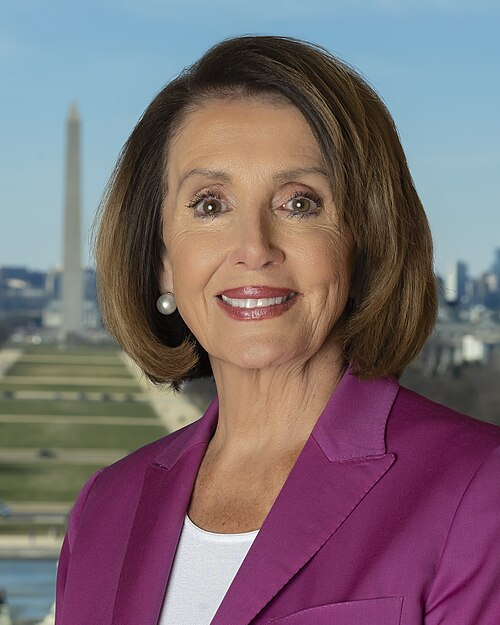
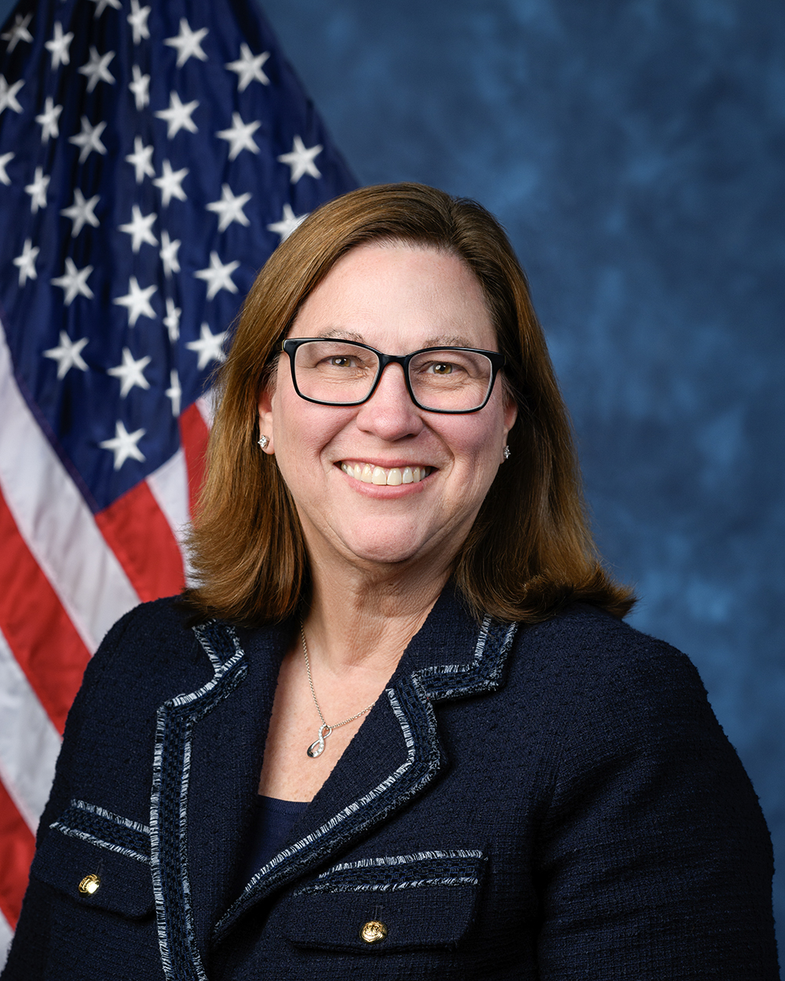
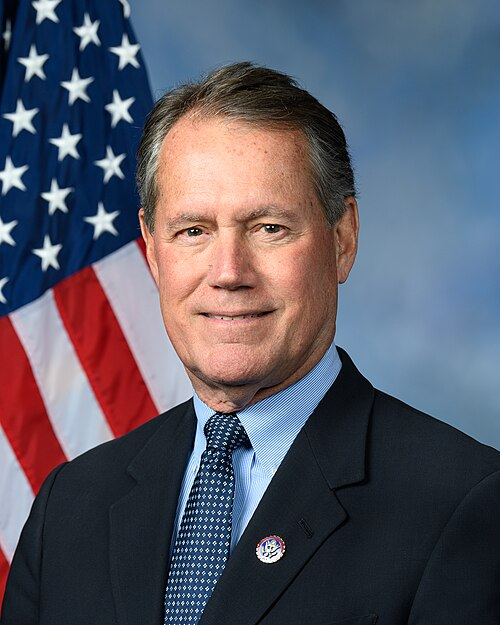
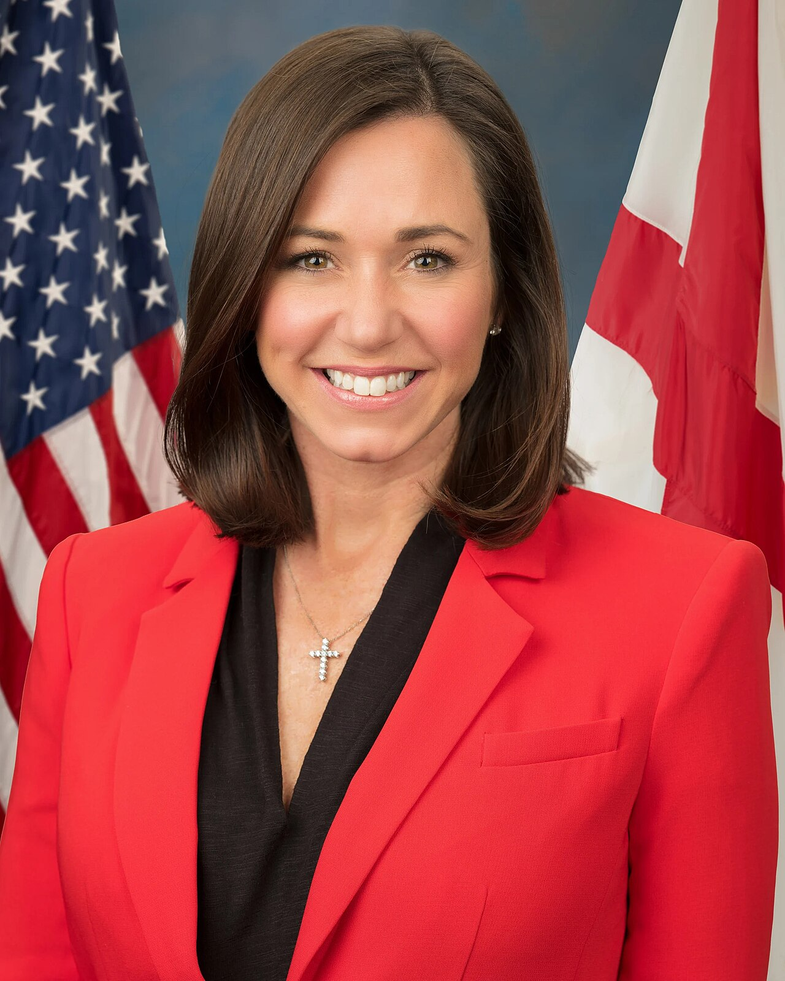
Sponsors
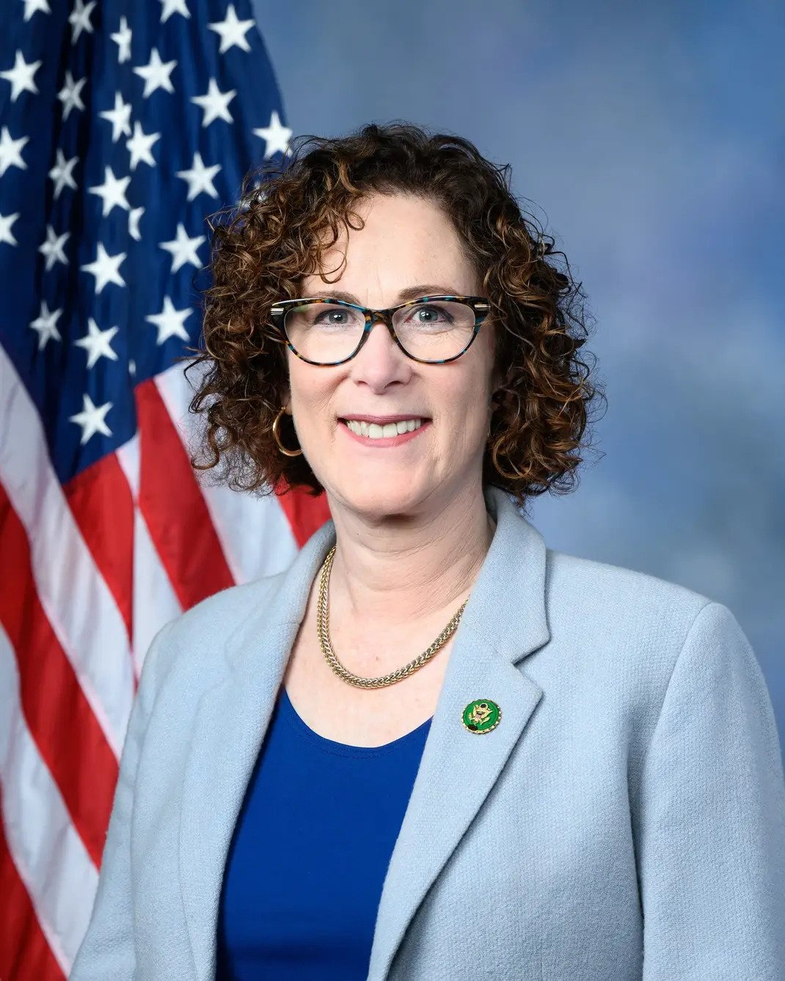
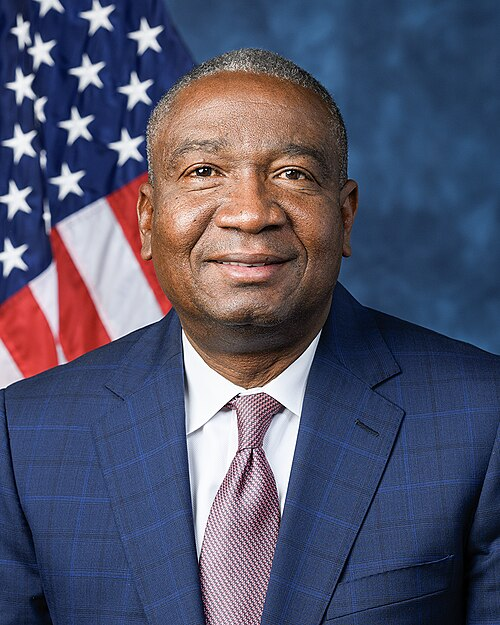
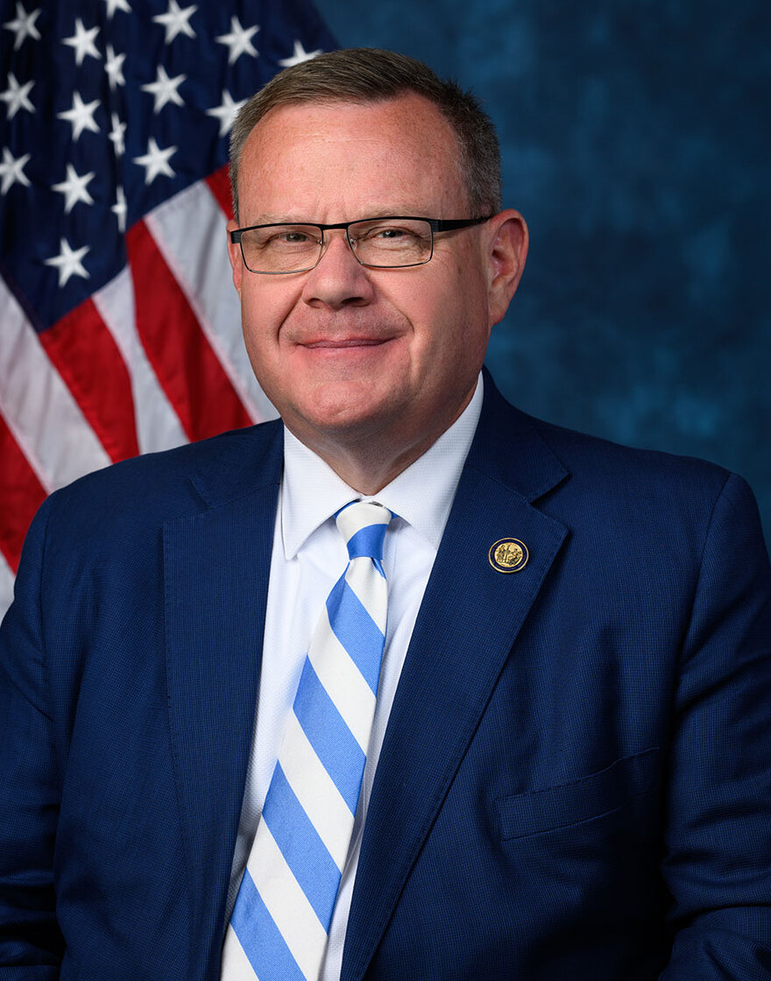
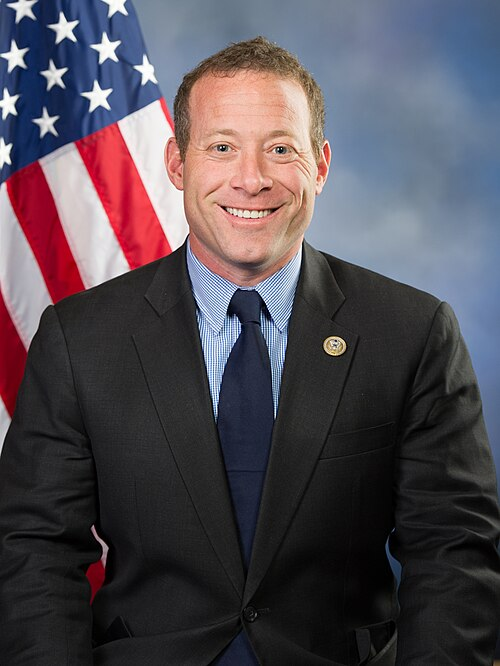
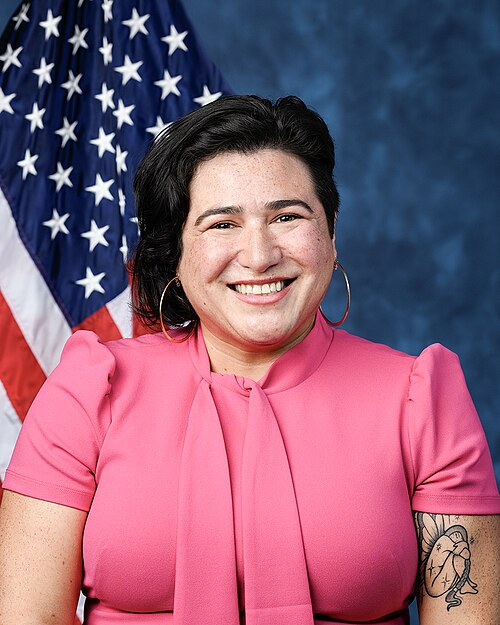
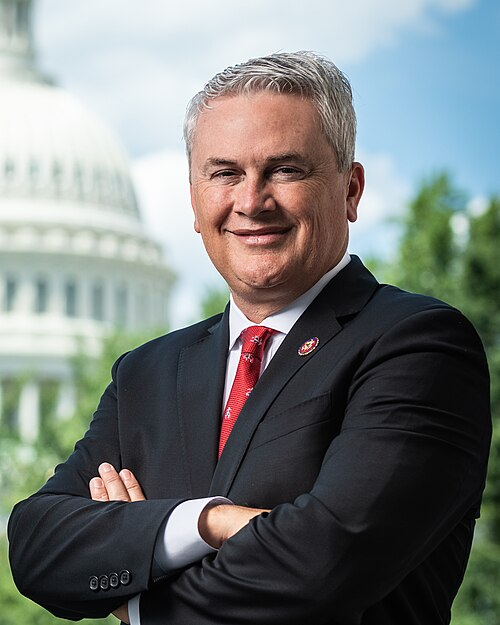
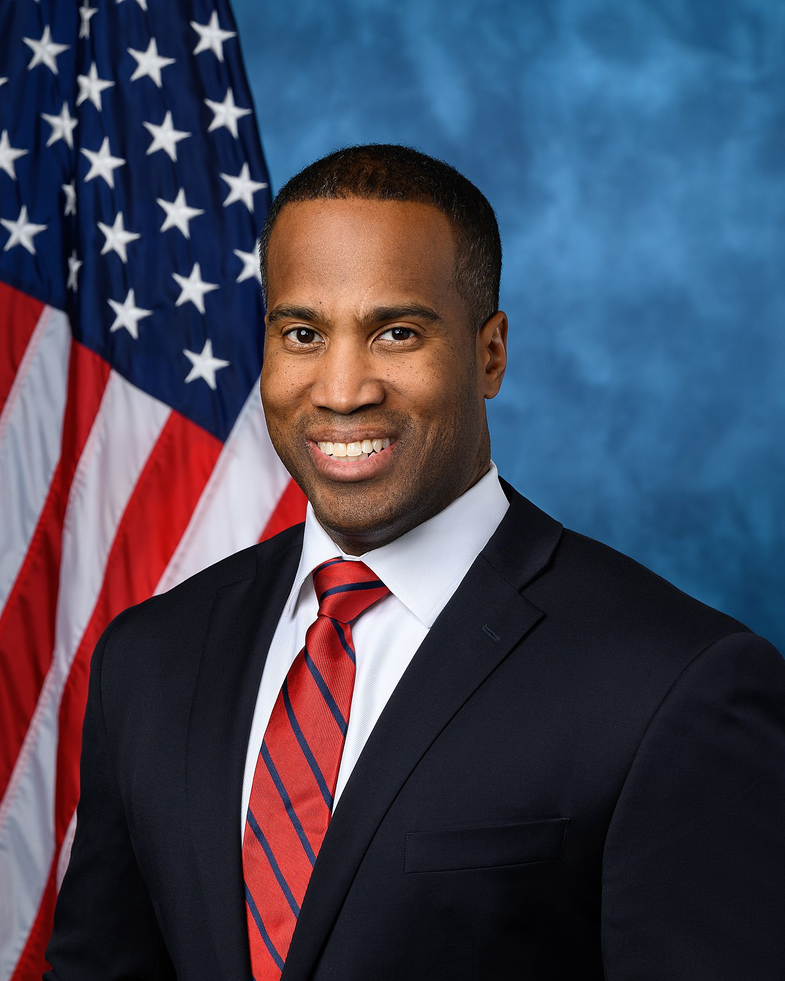
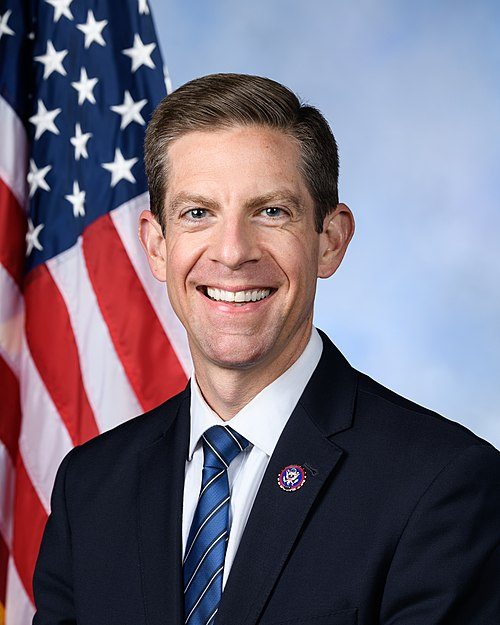
2 bill sponsors

Actions
2 actions
| Date | Action |
|---|---|
| Mar. 27, 2026 | Introduced in House |
| Mar. 27, 2026 | Referred to the Committee on Financial Services, and in addition to the Committees on Education and Workforce, Energy and Commerce, the Judiciary, the Budget, and Rules, for a period to be subsequently determined by the Speaker, in each case for consideration of such provisions as fall within the jurisdiction of the committee concerned. |
Corporate Lobbying
0 companies lobbying
None found.
* Note that there can be significant delays in lobbying disclosures, and our data may be incomplete.