H.R. 8115: Precision Brain Health Research Act of 2026
This bill, titled the Precision Brain Health Research Act of 2026, proposes amendments to an existing initiative aimed at improving mental health care for veterans. The modifications involve several key changes and enhancements to the research and treatment protocols related to brain health for veterans exposed to certain conditions, particularly focusing on repetitive low-level blast exposures, dementia, and other brain-related health issues.
Key Provisions of the Bill
- Expand the Focus on Health Conditions: The bill updates the existing legal definitions under the Precision Medicine for Veterans Initiative to explicitly include repetitive low-level blast exposure and dementia, alongside other mental health conditions relevant to veteran care.
- Creation of a Data-Sharing Partnership: The bill requires the establishment of a partnership between the Department of Veterans Affairs (VA) and the Department of Defense (DoD) within one year of its enactment. This partnership aims to enhance data sharing related to military health issues, specifically those that might affect brain health.
- Data Storage and Reporting: The partnership will maintain a centralized data storage system and provide biennial reports detailing any new therapies developed, evaluations of the partnership, and recommendations for future improvements.
- Research Initiatives: The bill mandates several research projects focusing on:
- A large-scale assessment of effective clinical and non-clinical interventions for patients with likely low-level repetitive blast injuries.
- Implementation studies aimed at applying proven interventions within veteran healthcare systems.
- A study on the potential benefits of growth hormone replacement therapy for cognitive health among affected veterans.
- Quality improvement studies to enhance the diagnosis and treatment of veterans with brain injuries.
- Collaboration with National Academies: The VA is tasked with contracting the National Academies of Sciences, Engineering, and Medicine to validate brain and mental health biomarkers for veterans, along with providing regular reports on their findings.
- Assessment and Reporting Requirements: The Secretary of Veterans Affairs will conduct assessments of all related translational research studies and submit regular reports to Congress, ensuring ongoing oversight of the initiative.
- Funding Authorization: The bill authorizes appropriations of $5 million per fiscal year from 2025 through 2030 to support the outlined initiatives.
Overall Goal
The primary goal of this bill is to enhance the understanding and treatment of brain health issues in veterans, particularly those resulting from exposure to specific military-related conditions. By improving data collection and research coordination between the VA and DoD, the bill seeks to foster advancements in therapeutic and diagnostic practices for veterans' mental health.
Relevant Companies
- LLY - Eli Lilly and Company: As a prominent pharmaceutical company, Eli Lilly could be involved in developing drugs targeting cognitive issues and potential treatments resulting from the research authorized by the bill.
- ABT - Abbott Laboratories: Abbott, known for its health diagnostics and treatment solutions, may seek to participate in research collaborations or develop products aimed at improving brain health and treatment for veterans.
This is an AI-generated summary of the bill text. There may be mistakes.
Sponsors
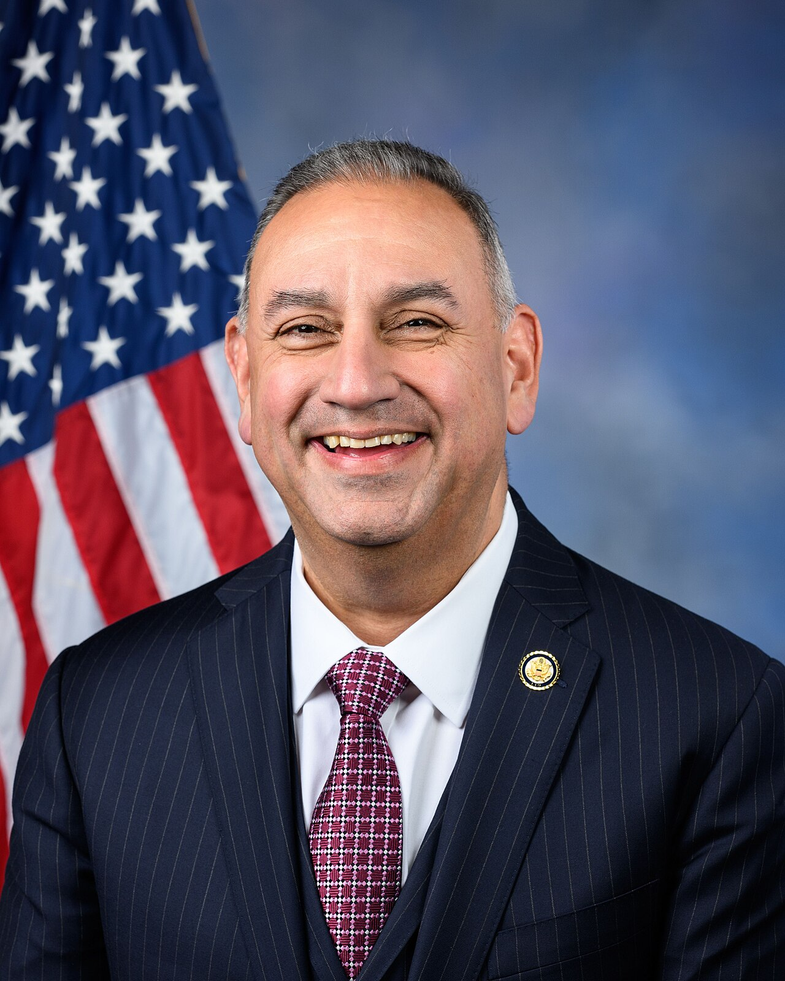
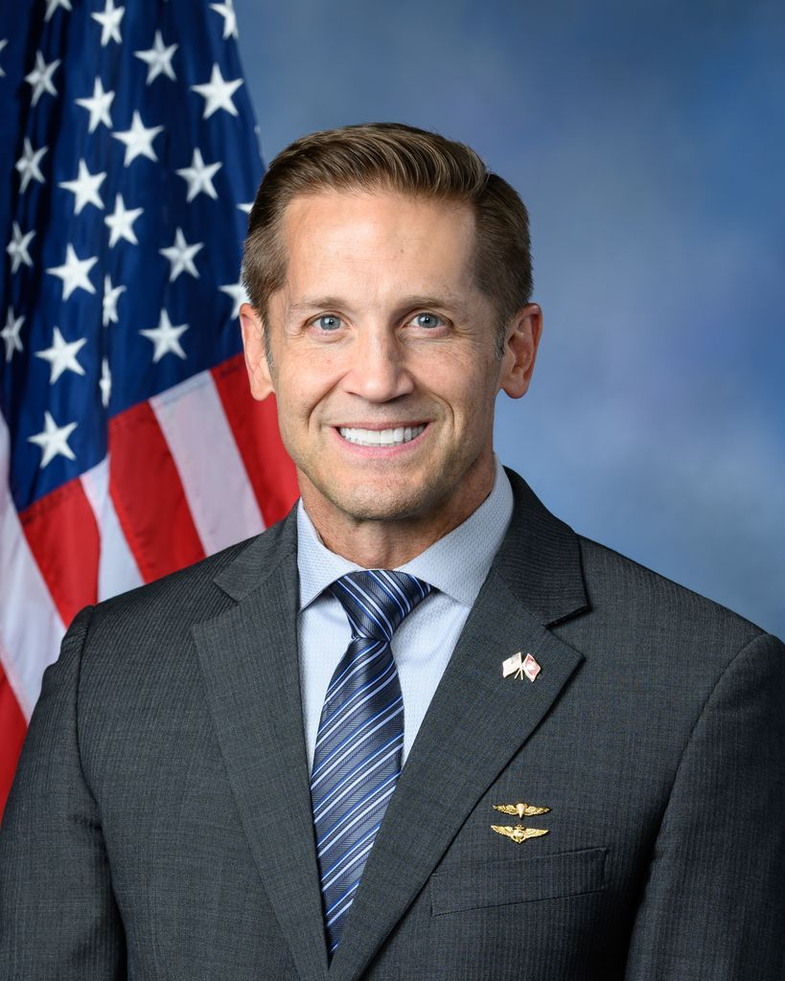
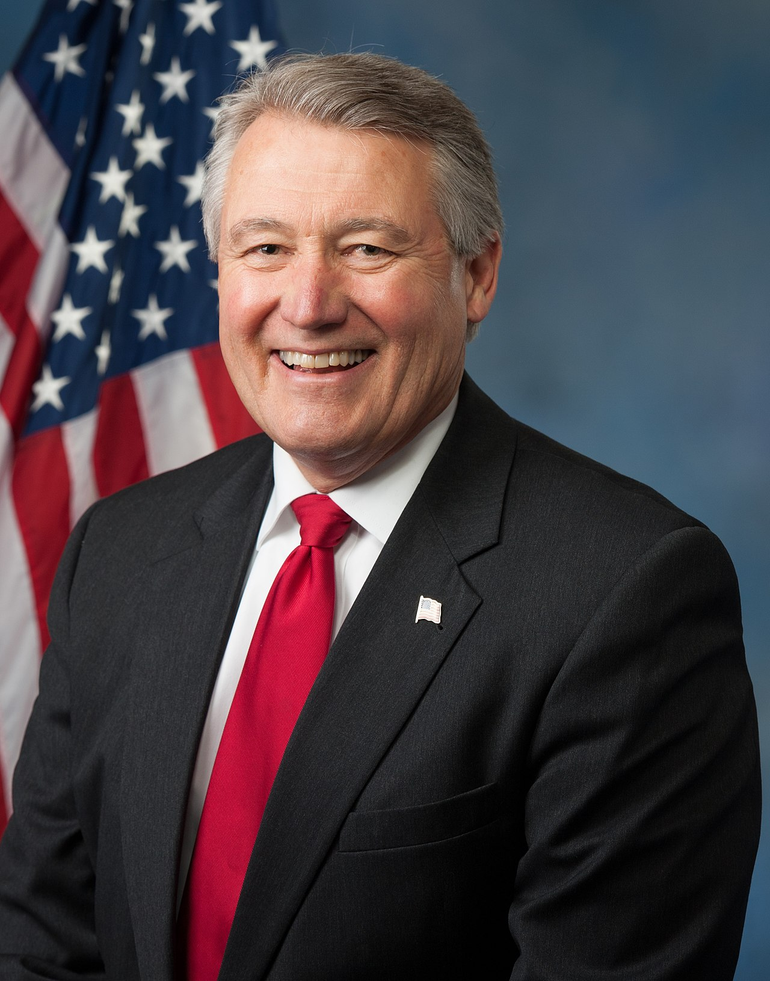
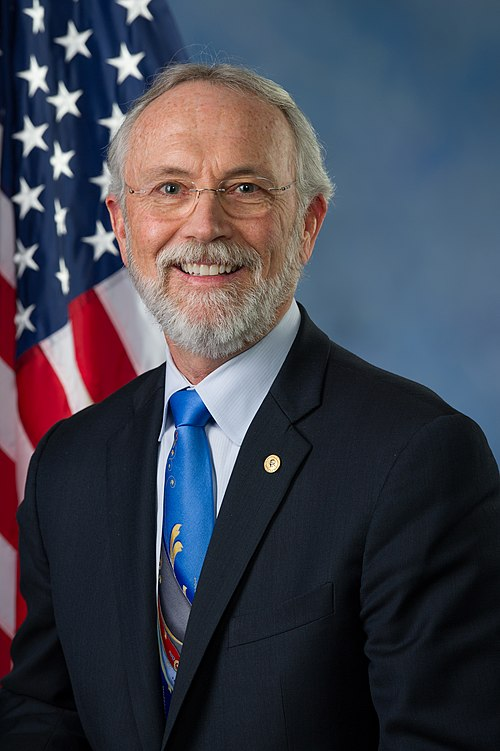
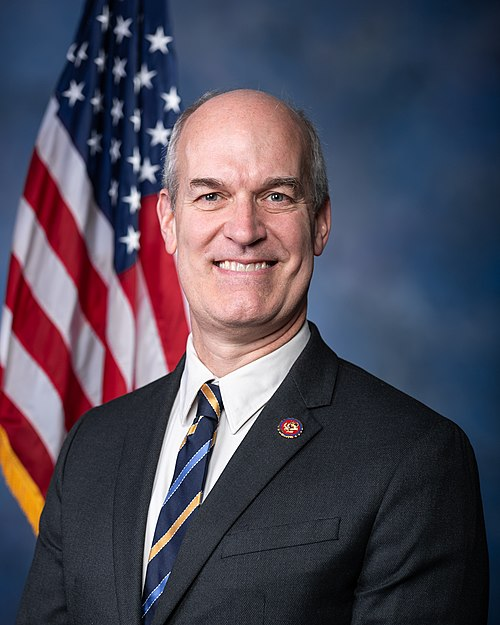
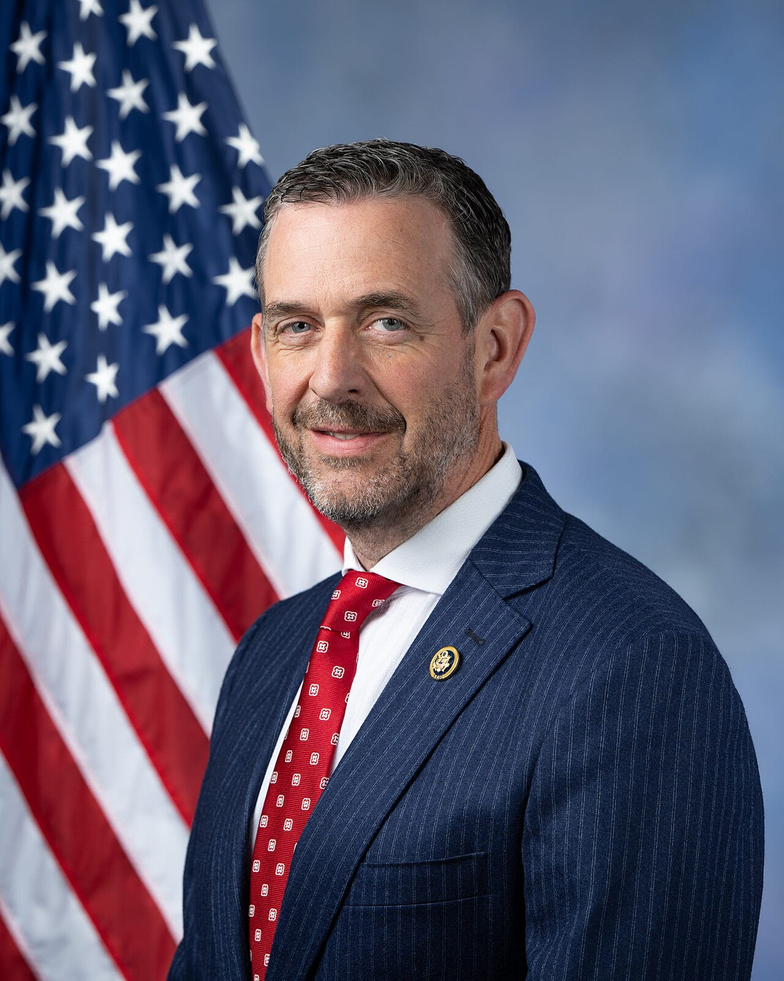
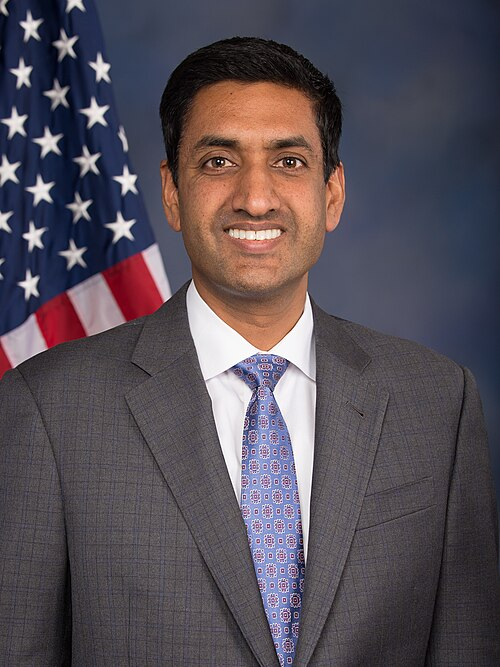
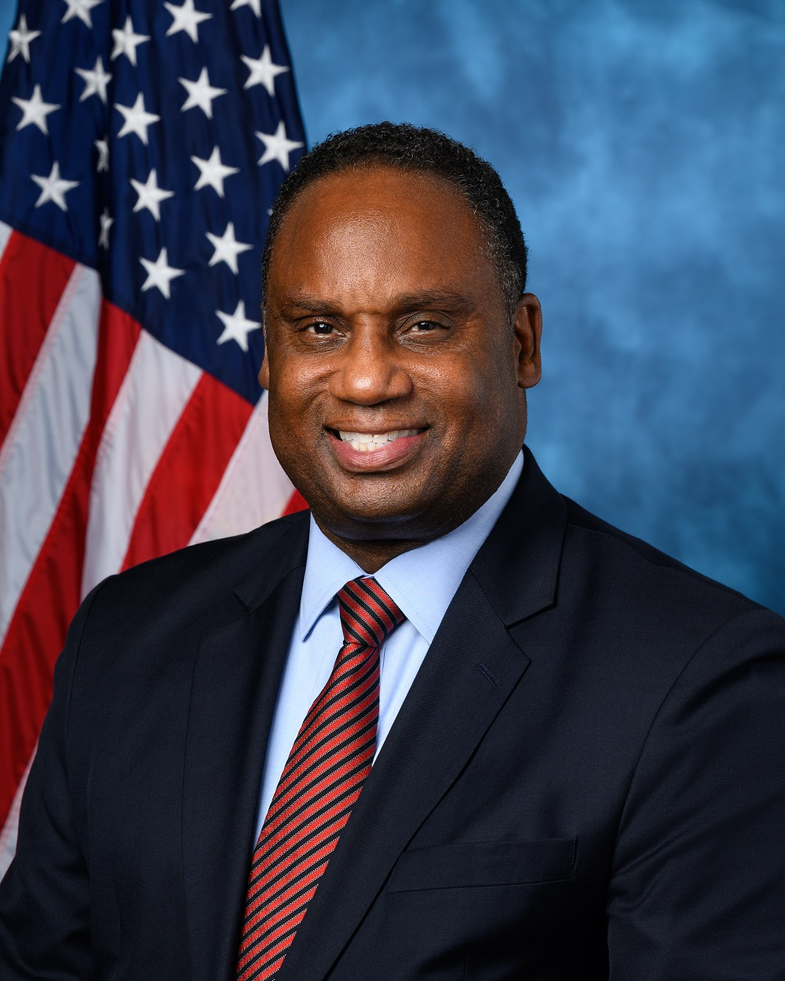
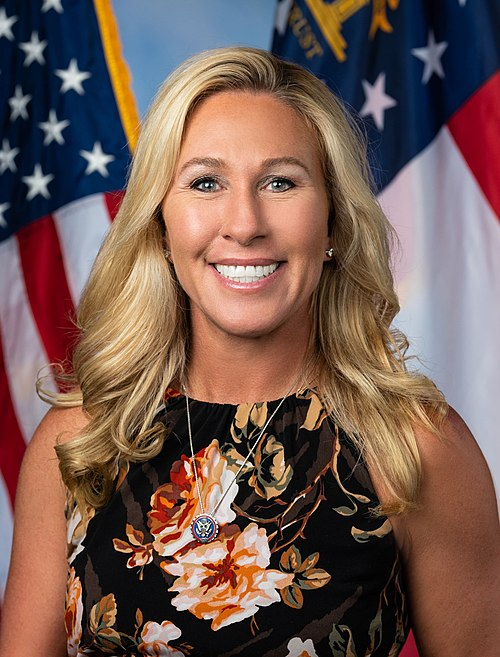
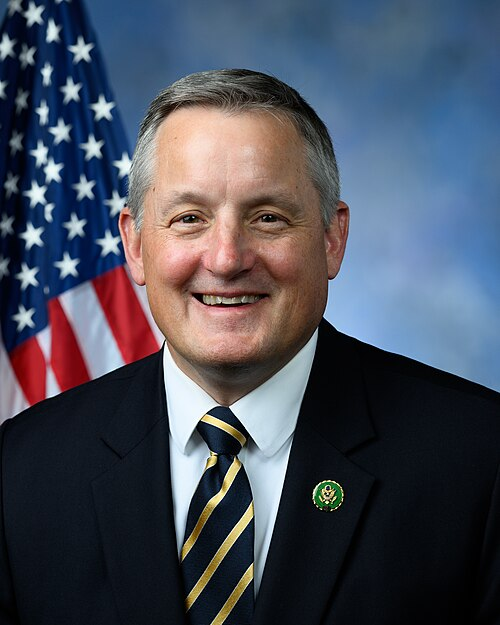
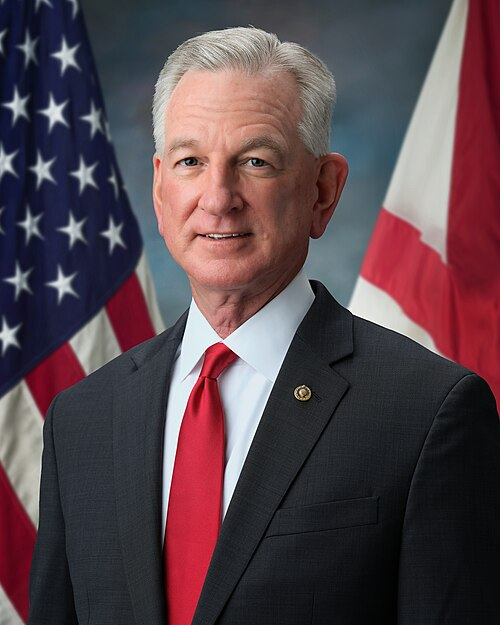
2 bill sponsors

Actions
2 actions
| Date | Action |
|---|---|
| Mar. 26, 2026 | Introduced in House |
| Mar. 26, 2026 | Referred to the Committee on Veterans' Affairs, and in addition to the Committee on Armed Services, for a period to be subsequently determined by the Speaker, in each case for consideration of such provisions as fall within the jurisdiction of the committee concerned. |
Corporate Lobbying
0 companies lobbying
None found.
* Note that there can be significant delays in lobbying disclosures, and our data may be incomplete.