H.R. 8111: Bankruptcy Venue Reform Act
This bill, entitled the Bankruptcy Venue Reform Act
, proposes changes to the bankruptcy venue requirements as specified in Title 28 of the United States Code. Its main objectives are to modify how and where bankruptcy cases, especially those filed under Chapter 11, can be initiated. Below are the key provisions and implications of the bill:
Findings and Purpose
The bill indicates findings that highlight issues related to the current bankruptcy system:
- Bankruptcy law allows companies to file in multiple districts, leading to an issue known as
forum shopping
, where companies choose jurisdictions perceived to be more favorable for their cases. - This practice has concentrated bankruptcy cases in a few districts, often outside the home states of many businesses, which can affect the local stakeholders.
- Through this bill, Congress aims to prevent forum shopping, enhance the integrity of the bankruptcy process, and ensure fairness for all parties involved.
Proposed Changes to Venue
The bill amends the existing law regarding the venue where bankruptcy cases can be filed. Key changes include:
- For business entities subject to certain reporting requirements, the
principal place of business
is defined as the address of the principal executive office reported in their most recent annual filing. - Bankruptcy cases must now be filed in specific jurisdictions based on:
- The location of the principal business or assets in the 180 days preceding the bankruptcy.
- Pending cases concerning affiliates, provided the earlier case was filed in accordance with this section.
This aims to ensure that cases are handled in jurisdictions more closely tied to the entities involved.
Limitations on Venue Selection
The bill imposes limitations that prevent entities from easily changing their principal place of business or assets to establish venue in a preferred jurisdiction, particularly if such changes occurred within a year before the bankruptcy filing or to specifically manipulate outreach.
Burden of Proof
Entities filing for bankruptcy will now bear the burden of proof when an objection to the chosen venue is raised. They must provide clear and convincing evidence to justify that the venue has been selected properly, enhancing accountability in venue selection.
Government Attorney Involvement
The bill also proposes rules for allowing government attorneys representing a government unit to appear in bankruptcy cases without incurring fees or meeting local court rules regarding appearances. This aims to facilitate government participation in bankruptcy proceedings.
Change of Venue Procedures
If a bankruptcy case is filed in an incorrect district, the bill outlines procedures for how that case should be handled:
- District courts will need to either dismiss the case or transfer it to a proper venue.
- There are specific timelines established for the court to address objections or requests to change venue, ensuring timely decision-making.
Conclusion
Overall, the Bankruptcy Venue Reform Act seeks to streamline the bankruptcy process, ensure that cases are held in appropriate jurisdictions, and reduce the potential for manipulation of the system that could disadvantage local creditors and stakeholders.
Relevant Companies
- GE - General Electric could see an impact due to its diverse operations and potential restructuring under bankruptcy changes.
- JCP - J.C. Penney, which has faced financial difficulties, might be affected in its choice of bankruptcy venue.
- TWTR - Twitter could potentially be influenced by these changes should they seek out bankruptcy options in the future.
This is an AI-generated summary of the bill text. There may be mistakes.
Sponsors
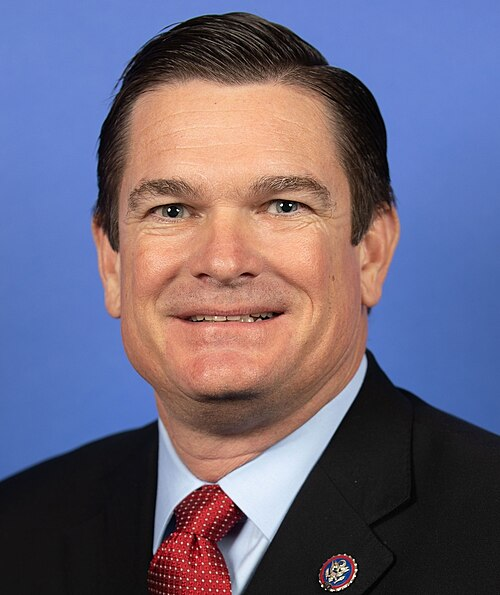
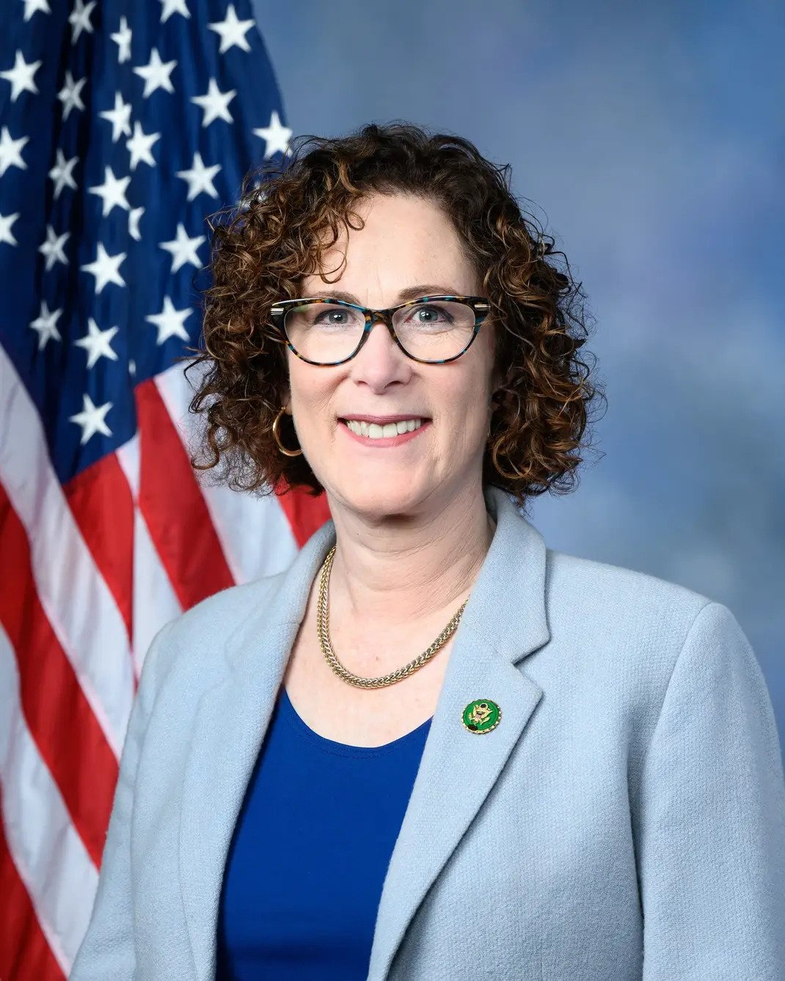
2 bill sponsors


Actions
2 actions
| Date | Action |
|---|---|
| Mar. 26, 2026 | Introduced in House |
| Mar. 26, 2026 | Referred to the House Committee on the Judiciary. |
Corporate Lobbying
0 companies lobbying
None found.
* Note that there can be significant delays in lobbying disclosures, and our data may be incomplete.